BOX OFFICE: “Incredibles 2” races past other sequels records, $175 million, “Superfly” bombs

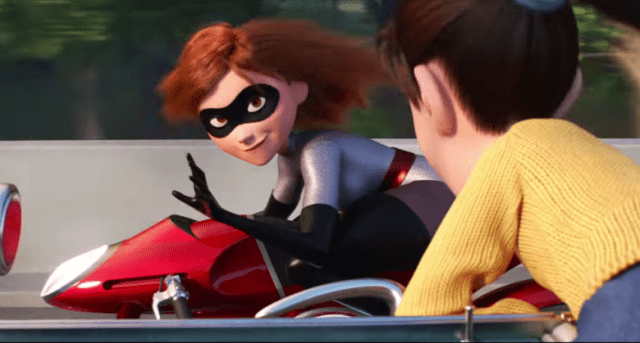
inc1As I said in my review, “Incredibles 2” is an animated Pixar pic that beats superhero comic book movies at their own game.

It’s doing that not just by being more fun, with more coherent action more topicality. The Pixar blockbuster is bowling over box office records with a whopping $175 million+ opening weekend. Not a holiday weekend, not a “open since Wednesday” padded record. Just a family-friend action romp with doses of female empowerment and American culture and politics under assault and some pretty good sight gags.

“Ocean’s 8” is dropping just over 50% on its second weekend, so call this $20 million follow up a win, too. Middling reviews and audience polling suggested that one would wither quickly, and it isn’t.

The producers of “Tag” kept their picture R rated and took a shot at counter-programming against a blockbuster. It may make as much as $15, but probably not. If they’d waited a week and delivered a PG-13 pic, they could have cleared $20.

“Superfly” opened with no buzz — zero — on Wednesday, poorly promoted (they didn’t even screen it in much of the country) and a picture that needed a more charismatic star and more dazzling, less predictable script. It’s a missed opportunity and it won’t hit $6 million for the weekend, or clear $8 million since last Wed.

“Adrift” and “Book Club” are showing off their legs at the box office, still in the top ten.

“Deadpool 2” is closing in on $300 million, for those tracking that one.


Posted in Reviews, previews, profiles and movie news | Comments Off on BOX OFFICE: “Incredibles 2” races past other sequels records, $175 million, “Superfly” bombs

Documentary Review: “Love, Cecil” celebrates “the Beaton Touch”

cecil3

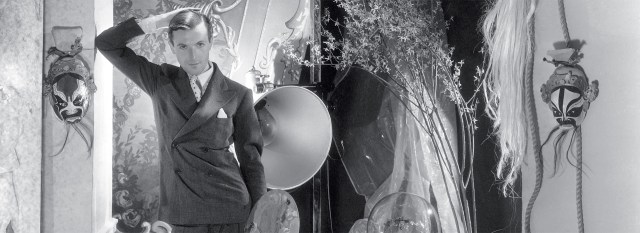
Photographer, writer, sketch-artist, production designer, charter member of the “Bright Young Things” and a “dandy” is the most pointed sense of the word, Cecil Beaton lived and worked and cut a wide and gorgeous swath across 20th century high culture like no one else.

The author of “The Book of Beauty,” the high-born (but not high enough to suit him) Brit set and re-set Western culture’s aesthetics, its standards of beauty, and shaped his own fantasy world in fashion photos and documentary (news) photography, in stage design and on the screen.

“After you’ve started for the end of the rainbow,” he once wrote in his diary, “you can’t very well turn back.”

And so he didn’t. Over a lifetime that saw him photographing and ingratiating himself with everyone from Cambridge’s smart set to Hollywood’s elite, British royalty and then Marilyn and The Rolling Stones, he made himself famous. With Oscars for designing “Gigi” and “My Fair Lady,” he demonstrated “the Beaton touch” and earned screen immortality as well.

“Love, Cecil” remembers a not-quite-forgotten figure who exercised enormous influence in his day, a vain, stylish bon vivant who may not have invented “the selfie,” but who certainly perfected it. Yes, filmmaker Lisa Immordino Vreeland had archival TV interviews with Beaton, even access to his first on-screen essay on “American beauty” (from 1929, and he insisted there was no such thing as “American” beauty). She had Beaton’s many published diaries, and Rupert Everett (as Beaton) reading from them.

Mostly though, she had self-portraits to choose from — thousands of the damned things — preening, made-up, perfectly coiffed, perfectly lit and beautifully composed shots of the man’s idealized image of himself.

It’s funny to hear Beaton himself, or assorted biographers, apologists and others twist and contort themselves pooh pooh the “vain” label that hugged Beaton like a form-fitting suit, from birth to death, thanks to franky narcissistic portraits of himself and the peers who came to be known as “The Bright Young Things.” He makes shape-shifting artist/poseur/provocateur David Bowie look like a shrinking violet.

The film is as adoring as those self-portraits.

Filmmaker Vreeland, granddaughter-in-law- of Vogue empress and Beaton intimate Diana Vreeland, rounded up legions of those who met, knew or were influenced by Beaton’s chic tastes, eye for color and social climbing — designers like Blahnik and Mizrahi, current British “Vogue” editor Hamish Bowles among them.

She gives Truman Capote one last chance to remark on the man’s infamous bitchiness, evident at an early age and present even in his later years. He loved (and had an affair with) Garbo, loathed Evelyn Waugh and Noel Coward (jealousy) and his put-down of Katherine Hepburn, one of many he photographed over the decades, “a dried-up old shoe,” still burns.

Beaton was fired from every American magazine and studio that had employed him when he squeezed an anti-Semitic illustration into Jewish-run “Vogue,” redeemed himself with his first royal portraits in the U.K. where anti-Semitism was taken more lightly, and finally made his mark on the war effort with a haunting, iconic “Life Magazine” cover of a little girl, in the hospital, recovering from injuries suffered during a 1940 air raid.

He covered most every theater of World War II, “Love, Cecil” reports. His shots of battlefields and the gear of war have an artistic touch, his many portraits of sailors, infantry and airmen prepping to fight have a decided homoerotic touch.

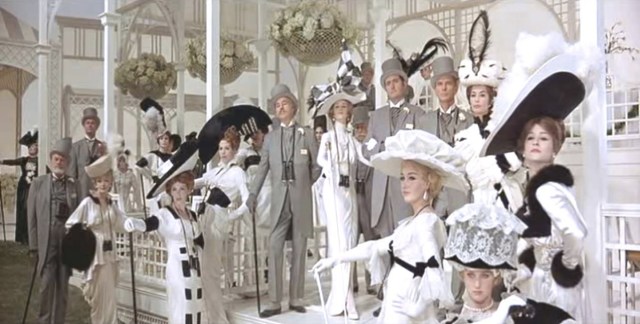
And after the war, the talented fashion sketch artist and photographer got his shot at designing for the theater, and then film. His design of “My Fair Lady,” immortalizing a fantasy version of upper class England just before World War I, is his masterpiece.

ascot


He was better known when I got around to reading and reviewing a biography of him during the ’90s, but even then he was only recognized by the cognoscenti of his former realms — fashion, design and mostly gay fans of vintage gossip.  A tireless self-promoter and somewhat closeted (it was illegal then) “homosexualist” who was never happy at love, he is still not completely forgotten, but more remote from cultural memory today, almost 40 years after his death.

But Vreeland’s film, wallowing in the Beaton vision of beauty via his images, his art and his screen work, does a marvelous service in reclaiming this dandy’s dandy/designer’s designer and iconic photographer from obscurity.

The culture will never see the likes of Cecil Beaton again, a Renaissance Man with an unfailing eye for composition and color, though his record for narcissistic self-portraiture is challenged every day by the stars of Instagram.

3stars2

MPAA Rating: unrated

Cast: Cecil Beaton, Leslie Caron, Manolo Blahnik, Hamish Bowles, Isaac Mizrahi, Truman Capote, the voice of Rupert Everett

Credits:Directed by Lisa Immordino Vreeland. A Zeitgeist release.

Running time: 1:38

Posted in Reviews, previews, profiles and movie news | Comments Off on Documentary Review: “Love, Cecil” celebrates “the Beaton Touch”

Documentary Review: HBO’s “It Will Be Chaos” captures Europe’s refugee influx, mid-crisis

chaos2

I don’t know about this title. “It Will Be Chaos” suggests some calamity that is coming, parked in the future tense.

From the images we see and the stories the Italian filmmakers follow in this new migration crisis documentary from HBO (June 18 premiere), the chaos is already here — in Europe and (not shown, and to a much lesser degree) in the U.S.

Filmmakers Lorena Luciano and Filippo Piscopo emphasize compassion in their film, a look at Europe’s ongoing mass migration crisis from ground and sea level.

That’s where the movie begins and where it climaxes — at sea. The opening images are of coffins being offloaded from one of the worst tragedies to come from the dual floods of refugees, from Africa and from the Middle East. A boatload of desperate Eritreans, Somalis and Sudanese capsized off an Italian island. Over 360 drowned.

it_will_be_chaos4

We meet Aregai, a survivor who holds up his cell phone to show us pictures of the cousins on board with him when the boat overturned, cousins who drowned. The film will follow Aregai as he testifies in court against the inept smuggler captain, in refugee camps in Italy and on the lam as he tries to make his way into Northern Europe from the designated entry point/designated check-point and choke-hold on this human flood, Italy.

The film also follows Wael, young patriarch of an extended family of Syrians (including his wife and four very young children), desperate to get out of Istanbul and into Europe proper. They are middle class civil war refugees hoping against hope to get to relatives in Germany, where they’ll have a support system and a chance at a better life.

We meet small town Italian mayors, such as Giusi Nicolini of the island town of Lampedusa, scolding a TV reporter who characterizes the victims of that smuggling tragedy as “illegal immigrants.”

“They are refugees,” she insists, in Italian with English subtitles. Learn what they are fleeing and use the proper term because “words are important.”

Another mayor, this one of the dying village of Riace, exhibits endless patience trying to explain his budget-squeeze to hundreds of long-interned African refugees, who were moved there but given no chance to assimilate (the nearly-empty town could use the people), no further aid in starting their lives over and no chance to move on to where they could do that.

Wael, the Syrian, is impatient, as indeed are they all (some have been trapped in “the system,” such as it is, for many months). His family has been in Turkey 20 days, he’s paid the smuggler for their passage and shopped for life jackets for more than one attempt (“Remember last time?”) to escape the Middle East by sea. Wael isn’t interested in hearing about rough weather, or from relatives (by phone) to “wait” because he’s risking all their lives by putting them in an open rubber raft for a run to Greece.

“I don’t care if I die,” he bellows In Arabic with English subtitles) into the phone. “I just want to leave!”

The moment they’re at sea, his wife and others are wailing “Call the Coast Guard. Tell them we have children!”

It takes a certain amount of bending-over-backwards to “root for” this family from this point on, as they haggle with cab drivers and others on their way, refugee camp to border crossing, one after the other, on their quest north. Everybody depicted here somehow came up with big wads of cash for bribes and for smugglers.

The film samples the thought of the growing anti-immigrant movement in Italy, a movement that would sweep to power in elections after “It Will Be Chaos” was finished. That Lampedusa mayor won peace prizes all over Europe. She was voted out of office in the backlash over this torrent of refugees.

That’s one clue about the film’s title. Whatever is going on now, the “Chaos” might get worse as Europe closes its borders and struggles to stem the tide.

Then again, consider why this Italian project earned the backing of HBO. The myopic focus here personalizes the struggles of those attempting to migrate, but leaves out just enough context to make you wonder.

Yes, the filmmakers underscore, these folks are Muslims, even the supposedly secular Syrians break out the prayer mats in the third act.

Yes, they’re fleeing war and drought and hardship. And yes, humans have done this since the beginning of time. Understanding that might create even more empathy, and empathy is plainly on the retreat in post-Brexit Europe.

American viewers might reflect on how the U.S. grows more divided over the heartlessly cruel practice of separating parents from children of people caught trying to get into the country. Who can forget the haunting image of the little drowned Syrian boy, face down in his life jacket, that went viral in 2015?

But the backlash, racist or otherwise, has to be understood before empathy can truly take hold. Knowing that the “booming” economy is something of an illusion, with wages and secure full-time jobs with benefits limited to a minority, is just as important as seeing pictures of the bombed-out apartment Wael’s family (it happened after they left) used to live in.

That backlash harkening for the “good ol’days” isn’t just nostalgia, racist or otherwise. The restricting, some would say “draconian” Johnson-Reed Immigration Act of 1924 was in place for decades, limiting in-flow into the U.S., forcing quick assimilation on those few who did get in.  And during that era, a more cohesive United States wrestled with a Great Depression, won World War II, held the line in the Cold War, fought over and then embraced civil rights reform, mobilized to reach the Moon, took stock of the environment and protecting it and never enjoyed a higher status as the Beacon of Human Civilization.

Then Johnson-Reed was torn up, vastly larger numbers of immigrants poured in from Central and South America and Asia, divisions grew as the population of the U.S. cleared 300 million decades before it was supposed to.

So no, compassion alone isn’t an answer in and of itself, and certainly isn’t a winning political issue for anybody in 2018. “Wanting to come here” isn’t qualification enough, and cannot be sold politically, here or in Europe.

And waiting, doing nothing, merely putting off doing anything is one way Europe is showing the future to the United States. Do nothing, and “It Will Be Chaos,” politically and socially.

3stars2

MPAA Rating: unrated, depictions of violence

Credits:Directed by Lorena LucianoFilippo Piscopo. An HBO release.

Running time: 1:33

Posted in Reviews, previews, profiles and movie news | Comments Off on Documentary Review: HBO’s “It Will Be Chaos” captures Europe’s refugee influx, mid-crisis

The Best Movies of 2018 (So Far)

Well, the year’s half-gone, let’s see where we stand with the movies of 2018.

Sure, the box office has been boosted by one comic book blockbuster following another. “Black Panther” was a cultural phenomenon, “Avengers: Infinity War” sucked up all the characters and all the attention for a month or so and “Deadpool 2” didn’t embarrass itself.

But what about good films, ones that might — not likely — but just might have a prayer of being remembered as we sum up the year’s best and the various awards groups hand out their various awards?

A ten best list in mid-year is built with the idea that more than half of the movies on it won’t make the cut at year’s end. The way “prestige pictures” are released, in time for awards season, guarantees that. Better movies show up after Labor Day, after Columbus Day and occasionally as late as Christmas Day.

Still, let’s see where we stand so far.

Paul Schrader’s “First Reformed” is topical, philosophical and the best Ethan Hawke vehicle since “Boyhood.” A preacher having a crisis of faith as one of his congregation (not really) questions a God who would let his Creation be doomed to climate catastrophe, it isn’t doing well with the Fox News crowd. Will city audiences be enough to give it staying power?

rider3“The Rider” is one of those Sundance films that sticks with you, a story of a busted-up young rodeo cowboy on the edge of the Rez, facing a future where he might not get to do the only thing he knows how to do. It’s about the Way of the West, The Cowboy Way, all of that. This seems like a best director nomination for Chloe Zhao to me. The cast of non-actors make this a “docu-drama,” it’s that real.

“Won’t You Be My Neighbor” proves that unleashing a sentimental, celebratory documentary make like Oscar winner Morgan Neville (“Twenty Feet From Stardom”) on an officially sanctioned and embraced profile of Fred Rogers, “Mister Rogers” to generations, is the surest way to bring an American movie audience to tears. American TV is loaded with liars and scoundrels. But it did produce one bonafide saint. Lovely film, feels like an Oscar nominee to me.

The Norwegian World War II survival drama “The 12th Man” is the year’s most harrowing true-life adventure tale, the story of a commando, smuggled home to wreak havoc with the Nazis, injured, his unit wiped out — but kept alive by a wide cross-section of his countrymen, awakening their patriotism to resist the Huns. “Epic” in all the best ways.

dark1
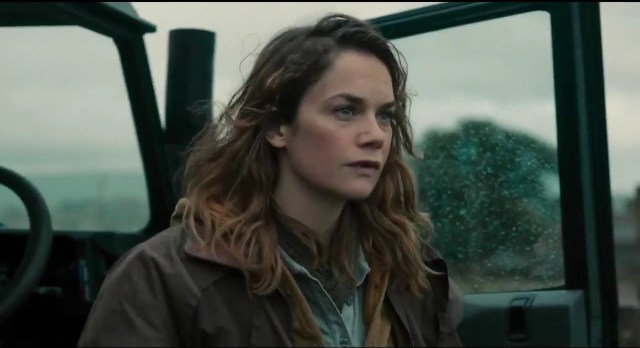
A working class British drama of family, abuse, grim personal history and the guilt brought home to roost by the death of the patriarch, “Dark River” tells its sheep country story largely without words, letting the eyes and deep-seeded hurt on Ruth Wilson’s face make words unnecessary.

“Always at the Carlyle” is a funny, warm and revealing look at how the Other Half Hotels. Experts, staff and many guests of New York’s famed Carlyle expound on its ancient glories, its exclusivity and its secrets, never giving any big ones away. Just lovely, and aspirational. Yeah, this is where you go if you win the lottery.

A heist picture that shows exactly how glib and unreal most heist pictures are, “American Animals” is a tightly-wound, smartly-cast and pulse-pounding account of a real-life robbery conducted by college age guys with no criminal experience, just a lot of heist movie viewings to guide them as they attempt a rare book robbery. It’s just nuts.

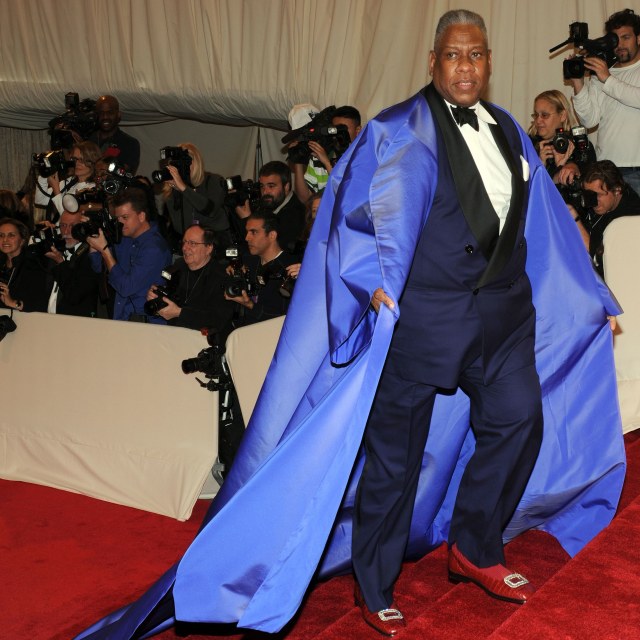
andres“The Gospel According to Andre” is a fashion biography of a too-tall working class Carolina boy who aspired to beauty, found his way to it and made his mark upon as a style icon and “Vogue” arbiter of taste. Andre Leon Talley is a hoot, and following him around is a treat, even to non-fashionistas.

“Hereditary” is a grim melodrama about a family rent by tragedy, swallowed up by the supernatural complications of that tragedy. Stunning performances by Toni Collette and Alex Wolff, hair-raising suspense, monstrous horror.

Not a lot of people saw “Gemini,”  a taut, tense murder mystery starring Zoe Kravitz as a movie star/femme fatale and Lola Kirke as the personal assistant hellbent on figuring out who murdered her. Because people, a lot of people, they had their reasons. No, not a lot of people saw it. You should.

Yes, I loved “Neighbor,” “Carlyle” and “Andre” more than the bracing hagiography, “RBG.” 

The best film I’ve seen on cable was “Paterno.”

Best animated film so far is “Incredibles 2,” which won’t be impossible for other animation houses to top.

Best of those comic book movies? “Deadpool 2.” “Panther” and “Avengers” both his “OK, sure,” for me. The comic book mocking “Deadpool” is my guy.

Best comedy? Had to say, a lot of 2.5 star “almost terrific” ones, nothing that utterly tore me up.

Let’s hope the rest of 2018 is so dazzling as to render most of these titles forgotten by election day.


Posted in Reviews, previews, profiles and movie news | Comments Off on The Best Movies of 2018 (So Far)

Preview, “Dog Days” pairs up Angelinos with their Pets, but to what end?

I can’t find a point to this upcoming film about…well, that’s what I cannot figure out.

Yes, we love our dogs and yes, they can bring people together.

I guess it answers the question, “Whatever happened to Vanessa Hudgens?”

Tig Notaro, Thomas Lennon, Eva Longoria, Nina Dobrev — all in it. To what end?

Aug. 10, we find out. 


Posted in Reviews, previews, profiles and movie news | Comments Off on Preview, “Dog Days” pairs up Angelinos with their Pets, but to what end?

Preview, “Alpha” is a boy-meets-dog story, the First Boy-Meets Dog Story

An Ice Age tale of the “Quest for Fire” style, this family-friendly adventure pic uses plenty of CGI, but a real human and a real tame wolf to show how humanity might have come to embrace Man’s Best Friend.

“Alpha” comes out way in August.

Posted in Reviews, previews, profiles and movie news | Comments Off on Preview, “Alpha” is a boy-meets-dog story, the First Boy-Meets Dog Story

Documentary Review — “Pressing On: The LetterPress Film”

press0

The word “artisanal” has returned to common use.

“Slow food” is totally a thing. Cameras that take pictures on celluloid, music preserved on vinyl discs, “hand-crafted” and “hand-made” are valued now like they haven’t been in years.

Might letterpress printing, the sort of technology that Mark Twain, Benjamin Franklin, even Johannes Gutenberg recognized and dabbled in, be ready for its comeback?

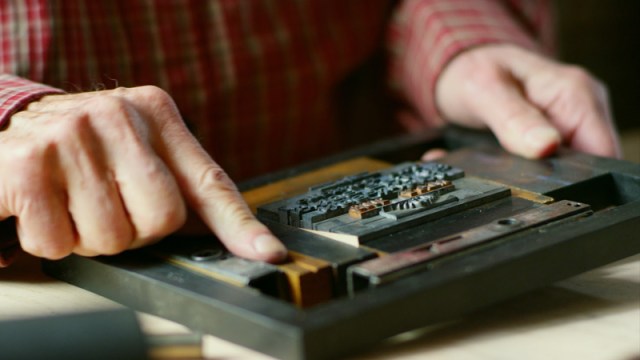
“Pressing On: The Letterpress Film” is a sentimental exercise in print nostalgia, a documentary that tracks down those intrepid hold-outs, still printing in the pre-computer, pre-offset styles, with letters and images molded out of lead or carved out of wood, printed on machines built to last forever, printing the oldest of “old fashioned” ways.

Filmmakers Erin Beckloff and Andrew P. Quinn track down these folks — a few “master printers” still making a living doing posters, artwork, etc. the old (pre-1960s) way, hobbyists who have been rescuing the huge, heavy ancient “windmill” presses by Heidelberg, Line-o-Scribe, Kelsey and Sigwalt.

Most are old men like Dave Churchman and Jim Aiken, and many, the film suggests, are hoarding typeface collections, restoring relics from an obsolete technology and holding onto them in rural West Virginia, Iowa, Indiana and Wisconsin.

Then there are the new converts — graphic designer Stephanie Carpenter, Tammy and Adam Winn, who have collected a score of presses of many different sizes where they whip up posters and collectible printwork in their spare time, selling it at flea markets and farmer’s markets on the weekend.

ppress5

The true believers marvel at the sturdiness of the machines, of how scratched and dented lead type letters give “authentic, hand-crafted” sheen to posters, cards, a quality a big portion of the public loves and values.

The veterans of the trade show off their scars — missing fingers, etc. — from this pre-OSHA industry, which was unforgiving of any distraction and prone to typographical errors by the bushel-basketful in the days before “spell-check.”

And young people diving into it revel in the tactile nature of the work, the handcrafted care that goes into making letters, carving art print plates and assembling into them timeless designs of concert and circus posters, revival meeting notices and the like.

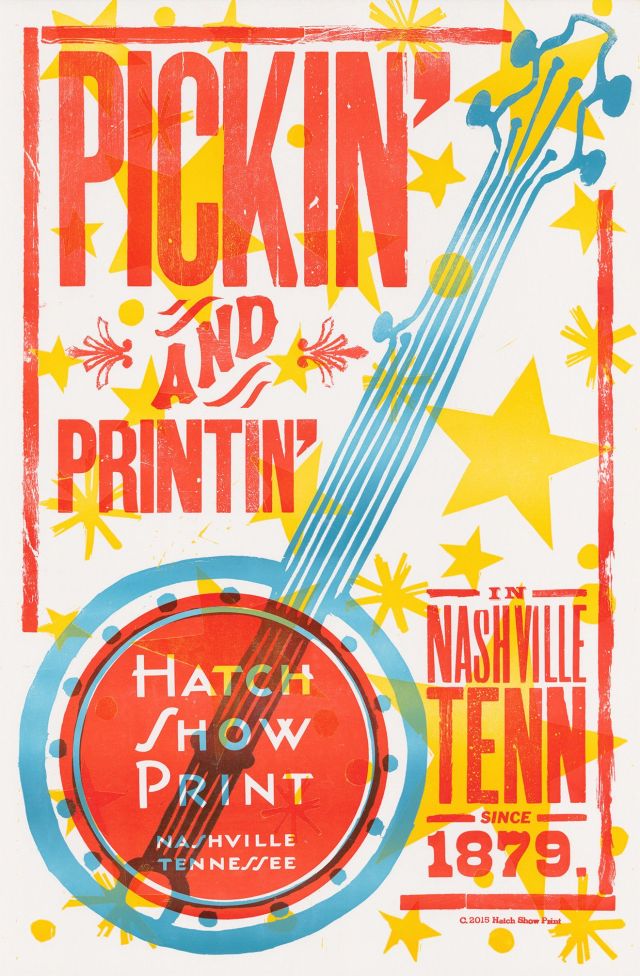
A standout location — Hatch Show Print, the Nashville shop established in the 1870s that went from making minstrel show posters to documenting the rise of country music and the birth of rock’n roll, just through artist’s orders as they left on tour, and their distinct, eye-grabbing style.


hatch

Using AFL-CIO vocational films of the ’40s, recreations for flashbacks and lots of expert interviews with hobbyists, retired printers and new enthusiasts, Beckloff and Quinn have assembled one of those films that you stumble across at a film festival or on public or cable TV.

It tells you more than you need to know about something you didn’t know about or even have a desire to know about, and makes you feel richer for having stuck with it.

3stars2

MPAA Rating: Unrated

Cast: Jim Sherraden, Richard Hopkins, Stephanie Carpenter, Jim Moran, Tammy Winn, Adam Winn and Dave Churchman

Credits:Directed by Erin BeckloffAndrew P. Quinn. A Bayonet release.

Running time: 1:38

Posted in Reviews, previews, profiles and movie news | Comments Off on Documentary Review — “Pressing On: The LetterPress Film”

Preview, “AXL” reminds us why August are “Dog Days” at the movies

Another action pic about an outsider kid who “finds” a mechanical, superintelligent “friend.”

This time, it’s a military robot dog “lost” and then found by our young hero.

A kids’ movie released just in time to send kids back to school. “Launch the drones” this August.

Posted in Reviews, previews, profiles and movie news | Comments Off on Preview, “AXL” reminds us why August are “Dog Days” at the movies

Movie Review: “Bao,” the charming Pixar short attached to “Incredibles 2”

bao

From “Luxo Jr.,” the movie that served as a proof-of-concept for Pixar animation, the animation studio has made its bones on shorts.

They’re generally dialogue-free, little marvels of visual CGI animated storytelling  — “Geri’s Game,” “Piper,” “For the Birds.” They set a standard that is now company wide at Disney Animation, which produced the likes of “Paperman” in the Pixar wordless style.

“Bao” is the latest, is attached to “Incredibles 2,” and like most Pixar shorts, is the perfect appetizer for the noisy but family-centric action comedy to follow.

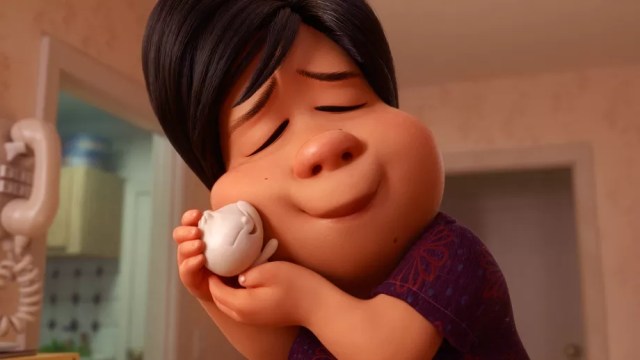
Canadian filmmaker Domee Shi’s sentimental ode to Chinese cooking (“Baozi” is a Chinese bun) and doting Chinese motherhood is simple, inventive and surprising, an utter under 10 minute delight.

A lonely woman prepares her dumplings each day with care, even if her rushed workaholic husband is too busy to notice.

One day, one dumpling isn’t eaten. It starts squalling, yawns and stretches its legs. Mom has a little dumpling, all her own, to care for and nurture.

She’s got to protect him from his rambunctious spirit, distance him from the soccer-playing boys he wants to join as he gets older. His little head get squashed flat every time he takes a header.

And just as he left the dumpling steamer, some day he’s going to meet a special someone and leave mom behind. She just knows it.

Disney and Pixar have long parked their cartoons outside Walt’s suburban Kansas/Missouri version of “Americana” — “La Luna,” and “Geri’s Game” for example.

“Bao,” a product of North America’s Chinese diaspora, stands out as an example of corporate outreach to what Hollywood sees as its dominant market of the near future. Disney might be pandering in green-lighting it, filming it and releasing it. But the writing is on the demographic and box office wall. China matters, Chinese content is important.

As “Mulan” and “Crazy Rich Asians” and other fare from the Far East takes to screens, more and more of Hollywood’s product will reflect that shifting priority. We can only hope it’s all as engaging as “Bao.”

3stars2

Posted in Reviews, previews, profiles and movie news | Comments Off on Movie Review: “Bao,” the charming Pixar short attached to “Incredibles 2”

Movie Review: A Marriage goes on the Rocks “On Chesil Beach”

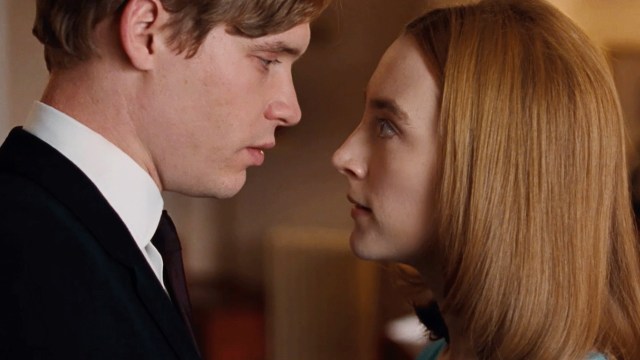
chesil1.jpg

It was “love at first sight,” they remember — particularly English period piece kind of love.

They’re both ever so prim and proper, a very young couple mimicking the manners ingrained by generations of observing, or in her case, living in the upper class.

“If we have a girl, she shall be called ‘Chloe,'” she declares. And he’s entirely too polite and smitten make that worth debating. He recoils from the very idea of contradicting her.

“Am I being a bully?” Perish the thought.

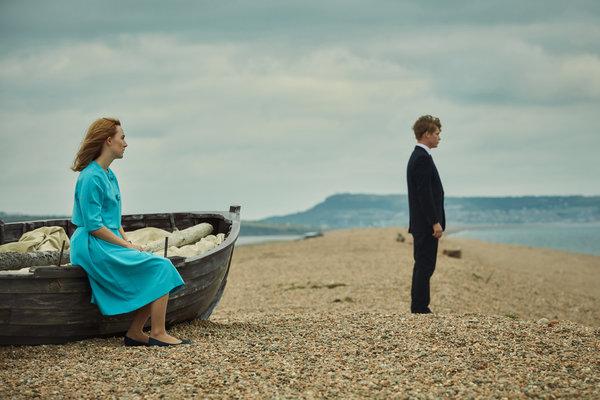
As they honeymoon in a posh coastal hotel, too young to know the etiquette of formal “room service” in a stately resort where two waiters attend to you, in your room, the well-mannered repression reeks like the scent of 1960s English cuisine. And on this blighted wedding night, we start to fear where this marriage is going “On Chesil Beach.”

chesil2.jpg

This stately, intimate drama, adapted by Ian McEwan from his novel, puts two virgins in a hotel room in an age before sexual matters were widely discussed and understood pre-marriage, expecting them to work it out. Somehow.

They’re both smart. That’s how they met, the schoolmaster’s son (Billy Howle) and the upper class daughter (Saoirse Ronan) with plans for a subsidized career with a string quartet. He was bursting to tell even strangers he’d gotten “a first” in history, and she was the pretty young thing he met at a college CND meeting — “Committee for Nuclear Disarmament.”

She’s read up on the whole sex thing, though Florence and her sister (Bebe Cave) turned their noses up at the “revolting” textbook descriptions they were reading.

He is expecting shared enthusiasm will facilitate his completion of his husbandly duties.

And when that doesn’t happen, when everything from unzipping a dress to staring down an intimidating, crimson brocaded bedspread, with the pressure of sniggering waiters and everybody else knowing what they’re about to do gets the best of them, we fear that their wedding afternoon will never fold into a wedding night.

“On Chesil Beach” treats the romance that leads up to this crisis in glowing flashbacks with barely a hint of the trouble to come. Idyllic picnics, punting outings on a lake, her blushing dash to see him “in the country,” taking a bus and walking miles to his summer job, at the cricket grounds.

Her parents (an imperious Emily Watson, a sniffling snob Samuel West) may look down on his “class,” but Flo is the very picture of liberality. She meets his eyes, and kindness ensues.

But they both have secrets, other things “one simply doesn’t speak of” in the Britain of the day. His mother (Anne-Marie Duff) is given to painting and wandering the yard nude. She’s off in the head. Flo is nothing less than angelic to her, because Flo has family issues of her own.

Director Dominic Cooke (TV’s “The Hollow Crown”) keeps it all sedate and stately. Even the bitter argument that ensues, entirely too abruptly, takes on shades of class and decorum and lines that one must never cross.

Ronan gives Flo a brittle vulnerability in those argument, entrusting her powers of persuasion and her one trump card, “but we’re in love,” to save the day.

Howle, of “Dunkirk” and “The Sense of an Ending,” holds his own by showing bookish Ed’s defiant pride, backing their debate into a corner without even realizing it.

It’s kind of heartbreaking, the way what cannot be said aloud, their ignorance of what has happened and is happening, drives their actions. But I was put off by the third act’s abrupt brinkmanship, the soppy and unnecessary coda that leaves one feeling cheated.

Whatever the lovers are really fighting about, it’s the source novel the viewer may have quibbles with, not the production values (pristine) or performances (spot on). If you’re being cagey about characters’ tortured pasts, explaining those pasts and then abandoning those pitfalls for a future neither we nor the script can rationalize is as self-defeating as making a wedding day argument the make-or-break moment in a loving relationship.

The movie before it is rather undone by the third act that ends it.

2half-star6

MPAA Rating: R, explicit sexual situations

Cast: Saoirse Ronan, Billy Howle, Emily Watson, Anne-Marie Duff, Samuel West, Adrian Scarborough

Credits: Directed by Dominic Cooke, script by Ian McEwan, based on his novel. A Bleecker Street release.

Running time: 1:50


Posted in Reviews, previews, profiles and movie news | Comments Off on Movie Review: A Marriage goes on the Rocks “On Chesil Beach”