The first time I reach the name “Stacy Keach” was in the first issue of “American Film” magazine, which I started subscribing to in college.
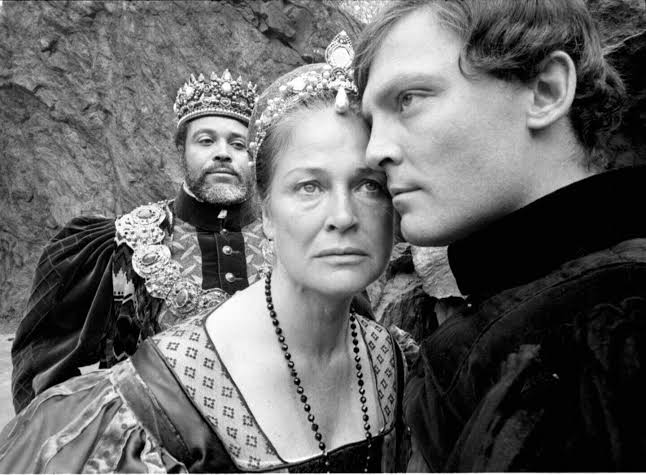
Keach had done films and TV, and I think “The Long Riders” was just about to come out. And what I remember from that early profile was the declaration that Keach had been “The Great American ‘Hamlet.'”
That’s quite a label for a guy who was showing up in Cheech and Chong movies at the time.
But some years later, I got to interview him when a play, “Flowers and Photos,” was undergoing its out of town polish and tryout in Winston-Salem, N.C. It was about the love affair between the great artists Georgia O’Keefe, the painter, and the famed art photographer Alfred Stieglitz. He co-starred with Margot Kidder and both made stunning stage impressions in a play that was otherwise forgettable.
A Drama Desk and Helen Hayes Award winner, he never strayed far from his theatrical roots, taking on Richard Nixon in the touring company of “Frost/Nixon,” working in shows from Jon Robin Baitz, touring with “Barnum,” playing Willy Loman in “Death of a Salesman,” racking up scores of stage credits.
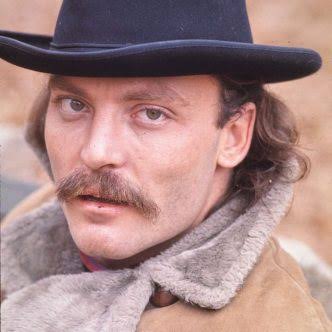
A memorably brooding presence on stage and screen when he was at his best, with that Mike Hammer growl of a voice, died yesterday at the ripe old age of 85.
Keach didn’t shy away from comedy, tackling recurring roles on TV’s “Titus” and “Two and a Half Men” that were always sure to land a laugh.
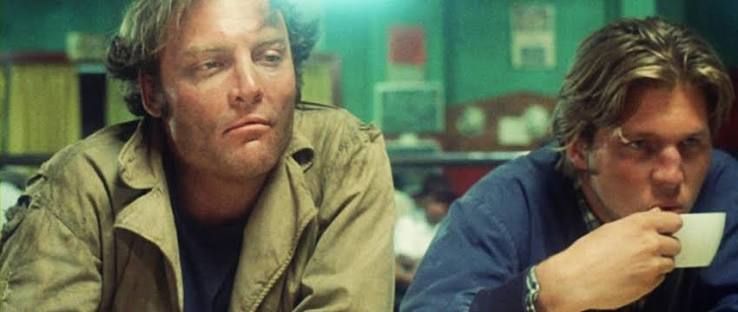
He was amazing as a washed-up pug of a boxer in John Huston’s classic “Fat City,” paired with Jeff Bridges and also memorable for featuring Nicolas Colasanto (“Coach” on “Cheers”) as their trainer. He’d been the hilariously nasty albino outlaw “Bad Bob” in Huston’s “The Life and Times of Judge Roy Bean.” The man’s range was unmatched.
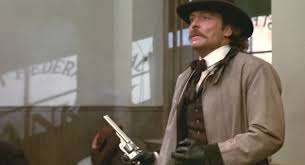
My favorite film of his was the Western he and his brother James Keach nursed to life, cast with the Carradine, Quaid and Guest brothers and got action auteur Walter Hill to direct. “The Long Riders” was the greatest Western in an era where they’d gone completely out of style.
I grabbed the last chance I had to interview Keach when Alexander Payne’s forlorn masterpiece “Nebraska.” June Squibb had a late-life breakout performance in that one. Bruce Dern had his best shot at an Oscar for that one, but Keach made a memorable, venomous and equally aged foil and tormentor to the tale’s demented, creaky “hero.”
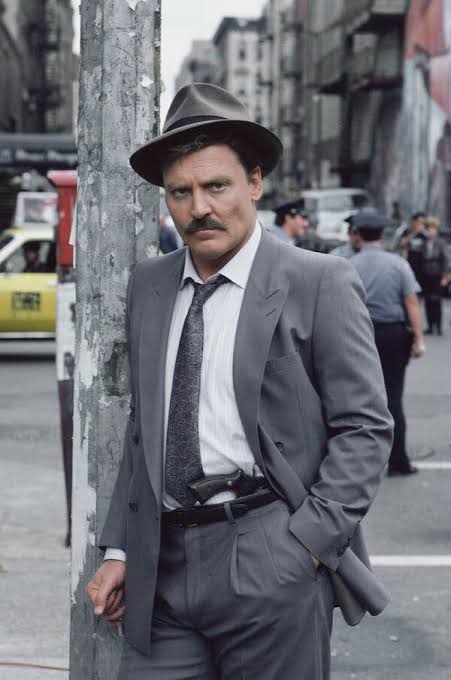
No doubt about it, the best TV “Hemingway” and definitive “Mike Hammer” was one of the great ones. Rest in peace.