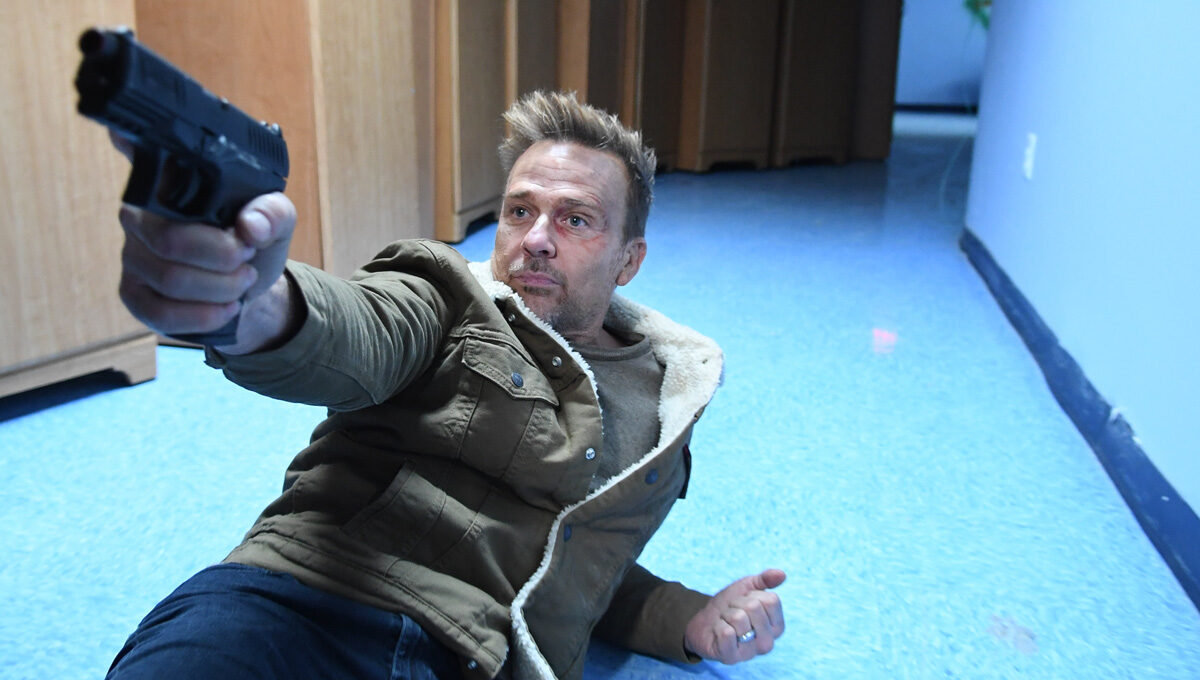
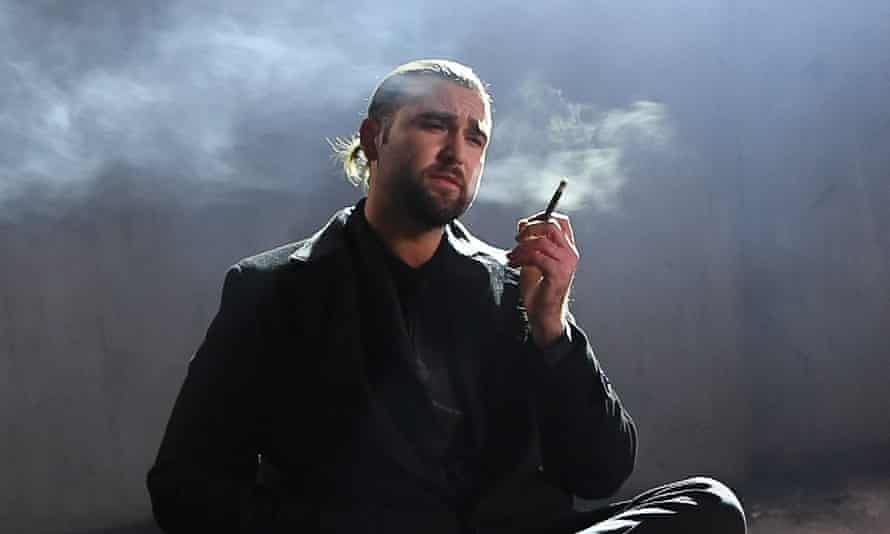
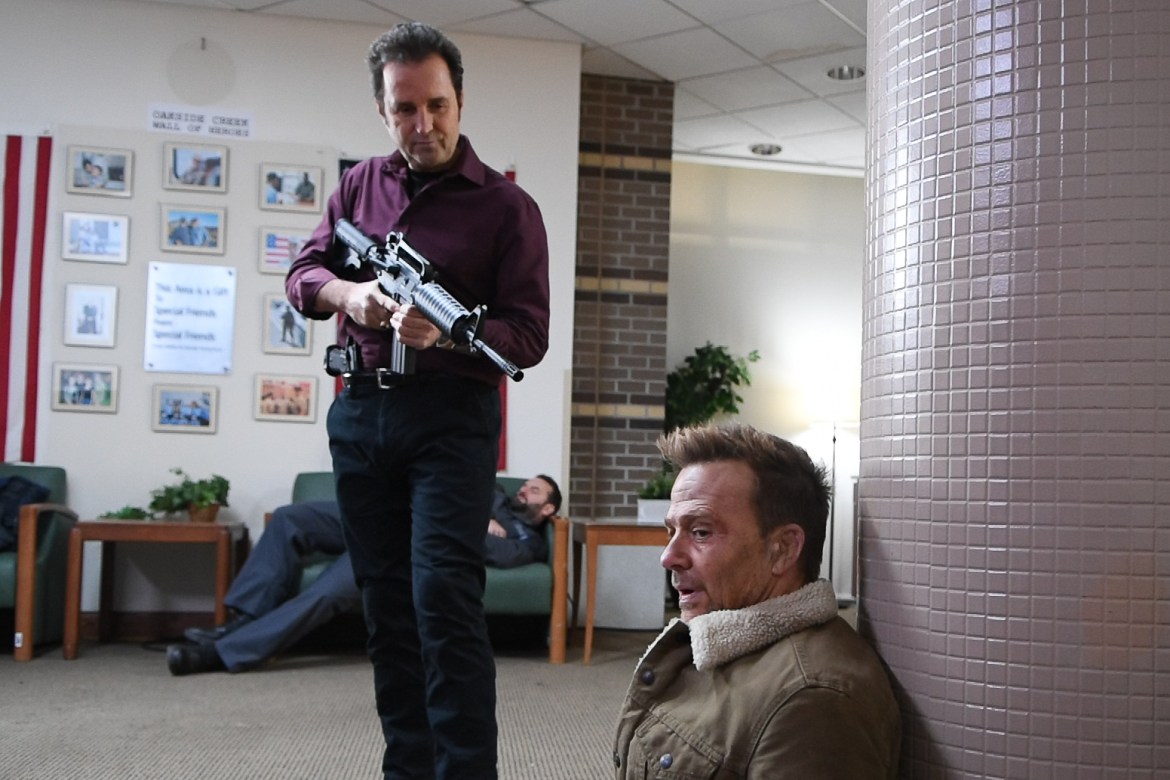
It’s Sean Patrick Flanery vs Nicolas Cage’s son in “Assault on VA-33,” a half-hearted, half-assed “Die Hard” in a VA hospital shoot-em-up.
“Boondocks Saints” alumnus Flanery, emerging as the ginger-haired B-thriller (sometimes C) rival to Frank Grillo, plays a battered, traumatized and triggered veteran who stumbles into a plot to kidnap a general, shoot a bunch of people and free a Russian mobster/terrorist’s “baby brudder.”
Weston Cage Coppola has little of the “unstable” allure of his crazy-when-he-needs-to-be dad as the villain who has planned this caper to free that sibling, but eez saddled with barely-competent henchmen, and one zeriously zilly accent.
“Eye vish eye vas dealink vith professionals…Eef you are goink to do zis wit brutality, make sure eet ees focused.“
Daddy teach you that?
Gina Holden is the VA psychotherapist wife of our hero, one of the hostages. And Michael Jai White is the skeptical suburban police chief who takes a LOT of convincing before springing into action, if that’s the right word for it. “Black Dynamite” needed a lot more to do here.
And he’s not alone. The fights are walk-throughs, the extras telegraph their beatings/deaths and the director Christopher Ray, famed for “Two Headed Shark Attack” and “Dick Dickster,” loses track of our hero for most of the first two thirds of the movie.
He’s all about the bad guys, who joke around, execute people, are sloppily seal their fates as if they’re upset they were dragged out of the hair salon for this.
Pretty bad show, all around.
MPA Rating: R for violence and language
Cast: Sean Patrick Flanery, Michael Jai White, Gina Holden, Weston Cage Coppola, Brittany Underwood, Rob Van Dam
Credits: Directed by Christopher Ray, script by Scott Thomas Reynolds. A Saban Films release.
“A Week Away” isn’t the most original idea for a movie. A summer camp comedy? At church camp?
But making this a musical and thus one of the most ambitious “faith-based” films in years, mark this “Week” down as a “really good idea” for Netflix.
Shot in and around Nashville, with tunes ranging from borderline insipid to covers of Amy Grant and Michael W. Smith’s biggest hits, with just a whiff of autotune from the fresh-faced cast, it reminds us there are still audiences for Netflix to make inroads with.
It’s not edgy enough for kids looking for “Kissing Booth” and the sexier Joey King fare of previous years. The laughs are cornball and the performances are diabetic coma sweet. But “wholesome?” Relentlessly upbeat and apolitical? Give’em that.
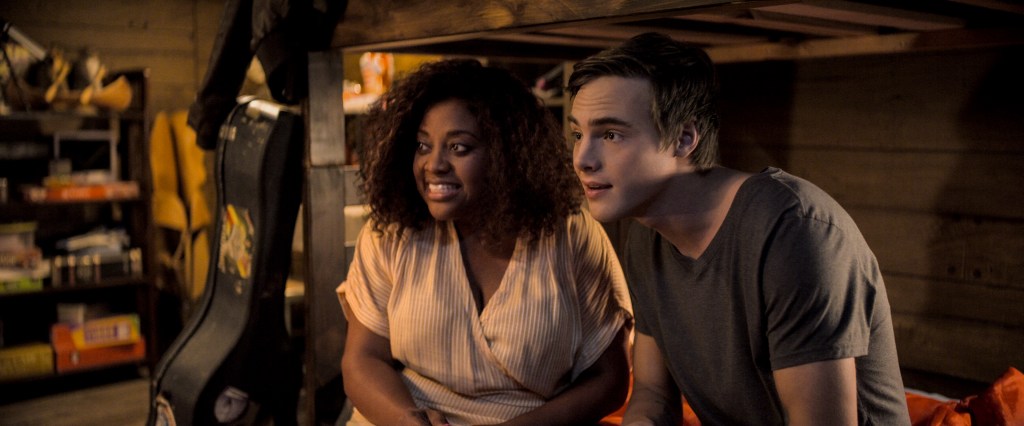
Will (Disney Channel vet Kevin Quinn) is an orphan punk on his way to “juvie,” when he’s given one last chance with Kristin (Sherri Shepherd) and son George (Jabril Cook) at Camp Aweegaway (subtle).
Camp director David (David Koechner, taking a stab at playing PG) is into “Braveheart” campfire ceremonies and “Apocalypse Now” references.
“I love the smell of PAINTball in the morning!”
As the camp is assigned tribes — Crimson Angel, Azure Apostle and Verde Maximus) –Will gets sweet on the director’s daughter (veteran child actress Bailee Madison), lies about his background and tries to coach George into making time with cute “Jesus Freak” (Will’s term) Presley (Kat Connor Sterling).
“I’ll never be the guy who gets the girl,” George whines. “I’m Ducky.” He needs a “John Hughes makeover montage” to have a shot.
The kids trash talk/rap their tribal rivalries — “Red’s gonna beat you, Red’s gonna score, Red’s gonna BEAT you, God LOVES us more!”
The kids do what kids do in such syrupy summer camp (PG) romances. There’s a little melodrama, tears, a crisis of faith.
At least the adults take a shot at bringing the funny. Shepherd does that bug-eyed freak out thing she does so well.
“I will COME at you with the WRATH of God!”
All of which add up to nothing much that’s fresh to see or hear here, a near miss. But that doesn’t mean the intent isn’t smart. A couple of better tunes, a more original setting and performances with more POP than “pop” and Netflix could serve another niche Hollywood is struggling to reach.
MPA Rating: TV-PG
Cast: Kevin Quinn, Bailee Madison, Jabril Cook, Sherri Shepherd, Kat Conner Sterling, Iain Tucker and David Koechner
Credits: Directed by Roman White, script by Alan Powell and Kali Bailey. A Netflix release.
“Voices” opens with a moment of what looks like torture porn — two women, strapped down or strung up, trapped by some unseen tormentor.
But that fictive present is abandoned for most of the rest of this sleepwalking, sleep-inducing thriller. As director and co-writer Nathaniel Nuon wrestles with child abduction, the unquiet dead and the torment of a blind psychotherapist who hears them, the single word that comes to mind is “adrift.”
It’s a horror tale of of limited chills, or attempted chills, unnecessary scenes giving the leads more chances to show off their good looks and limited skills.
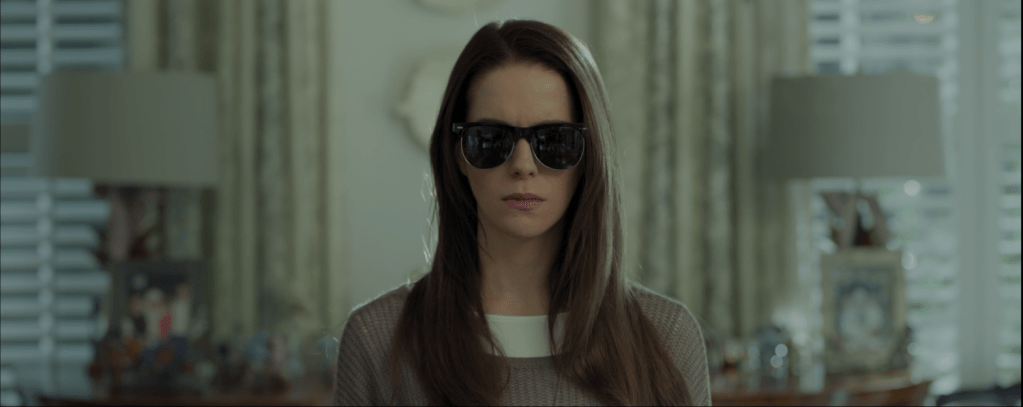
Lilly (Valerie Jane Parker, tentative and remote) is a Mobile, Alabama shrink whose latest patient — a little girl who lost her mother — takes her back to her similar childhood experience, the accident that killed her mother and made her blind.
Flashbacks to her youth and dating years, which led to her marriage, feature Chloe Romanski and Jenna Harvey playing her at different ages, flashbacks that tell adult Lilly what she apparently forgot or never picked up on.
Her various “imaginary friends” as a little girl were ghosts, one even tricked the blind girl into playing “tag,” which wound up with her nearly drowning in a pool.
She experienced other moments where she was aware that something unnatural was in her presence, sometimes warning her not to get into this stranger’s car, other times less benign.
And now that’s happening again, more “voices.” Luckily her craziest patient (Jo Ann Olivera) is there to assert that “I have a gift” and the Lilly does, too. The unquiet dead are reaching out to her for some reason.
“I wouldn’t wish this on anybody,” Lilly complains, as she’s approached by a ghost who lost a baby and dreams of a naked old perv crawling under the covers with her.
As we work our way clumsily back towards that opening scene of peril, the picture drifts into childbirth classes and pervert come-ons and flashbacks within flashbacks — many involving the aunt who raised her (Ashley Bell) and way more detail about Lilly’s teen years than “Voices” needs.
She’s almost certainly expecting too much when she makes that first call.
“Hi Dan. I just wanted to say that I’m OK and that I’m back now.”
Knocking on his door just confirms it.
You can’t “just show up,” Dan barks. “That’s not how it works.”
And your daughter, “our” little girl? “She doesn’t remember you.”
“Like a House on Fire,” a quiet, downbeat and deflating drama from Canada is about a marriage interrupted, in Dara’s eyes, a marriage permanently broken in Dan’s.
Something — post partum depression, manic depression — made Dara (Sarah Sutherland of “Veep”) run away from Dan (Jared Abramson) and their infant daughter, Isabel. Now, two years later, the wayward wife has returned with some notion of everything going back to “the way it was.”
But whatever it was that made her flee, Dan took it hard. And he’s not taking her turn well, either. When Dara meets Dan’s new live-in love ( Dominique Provost-Chalkley), she’s taken aback. The fact that Therese is seven months pregnant pours salt on the wound.
We can see what she does. Dan didn’t waste any time.
But what Jesse Noah Klein’s quietly understated drama makes clear is that Dara gave everybody reason to think this rupture was permanent. The way her dad and stepmother (Michael Buchanan and Amanda Brugel) walk on eggshells around her, the pity and “understanding” in Therese’s voice all underscore just how “not yourself (Dan’s words)” she was.
And nobody wants to provoke that sort of behavior in her again.
“I’m just trying to help. I’m on your side.
We don’t know where Dara went — a mental hospital, probably. But as this movie progresses we get a taste of her mood swings, her panic attacks, her impulsiveness (making out with a teenager), her intensity of feeling.
“Everything felt wrong because ‘I’ did it,” she narrates to Isabel (Margaux Vaillancourt ), now four and wondering who this off-putting stranger is. “I loved you so much that I forgot to breathe. And then I ran out of air!”
Not a lot happens in “Like a House on Fire,” not a lot as in “not quite enough.” But Sutherland — Kieffer’s daughter, Donald’s granddaughter — makes the subtle shades of pain ache and Dara’s mystery well worth exploring in a story that feels too real to distance yourself from.
MPA Rating: unrated, violence, adult themes
Cast: Sarah Sutherland, Jared Abrahamson, Dominique Provost-Chalkley, Amanda Brugel, Michael Buchanan and Margaux Vaillancourt
Credits: Scripted and directed by Jesse Noah Klein. An Entract/Gene Theory release.
If you remember your documentaries, you’ll recall that a certain Detroit singer was huge in South Africa in the late ’70s and onward. It’s still a little jarring for a 1981 period piece to confirm that, soldiers cleaning their rifles and singing this by heart.
A broken-hearted guy not quite getting over a breakup lets us see his pain, his world and what’s funny about it in this April 30 release from Samuel Goldwyn.
“Moffie” is a South African “Full Metal Jacket,” a drama about the dehumanizing nature of combat training, the need to turn “soft” conscripts into unquestioning killing machines and an arm of foreign policy and the psychic cost that can have.
But this early ’80s period piece is about South Africa under Apartheid. The troops are training to fight “communism” on the border of Angola, a former Portuguese colony whose civil war included communists, and which South Africa was hellbent on “containing.”
And the sensitive young man hurled into this environment of violence, virulent racism, bullying and intimidation is never going to “fit in. Because “moffie” is a South African slur for “gay.”
Kai Luke Brummer is Nicholas van der Swart, whose last night “free” is a party in his honor, one in which he confides to his mother (Barbara-Marié Immelman) that he’s “plotting my escape (in English and Afrikaans with subtitles).”
Every white 16 year-old male in the country was being summoned, and the prep school “English” kid who looks like a blond Eddie Redmayne has no way out. Can he keep his head down and pass muster?
He makes a friend of a fellow recruit (Matthew Vey) on the train to training camp, recoils from the racist hooting and brutality that spills off the train at Black Africans they see along the way, endures bullying from his comrades and actual abuse from his sadistic, foul-mouthed drill instructor (Hilton Pelser) and tries to avoid being labeled a “moffie,” and a fate worse than merely washing out — “Ward 22.”
That’s where they send those who crack-up or are outed as gay.
South African filmmaker Oliver Hermanus (“Beauty”) takes the classic structure of the boot camp drama in all its brutality, climaxing with that “first test in combat,” and blends in Vietnam-like “unpopular war,””racism” and the dangers of being a closeted homosexual in that era into the mix.
He plays up the homoerotic nature of military service — a single-sex environment of young men, exercised to a high level of fitness, shirtless at work and showering in groups — and parks a recruit whom we learn has some idea already of who he is into that.
That’s the secret Nicholas must keep in a place where revealing that could lead to beatings or worse. The stress and trauma of all this breaks one comrade in a very “Full Metal Jacket” way.
Hermanus, who co-wrote the script, gives short shrift to the nature of Late Apartheid racism here, with just a single, bitterly-poignant scene carrying that part of this “nothing heroic about it” story.
And the film’s training flirtation that begins in a fox hole? That’s just so on the nose.
But “Moffie” makes for a fascinating variation on a well-worn theme. And Brummer, bringing a stoicism to this “no place for a sensitive young man” experience, let’s us appreciate who Nicholas is and just what sort of mettle a man had to have just to endure that and survive.
MPA Rating: unrated, violence, drug abuse, nudity and profanity
Cast: Kai Luke Brummer, Matthew Vey, Ryan de Villiers and Barbara-Marié Immelman
Credits: Directed by Oliver Hermanus, script by Oliver Hermanus, Jack Sidey An IFC release.
Young love is tested by illness and honesty issues in “Caught by a Wave,” a scenic Italian romance set against a sailing backdrop.
The leads are pretty and the locales romantic, but the scenario is generic and the pacing funereal in this dry-eyed weeper of rehab and regattas.
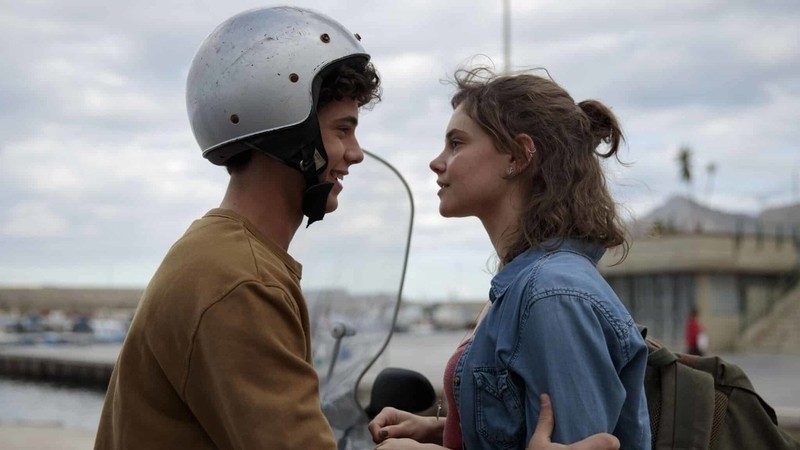
Sailing camp on the isle of Favignana is where Sara (Elvira Camarrone) meets Lorenzo (Roberto Christian). She’s a bit more confident than the other kids, more at home in a Laser racing dinghy than the newbies. He’s been to the camp many times, and is now an expert dinghy racer (29ers) and assistant instructor.
He comes on strong and cute, she plays it coy. “Let him suffer, no matter what” her BFF Barbara (Sofia Migliara) instructs (in Italian with subtitles, or dubbed into English).
But Sara has a secret, one that enters the picture the moment she cramps up one day on the water. Back home, she has another episode and we learn the truth from the doctor who puts her into rehab. Her “inevitably degenerative muscular dystrophy” has advanced. This doesn’t bode well for her future, much less any future with Lorenzo.
How long will she keep this from him?
Second-unit director Massimiliano Camaiti makes the sailing scenes pretty and pretty exciting in his feature directing debut. And the script, which he co-wrote, has its touching moments. Lorenzo lost his mother as a child and taking on a relationship with doom hanging over it gives him a struggle, if less of one than Sara, who sees the future of her disease in her fellow rehab patients.
There isn’t much edge here, but teens hospitalized after a rave and a helpful aunt teaching Lorenzo how to light a cigarette aren’t elements you’d see in your typical North American teen romance.
The cute bits aren’t quite enough to merit ducking into this Netflix original. But the lovely setting and the romance might decide that for some. And who, when facing a grim future, wouldn’t want to hear something this reassuring from your first love?
“I’m with you, and it’s the best thing that could ever happen.”
MPA Rating: TV-14, teen sexuality, teen smoking, drug abuse and alcohol consumption
Filmgoers tend to assume they’re watching “the director’s cut” of pretty much every movie we see. But despite having the job title that suggests final arbiter of “my film,” that’s often not the case. Producers and studio execs are shorten and reshape movies to suit their own commercial instincts all the time.
I didn’t see “Mapplethorpe” when it dribbled out a couple of years back. It came and went without a thought, so why not give director Ondi Timoner another crack at it? I mean, if Zack Snyder gets $75 million do-overs, what’s the harm?
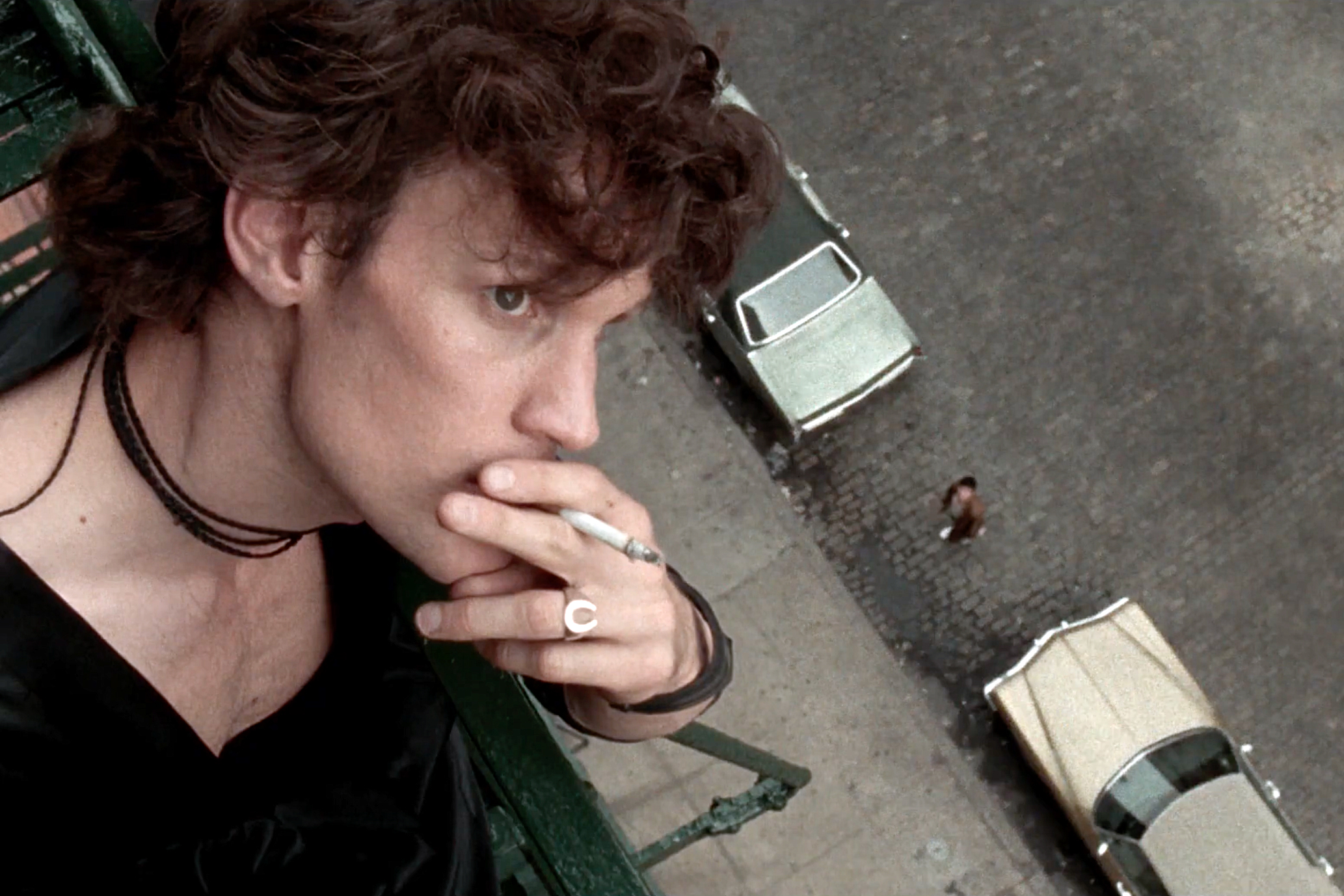
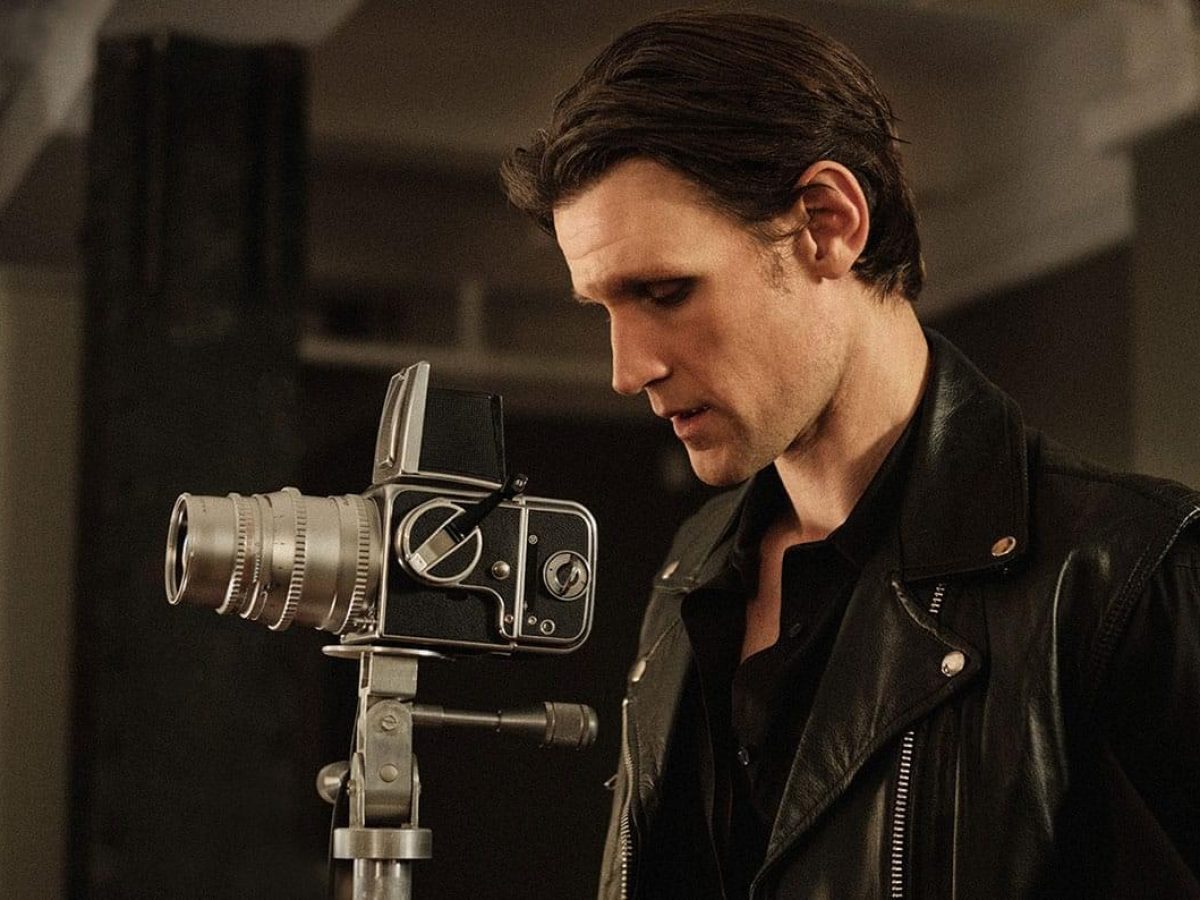
Timoner, a documentary filmmaker (“Dig!,” “We Live in Public” and the climate sell-out “Cool It” were hers), added 12 minutes to the film for its re-release. What we see on the screen now is more of former “Doctor Who” Matt Smith‘s spot-on American accent and solid impersonation of the controversial photographer/artist/provocateur. But the film is a choppy series of sketches and snapshots that don’t really take us inside the man’s head.
The framing device, a tweenage Mapplethorpe (Logan Smith) taking his Kodak into a cemetery and then the family’s Catholic church, shooting arresting (perhaps homoerotic) closeups of the iconography in the stained glass, statuary and Christ on the Cross, hints at a “theme” to the man’s life’s work.
He was looking at religion in a way sure to provoke his humorless engineer father (Mark Moses).
But there was a lot more to Mapplethorpe’s eye, a photography of striking contrasts between darkness and light, still-lifes that stand-out, and yes, a fascination with nude males and sexual organs, homosexual sex and the BDSM world of New York in the post-Stonewall ’70s.
His screen biopic feels malnourished, almost from the start. There was no money for an impressive supporting cast, so his first love/first muse, punk poetess Patti Smith is played by the little known look-alike (sort of) Marianne Rendón of TV’s “Imposters.” The best-known supporting player is veteran character actor John Benjamin Hickey, who plays Sam Wagstaff, the gay collector who became Mapplethorpe’s lover and biggest backer, launching him to fame.
In tracking Mapplethorpe’s rise concurrent with Smith’s rising status as a punk icon, none of Smith’s music was licensed, no effort was made to show her performances, some of which Mapplethorpe attended.
And the late life controversy, which put him in the spotlight in his last year before dying of AIDS, feels skimmed over.
What Timoner spends her screen time on is the sexual part of Mapplethorpe’s journey, that gift, from a new artsy neighbor (Tina Benko), of his first Polaroid camera, the pursuit of men to model for him as he made jewelry to help support himself (Smith carried the financial load), his first seduction by such a model (Thomas Philip O’Neill) on through his days haunting New York’s gay bathhouses, photographing the leather boys cavorting within.
A friend nicknames him “The shy pornographer,” and there’s plenty of rejection from the “gatekeepers” of the New York art world before Wagstaff meets him and becomes his champion.
Notoriety turns to fame and that leads to celebrity portraiture — most famously, Schwarzenegger, Roy Cohn, Debbie Harry, Andy Warhol. And along the way, his brittle relationship with his family is trotted out just often enough to remind us of the original rejection, by his Dad.
Here’s how the script handles the passing parade of the ’70s and eqarly-80s. Mapplethorpe to Patti — “Did you write a song I can dance to, yet?” She never did.
Patti to Mapplethorpe — “Did you hear about Jimi?”
“Janis and Jimi, so f—–g sad.”
“Let’s go down to the Stonewall.”
There’s just enough of the art to remind us that he had talent beyond the mere ability to stir up controversy. And Smith gives us just enough of the artist’s arc — “rebel” in the military corps at the Pratt Institute (he dropped out), to enthusiastic and poor up-and-comer to jaded and arrogant, rich and famous — to keep us interested.
But there’s no flow to the film. The episodes feel like abrupt stand-alone scenes, each meant to carry the story forward, but not really connecting to each other organically.
I’m glad Timoner got another crack at this “Basquiat-ish” life. But this “director’s cut” doesn’t appear to have done the film or its subject any favors.