
Sort of a creature feature of the “Don’t TOUCH that” school.
“Old Strangers” releases Jan. 11.
Sort of a creature feature of the “Don’t TOUCH that” school.
“Old Strangers” releases Jan. 11.
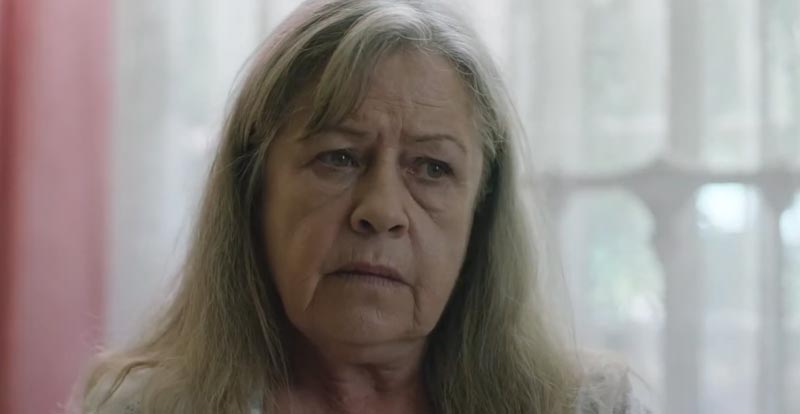
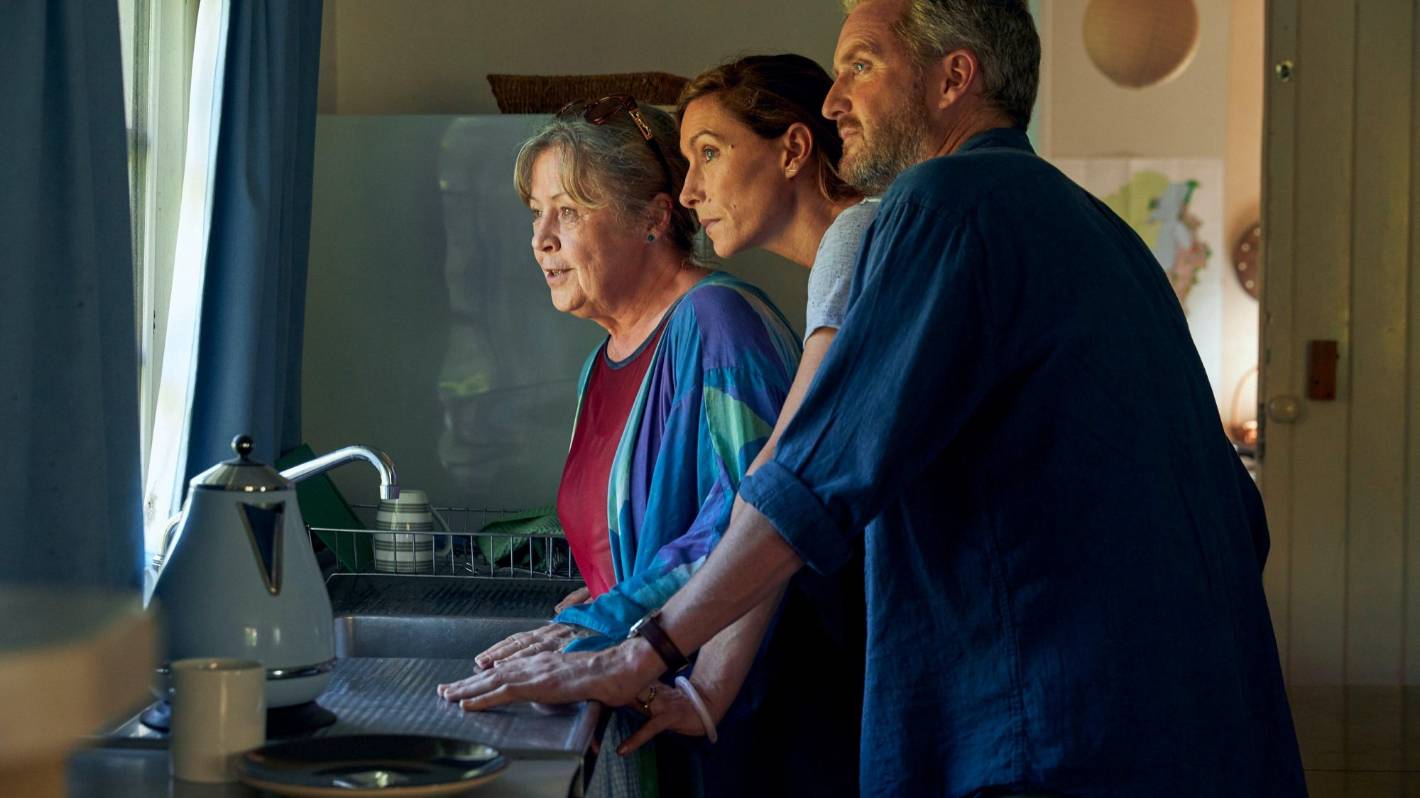

One of those performances you just lose yourself in carries off “June Again,” a sweet and sentimental portrait of dementia, and the “paradoxical lucidity” that gives some sufferers a short respite from the memories, manners, skills and knowledge that disease has stripped from them.
Veteran Australian character actress Noni Hazlehurst is a window into June Wilton, the woman she’s been for five years since a series of strokes left her with vascular dementia — her memory shot, her grasp of time, the present as opposed to the past, unstuck — and the woman she once was.
Hazlehurst, of such recent Oz films as “Ladies in Black” and “The Mule,” lets us see the lost soul June is, the pushy, outspoken bulldozing matriarch she once was and the flashes of panic that cross her face as she feels her “temporary lucidity” about to leave her, perhaps for the last time.
It’s marvelous work at the heart of a story about second chances, making amends and maybe fixing the family world that she slowly figures out has “gone to pieces” since her strokes five years before.
Writer-director JJ Winlove’s debut feature takes us into a life interrupted and the mad dash to take in all that’s happened to her two children, her grandchildren and the family business since she “went away.” While it has a familiar feel that makes this story quite predictable, Winlove trips up expectations by simply erring on the side of “Let’s be realistic,” often as not. And through it all, his star keeps us involved.
When we meet her, June is having trouble distinguishing reality from the flashbacks that come, unannounced, reminding her of relatives who have visited and a romance of long ago. She’s well-cared for at Winburn Rest Home, doted on by the staff whose names she can’t recall. Her doctor (Wayne Blair) makes little headway in even the simplest tests in his evaluations.
“Try to read this and do what it says,” he says. She can’t quite plumb what “Close your eyes” means and what she must do.
She’s pleasant enough, befuddled about forgetting her room number, the combination to the door leading into the yard. But she’s lost. Until one day she isn’t.
“Where the hell AM I?” The staff is startled, but they’ve seen it before. They scramble to get her family over here for this little patch of lucidity. June “does a runner” with the aid of a sympathetic cabbie.
“It’s like a prison in there, the decor ALONE…”
But the house she goes back to has been sold, even though she’s able to steamroll the ballerina-dressed child practicing her violin (“Debussy’s First Arabesque!” June enthuses, recognizing it.) who now lives there into giving her some of her mother’s clothes. The furniture’s long gone, even June’s treasured dresser.
And her daughter and son seem more guarded than delighted at this turn of events. Ginny (Claudia Karvan) endures her “You couldn’t wait until I was in the GROUND?” protests about the house and furnishings, and is helpless as willful June storms back into the family wallpaper business that seems to have gone to ruin. Ginny isn’t wholly forthcoming about the reasons she and her brother Devon (Stephen Curry) are no longer on speaking terms.
As the day unfolds, June learns of the tragedies and trials that her own tragedy kept her from learning about, and presses on with plans to fix things before she loses it again.
“Is there ANYthing that hasn’t fallen apart in this family?”
Winlove largely avoids “cute” in telling this story of June’s journey from oblivious to sentient, only to realize she was another form of “oblivious” back when she was ruling this clan and putting everybody in a position of wanting to please or just appease her.
“Who taught you to hug?” she wants to know of one of her obviously emotionally-stunted kids.
“YOU did!”
There are hints of “The Notebook,” “The Father,” “Still Alice” and “Still Mine” and every other movie about dementia, and even a whiff of “Awakenings” to this bittersweet “Flowers for Algernon” story of the ebb and flow of awareness.
But Winlove is content to keep his story simple and leave the film in the hands of an actress who makes June not just pitiful and sympathetic, but a real piece of work who did a number on her family long before her illness came along and broke their hearts.

Rating: unrated, some profanity
Cast: Noni Hazlehurst, Claudia Karvan, Stephen Curry, Nash Edgerton, Wayne Blair and Otis Dhanji
Credits: Scripted and directed by JJ Winlove. A Samuel Goldwyn release.
Running time: 1:39
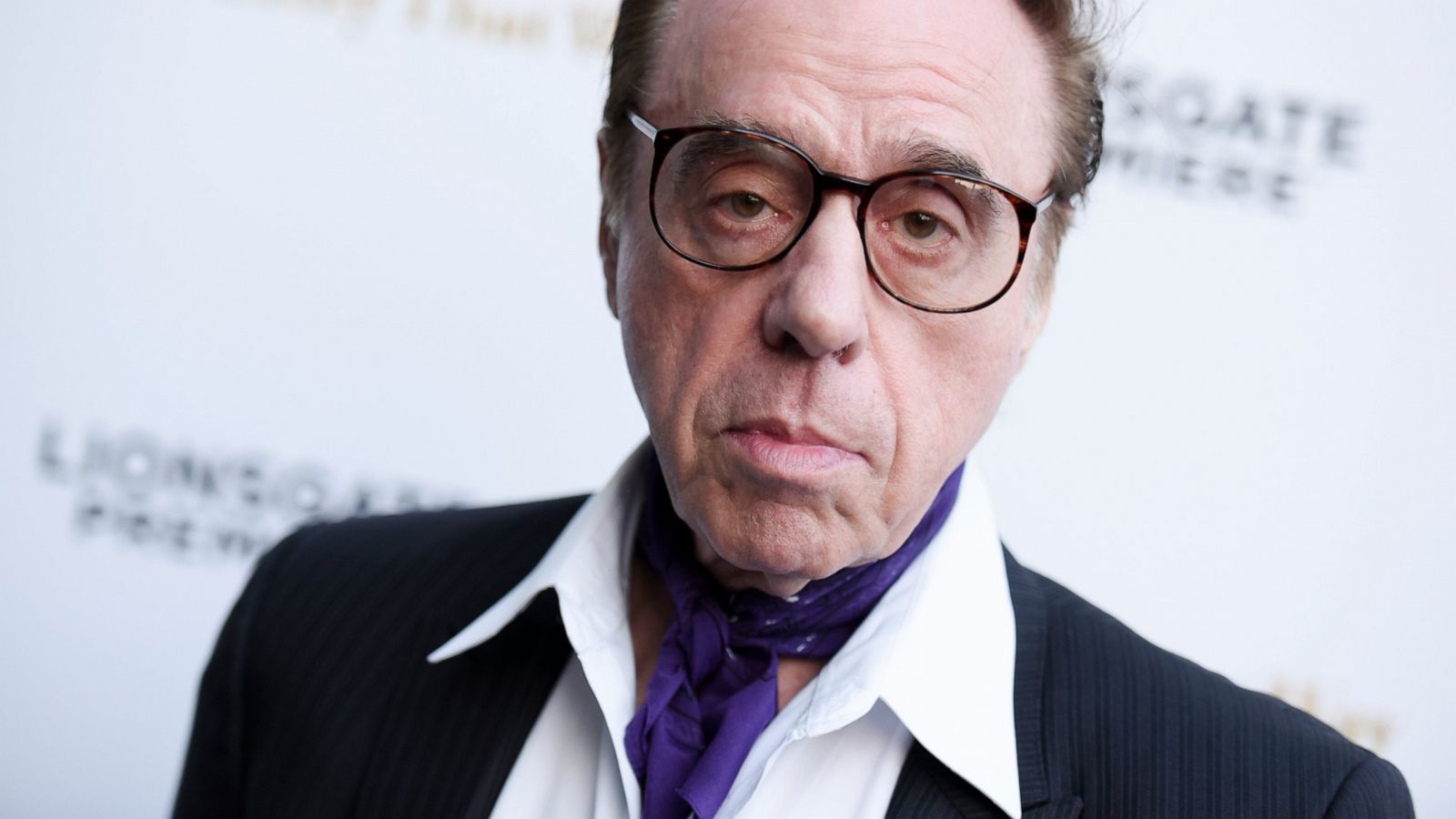
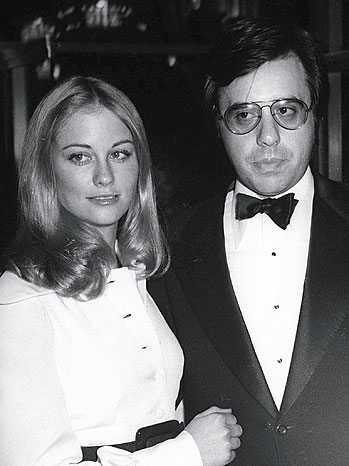
Critic and essayist turned documentary and then feature filmmaker, a director of “The Last Picture Show” and “Paper Moon,” specializing in nostalgia and homages to the past, a star director who wrecked his career in all sorts of personal, stupid and even tragic ways, there are a lot of reasons to recognize and remember Peter Bogdanovich, who died today at the age of 80.
In hunting down photos of him to do a remembrance, I see some wag’s piece of a few years back that refers to him as “Hollywood’s Favorite Flop.” Oh yes, that fits. He ditched the writer/producer/sounding board wife, Polly Platt, who helped make him a success and took up with starlets, from Cybil Shepherd to Miss “Star 80,” Dorothy Stratten.
He over-reached with his dips into screen nostalgia and struggled, like his longtime friend and mentor, Orson Welles, to stage a comeback. He even managed one, the nostalgic Old Hollywood murder mystery “Cat’s Meow.”
He acted, playing film directors like himself as often as not. He was a hoot on “Northern Exposure,” for instance, playing a version of himself as that director who made it to every film festival that invited him.
And he stayed in the public eye as a critic, historian and enthusiast for the cinema. “Favorite flop” or not, he made a difference.
I talked to him many times over the years, about his Orson Welles biography “This is Orson Welles” (His publisher sent critics cassette copies sampling the taped interviews, which I thanked him for profusely and told him I’d treasure forever. His reply? A droll, “And I knew you would.”), about “Paper Moon,” which he showed at the Florida Film Festival and did a Q & A about, and even about “Cat’s Meow.”
He’d pass on gossip and impersonations — of Cary Grant, whom he knew, and Hitch and Orson. He’d give grooming and fashion tips, always with a hearty helping of fun name dropping.
“Never button your shirt sleeves,” he said, citing Audrey Hepburn’s advice. Gives your arms a “willowy” look when you walk. “Never touch your face with anything but water,” Cary Grant advised, and he passed on.
Below is one of those chats, just a catching-up with a film buff’s film buff, a filmmaker who was an even bigger cinema fan than his more successful doppelganger, Steven Spielberg. This piece came from 2007.
Starting off with the thrilling sniper at a drive-in thriller which gave Boris Karloff a last moment in the spotlight (“Targets”) Peter B. wasn’t everything he might have been. But he had a pretty good run and made an eloquent spokesman for Hollywood history, Orson Welles and the cinema’s Golden Age.
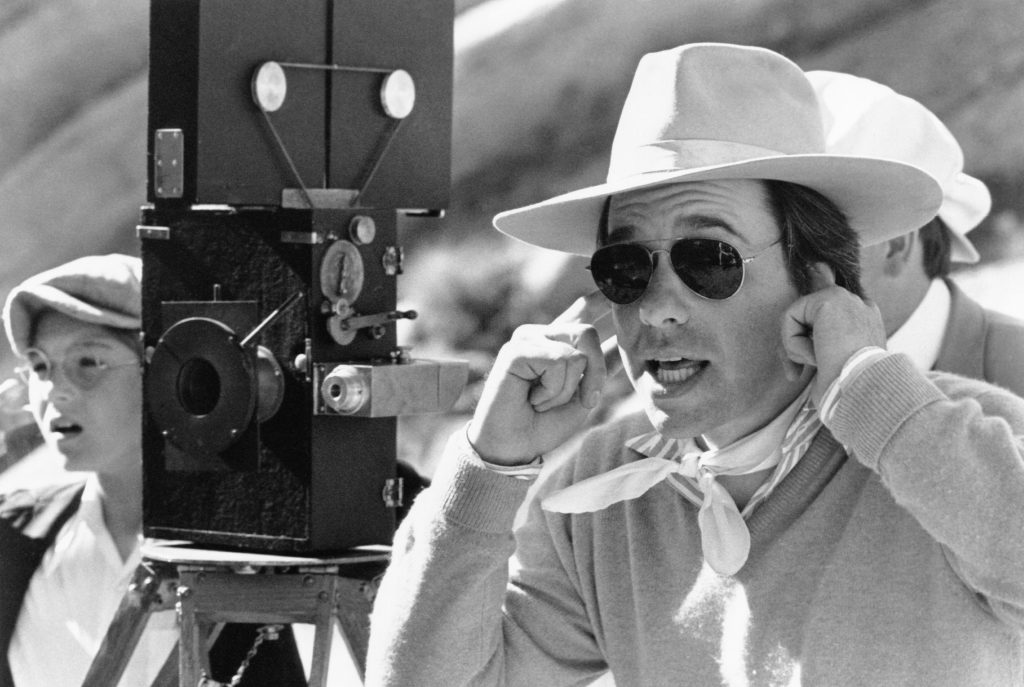

There’s a Tom Petty rockumentary to finish and a possible film project, “The Broken Code,” about a real-life scientific stink over the secrets of DNA.
He appears in the upcoming films “The Dukes “(with Chazz Palminteri), “The Fifth Patient” and “Humboldt County.”
But active on-screen and off-screen career aside, Peter Bogdanovich, a former “boy wonder” of the cinema has, in many ways, gone back to his roots. At 67, he has become a guardian of the cinema’s history. This student actor-turned-curator and film journalist-turned-director is once again focusing on the thing that first brought him fame — preserving and honoring the filmmakers of the past.
Before directing “The Last Picture Show,” “What’s Up Doc?,” “Mask” and “The Cat’s Meow,” he was, film scholar David Thomson notes, “a valuable, French-inspired critic who insisted on the director as auteur [author of the film], so much so that many Americans began to take directors more seriously because of what he wrote.”
Today, Bogdanovich hosts a classic movie channel for online-movie service ClickStar (cstar.com). He has written extensively on his friend and mentor Orson Welles. And he is in talks to edit Welles’ last, unfinished film, “The Other Side of the Wind,” tied up in French courts for more then 30 years.
“It’s like Bleak House,” Bogdanovich jokes. “It just went on and on and on.”
Bogdanovich is this year’s recipient of the Florida Film Festival American Visionary Award. Friday night, his Oscar-winning Dust Bowl comedy, “Paper Moon,” will be shown at 6:30 at the Enzian, followed by a Q&A with the director.
“That was a tough picture,” he says of “Paper Moon.” “Personal problems between my ex-wife, who was working on the picture, too, and me. Making a picture with an 8-year-old lead [Tatum O’Neal, who won an Oscar] was tough. She didn’t know how to read yet, much less act. She was adorable, but she wasn’t a pro. I was so anxious to finish it and get out of there that we came in four days under schedule.”
Bodganovich has always been known for a fondness for nostalgia, both in subject matter and in style. He has made period pieces, 1930s-style screwball comedies, an acclaimed tribute to filmmaker John Ford and an old-fashioned Cole Porter musical.
One thing he hasn’t done before is a music documentary. His Tom Petty film is a music story and a Florida story. It “begins in Gainesville and ends in Gainesville. We looked at a five-hour cut the other day, a little long. But Marty Scorsese spent three and a half hours on just six years of Bob Dylan’s life. We’re trying to cover 30 years of Tom Petty and the Heartbreakers, a very interesting story, drama, tragedy, personality conflicts, humor. Guys who grew up in Gainesville, went to L.A. to try and make it in the record business. And they did.”
The Orson Welles project is another visit to the past, one he shares with the great filmmaker. In the early 1970s, as his fame was growing, Bogdanovich appeared in and helped Welles make “The Other Side of the Wind,” a movie whose cast included John Huston, Dennis Hopper, Mercedes McCambridge, Edmund O’Brien and Rich Little. A movie about the last day in the life of a legendary moviemaker (Huston), the film’s Iranian backer and Welles fought over the unfinished project, and it wound up in court, and in limbo.
“One day when we were on the set, Orson turns to me and says, ‘If anything happens to me, promise you’ll finish this movie.’ I didn’t want to think about that, or talk about it. But we had no way of knowing it wouldn’t be finished then, or even 10 years later, when Orson died. It fell into the French courts in 1976.
“According to Orson, he shot everything he needed to finish the film except for what he called ‘trick shots,’ effects. The footage with the actors was all done. I haven’t seen all of it, just an hourlong cut of it. So we may do those shots, which would be easier to do in the digital age, or we may not. We’ll try to cut it together in the unusual style Orson intended.
“It was a movie 20 years ahead of its time, at least. It’s amazing how contemporary it is — splintered, fragmented. It was a mockumentary, before there was such a term. It’s important to Orson, to how we remember him, that it be finished. I think it’ll be something extraordinary.”

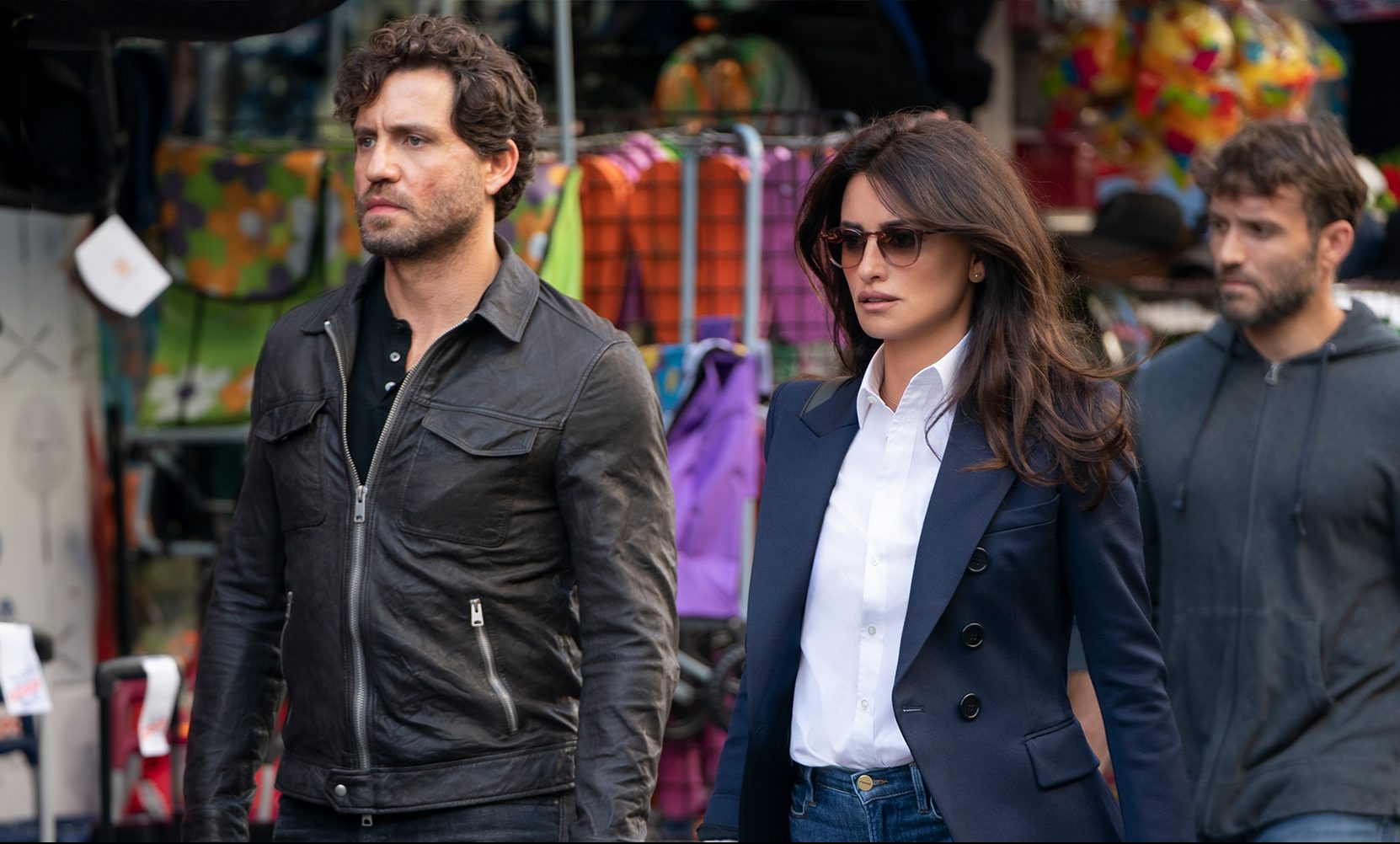

On paper, “The 355” looked a lot better than it turned out. A glossy, fast-moving and violent B-movie, an espionage thriller built around five acclaimed actresses — two of them Oscar winners, another a two-time nominee — this could have been an action romp that decorated every resume in the lot.
But good stunts and the always-cool 360 degree pans of our five furies in action can’t cover for a clumsy, contrivance-filled script and listless direction from the guy (Simon Kinberg) who killed the X-Men franchise. It starts with promise, hits the wall at the one-hour mark and nonsensically goes on and on after its climax.
Jessica Chastain stars as “Mace,” a CIA operative who loses a bag of cash, the device she was supposed to buy, and a partner “with benefits” (Sebastian Stan) in a hand-off followed by a chase and melee in Paris.
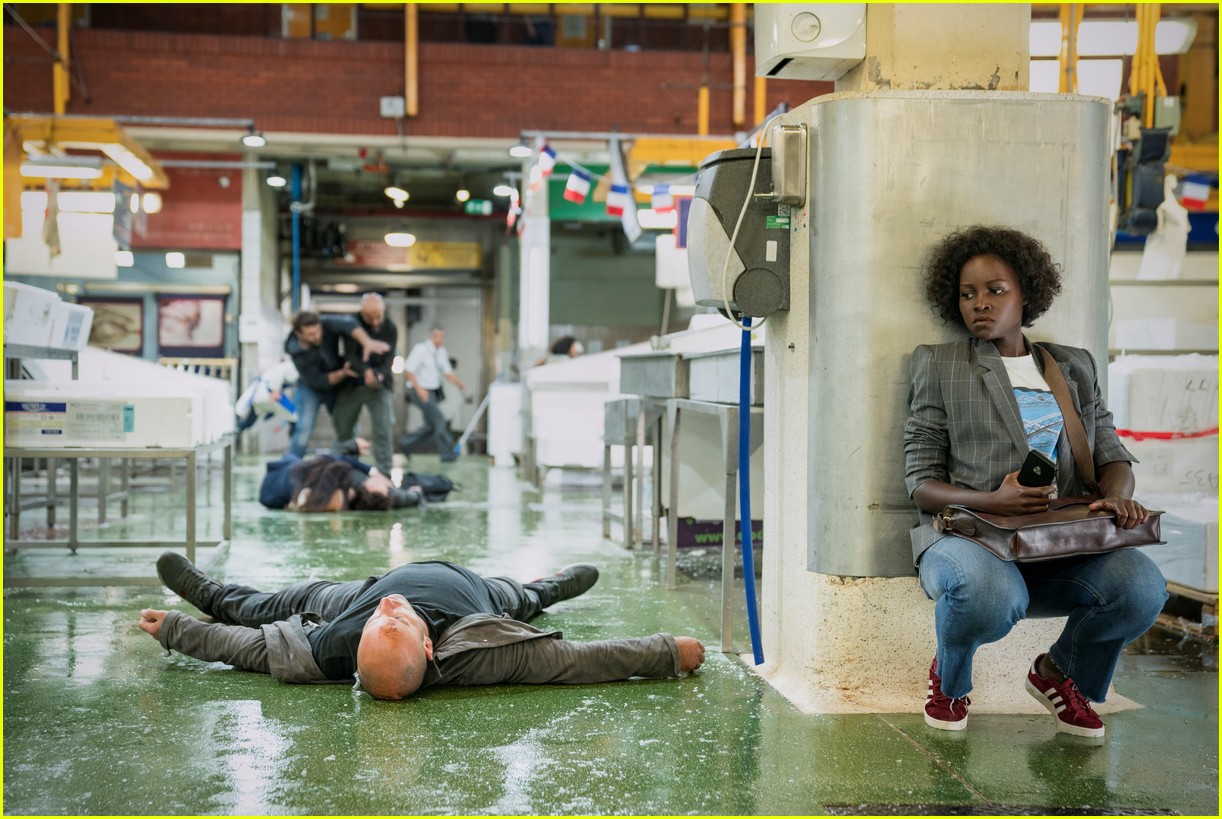
Oscar-winner Lupita Nyong’o is Khadija, an MI6 technological threats expert who used to be a field agent, summoned to give a little off-the-books help to her pal Mace in retrieving a “drive” that is the ultimate hack — from power grids to jetliner, finance and military systems, it’s a classic “They get this thing, they start World War III” movie MacGuffin.
These two, joined by other women somehow mixed-up in this gadget and the hunt for it, spend the entire film getting and losing the cell-phone shaped device. Diane Kruger trots out her action chops and multi-lingual profanity as the German agent Marie, and Oscar-winner Penélope Cruz plays a Colombian secret police shrink named Graciela lassoed in because of the operative (Edgar Ramirez) who first grabs the drive from a drug lord who figures to sell it to the highest bidder.
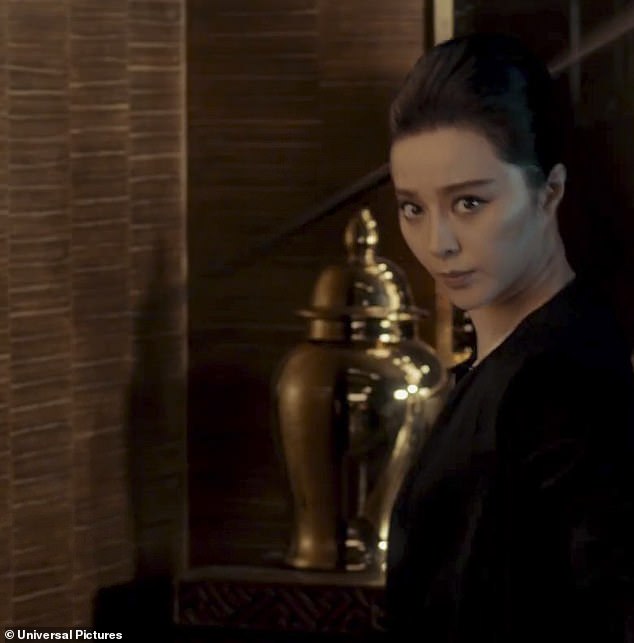
And Bingbing Fan makes an appearance as the obligatory kickass Chinese presence in the chase, which climaxes in Shanghai.
Veteran screenwriter Theresa Rebeck, whose credits date back to TV’s “LA Law” and “NYPD Blue,” director and co-writer Kinberg (“Ex-Men: Dark Phoenix”) and Bek Smith (“Maleficent: Mistress of Evil”) reduce the assorted characters into “types” — Chastain as the chilly, two-fisted professional, Kruger as “the most screwed-up” of the lot, Fan as the martial artist, Nyong’o as the tough-broad peacemaker among the warring factions and Cruz as the “normal person” who cries that “I am not MADE for this.”
The actors, as well as they handle the shoot-outs and fight choreography, never overcome this pigeonholing. The odd bit of “I need to call home” suggestion of a love life/home life, which raises the stakes, doesn’t make the characters any less predictable than the plot, whose only surprises are the eye-rolling detours it takes from what’s logical.
The picture stops sprinting and begins to lurch, with scenes and twists that make no sense and even the title’s explanation — they take their name as a “team” from the code-number of a female spy in George Washington’s employ — slapped on as an addendum.
“January release” or not, it’s still a shame that all this talent, an epic fight in a fish market and some cool shootouts and chases were wasted this way.

Rating: PG-13 for sequences of strong violence, brief strong language, and suggestive material.
Cast: Jessica Chastain, Lupita Nyong’o, Diane Kruger, Penélope Cruz, Bingbing Fan, Edgar Ramirez and Sebastian Stan.
Directed by Simon Kinberg, scripted by Theresa Rebeck, Bek Smith and Simon Kinberg. A Universal release.
Running time: 2:04
Jan 30, we find found out if this is as damning a reckoning as it seems.
On Showtime. Four episodes.
A Feb. 11 thriller of the Liam as a lethal Fed/grandpa who crosses the wrong Deep Staters.
Aidan Quinn is the biggest name among his co stars. Never heard of this distributor so good luck finding it when it comes out.
A hacker’s wife is taken, his government assassin dad may know something about it.
Emile Hirsch and John Cusack star in this Feb. 18 C-movie, with Cusack eschewing his trademark black baseball cap. For once.
This Feb. thriller is about a grieving mom who thinks a neighbor’s child is her own, reincarnated
Love that Riseborough.

The ghost of “Blade Runner” casts a long, gloomy shadow over sci-fi dystopias, all but defining what we think our hellscape future looks like — dark, rainy and overrun with attractive human-looking robots.
They didn’t spend any money on the “rainy” part in “Zone 414,” a half-hearted half-speed no-budget “Blade Runner” knock off.
Guy Pearce, who turns up in so many of these sorts of C-movies that we wonder about his tax bills, child support payments or Bob Dylan/Nicolas Cage mania for constant work to keep whatever demons he has at bay, stars as a private eye sent to track down the missing daughter of a tech billionaire.
The twist? The technology the billionaire (Travis Fimmel, ridiculously over-the-top) developed was androids — skin-covered robots designed for the fleshy pleasures of the super rich and lonely. His daughter Melissa ran off, he figures, to the one “zone” where such semi-sentient machines are allowed to freely interact with humans, Zone 414, aka “Robot City.”
He hires David Carmichael, scarred and callous, an ex-cop who’s seen it all.
“Did you regret what you did?”
“I live with what I did.”
He’s been hired because “I know what’s alive and what isn’t.” That will be handy, as the missing Melissa fled to a place where she was set on passing for an android pleasure bot.
Carmichael, whom we’ve already seen turn a deaf ear to an android (Antonia Campbell-Hughes) reasoning with him and pleading with him to punish the real villains and spare her. We’ve seen him shoot and dissect her as well. He must be the perfect guy to wander into this zone and start asking questions.
“When you don’t like to answer questions,” one pervy habitue (Ned Dennehy, the stand-out in this cast) purrs, “you quickly learn to not ask any.”
His tourguide through this shadowy world is Jane, the scantily-clad popular new model of digital prostitute. She’s played with an emotionless (she’s a machine, remember) drone by Matilda Anna Ingrid Lutz of “Revenge.”
“Why does a machine have an apartment?” Carmichael wants to know, as she’s got fancy digs.
“So that the machine forgets it’s a machine!”
Carmichael must follow her, visit her pimp Roy “short for Royale (Olwen Fouéré) and question the tech tycoon’s shrink-brother (Jonathan Aris, oily and quite good) to get to the bottom of things. Pearce and Lutz have the trickier task of having to make us care — about any of this.
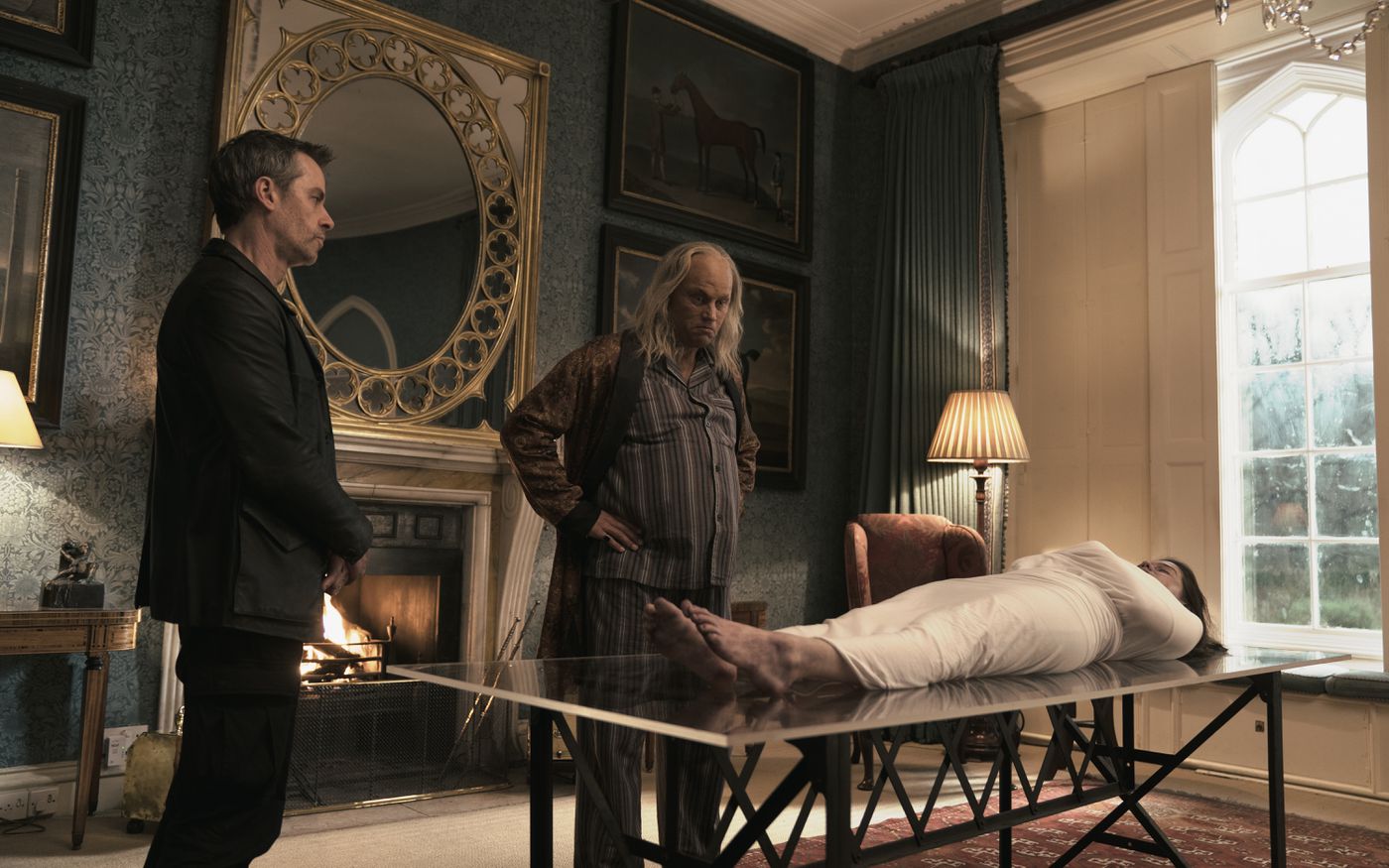

The performances vary wildly in terms of “convincing” quality. The production values, envisioning a “future” with humanoid robots, pistols with silencers, antique reel-to-reel tape recorders and Ford LTD taxis, is consistently “off.”
But the dialogue in this Northern Irish production has a nice zing to it. A pervy villain’s explanation for his “type” crackles — “I have a penchant for...damaged things.”
Roy asks a rhetorical question — “You know what rich people want? EVERYthing!”
Yet any time one thinks “Well that line lands a punch, that scene crackled,” the drifting narrative and occasional achingly-bad scene brings the picture to a halt.
The dialogue and character “types” might have been what sold Pearce on this production. And as a rule, one never turns down a working vacation in Ireland — northern or southern.
But as “Zone 414” grinds to a gear-crunching halt, one does wonder what Mr. Pearce was thinking, what bills hang over him or what demons send him scurrying back before the camera, losing himself in another bad no-budget movie because the alternative is the threat of getting lost again in one’s own thoughts.
Rating: R (Nudity|Language|Disturbing Images|Some Drug Use|Violence)
Cast: Guy Pearce, Matilda Anna Ingrid Lutz, Jonathan Aris, Travis Fimmel, Colin Salmon, Olwen Fouéré and Antonia Campbell-Hughes
Credits: Directed by Andrew Baird, scripted by Bryan Edward Hill. A Saban Films release on Netflix.
Running time: 1:38

Sometimes your homework on a film takes you back to first principles. Is “American Gadfly” a documentary, or is it a mockumentary? The pitch from a publicist hired by the self-distributing filmmakers had me befuddled.
Senator Mike Gravel? From Alaska? I don’t remember anybody by that name. It sounds made up. And I used to live in Alaska, working in radio news. He was a Democratic Senator from Alaska? He wrote a book called “Citizen Power?” He ran for president in 2008? And again in 2020?
I mention all that because I dare say I’m not alone in forgetting the “gadfly” senator from Alaska who read the Pentagon Papers into the Congressional Record to help get the word out about the dishonest origins and “truth” about the Vietnam War. He was first on board the push to end the draft.
Gravel (pronounced grah-VELL) wasn’t exactly a TV news fixture in the ’70s into the ’80s. But he had a profile, a resume and a reputation, a politician with “real progressive chops” who might be persuaded to make one more quixotic run for president to create “ripples in the system” and introduce subjects no one else was talking about in the 2020 campaign.
One problem with that? Gravel was long-retired, 89 years old and living in Monterrey. He’d be the “oldest person ever to run for president.” Another problem? The people asking were a bunch of teenagers from Ardsley, in Westchester County, New York, Ground Zero for white entitlement in America.
“American Gadfly” is about a campaign that few noticed outside of the twitterverse, a funny, unfiltered re-introduction of Gravel to America and a peek into todayt American politics and the political and political news ecosystem.
A quartet of whipsmart high schoolers — David Oks, Henry Williams, Elijah Emery and Henry Magowan — cooked up the idea of a campaign that could inject leftist ideas and ideals into an already-large but generally conservative Democratic political primary field with the hope of shifting the debate leftward.
In Gravel, the boys had themselves a potential candidate “more Bernie than Bernie,” says New York Times Magazine writer Jamie Keiles at one point. They had a figure with a “real record, a real place in history,” adds Washington Post political reporter Dave Weigel, a gadfly who might serve the role of “irritating the front runner” as he shifted the direction of the debate.
If only Gravel could get into the candidate debates, something he did back in 2008. If only his young, idealistic, quick and clever “staff” could get him the 65,000 individual campaign donors — using mainly Twitter as their campaign platform and donation soliciting tool — that the Democratic National Committee had set as the bar for qualifying to be on the stage in those debates.
The debut documentary of Skye Wallin takes us into that campaign, the blizzard of tweeted jokes, platform positions and cutesy videos they used to make a very minor splash back in 2019-2020. Gravel, who died last summer at 91, was a lively, willing participant in this attempt to game the system, just to get his long-dormant push for “direct democracy, a legislature of the people” (everybody having a vote on every major issue) back into the public eye.
They pitched Gravel by phone, took notes on his pet causes and direct way of expressing himself, and he gave them his Twitter password. They’d translate his thoughts into slangy, Gen Z “owns” of Trump and the Democratic candidates trying to take his job.
“Good morning @pete.buttigieg did you finish your policy page yet it’s due today you can copy mine dude just hurry.”
The next thing you know, “No More Wars,” and “every donation” goes to help cover “Henry Kissinger’s air fare to the Hague (to stand trial for war crimes)” are tweeted out in comic Jeremiads. Political celebrities like Susan Sarandon, Sarah Silverman and Alyssa Milano were retweeting them and even late night talk show comics were taking (limited) notice.
Political journalists were giving credit to Gravel, who did almost no campaigning himself, as “the id of the (Democratic) left” in a campaign where centrists, outright conservatives and flakes such as Marianne Williamson, Andrew Yang and Tulsi Gabbard were getting heard, but nobody really to the left of Bernie Sanders was.


“American Gadfly” can come off as a self-satisfied victory lap for a victory that never happened. Gravel never made it on a debate stage, never campaigned in Iowa and some of the claims the kids make for his “impact” seem dubious, at best.
The film captures little of the lives these college-bound teens interrupted to take on this challenge, and does little to make them likable. It’s no shock when they start to have falling outs over the level of commitment, with them comfortable together, but not all that at home holding forth as public speakers or the “face” of the campaign.
One can’t get past the sense that it’s all just “a game” and that these youngsters, probably the least diverse campaign of that election cycle, were treating it as that or as resume building. They snark-tweet about candidates using their campaigns to raise their profile and to some degree, this quartet is doing exactly the same thing.
Did Andrew Yang really want to hire them as his digital outreach/social media team?
As they hobnob with Yang and beg for his help, and that of Williamson (who comes off much more sane here than she was portrayed by the political press) and the opportunist Gabbard, in getting the word out to round up those final donors, you expect some cynicism to enter into their generally self-aware efforts.
I mean, look at who they were asking for help. Look at who was retweeting them.
Still, the film gives us a taste of digital-age politicking, the ways Twitter shapes and amplifies debate on the Left and the limits of that digital-only campaign approach, as valuable as it might be in shaking off the country’s allowing two backward, conservative states — Iowa and New Hampshire — to hijack the process of picking presidential candidates.
And to their credit, “There’s no real reason (for Generation Z) to be cynical,” Williams asserts. And, Magowan adds, “Young people have more power than they can possibly realize.” And maybe “the teens running #Gravelanche” did “get a couple of ideas” into the political “ecosystem.” Maybe if they don’t give up and start showing up, the “radical reforms” Gravel backed for most of his career, reforms that have a constituency not just in celebrities and Generation Z, but in other corners of the electorate, won’t just be the fruitless pleas of the next American Gadfly.
Rating: unrated, some profanity
Cast: Sen. Mike Gravel, Henry Williams, David Oks, Dave Weigel, Jamie Keiles, Elijah Emery and Henry Magowan.
Credits: Directed by Skye Wallin. A SunPunks release.
Running time: 1:36

 Movie Nation