
Posh enough for you?
March, it’s all yours, Abbeyists.
Posh enough for you?
March, it’s all yours, Abbeyists.
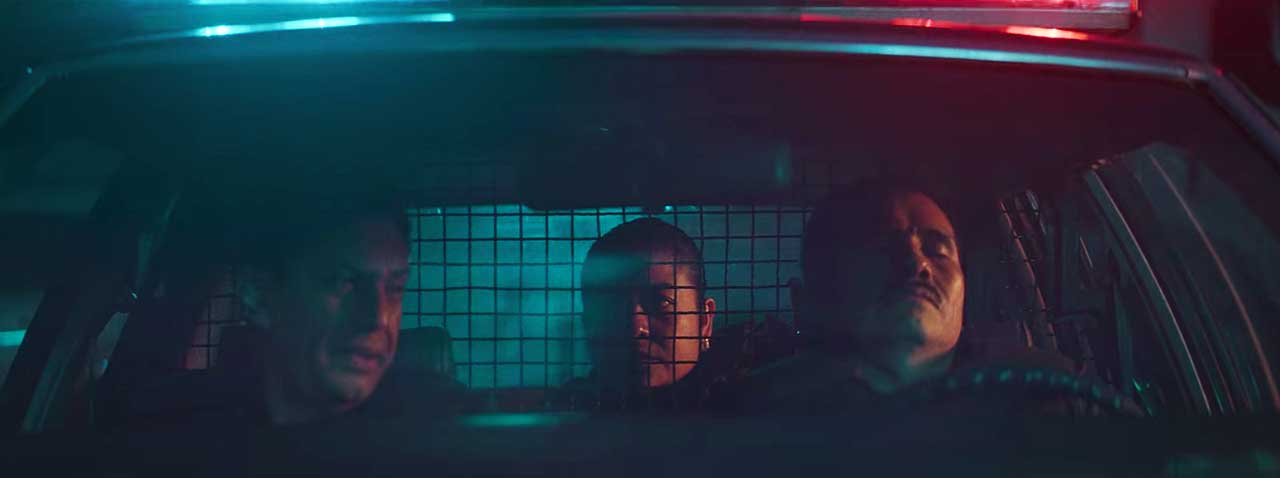
“A Cop Movie” is a gimmicky docu-drama about Mexican policing, a film that invites you to see through the gimmick and find its greater truth.
But that “truth” isn’t exactly a shock. And the gimmick impacts how we relate it to that “greater truth.”
In and out of Mexico, people have stereotypes in mind when they hear that phrase “Mexican police.” “A Cop Movie” tries to get at some of the reasons for the stereotypes, the degree to which they’re true and just how bad things are for uniformed representatives of the government whose duty is supposed to be keeping people safe.
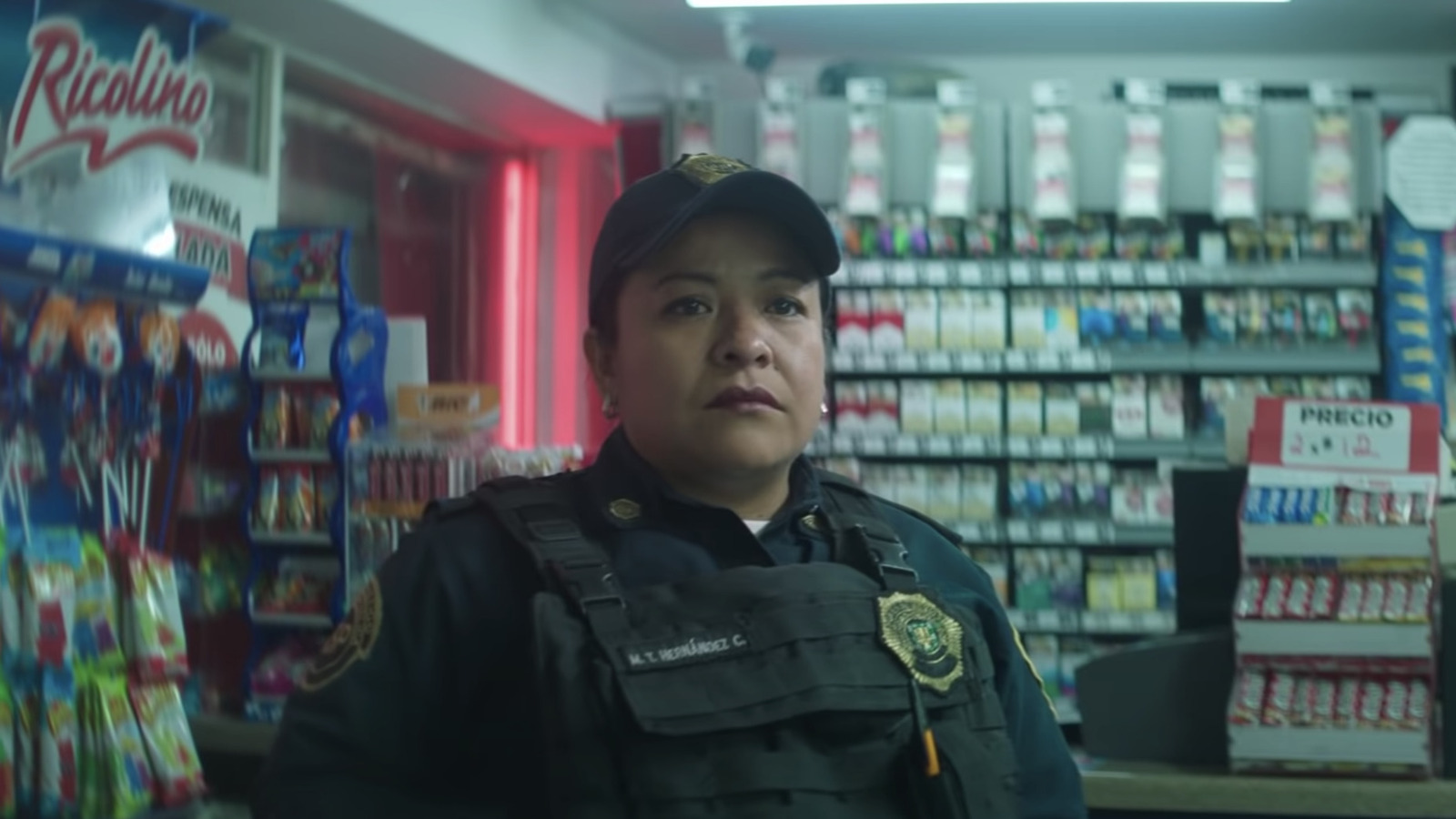
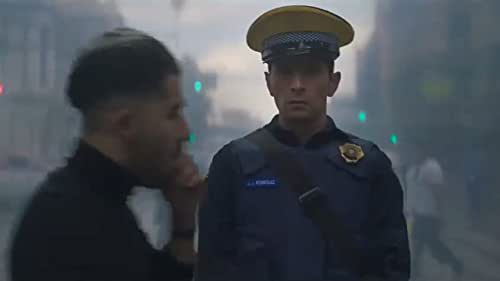
We follow around two officers, 17 year veteran María Teresa Hernández Cañas, who joined the force as a teenager, and Jose de Jesus Rodriguez Hernandez. Both took up the work as “something to do” for a living after high school. She’s the daughter of a policeman, he joined at the same time as his brother.
After opening with a grabber of a scene, Teresa showing up in a bad neighborhood where a woman in labor has been waiting for an ambulance for two hours and is then forced to assist in a child birth with “no first aid training,” Alonso Ruizpalacios’s film practically clocks out. He treats us treats us to long, somewhat tedious voice-over narration about the internal debate within Teresa’s family about her decision, her father’s tough love efforts to dissuade her, then to keep her away from his precint.
While that goes on, there are recreations of her typical night on the job — cops napping in their cruiser, every stop fraught with fear over what might go down, car breakdowns and, in a story she relates hearing from her father, routine police shakedowns for traffic violations.
Yes, bribes supplement their income.
Similarly, we hear and see the other cop, whom we learn is her partner and who goes by “Montoya,” as he tells his story of taking a job just to earn a living.
At every turn — stopping to eat Mexican fast food, stopping to ask somebody to get out of the street, taunted at a gay pride parade — we see and hear the abuse hurled their way. The disrespect these poorly-paid, under-trained peace officers endure is enough to make the “Blue Lives Matter” lobby wince in shame. They don’t know what contempt and on-the-job danger looks like, by comparison.
The flood of unresponded to radio calls, the disorganization of the office, the petty corruption, “laziness” and rank cowardice plays down to every ugly stereotype that’s been the Mexican cop’s lot, from the Federales days onward.
There’s a fear of “getting involved” that plays out most nakedly in that opening scene. Teresa approaches the address of the police call and faces a faintly menacing looking fellow standing in the middle of the street. She watches him slow-walk towards her and slowly reach behind his back to retrieve…a cell phone.
Once she’s ascertained there’s a baby coming, but no ambulance, she frantically tries a work-around to get one to show up. And sitting in her cruiser, she has to decide whether to just drive off, or stay and try to help.
And just as we’re settling into the movie’s “true stories on the beat” vibe, with characters mouthing the voice-over narration coming from the other officer, Ruizpalacios (“Gueros”) reveals his first, obvious gimmick, and sets us up for the second. Is anything we’re seeing “real?”
The movie this brings to mind is “Midnight Family,” a superb documentary expose of Mexico City’s appalling freelance ambulance services, a nightmarish look into the lives of the under-paid, under-qualified hustlers most of the city relies on to get them to a hospital in an emergency.
“A Cop Movie” suffers in comparison because it’s not a documentary, not really an expose and not exactly “superb.”
But what we see the police go through and hear of the awful conditions they endure, with anyone Indigenous who wears a uniform hearing “”stupid dirty Indian” (in Spanish with English subtitles) and worse every time they try to enforce the law, is genuinely chilling.
In a place where petty corruption and that North American policing excuse for corruption, “officer’s discretion,” rules the day, petty anarchy is the rule.
“A Cop Movie” is a slick exploration/explanation of Mexican policing. But as the style drifts from first-person, dash-cam point of view “reality” to a laughably generic foot chase through the city and onto the subway, it becomes obvious that believing what we see and hear is meant to matter here. And the gimmicks undercut that too many times along the way.

Rating, R, for violence, sex, profanity
Cast: Mónica Del Carmen, Raúl Briones, María Teresa Hernández Cañas, Jose de Jesus Rodriguez Hernandez
Credits: Directed by Alonso Ruizpalacios, scripted by David Gaitán and Alonso Ruizpalacios. A Netflix release.
Running time: 1:47
The make or break moment for me in any horror movie is that first time characters are confronted with the horror, be it supernatural or simple slaughter. And that’s pretty much where “Red Pill” goes wrong.
A well-cast old-leftists-go-Red-Stating thriller in the “Get Out/Red State/The Last Supper” vein, it lands its satiric political punches (sort of) but botches the “Cabin in the Woods” basics.
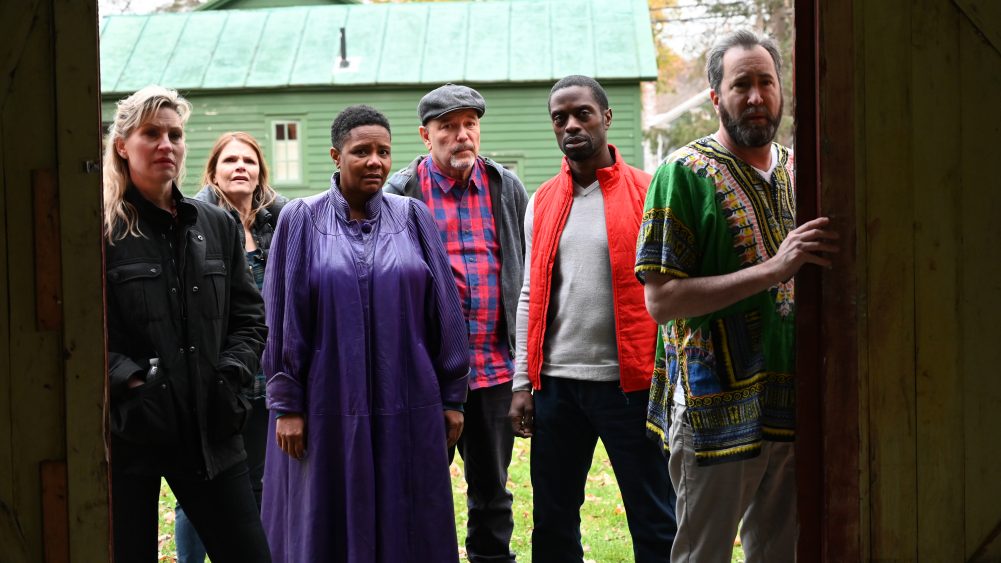
Veteran stage and screen (“Madame Secretary,” “Fear the Walking Dead”) actress Tonya Pinkins packs good players into a GMC Yukon for a jaunt South, to rural Virginia for a weekend of voter canvassing. Our first-time feature director and star takes her ensemble to “the slave breeding capital of the world” and gives them lots of politically-sharp banter for the drive down.
Cracks about “Flat Earthers” and “hillbillies” and “genocide” and “Ms.-ogyny” and how “people are loyal to groups built on lies” pepper the conversation.
“Could you get inside of their heads and destroy their believes with fact?”
But once they arrive at their small town off-brand AirBnB, the horror begins and the movie sputters like a deflating balloon.
It’s Halloween, just before the election, and Cass (Pinkins), Anglo-African husband Bobby (Adesola A. Osakalumi), Lily (Kathryn Erbe) and Jewish joker Nick (Jake O’Flaherty) Latin immigrant Rocky (Rubén Blades) and Croatian Serb Emelia (Luba Mason) sing the old Gospel protest song, “Marching Up to Freedom Land,” mutter about the “white supremacy” that the past four years has brought out from under a rock and even stop to pull down a one of those racist road signs yokels have been putting up all over the rural South since Trump gave them permission.
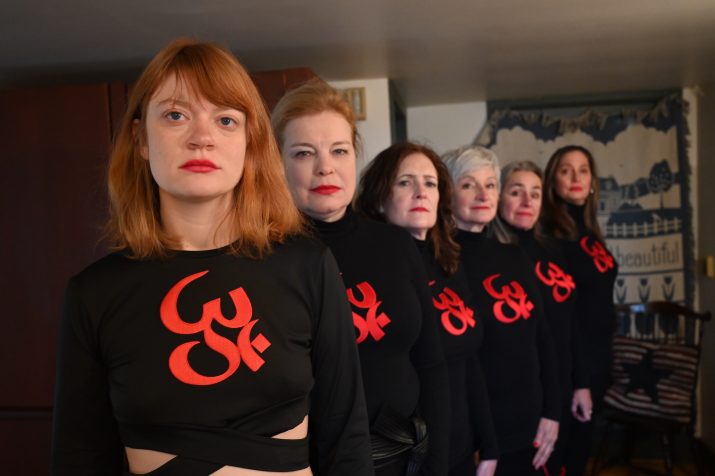
That’s their first “red flag.” But the viewer’s seen others — this pale redhead (Catherine Curtin) making bread with drops of blood in it, the bizarre symbol on her top. Even seeing local white women wearing that symbol in matching black cult suits as they roll into town doesn’t dissuade our travelers.
The bizarre decor of their old rental house, the Melania in a Bikini aiming a gun with a laser-pointer light embedded in it doesn’t chase them away. It won’t be too long before their endless debate about the legacy of slavery and ingrained racist beliefs and systems is interrupted by the inevitable “Did you hear that?”
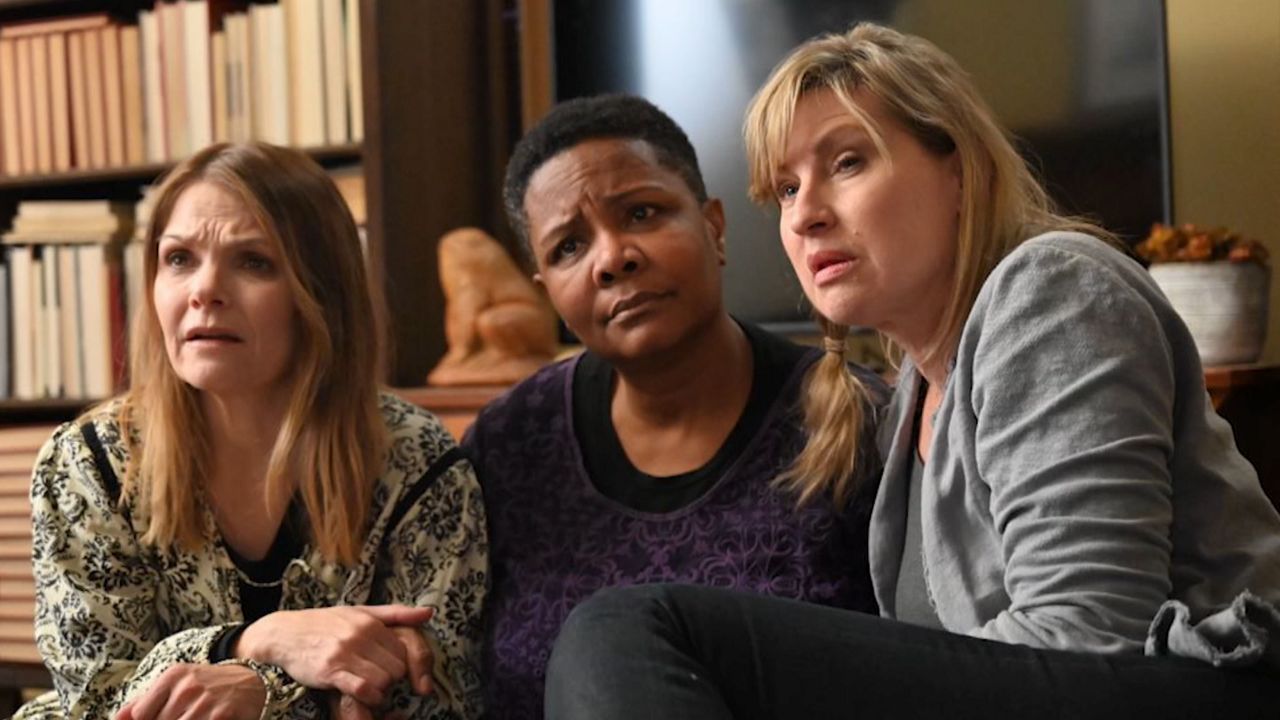
That make or break moment comes shortly thereafter, and the cast and director Pinkin utterly blow it.
Something unimaginably horrific has transpired before their eyes. They have an instant to process it, what probably came before it and their dire situation. And nobody reacts in a way normal humans might, which is to freak the-f out. Numbed “shock” should come later. For the scene to work, we have to be as traumatized as the victims. They aren’t, so we aren’t.
Moments like this call for close-ups and quick edits, stunned, screaming faces intercut with violence, a “jumpy” camera to convey the mania of the moment.
“Red Pill” gives us bupkiss. And while there are later moments that get closer to the mark, most of the “pick-them-off, one-by-one” tropes come off flat.
The eye-rolling over-the-top finale doesn’t atone for these shortcomings either.
“Red Pill” — it cleverly takes its title from “The Matrix,” the “red pill” that conveys a willingness to learn the ugly truth about the world — has a decent cast, a potent message and a promising set-up packaged in a movie without much that passes for a decent fright about it.

Rating: unrated, graphic violence, profanity
Cast: Tonya Pinkins, Kathryn Erbe, Adesola A. Osakalumi, Luba Mason, Jake O’Flaherty and Rubén Blades
Credits: Scripted and directed by Tonya Pinkins. A Midnight release.
Running time: 1:26
An ex con who collects and sells scrap metals gets mixed up in human trafficking and money laundering via cartels of a different stripe.
If nothing else, the ethnic politics of this December release has a tetchy edge.
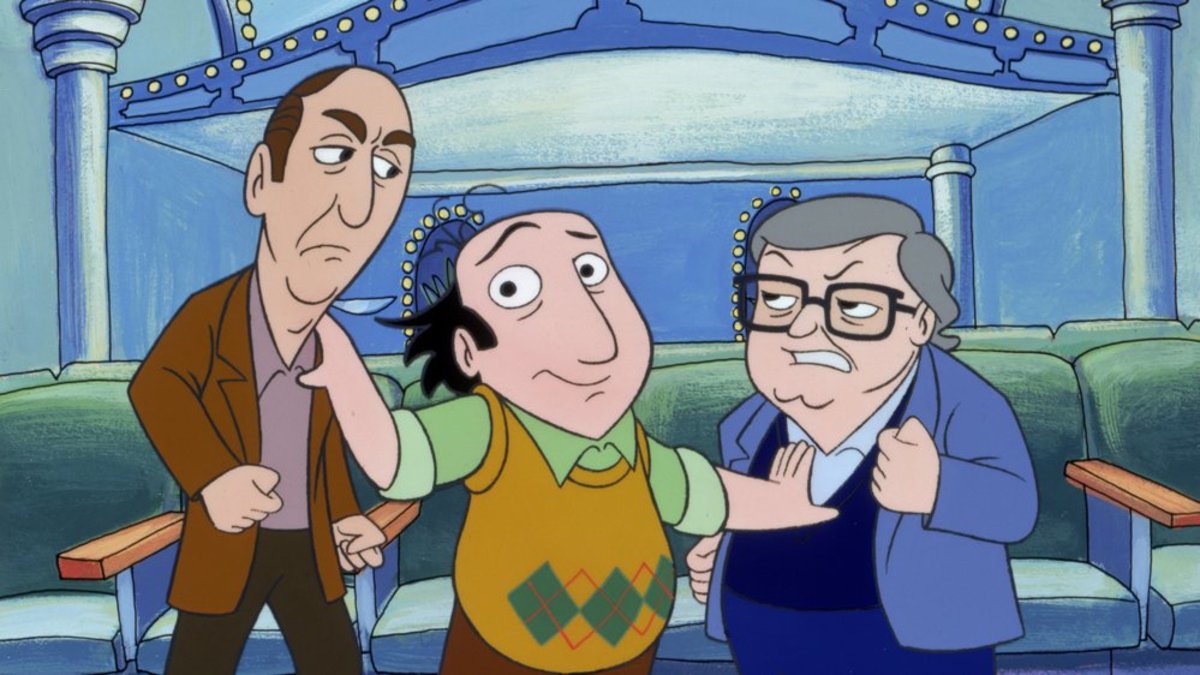
Everybody’s a critic, or so I’m often told. So the pre-meme old saying goes. Especially when it comes to movies. On any given weekend night in AnyCinePlex America, you can hear the debates in the lobby, the restrooms or walking to the parking lot.
But what separates the loudest gal/guy at the end of the bar’s opinionating from an actual film review? What goes into the process of forming an opinion and stating that opinion in a way that might win an argument with that omni-present, half-baked chunk of the movie-going public content to say “It stinks” as if that’s all there is to it?
As this question comes up more often than you know, let’s address it.
Film reviewing is opinion writing, a form of analytic essay which you probably had to practice in school in one form or other. It takes in rhetoric and persuasion, starts with opinion-forming and ends with opinion-defending in written form.
Here are some thoughts from a guy whose first published review was for “Rocky IV,” and who’s been doing this since high school. That would be me.
Start here — you see a movie, decide whether or not you like it, and sit down to make your case.
Consider the originality of the story, believability or at least entertainment value of the characters, the quality of the dialogue, the polish of the production and pictorial sophistication of the blocking, lighting, framing, shooting and editing of the images put on screen.
Your opinion is just that, “subjective” opinion. But you’re going to have to defend it. That’s why serious critics take notes, jotting down moments that work and why they work or don’t work, casting decisions that seem off, or lines of dialogue that are original and aptly hardboiled, witty or moving, or the screenwriter’s inability to manage that. I’ve sat next to Pauline Kael at the New York Film Festival and behind Roger Ebert at the Toronto one. They, like me and most of the folks I know who’re good at this, took notes and if we’re still among the living, continue to do so.
There are a lot of ways to organize a review, and you’ll find most reviews written by journalists (a shrinking minority on Rotten Tomatoes, these days) follow this “news story” formula.
“Tell’em what you’re gonna tell’em, tell’em, then tell’em what you just told them.”
You lead off with a general descriptive statement and add an up-top value judgement (your opinion) of the movie. Relate a rough sketch of “some” of the plot. You don’t want “spoilers,” but the reader wants to know what the film is about, so you tell them. Plot points and characters introduced in the first and the early second-act (midway) are fair game for inclusion in a review. The overall theme of the film, the reason the story is compelling, etc., is all a part of that.
You’re setting up the conflicts between characters — the lovers who haven’t gotten together, and some of the most obvious obstacles to that happening; the dynamics of a quarrelsome group; the demands of a “mission,” the warring sides in any sort of debate, tug of war or real war.
You finish by summarizing your conclusions. The last third of a review is where your value judgements and the reasons for them are laid out.
And then you try to leave the reader with the sense that it’s all a part of a whole, cohesive in structure, maybe echoing lines from the lead paragraph for your hopefully-pithy finale.
If you’re new to this and want your review to “hold up in court,” rough out an outline for what you want to accomplish, the evidence points you plan to bring up and take your first shot at the “big finish” you want to end with. Professional academic writers from an essay writing service advise on writing an outline for your critical analysis. You can do this on your notepad, or type out your bullet points in your draft on screen, remembering to delete them or merely expand on them, point by point, as you work towards that final draft.
Then you proof-read. It’s not just radio and TV writers who read their copy aloud to see how it sounds, not just how it scans.
Read any blog, website, TV station or network’s page or even your favorite newspaper or magazine and you will see errors. Typos, run-on-sentences and the like are the easiest way for a reader to attack your work. Copy editors are an endangered species everywhere, but there are online editing and essay-writing services that go way beyond the foolishly-fallible “spell check” that can fix your grammar and point you to ways of better organizing your thoughts and arguments.
Manage all that in a review and you’ve done something. Want to get better? How’s the old joke go, the lost tourist asking a musician how to “get to Carnegie Hall?”
“Practice, practice practice!”
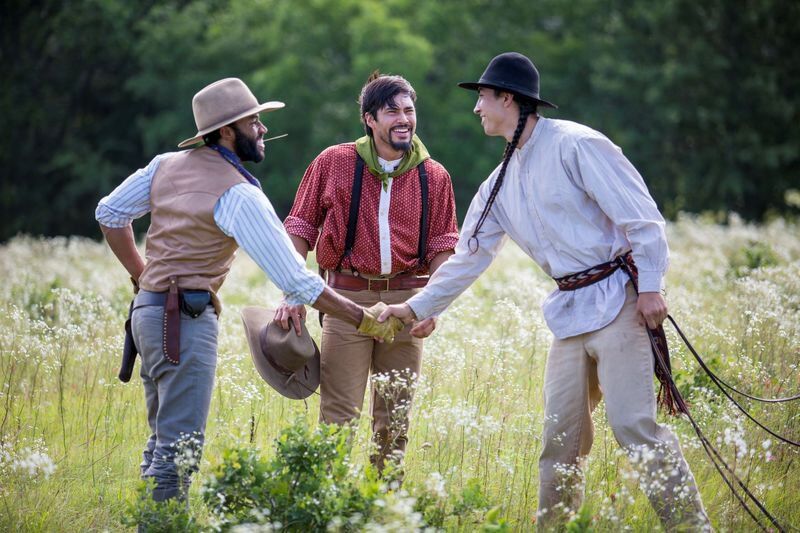
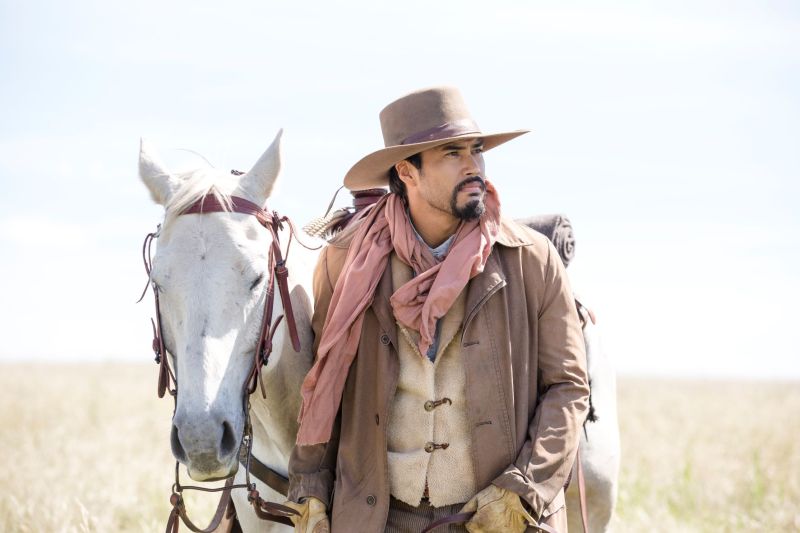

A tip of the cowboy hat to Netflix, for picking up this Chickasaw Nation-financed drama and offering it during Native American Heritage Month.
“Montford: The Chickasaw Rancher,” is about a 19th century member of the Chickasaw Nation who became a land and cattle baron in the Oklahoma Indian Territories, and who maintained his empire even after the U.S. government turned around and sold that “Indian” land during the “Sooner” land rushes of the late 19th century.
I dare say most of us outside of Oklahoma have never heard of Johnson, whose father was a Scottish actor and mother half-Chickasaw and a member of the tribe. But his story, a little “Red River” with a touch of “Giant,” makes for an epic saga or a compact, sturdy 90 minute action biography, in this case.
Director Nathan Frankowski (“To Write Love on Her Arms”) and first-time-produced screenwriter Lucy Tennessee Cole give us a brief prologue — young Montford and his sister’s childhood abandonment by their father (Dermot Mulroney) — and jump straight to his 1861 wedding day.
The Civil War is underway, and the tribes of Oklahoma, learning little from the Iroquois Confederacy’s experiences choosing the wrong side to join in the American Revolution, have allied themselves with the CSA. When rapacious “blue belly” Union troops interrupt the wedding, an elder gives them and us the reason for the alliance — the same one that motivated the Iroquois, “broken treaties” and the existential threat the USA represented to Native cultures.
The nasty, cattle-procuring Sgt. Richter (James Landry Hébert) and his racist “wild Injuns” threats tell Montford (Martin Senmeiser of “Wind River” and “Westworld”) this is going to be a long war. Washington’s ongoing “control” to ensure “progress” assimilation or reservations policies are “why we always win,” Sgt. Bad Teeth sneers, “and Injuns always lose.”
Montford, his wife Mary Elizabeth (Grace Montie) and trusted hired hand Jack (Denim Richards) struggle through the lean war years, with their livestock always under threat from the Army or rustlers who wear hoods and dress as Natives.
But the Johnsons start a family, and after the war, rounding up “maverick” cattle from the hills marks the beginning of a big herd.
Frankowski’s film features standoffs and shootouts with scalp-hunting bandits (Tommy Flanagan plays their leader), a front-row seat for the “official” depredations of mass buffalo slaughter, a policy meant to force the tribes onto reservations, and a cattle drive.
And Johnson’s place within his community is never left offscreen. He pitches in to help the starving from other tribes, and when Cheyenne leaders (Tanaka Means plays Rising Wolf) are arrested and shipped off to St. Augustine, Florida, Montford and his now-returned prodigal father go therw to speak up for them.
It was a life lived large in hard times, and Senmeiser makes a charismatic and striking lead for this hero’s journey.
After a teetering start — that wedding scene has speechifying and archetype-embracing that can put your teeth on edge — the script settles down to move us through the mostly-true touchstone moments of Johnson’s life.
“Chickasaw” flirts with corny, here and there. Not all supporting actors are created equal. And it’s a pity Mulroney didn’t play the Scots dad as Scottish, but maybe next time.
But it’s better than most of the B-Westerns that come down the pike most years, the leads impress and the action beats are first-rate-on-a-budget.
Some streaming service, maybe even this one, should take on the whole Montford Johnson family saga. It’s a stirring piece of history, full of drama, conflict, racism and rising above it that hasn’t been given the attention it deserves.

Rating: TV-14
Cast: Martin Senmeiser, Denim Richards, Grace Montie, James Landry Hébert, Tommy Flanagan, Tanaka Means and Dermot Mulroney.
Credits: Directed by Nathan Frankowski, scripted by Lucy Tennessee Cole, based on a biography of the same title by Neil Johnson. A Netflix release.
Running time: 1:36

It’s the story of the James-Younger Gang told in stately, sweeping vistas, star charisma, cold-blooded stares and bursts of epic Peckinpah violence.
“The Long Riders” came out in 1980, in the middle of director Walter Hill’s run of genre classics — after “Hard Times,” and “The Warriors,” before “Southern Comfort” and his blockbuster buddy thriller, “48 Hrs.” He’d go on to make “Extreme Prejudice,” “Johnny Handsome,” “Geronimo” and “Wild Bill,” a former Peckinpah pupil (he did second unit work on “The Getaway”) turned reasonable facsimile of the macho master.
A passion project of the Keach brothers, James and Stacy, the film was famous when it came out for its gimmick — casting Keach, Carradine, Guest and Quaid siblings as blood-relative outlaws who rode with Jesse (James Keach) and Frank (Stacy Keach) James. And it was almost as famous for its action set-piece, the most spectacular depiction of the ill-fated Northfield, Minnesota hold-up turned epic shootout.
What stands out about it over 40 years later is not just the outlaw cool it is wrapped in — men of various degrees of sartorial vanity who don their game faces when they put on the long, duck dusters that became something of a fashion thing when the film came out. There’s a rawboned authenticity in the geography and topography, a Western legend written far from any place where sagebrush could grow, but too-often depicted on ground that just looked wrong — barren, dry and dusty.
Interviewing Christopher Guest, who with brother Nicholas played the Ford brothers, who shot Jesse James, the director and star of “Best in Show” marveled at the level of detail on the remote woodland Georgia sets. “A bunch of us would saddle up and ride up this logging road, away from all the trailers and cameras, and in an instant, you were back there,” he recalled. Locations in California and Texas were also used, all of them contributing to the jarringly authentic feel of it all.
The production’s “goofs” listed on the movie’s IMDb page, tend towards nitpicking even when they aren’t dead wrong. But an Americana tune written long after the James Gang rode into legend and the odd shotgun shell mistake can’t tarnish the picture’s touchstone authenticity.
James Keach makes Jesse a humorless, hard and yet dapper outlaw who stole to prop up his mother’s farm, and because that’s what he and his unreconstructed Confederate running mates learned how to do in the Civil War. Stacy Keach’s Frank is more rational, but not the best at tempering Jesse’s authoritarian streak.
The movie goes to some pains to show as much of the gang’s down time — rural courtship rituals, saloon drinking and whoring — as it does of their long rides, stagecoach, bank and train robberies.
Randy Quaid and Dennis Quaid play the Millers, outlaw cousins — one competent and loyal, the younger an impulsive hothead.
But it is the Youngers who make the movie for me. Keith Carradine is rational, romantic middle brother Jim, future “Revenge of the Nerds” star Robert Carradine is young braggart Bob, and David Carradine brings a malevolent scene-stealing whimsy to oldest brother Cole, a twinkly-eyed professional who never really says so out loud, but never lets us forget that he’s the one who “lets” Jesse lead the gang.
Carradine’s scenes with Pamela Reed (“The Right Stuff”) who plays legendary Old West prostitute Belle Shirley, later to become Belle Starr, are dazzling, hard-nosed brothel/bar-room flirtations of lust, avarice and calculation.
Belle’s resigned but made-her-peace-with-it air in every exchange with her sometime paying lover set “The Long Riders” apart from every other screen treatment of The James/Younger Gang legend. When is Cole going to give thought to “making a respectable woman out of me?”
“You’re a whore,” Carradine’s Younger deadpans, tactlessly yet affectionately. “You’ll never be respectable, Belle. That’s what I like about you!”
That doesn’t keep him from turning possessive, allowing Reed’s fiery Belle — who finally marries a tough hombre named Starr — to assert her independence.
“I do what I want with who I want. And don’t make no mistake about it!”
And when Cole and her husband (Hill regular James Remar) exchange words, Belle isn’t shy about egging them on.
“Now boys, there is no need to fight over lil’ ol’ me. But if you’ve got to, make it man-to-man. Hand-to-hand.” They go at it, held together by their teeth clenching opposite ends of her stocking, Bowie knife to Bowie knife.
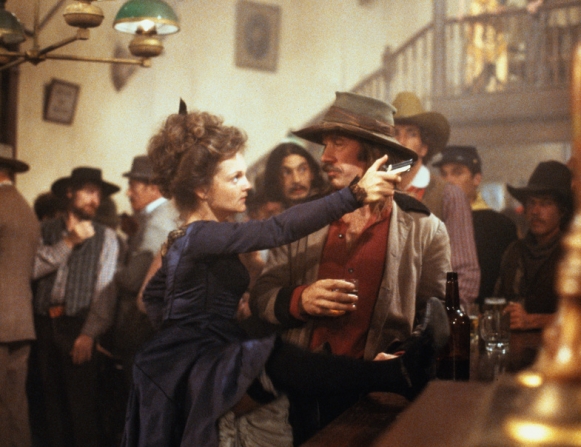
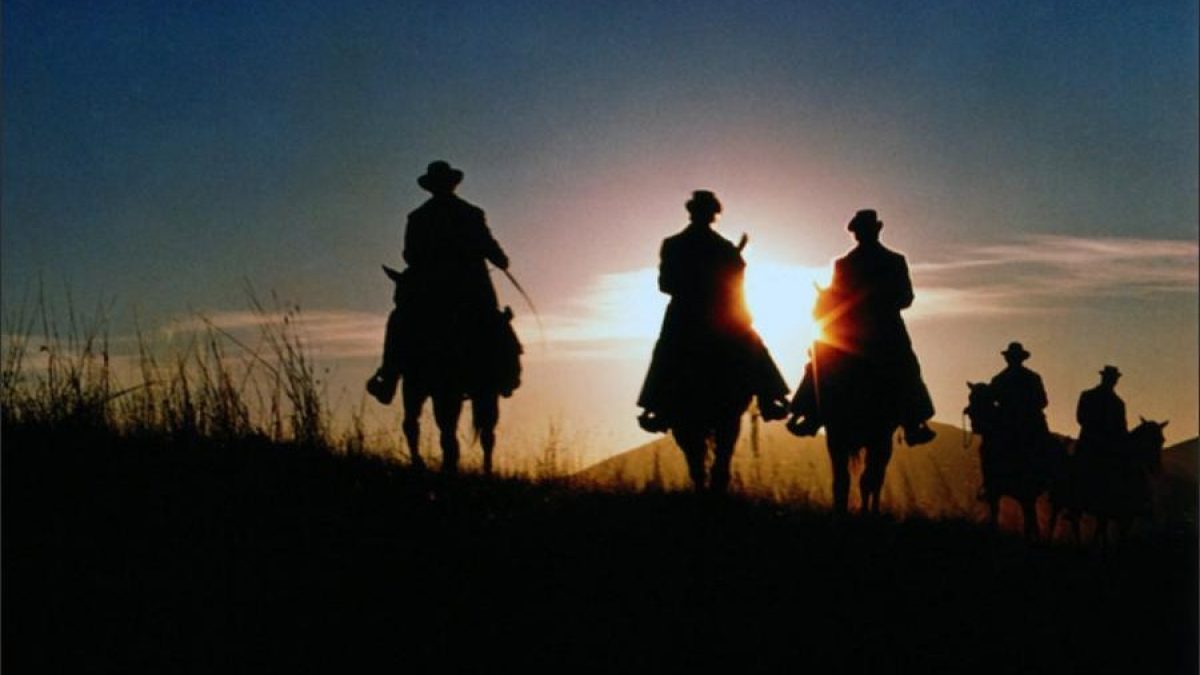
The entertainment value of siblings bickering with real siblings and the flirtatious fire of the Reed-Carradine scenes give “The Long Riders” a life that the staid, stiff and just-as-“authentic” “The Assassination of Jesse James by the Coward Robert Ford” (2007), never manages. It’s a movie that left the Youngers out of the story altogether, and still somehow came in an hour longer.
Astute viewers of “The Long Riders” will see the seeds of Hill’s “Wild Bill,” and of the TV series “Deadwood,” whose pilot he consulted on, set the tone for and deftly directed. He did the acclaimed mini-series “Broken Trail” and has one last Western, “Dead for a Dollar,” in the can and in post-production.
Ry Cooder’s Roots Music score is period perfect, even if “I’m an Old Rebel” is actually a tune that dates from 1915, and not the 1870s.
And film buffs will recognize the crusty old Confederate on a stagecoach as Harry Carrey Jr. of John Ford’s repertory company and future horror icon Lin Shaye in small roles.
There have been good Westerns made since “The Long Riders” — Eastwood’s “Unforgiven,” “The Sisters Brothers,” “Hostiles,” the current release “Old Henry” and a couple of watchably gritty genre exemplars from Hill himself. But for those of us who remember this classic, it’s still the yardstick against which every “True Grit” remake must measure up to. This combination of cast, story and spare film storytelling style makes it very hard to top, an essential example of all a Western can and should be.

Rating: R for strong violence, sexuality, and language (profanity)
Cast: David Carradine, James Keach, Stacy Keach, Pamela Reed, Randy Quaid, Keith Carradine, Robert Carradine, Dennis Quaid, Christopher Guest, Nicholas Guest, James Whitmore, Jr., James Remar and Fran Ryan
Credits: Directed by Walter Hill, scripted by Bill Bryden, Steven Smith and Stacy Keach. An MGM/UA release, streaming everywhere
Running time: 1:40

That headline’s dead-on accurate and ridiculously misleading. It makes this indie, arty, obscurant drama from Mexico sound like something it’s not, which is interesting.
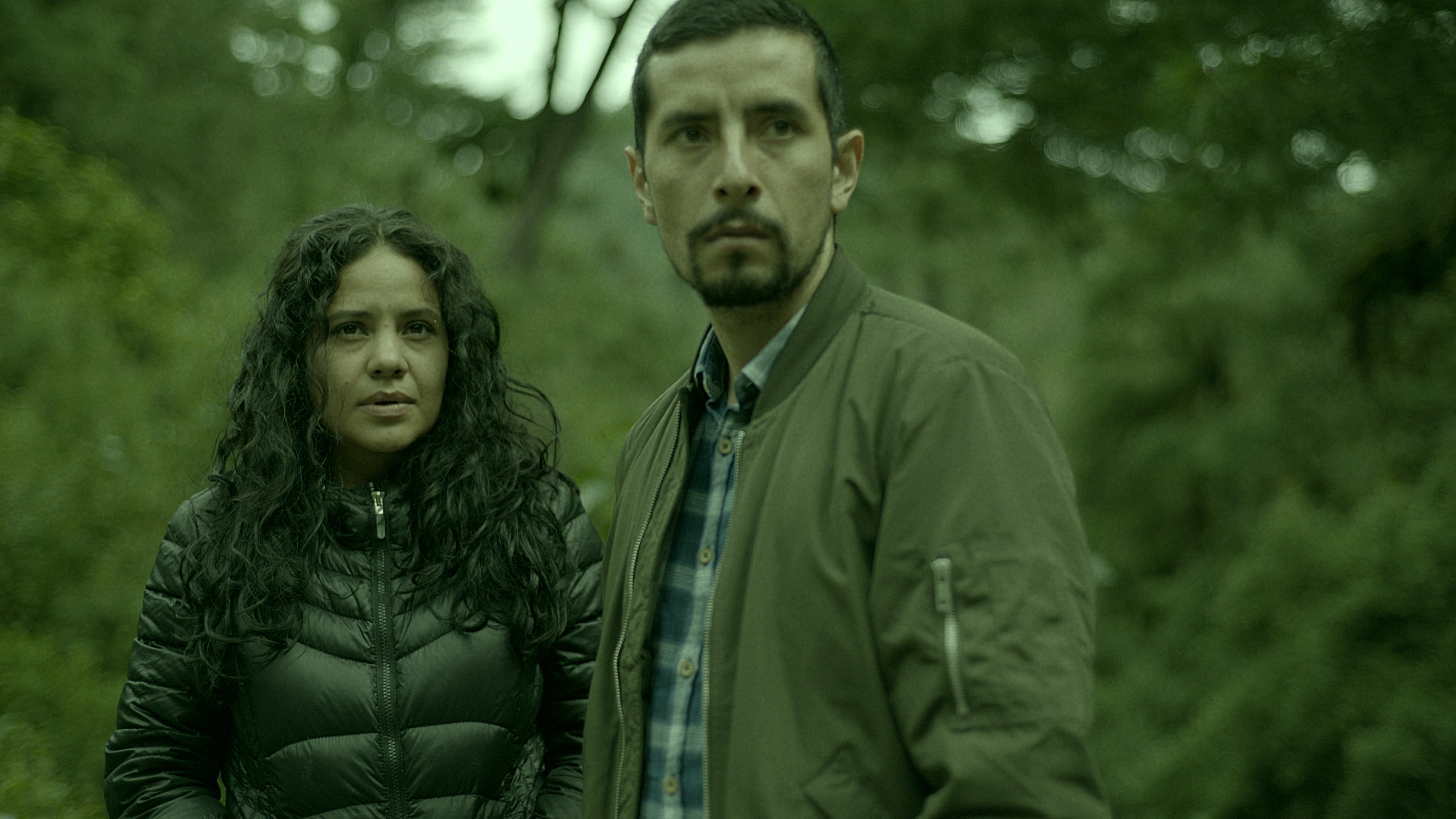
Editor and first-time feature writer-director David Torres sets out to tell a simple, sad story about the deadly business of Mexican journalism, how tragedy visits two generations of a family and how the threat of impending injury or death could easily induce one long panic attack for those still practicing it.
And the self-conscious bore puts all his efforts into hiding “story” and “character” and “urban legend as harbinger” beneath the most laborious 68 minutes imaginable.
Toirres never identifies where, exactly, all this is going on. If you don’t recognize the sites, the topography, you’re left perhaps as disoriented as the main character, Eric (Raúl Briones), whose last days are remembered by a few who knew him, and recreated here. When “Oaxaca” is finally mentioned, you figure, “Ah, Mexico.” But where in Mexico?
Character names are either given up grudgingly, several scenes in, or never mentioned at all. Half the cast in the credits below is never identified. Who are they? What is their relationship to Eric?
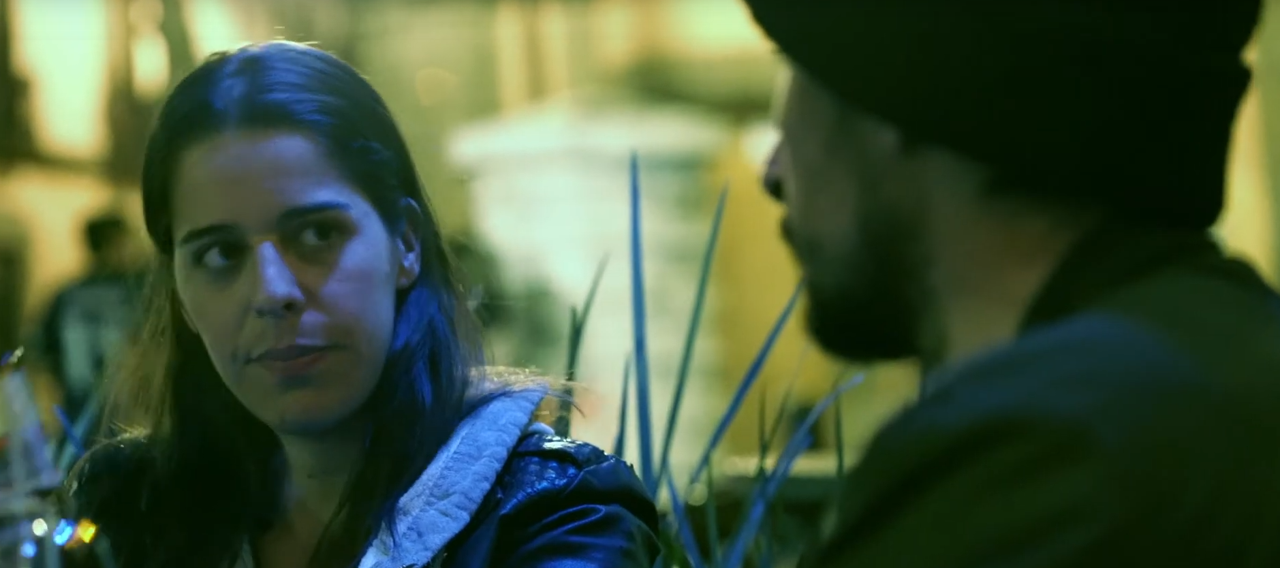
Juliet (Sofia Alvarez), the fellow journalist he had an “open relationship” with, is seen roller-blading around a mostly-empty city, reflecting on Eric and (perhaps) remembering their inane conversations about their sexual history and this “buffalo man” they both have seen, here and there.
Yeah, it’s a guy with a buffalo’s head.
The bearded, homeless drunk (Antonio Monroi) followed around at length might be Eric’s physicist dad, in mourning over his journalist wife, whom “they disappeared.”
And Jonas (José Luis Pérez) is a self-described “thug” who was tasked with torturing Eric out of writing. He is interviewed on camera, and seen in a flashback, having just beaten Eric.
“I myself will turn you cold,” he threatens, in Spanish with English subtitles.
Eric reported on a mining company’s mistreatment of indigenous people, among other things. Jonas is the guy we see in an opening scene pump bullets into Eric.
There are other women, unnamed. One of them is an artist.
Too much of the dialogue is inane, too much detail (Eric actually “reporting”) is left out. We just see the toll authoritarian, anti-press kleptocracies take on journalists trying to seek the truth.
“A beast, if you look at it, devours you,” Eric intones. That must be why he’s seen the Buffalo Man. It has to be why has gotten the panic attack shakes.
There’s a story here, but Torres can’t be bothered to come right out and tell it. That doesn’t necessarily result in “art,” just an extremely aggravating and frustratingly opaque movie.
Rating: unrated
Cast: Raúl Briones, Sofia Alvarez, Verónica Bravo, Antonio Monroi, José Luis Pérez
Credits: Scripted and directed by David Torres. An IndiePix release.
Running time: 1:09
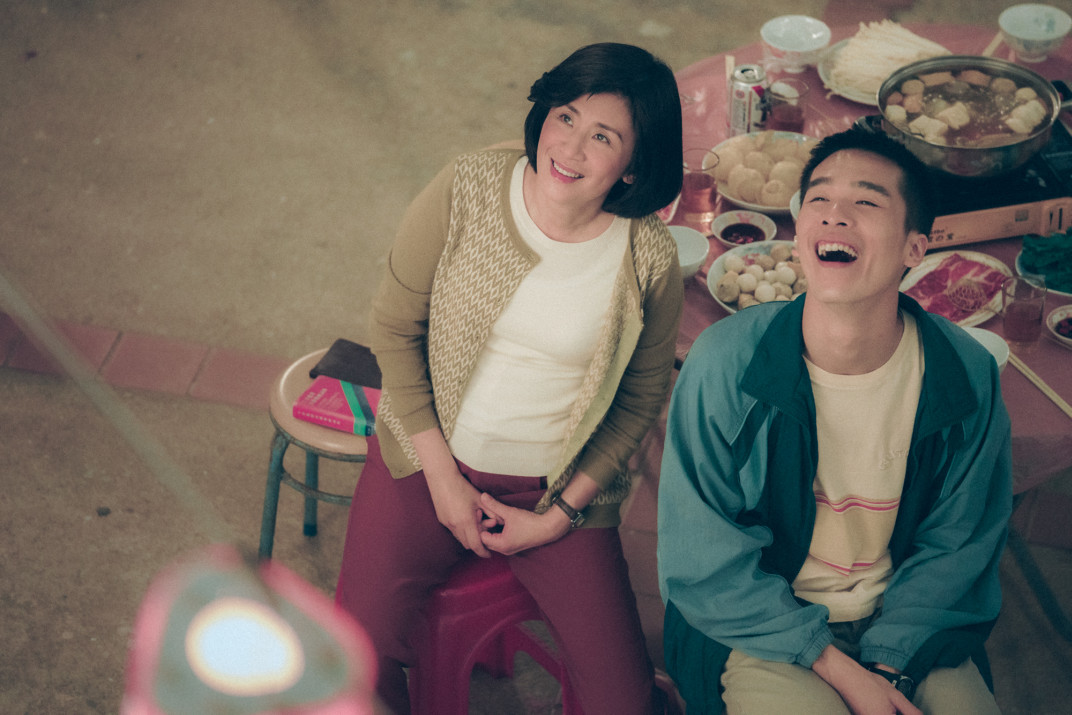
“Zero to Hero” is a heartwarming story of a paralympian, the obstacles he has to overcome and the mother behind him every tentative step, all the way to the finish line.
This Around the World with Netflix offering is about So Wa Wai, one of the most famous of all paralympians, and features some distinctly Chinese touches — “Mom” is a Tiger Mom, and how — and a bluntness about its hero’s plight that breaks up the sentimentality built into the story.
So was a sprinter who competed in five different Paralympiads, collecting 12 medals from Atlanta to London. Director Chin Man Wan and screenwriter David Lo frame the story within the one-time “Wonder Boy” making a comeback at the 2008 Beijing Paralympics. From the startling line of the 200 meter sprint, he thinks back over everything he had to overcome just to get there.’
We see his mother, played by veteran Hong Kong actress Sandra Ng (“Moster Hunt,” “Beauty on Duty”) sprint to the hospital with her baby where she gets the bad news. “Hemolytic jaundice” has given him brain damage. So much muscle control is lost that “He may never be able to walk or eat on his own.” Even speech will be difficult.
Mom is given a life and death choice right there, and she elects for the risky procedure that will save little Wa Wai’s life. He loses much of his hearing, and she hocks a watch to buy him a hearing aid.
She carries him on her back for years, drags him to work with her at a laundry, keeping him in a dog cage while she’s working. The film’s heart-breaking signature scene isn’t on the track or the medals ceremony podium. It comes when the little boy is able to crawl out of that cage and clever enough to think it’s a cute prank to pull on Mom. She drops him on the dangerous industrial conveyor belt, shouts “You have to walk RIGHT NOW or just DIE here (in Cantonese with English subtitles)!”
It’s an over-the-top “tough love” moment, and just nuts when you think about it. The fact that no miracle occurs, despite the omnipresent “Ah-ah-ah-ah-aaaaahhhh” heavenly chorus on the soundtrack, doesn’t spoil the moment or her punch line.
“No one will ever treat you like an ordinary person,” she counsels. “So just be extraordinary!”
As Wa Wai picks up speech, learns to write and staggers to his feet, we can see he’s taken that challenge to heart. And when Mom sees him fleeing bullies with ease in their high rise apartment project, she takes the gawky teen to sign up for paralympic training, even though he’s under age.
Coach Fong (Louis Cheung), a former Paralympian himself, takes him on, bans his hovering, doting mother from practice and turns the raw talent into a sprinting champion.


The most interesting points on this standard waypoints (athletic) “hero’s journey” are not the pitfalls Wa Wai — played by Tin Lok Choi as a little boy, Ho Yeung Fung as a teen and Chung-Hang Leung as a world-beating adult — faces coming up. The scenes with bite are the soul-slapping moments that happen after stardom.
A younger brother (Locker Lam) bridles at his lifelong status as the baby his parents had “to look after Wa Wai.” Mom and the entire family struggle to pay for Wa Wai’s training and upkeep, and makes endorsement deals that exhaust and exasperate her oldest son.
“Mama is always watching you” even carries over to his love life, his crush on the coach’s daughter (Suet-Ying Chung).
“Zero to Hero” is conventional enough to pass for comfort food, but just edgy enough to render its “Jim Thorpe: All American/Chariots of Fire” formula fresh.
It’s meant to be inspiring and a little sentimental, and thanks to sturdy service behind the camera and tearful turns in front of it, it is.

Rating: TV-14
Cast: Sandra Ng, Chung-Hang Leung, Louis Cheung, Suet-Ying Chung, Locker Lam and Tony Tsz-Tung Wu
Credits: Directed by Chin Man Wan, scripted by David Lo. A Netflix release.
Running time: 1:42
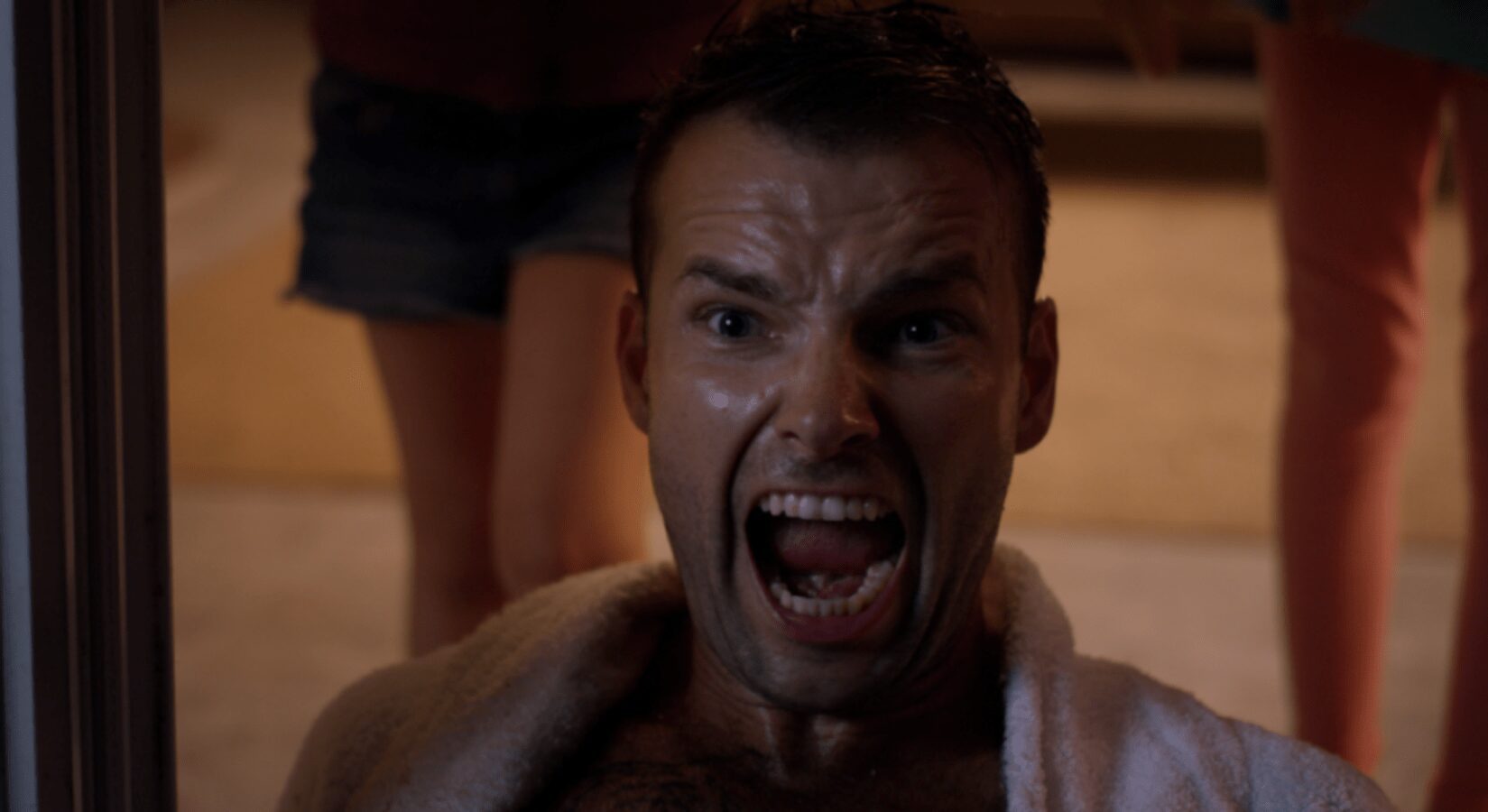

The debut feature from writer-director Bennet De Brabandere was titled “Cherrypicker” for a while and renamed “Ankle Biters” for release. But while he cleverly-retitled this story of a hockey goon who runs afoul of his girlfriend’s four 7-and-under daughters, he never nails down the tone.
As horror, it’s slow-of-foot and blows enough basic set-ups that rob it of suspense that it at best, “almost” comes off. As a dark comedy, which certainly seems the intent, it stumbles along, never quite making light of the plight of a tough guy who never knows what hit him.
As it opens with a funeral, we have some idea of what’s coming. Seeing the dead man’s mother pour some of her son’s ashes into a hockey glove and hearing a TV reporter refer as “a bevloved party animal and jack-ass pro-hockey f–k-boy, who” establishes the tone they were going for, if never quite found.
Sean Chase, played by actor-stunt-man Zion Forrest Lee, is seen in a brutal, eye-gouging fight on the ice. But that was before the “five months earlier” flashback the film takes us on, a post-broken-neck rehab that ended his career and started his romance with the vivacious Laura (Marianthi Evans of “Max Payne” and TV’s “Defiance”).
In the boudoir, he and she like it rough. And we see them videoing their choking, taping-up sex play.
But she has four little girls. And everybody he knows — his dad, his agent — blurts out “That’s a lotta kids.”
He won’t be deterred. On a “family” summer trip to his lake cottage, he plans to give her his grandma’s ring. And he hopes to bond with the quartet of cuties that come with Laura as a package deal.
Fat chance.
Four sisters — Rosalee Reid, Violet Reid, Lily Reid, Dahlia Reid — play the four little angels. We see the dynamics of the foursome, and catch a whiff of ringleader Rosalee’s dark side and how she runs the show.
Little Dahlia might be open to the idea of Sean being in their lives. But not Rosalee, and Lily and Violet are quick to join her.
They notice bruises on Mommy and ask her questions she dodges. And when they rummage through his luggage, they not only find his adhesive bondage-tape, they find the ring.
“If Sean puts this on her finger, it will make Sean our daddy forever!”
Rosalee and the rest aren’t keen on letting that happen.
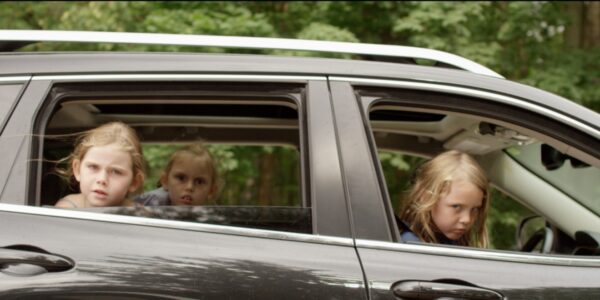
The plot doesn’t escalate from harmless pranks to life-threatening stunts. The standard comic — dark or otherwise — way of playing this out would have Sean slowly realize what they’re doing, unable to convince Mom that they’re not little darlings after all. Instead, we’re thrown right into serious bad intent to serious injury and worse.
That “jailbait” teen (Matia Jackett) next door whom Sean’s known since forever? Will she get in the way?
Lee came up with the story for this and isn’t bad for a first-time leading man. He doesn’t make Sean into a dumb jock caricature, although that might have played as funnier.
Brabandere, to his credit, doesn’t make the girls “Home Alone” booby-trap masterminds. But Mommy’s bruises are downplayed and don’t seem to be their prime motive for going psychopath. These Daughters of the Damned are seen as afraid of spiders, but unafraid of pulling a knife on somebody or of torture.
That’s more unpleasant than entertaining. And that kind of goes for the film, too.
There’s a clever plot here with plenty of can’t-miss possibilities. Brabandere misses too many of those, and kind of hangs his “Ankle Biters” out to dry.
Rating: unrated, graphic bloody violence, sex, profanity
Cast: Zion Forrest Lee, Marianthi Evans, Rosalee Reid, Violet Reid, Lily Reid, Dahlia Reid, Matia Jackett and Colin Mochrie.
Credits: Scripted and directed by Bennet De Brabandere. A Dark Star release.
Running time: 1:31


