
Nothing like making a movie with Cannes built into it.
This looks hilarious.
Nothing like making a movie with Cannes built into it.
This looks hilarious.
Feb. 18 this one hits theaters.
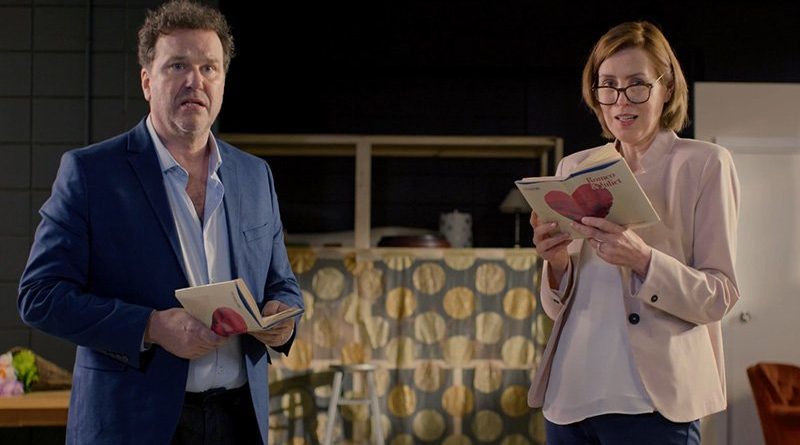
“A Grand Romantic Gesture” is a wistful romance in a minor key, a flash of “love, the second (or maybe last) time around” with no flash at all.
It’s always a shame when a romantic comedy with characters who aren’t teenagers falls short, doubly-so when it’s a rom-com built around a clever conceit — two 50something amateurs cast as the leads in a suburban Canadian workshop production of “Romeo & Juliet.”
They’re shoved on stage, try to start their lines, and our Juliet giggles self-consciously, and speaks for them and us and anybody not soaking wet behind the ears when she protests, “I don’t REMEMBER being young!”
British character lead Gina McKee (“Notting Hill,””In the Loop”) is the newly-laid off Ava, bums-rushed into taking a cooking class by a husband (Rob Stewart) and married and pregnant daughter (Rose Reynolds) who talk as if she isn’t even in the room as they plan her unwanted “retirement” for her.
Her rage-whisking her ingredients tells one and all that class isn’t for her. But she’s conned into joining this other adult ed class down the hall, the one with a pretentious ditz (Gregory Ambrose Calderone) director who would rather have two people he figures are the right age for the priest and the nurse as his leads than have his girlfriend fall in love with the dude he’s cast as Romeo.
Thus, Simon (Douglas Hodge of “The Great” and “Joker”) is paired up with Ava, and Shakespeare’s poetry and the romance of it all gets the better of them. Well, him first.
“Give me my sin again,” he reads, and lays one on her, smack dab on the lips.
“No MAKING OUT on the stage,” director Ryan protests as Ava recoils. But boy, does that smooch get her thinking. And dreaming. And imagining.
As her daughter’s life comes a bit undone and she moves back home, as Ava keeps the fact that she changed classes and isn’t learning to cook as her first secret, all gets far more complicated as the leads start to develop feelings for each other, on and off the stage.
Writer-director Joan Carr-Wiggin breaks up this longish/slow-building rom-com with snippets from the play as intertitles — “Tempt not a desperate man,” “A Madness most discrete,” etc.
She further breaks up the continuity with testimonials/confessions to the camera, what look like counseling sessions for Ava, Simon and Simon’s wife Roz (Linda Kash).
“Marriage isn’t for sissies. Rule Number One? You want to stay married, don’t fall in love with someone else.”
I like the leads and their “Should we/should we not” chemistry, even in the low-speed, flatly-shot conversations that point them towards love. And the dizzy daughter and her dizzy marriage (Dylan Llewellyn plays her puppet-obsessed flake of a husband) plays as dopey cute.
But “A Grand Romantic Gesture” botches such gestures, the few attempted, and never produces a stand-out moment that tugs at the heart or tickles the funny bone. A random amusing line here and there is about all we’re left with. A self-absorbed young woman bumps and brushes by Simon and Ava, which the native Brit feels is out of character.
“That wasn’t very CANADIAN of her!”
Not enough is made of the difference between the “acting” part of the romance, and the “real” part. Stumbling towards a psychological explanation for their behavior is a scripted afterthought.
That, coupled with the deflating nature of the “gestures,” with nothing “grand” or particularly “romantic” about any of them, leaves this Canadian comedy dead on the page before it dies on the stage.

Rating: unrated, profanity, adult situations
Cast: Gina McKee, Douglas Hodge, Rose Reynolds, Linda Kash, Dylan Llewellyn, Rob Stewart
Credits: Scripted and directed by Joan Carr-Wiggin. A Gravitas Ventures release.
Running time: 1:48
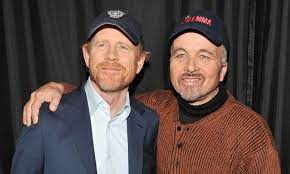
A running gag for some of us who’ve interviewed actor turned director and “Arrested Development” narrator Ron Howard over the years was to finish the chat with an admission.
“Actually, what I’m really here for is to get an update on Clint. What’s he up to?”
This always gets a laugh, and always brings up a delicious anecdote. Here’s one I remember when we talked as Howard’s “The Paper” was coming out.
“I was just meeting Tom (Hanks) for this movie about Apollo 13 we’re doing,” Ron related. “He’s looking at the script, some photos of NASA at the time. And he looks at one and says ‘LOTTttttttta people in these Mission Control scenes.” He pauses and gives me a look. “‘GOTTA be a part for Clint in there somewhere!'”
In a business rightly criticized for nepotism, pretty much right from the beginning, the Howard Boys were the adorable poster kids for why that isn’t always a bad thing. Ron, a child star who evolved into an Oscar winning director, could always find a spot for his kid brother Clint Howard, also a child star, on his sets. “My good luck charm,” Ron always called him.
Ron’s always had this folksy, upbeat All American, boy or man next door image, the sort of filmmaker who calls critics up to thank them for nice reviews. You always figured “That boy was raised right,” and as generations have grown up with him, many still watching his acting high water mark — as adorable Opie on “The Andy Griffith Show” — we figured we had the proof.
But go on any Hollywood gossip site and look at the whispers about how rough child stars have it. http://www.crazydaysandnights.net, sort of the QAnon of salacious Hollywood, is filled with “blind items” about cruelty, “stage parents” and much worse going back decades and happening even today.
Corey Feldman and Corey Haim are much more the rule for kids put through this “growing up way too fast” in a fast and loose business and town.
How did “The Boys” turn out so normal? OK, how did RON turn out so normal? Clint, funny as he’s been, long has had the “not as easy a row to hoe” vibe.
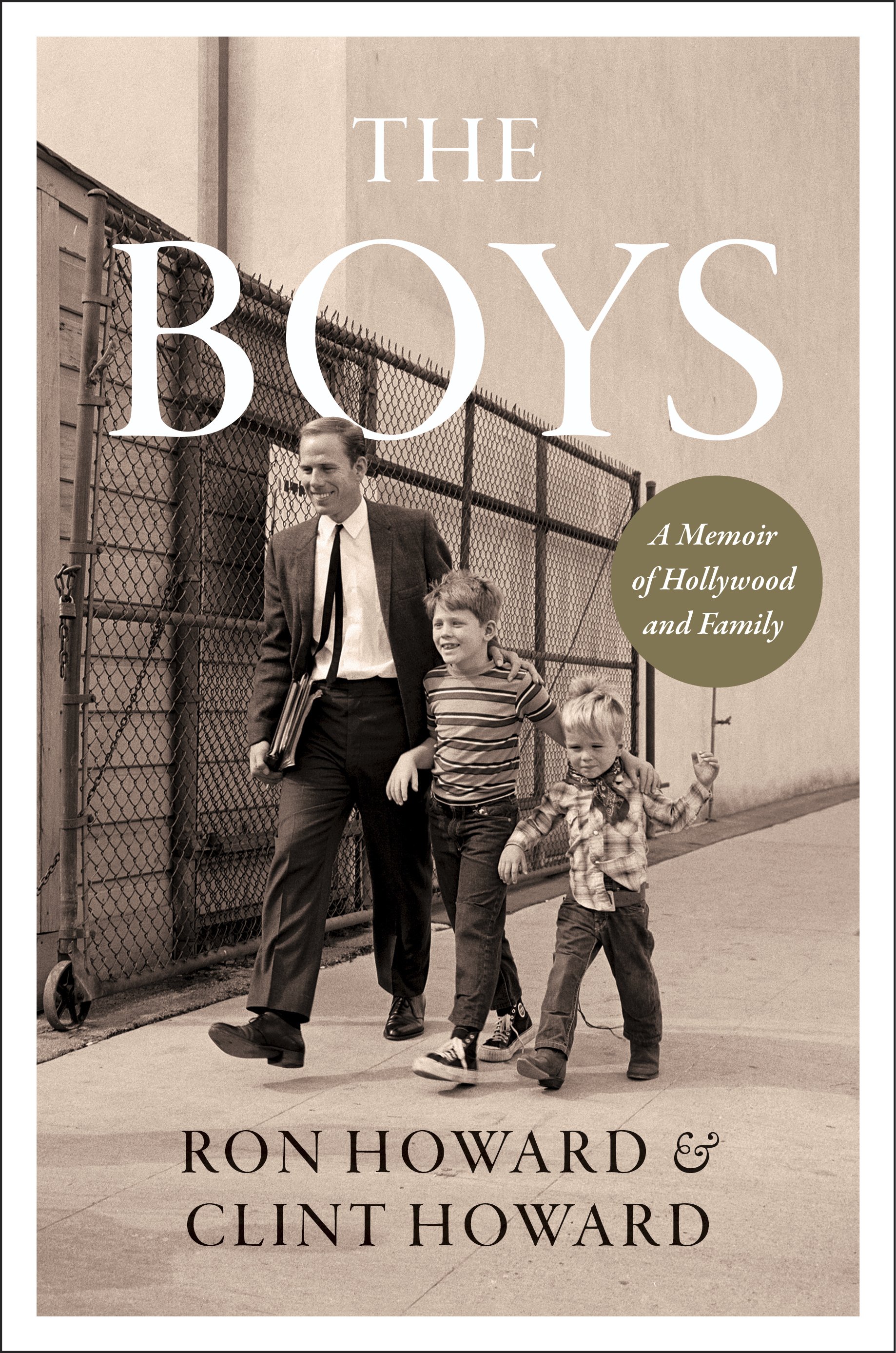
“The Boys” is their affectionate, sometimes revealing co-memoir of how their Oklahoma-born parents, actors who changed their names to Rance and Jean Howard, did it.
The sons practically skip through the pages, talking about this or that stage in their lives, what their parents told them about their pre-marriage childhoods and what they were able to learn much later on. We follow little Ronnie onto the set of “Make Room for Daddy,” the Danny Thomas show of the late 1950s. “Danny Meets Andy Griffith” was a folksy and somewhat sharp-edged and mean “back-door pilot” for what became “The Andy Griffith Show,” a casting coup that set the Howards, boys and parents, up for life. Or so you’d think.
Ron and later Clint, who became one of the funniest silent recurring characters in TV history, wearing a cowboy outfit his momma dressed him in — “No thank you, Leon.” — relate the later life realization of what their struggling actor dad gave up to make them so good at so young an age and what their mom — the first actor in the family, sacrificed to make it all work.
The siblings, switching back and forth several times a chapter, note how their father became a child-actor whisperer, teaching his kids — neither the older Ron nor younger brother Clint could read when they started out as tykes — how to find the core truth of a scene and “inculcating” them with their lines and motivations.
A Method for Moppets was born, and Rance would continue this for years and years, so long as each was young enough to require having a parent or guardian on set — from “Andy Griffith” to Clint’s “Gentle Ben,” “The Music Man” (Ronnie) to “The Red Pony” (Clint).
The brothers come off like their public personas in print — earnest, well-mannered family man so wholesome he was “Father Ron with the collar” in Hollywood, and wild child and sometimes hellion and lifelong wiseass Clint (his “Seinfeld” episode remains a stand-out, because he stole it).
We hear about Ron’s early fascination with the “tricks” of the trade, how to fake drowning, how to get a performance of “Wells Fargo Wagon” or “Gary, Indiana” into “The Music Man” when he was and remains “no singer.”
Andy Griffith and that show’s director gave him his first film camera. The first person to tell him “You’re gonna be a director someday” was also on that set — Howard Morris, aka “Ernest T. Bass.” Ron never forgot, and cast Morris in one of his early films. And yes, that’s exactly what we’d expect Ron Howard to do.
Clint’s “How could this be legal?” stories of child acting with animals like a black bear in sweaty, humid Florida (“Gentle Ben”) and having to kill a buzzard in “Red Pony” can be cute or chilling.
The sons grew up appreciating their father’s matter of fact way of treating every question honestly, from “Is there a Santa Claus?” to pre-adolescent queries about sex, alcoholism (they worked with a few folks who had the smell about them). And they rather belatedly consider all that their long-sacrificing actress-mother gave up to give them everything.
They were the “most honest child actor managers” in Hollywood history, the sons declare. The parents made their own money, took less of a “management” fee from their earnings than parents generally did and lived modestly so that the kids had fat bank accounts to start life as their child-actor days ended.
The kids grew up, if not immune to the pleasures and indulgences of Hollywood (Clint had substance abuse problems), at least prepared to deal with most of the pitfalls show business and life around it promised for them as adults. Humility comes off as an under-rated “teachable moment” in their memories of their parents.
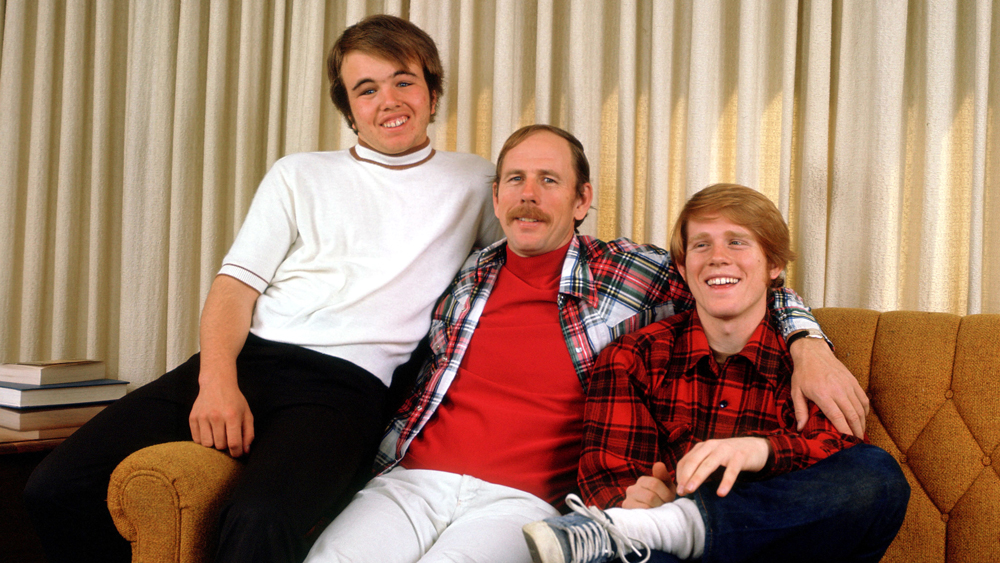

It’s not a scandalous book by any means. Ron gives hints of the “adult” nature of the “Andy Griffith” set, that there were signs Griffith showed a violent temper back home. Grownups drinking on the job and cussing around a kid seems more scandalous today than back then. There’s a lot of noting how things could be looser, and not necessarily to the benefit of child actors, in days when “getting the scene” might include shortcuts, drinking on the job wasn’t even frowned upon and spousal abuse was a punch line.
There’s zero discussion of the racial attitudes of the day, reflected in how monochromatic film and TV shows both appeared in were.
But courtship and romance, college and “Happy Days,” “American Graffiti” and cocaine addiction all are touched on in this rosy portrayal of how one raises a child actor to be dependable, be professional, be kind and not turn out a brat.
At home or on the set, Ron’s memories are the warmest and as you’d expect, Clint’s are the funniest. Well, Ron’s memories of getting his directing start from B movie king Roger Corman are warm, and a hoot.
Neither ever uses the word “blessed,” but “gratitude” spills off every page that they fill with star encounters, making friends with Richard Dreyfuss and Henry Winkler, movie making memories and off camera hijinks.
The kids came out all right, and “The Boys” lets us see how that happened, and all the places it might not have had Jean and Rance not kept their eyes on the ball and their loving hearts on their sleeves, from each boy’s birth until each parent passed away having a pretty good idea of a job well done.
The Boys, by Ron Howard and Clint Howard. William Morrow, 393 pages, $35.99.
Yes it’s “Romancing the Stone” meets “The Lost City of Z.” And yes it’s kind of mean to give Daniel Radcliffe the Danny DeVito role this time out.
Bullock hasn’t done much physical comedy of late. But hey, if Lucille Ball could manage it into her ’60s, why not?
The release date is floating around, but this could be cute when the time is right.
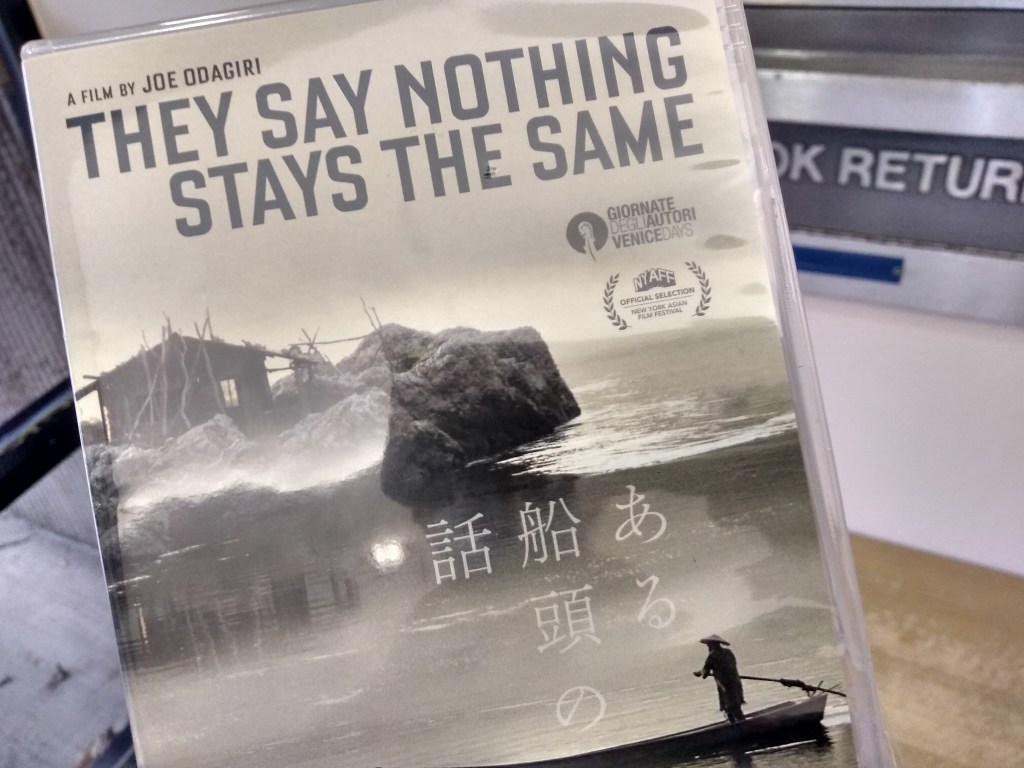
A “slow cinema” Japanese period piece, this Roger DVDseed offering comes from FilmMovement and is now in the Brevard Co. Florida library system vis its Titusville branch.
I remember liking it last year when I reviewed it. Hope the folks here like their movies with subtitles, too.
Donate your DVDs to libraries kids.
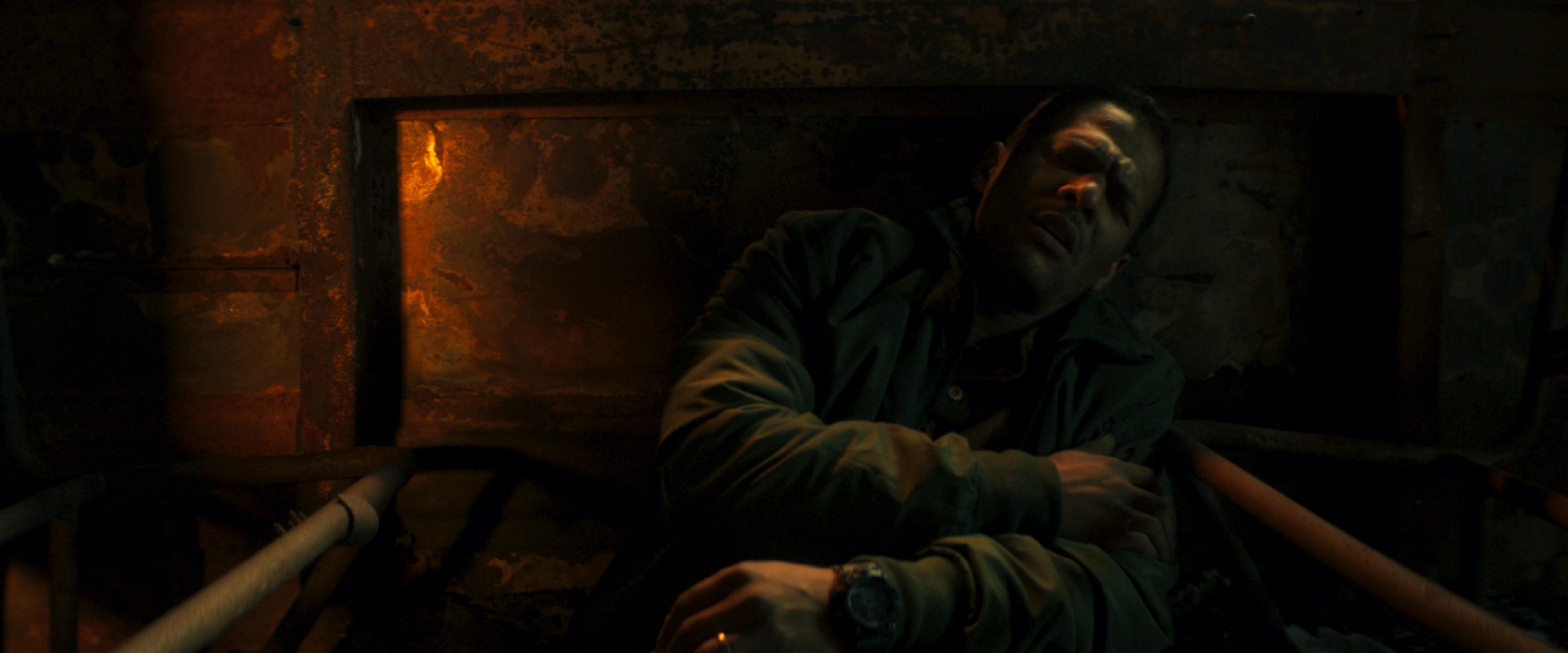
“Why are you telling me all this?” the hero wants to know when a villain downloads another large chunk of exposition and conspiracy in the South African thriller “Indemnity.”
It’s a question I ask myself scores of times a year, every time a movie lurches to a halt, every instance of “over-explaining” screenwriters feel the need to shove into their pictures. In “Indemnity,” this show-stopping nonsense happens more than once. Or twice.
Writer-director Travis Taute’s lurching, lumbering paranoid thriller is “The Bourne Variation,” another “Conspiracy Theory” with a wrongly-accused man desperately hunting for the sinister people and forces that framed him for murder.
It’s not half bad, with a couple of decent fights — and a few where the fight choreographer’s instructions are a bit too obvious — and a fine finale, the scenes that come after two or three “explanations” too many.
Veteran South African actor Jarrid Geduld (seen in “Black Sails” and “The Brothers Grimsby” in the Western Hemisphere) stars as Theo Abrams, a Cape Town firefighter on leave with post traumatic stress disorder (PTSD). He’s seeing a shrink. Still he drinks. He rages. He blacks out.
And then his journalist wife (Nicole Fortuin) gets a tip from a fellow (Abduragman Adams) we’ve seen being chased and shot at by sharp-shooting goons who mean business. There must be some reason Theo’s on this list of people a big defense contractor is keeping.
Before she or he or anybody else can get a handle on what that might be, wife Angie is dead in the bed next to Theo, and the cops abruptly show up to haul him away.
Det. Williamson (Gail Mabalane) may have sympathy for her fellow first responder, a stressed dad whose kid may become a ward of the state. But that doesn’t matter to her boss (Andre Jacobs). It’s the hoosgow for Theo.
Damned if the guy arrested and in the back of the transport van with him doesn’t try to kill Theo. Damned if he isn’t armed with a gun. Thus comes the first in a long series of implausible escapes, topped by one half-ingenious one.
Theo must brawl, shoot, sprint and steal cars, get the drop on that one bad guy who has a phone that will “direct” him, help Theo figure out why these dudes have the same tattoo (a paranoid thriller cliche) and get to the bottom of it all. Or the top, depending on how high this conspiracy reaches.
There are some pithy quips, in Afrikaans with English subtitles — “In every way this ends badly for me, it ends badly for you” to one hotel clerk he seizes at gunpoint.
The fights are brutish and personal, even if we sometimes wonder if we’re seeing a rehearsed-and-walked thru jiu jitsu demonstration, with each fighter telegraphing his moves to the other. Still, the transport van punch-out, the elevator smash-up, a fire station massacre, all propel “Indemnity” forward with force and verve.
It’s a straight-up genre picture, and that’s what these require — breathless forward motion. We’ve seen variations on this character, this plot. What matters is pacing and innovative action beats.
But it isn’t just the damned “Let me explain what’s happening to you” pauses that bring this beast to a halt. Little lapses in logic, strained efforts to tie this all together with Theo’s PTSD triggers, mentions of Theo’s “particular skills” and news clips and scenes that point to the objectives of the Big Conspiracy slow things down and make it plain to see what this is all about — too plain.
There’s little pace and almost no mystery to the proceedings. We get a surprise here and there, a nasty foe (Louw Venter), a bit too much time hanging with the cops who talk about urgency, but don’t act like they have a sense of it.
That makes this genre pic a victim of the greatest pitfall a movie like this can stumble into. It’s an 80 minute thriller loosely wrapped in a 124 minute package.

Rating: unrated, violence, profanity
Cast: Jarrid Geduld, Nicole Fortuin, Gail Mabalane, Abduragman Adams, Louw Venter and Andre Jacobs
Credits: Scripted and directed by Travis Taute. A Magnet release.
Running time: 2:04


If you want to know what the kids have been watching this weekend, they’ve been reading subtitles, brushing up on their Spanish and…biology.
“Through My Window (A través de mi ventana)” is a Spanish teens-on-the-make drama/not-rom-com built on a “Pretty in Pink” framework. It’s based on a — Book? Story? — by Wattpad fiction writer Ariana Godoy that plays around with that “in love with a rich guy while poor and maybe perfect-for-her ‘Duckie’ pines away” formula that pre-dates John Hughes by hundreds of years.
Godoy and the film’s variations on that formula? Our lovers aren’t star-crossed. They’re thrown together by a bit of wifi theft. And they’re not chaste, pining away for each other, teasing towards expressions of true love no matter what his family says. Oh no. They’re connecting carnally pretty much from the start.
Three word review? “Vapid but titillating.”
Raquel, played by screen newcomer Clare Galle, is a high schooler growing up without a dad. Like him, she sees herself as a writer. Like him, she’s unpublished and likely to remain that way, seeing as how she takes a writer’s workshop and refuses to ever share her work for evaluation by her teacher or peers.
“Through My Window” is her narrated story of her life and the torrid romance that takes it over.
Her house is “surrounded” by the mansion with courtyards owned by the too-aptly-named Hidalgo family. There are three hunky sons in that clan — Artemis, Ares and Apollo (LOL) — and the middle one is the one Raquel kind of/sort of stalks — online, and peeping in on his exercise sessions, his post-shower strutting around nude and the parade of young women who share his bed.
God of War Ares steals her wifi password — for some reason, the rich can’t get wifi that works — and dares Raquel to do something about it. He (Julio Peña) is arrogant, aloof. He knows she’s INTO him, and he feigns disinterest in the beautiful virgin next door. She can’t “report” him to anybody.
“I guess it’s not common for stalkers to report the people they’re stalking,” he purrs (in Spanish with subtitles, or dubbed). “Sleep tight, Witch.“
Yeah, he gives her a nickname. And yes, that makes him irresistible. Along with his six-pack, soccer skills, darkly handsome looks and his dismissal.
It takes no time at all for them to plunge into heavy petting and panty-shedding. None at all.
Eduard Sola’s script, based on Godoy’s story, lacks anything in the way of subtlety and a tendency to rush towards the um, climax– several climaxes.
Raquel is crushed on by her “best friend and future husband” Yoshi, who wears pink in his blond hair and is about as masculine as Jon Cryer was in “Pretty in Pink.” Yoshi (Guillermo Lasheras) is a bit of an exhibitionist, a bit dull as most doormat-characters are, and that’s all we know about him.
For that matter, every single character is so superficial and all-surface that perhaps Ms. Godoy’s fiction is published in tweets. Just guessing, mind you.
There’s Barcelona scenery and sex, posh parties and sex, and obvious foreshadowing and melodrama at every turn. Subtle? Not in the least.
As teens are the ones watching this, let’s make this a teachable moment, shall we? What’s our anti-hero allergic to, kids? It’s IMPOSSIBLE to miss, as are the few other germane plot points, underlined and highlighted so that we don’t miss them.
Still, third-string director Marçal Forés is not new to salacious sexual content (“Everlasting Love”) and shoots a few good sex scenes with our very attractive leads, and clumsily squeezes those in between shots of scenic Barcelona’s mountaintop theme park, Tibidabo.
And that’s what the kids are here for, right? The sex, not the theme park.
Rating: TV-MA, fairly explicit sex, profanity and drinking — all involving high school teens
Cast: Clara Galle, Julio Peña, Guillermo Lasheras, Pilar Castro and
Natalia Azahara.
Credits: Directed by Marçal Forés, scripted by Eduard Sola, based on a novel by
Ariana Godoy. A Netflix release.
Running time: 1:53

Inspired by a true story, “Soumaya” is a French drama that walks the tightrope between understanding a “crackdown” after a mass terrorist attack by Islamist fanatics, and resisting it on principle.
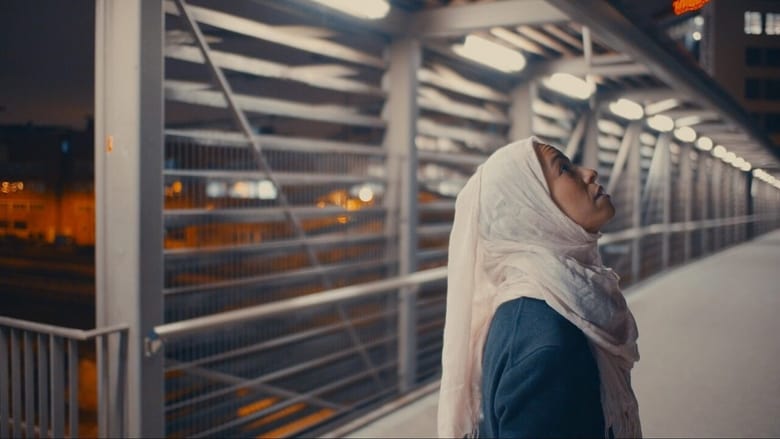
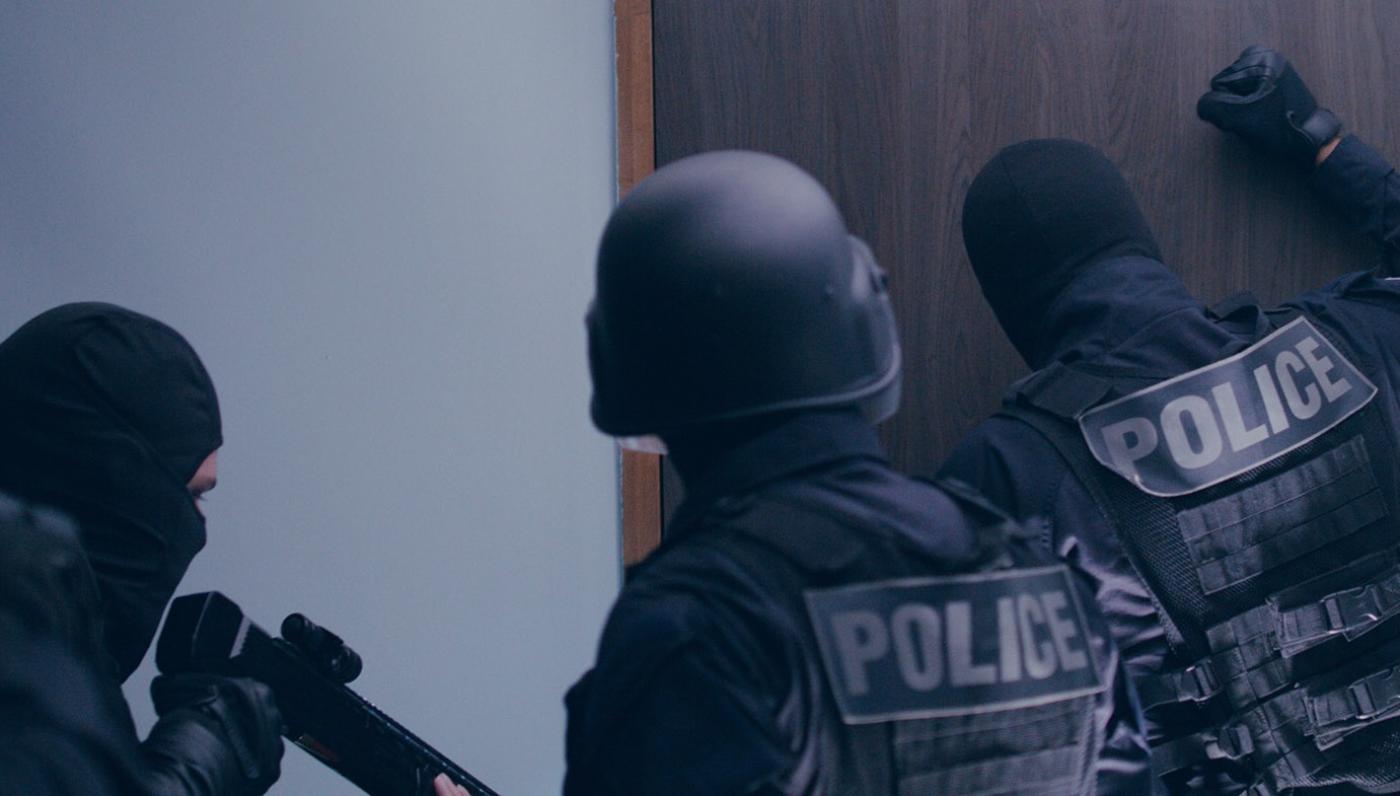
It is built around a performance that mixes despair, resignation and sublimated anger. Soraya Hachoumi plays the title character, a woman abruptly fired for “gross negligence” within days of having her apartment raided by a French SWAT team.
She figures, while she’s been summoned to the office of a higher up, that this would be a good time to complain about anti-Islamic harassment from a co-worker. She could not be more wrong. “You’ve changed” (in French with English subtitles) is the nicest thing Aurelie (Sarah Perriez) can manage.
“I doubt this will be ending here,” Soumaya snaps back.
It’s not until she hears her name on TV that we get what’s been going on — glimpses of the police raid, the dismissal thanks to a tip from the prefect of police, how Soumaya “changed.”
Something was going on in her life that got her more actively involved with a local mosque. Now she’s labeled as “connected to the jihadist community” and that her job, working in a Roissy airport management firm, gave her “access to sensitive information.”
The Nov. 15 terror attacks weren’t that long ago. And this “crackdown” has authorities deciding to err on the side of public safety concerns, and they’ve been granted state-of-emergency powers that allow them to act on suspicion, not on cold hard evidence.
Because all they have on Soumaya is that she started dressing more conservatively, got spotted changing out of her hijab in the parking lot, and is listed by name on her mosque’s website as being righteous and “on the path of Allah.”
We’ve seen Jerome (Julien Lheureux) given a lift to the airport by Kais (Khalid Berkouz). Jerome has stared at the crackdown and decided the “love it or leave it” crowd is right. He’s leaving for North Africa — Tunisia or Algeria (it’s not made clear). Kais is a lawyer who has energetically helped defend employers and others caught up in the firings of Muslims deemed “a threat to the Republic.”
When Kais abruptly switches sides after taking one case with his attack-dog boss (Karine Dogliani) too many, he finds himself representing Soumaya as she starts the process of taking her employer to court. Not that she’s crazy about this.
The film settles into Soumaya’s conflicted feelings about how hard to fight her employer and her country, pulled in different directions by her family and her lawyer and fretting about how this is impacting her seven year-old daughter.
The legal tug of war shows just how swamped the system was as this crackdown assaulted civil liberties in the name of public safety.
And then there’s white and liberal Jerome’s trek to North Africa, an idealist confronted with his own unconscious biases about the people.
Directed by Ubaydah Abu-Usayd and Waheed Khan, “Soumaya” makes its points thanks to the compelling performance at its heart. But the script (by Ubaydah Abu-Usayd and Maryam Um-Usayd), direction and editing stumble in their efforts to hide or delay revealing necessary associations.
Jerome is connected to this case, but his connection to Kais and Soumaya is blurred or so slow in coming that it adds to the film’s confusion. Every time the film drifts south to a place never identified where Jerome faces a harsh enlightenment, it loses the thread.
Directors Abu-Usayd and Khan stage some compelling courtroom scenes, and capture police over-reaction in a couple of ways.
The drama is compelling enough, and the messaging is vague by-design and with good reason. But the meandering interwoven stories don’t gel in ways heighten the drama or add weight to the message.
Soumaya the character is on the fence about what happens to her, and the film reflects that. It’s perfectly watchable, but the mixed message is too muddled to have maximum impact.

Rating: unrated
Cast: Soraya Hachoumi, Khalid Berkouz, Karine Dogliani, Islem Sehili, Sonya Mellah, Sarah Perriez and Julien Lheureux
Credits: Directed by Ubaydah Abu-Usayd and Waheed Khan, scripted by Ubaydah Abu-Usayd and Maryam Um-Usayd. An IndiePix release.
Running time: 1:43
This looks to be a fine vehicle for Samuel L., a Walter Mosely story of an old man, a lot of lost memories and his need to get them back to tidy up his life before departing it.
A bit of fantasy thus works its way into this drama, which also stars Cynthia Kaye McWilliams, Omar Benson Miller and Walton Goggins.
This begins streaming March 11.

 Movie Nation