
This Lionsgate thriller about drug money and the guy it’s owed to comes our way on a variety of platforms March 9.
Looks generic, but you never know.
This Lionsgate thriller about drug money and the guy it’s owed to comes our way on a variety of platforms March 9.
Looks generic, but you never know.

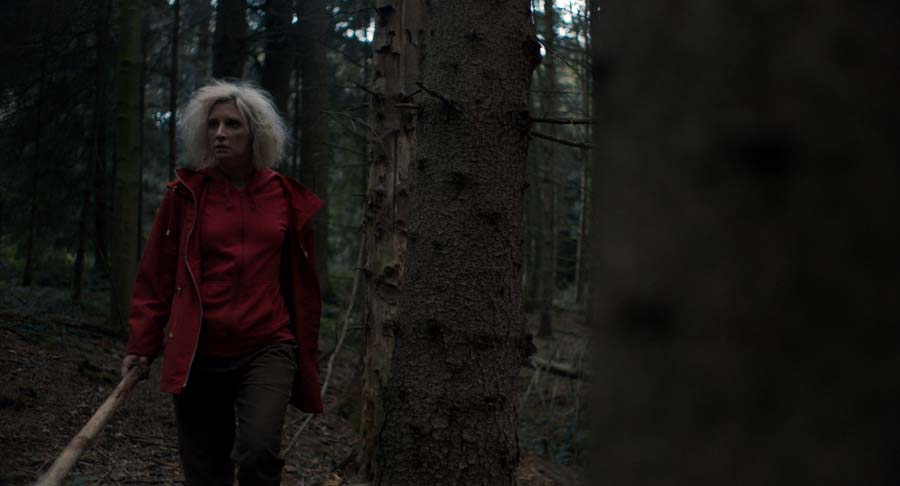
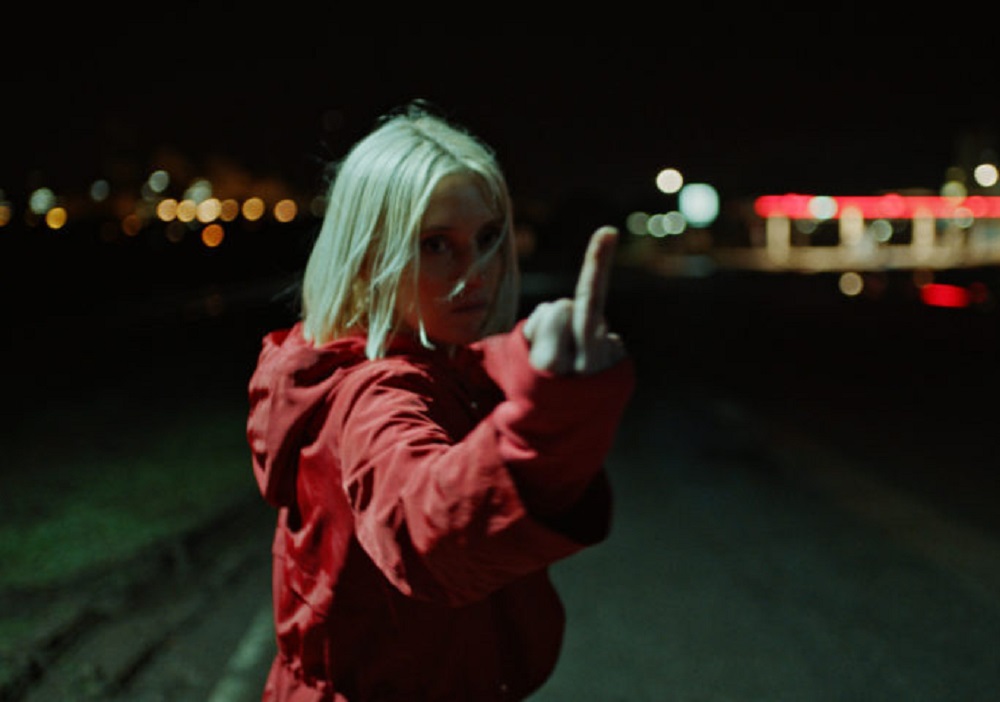
Amy Adams became a movie star playing a princess living in a land out of a fairytale, someone so “Enchanted” she could summon her forest creature friends to help her get through her day.
The English-language French thriller “Hunted?” Basically the same movie, with kidnapping, torture, bloody wounds and plot twists nuttier than anything in “The Disney Version.”
It’s a very violent woodlands parable from the co-director and screenwriter of “Persepolis,” Vincent Paronnaud. It’s a little bit “High Tension” and a lot “Alone,” with pieces of pretty much any woman-on-the-run from kidnappers movie tucked in.
Except that it’s a lot nuttier than that. It’s an escape-and-avenge fantasy that never quite settles on a tone, and never quite matches the over-the-top third act laughs to the eye-rolling opening acts, all of it bathed in bloody violence.
When wild boars, a snake, an elk, a crow and others conspire to help our damsel in distress, on the run from guys with duct tape, a camcorder, Viagra, a taser and box cutters, you have to appreciate the novelty, even if removing the animal touches would make it utterly conventional and very grim going.
“Hunted” begins with a woman telling a story (animated, with live action human silhouettes) of “the wolf girl” and “the song of the forest.” Sometimes, the forest and its creatures rise up to defend the innocent is the moral of that story.
Eve, played by Lucie Debay (“Melody”) is a Belgian English-speaking construction supervisor out in the countryside on a job. A simple drink in a bar, rebuffing one pick-up, charmed into another, turns deadly serious when the hunk who “rescued” her (Arieh Worthalter of Neflix’s “The Take”) turns their back-seat sexcapade into a kidnapping, complete with a weakest-link accomplice (Ciaran O’Brien).
“What’s happening here? Where are we going?”
Her protests seem to have talked her out of a jam, but no. Next thing we know, she’s in the old BMW’s trunk, taped and tied. As I said, they’ve come equipped for murder.
But on the drive into the woods, nature grasps her plight and she finds herself with a fighting chance.
“Hunted” flirts with torture porn, and the run of the mill elements to the script — the accomplice, cell phones aren’t your salvation, they’re what give your position away — are a drag on it for entirely too long.
The whole Helped by Nature gimmick isn’t as interesting as it sounds, but it does underscore Eve’s sylvan transformation from bullied office worker to feral fury of the forest. And the more feral Eve gets, the more fun “Hunted” becomes.
Debay is fierce in this, the villains are venal and the framing device — animated — is stylish and smart.
But the half-hearted lean into “jokey” means that “Hunted” never gets under your skin and transitions into a visceral experience. “Alone,” which came out this fall, was better at that, and even more savage.
“Hunted” is far too “enchanted” to ever manage that.

MPA Rating: unrated, graphic violence
Cast: Lucie Debay, Arieh Worthalter, Ciaran O’Brien
Credits: Directed by Vincent Paronnaud, script by Vincent Paronnaud, Léa Pernollet. A Shudder release.
Running time: 1:27
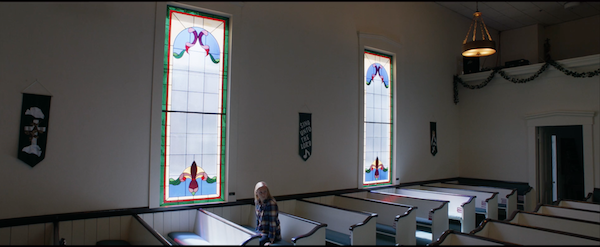
“The Wake of Light” is a dreamy, reflective movie, something of an interior monologue delivered by a stoic loner living out her limited life in a small town in the Southwest.
It’s built on lots of solitary (mostly) walks through the scenery of Sutter Creek, California by our rather colorless, closed-off heroine. For all that walking and (again mostly) interior talking, the tale is a relatively short journey, from insulated and trapped to a little bit less so. Which is a roundabout way of calling it “dull.”
Filmmaker Renji Philip returns to his longtime muse, Rome Brooks (“Cheesecake Caserole”) for this forlorn tale of loss that’s led to a life of limited risks.
Mary tends to her stroke-victim father (William Lige Morton), visits the well pump behind the family homestead and fills bottles with the crisp water that comes out. She puts a candy cane colored straw in each, loads up a tray and makes her rounds through town, selling the bottles, picking up the empties from supportive stores along the way.
She doesn’t chat with anyone much, save for the special needs kid Russell (Tyler Steelman). Even after she meets the needy/pushy traveling stranger (Matt Bush of “The Goldbergs”) she’s hard-pressed to keep a conversation going.
He talks and talks, imposes his company on her, ignoring her social signals, her “I can’t” and “I need to go now” and later “You should leave.”
Cole goes on and on, and we pick up that he’s from Danville, Va. (“Mostly rednecks and hillbillies.”) and on his way to Grand Flats, Utah, that his Honda Civic broke down on the edge of town, that he’s staying in it as he criss-crosses the country, seeing the sites.
He follows her as she makes her rounds and finally figures out a way to ingratiate himself into her world. One little repair job at her house, and he’s joining her and her silent-dad for dinner. And eventually, this woman who’s never been anywhere takes his reaching-out seriously enough to want to show him her “favorite place.”
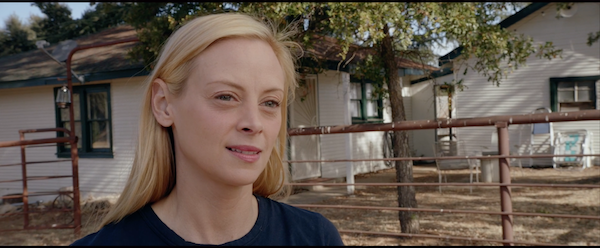

There’s little chemistry between the leads, which is somewhat by design. He’s interested, and she’s more into the solitude.
And there’s very little that happens here, just Mary narrating prayers in this place where nature can give you a sensitivity to the spiritual.
“If you’re real, show me how to find you.”
“Wake” isn’t entirely plotless, but what plot points there are don’t reach out and grab you, and don’t really reward you for meeting the movie more than halfway. What few incidents there are play as predictable and drab.
But if you’re into musing about the ethereal with an immaculately put together but uninteresting character as she sits in the sun, runs her fingers over tree bark or walks in the surf, have at it.
MPA Rating: unrated
Cast: Rome Brooks, Matt Bush, William Lige Morton, Tyler Steelman and Sandra Seeling.
Credits: Scripted and directed by Renji Philip. An Axis Pacific Filmworks release.
Running time: 1:19
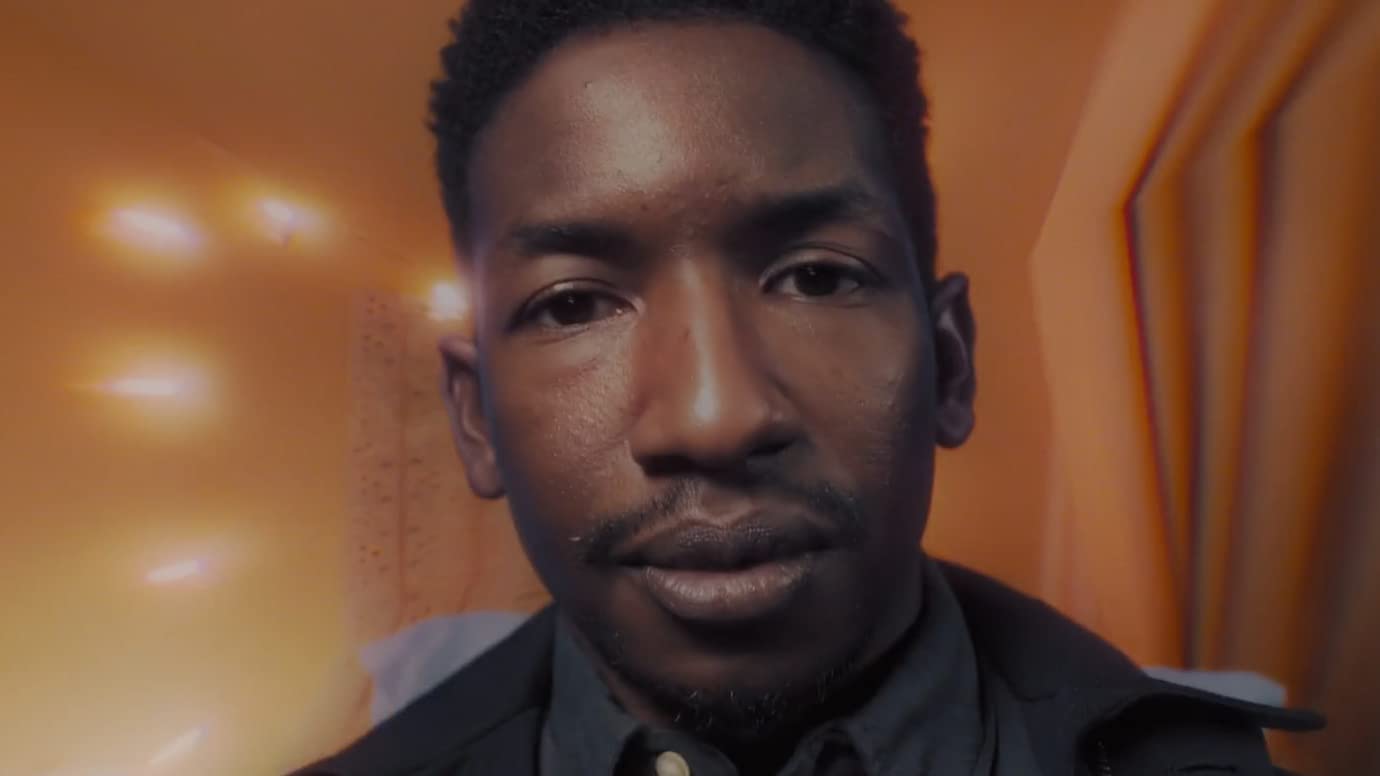
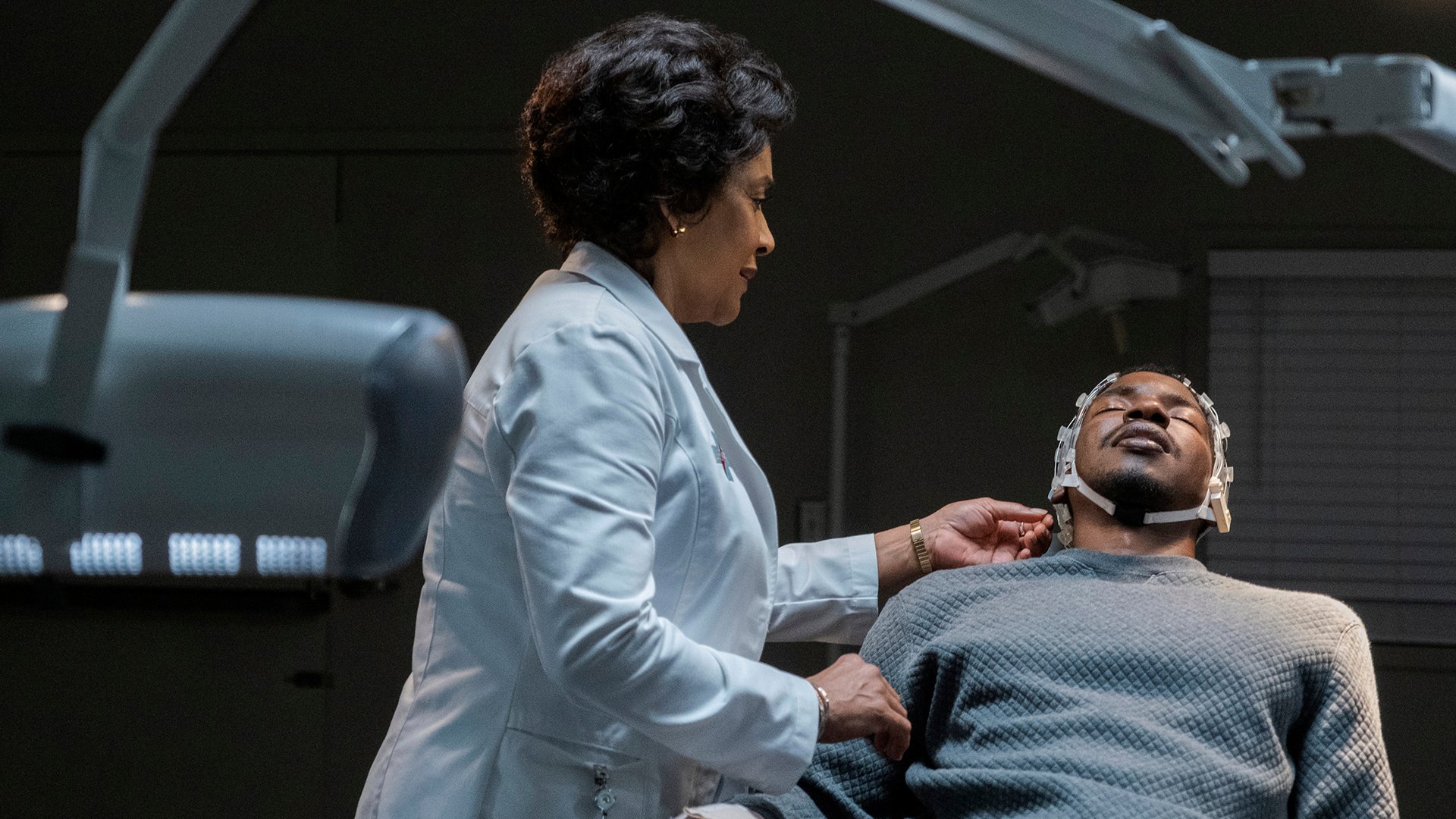
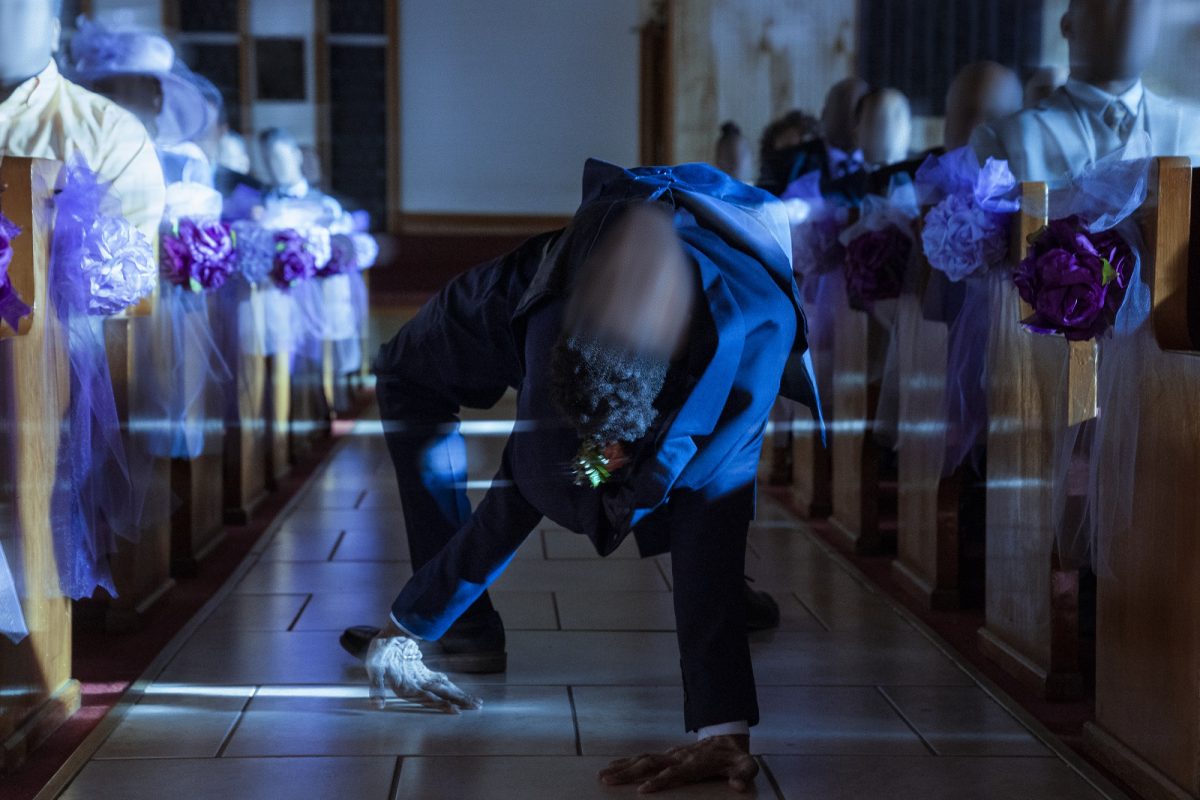
Oh the horrors of a horror film that’s not the least bit horrifying.
“Black Box” is pitched as a paranoid thriller, a sort of supernatural twist “Get Out” built on that over-used horror effect, the inverted human crab (seen above).
Hanging on an uneven (he gets better) lead performance by Mamoudou Athie (“Underwater,” “The Circle”), it gives away its secrets early and fails utterly at several thriller basics — “suspense” being paramount on that list for this Blumhouse (Amazon) bomb.
Athie stars as Nolan, a man we meet as he and wife (Najah Bradley) are cooing over their newborn.
Then he wakes up, sensing that he’s being choked out of his dream. And his little girl (Amanda Christine) is nagging him to eat his breakfast and get a move on.
His hand is bandaged, and in a moment or two, we see the hole in the wall of their Houston house. He has to be reminded of everything he has to do today — get Ava to school, job interview, “smile” when has that interview, pick Ava up, etc.
Nolan has suffered trauma. He’s being pitched “cognitive research” studies by phone. His doctor friend (Tosin Morohunfola) can give him a little help. But Nolan is lost.
He’s had a car wreck. His wife was killed. He’s lost his memories.
And he keeps having these nightmares, faceless forms attacking, choking, menacing him.
It’s only when he relents to these “studies” by a specialist (Phylicia Rashad) and her new gadget, which for purposes of the title and whatever double meaning you want to add, is called a “Black Box.”
“It’ll feel real,” she assures him. Just remember your mantra, “I run my mind, it doesn’t run me.”
Houston filmmaker Emmanuel Osei-Kuffour gives us a generic VR vision of Nolan and his dreams, which Dr. Brooks (Rashad) says she can insert memory-jarring prompts into, “bringing you back.” Worth a try.
Or…IS it? Yes, this is where he gets the faceless “crabs.”
Athie is a competent leading man, registering confusion and frustration (lashing out), but failing to make much of an impression as he does. In his character’s passive guise, he practically fades into the background, even in scenes where he’s the only human present. Underreacting to the extraordinary, taking the “confused” thing to such a degree that we wonder how much longer this eight year old’s going to be able to take care of him.
And yes, the kid upstages him.
The lack of suspense lowers the stakes, even as we figure out the mystery and shrug off the jeopardy facing all involved.
Rashad is believable, but her performance just isn’t big enough to raise the stakes and generate urgency.
And the pathos of this lost soul asserting himself and reclaiming his identity, the larger point here, is as emotional as an actor having his first read through of an appliance manual.
The tone and intent are here, but the execution of what goes on in and is caused by this “Black Box” is so lacking that it doesn’t deliver on any of its promises.

MPA Rating: unrated, violence, profanity
Cast: Mamoudou Athie, Phylicia Rashad, Amanda Christine, Tosin Morohunfola
Credits: Directed by Emmanuel Osei-Kuffour, script by Emmanuel Osei-Kuffour and Stephen Herman. A Blumhouse film, an Amazon release.
Running time: 1:40

Old movie reviewing trick, comparing a movie to a mash-up of two earlier movies. It’s a shortcut, sure. But hey, I’m not too proud to lean on it.
The Romanian documentary “Acasă, My Home” is “Beasts of the Southern Wild” meets “The Wolfpack.” It’s about a family –a BIG Roma family — living off-the-grid in an undeveloped wetland pretty much in the middle of Bucharest, and what happens when these “natural” people and their feral kids are forced to join “civilization.”
Patriarch Gica and wife Niculina have been living a dry spot in the marshy Bucharest Delta for 18 years, making a life in an improvised piecemeal shack that looks like a ghetto yurt. They have nine children who raise themselves, more or less.
Dad doesn’t have any job other than ordering his two oldest sons, Vali and Rica, to do something with their siblings or go catch the fish that will feed them for dinner.
Mom bathes the ones too young to swim in the river, cooks the fish and when warned (“The social services are coming!”) sends Rica and Vali and the brood off into the reeds to hide out until the threat of government intervention has passed. Both parents have a temper (Gica drinks), but Mom is the one whose threats curdle the blood.
“If they come (to take her children), I will KILL them!”
The kids roam and swim, catch and torment wildlife (geese), fish and scavenge. They cough a lot, are ill-clad and probably ill-fed, if their missing-teeth parents are any indication.
But as Vali gets older, we can see him tiring of the burden these two louts have laid on him. And a brushfire, which they didn’t start, is just the latest way attention is cast on them and their primitive way of life.
The city wants to turn the wetlands into Văcărești Urban Park. And every time officials (police, school system employees, park planners) come through, the end to their way of life moves a step closer.
Gica is sure they’ll make him the ranger there, because “Nobody knows this place like I do.” But all he knows is what they can scavenge out of it, and even that he doesn’t know that well. His kids do that work for him.
Prince Charles comes for the groundbreaking (the kids dress up in their best track suits), and next thing you know, the entire family is moved — under vehement protest — and put “in the system.”
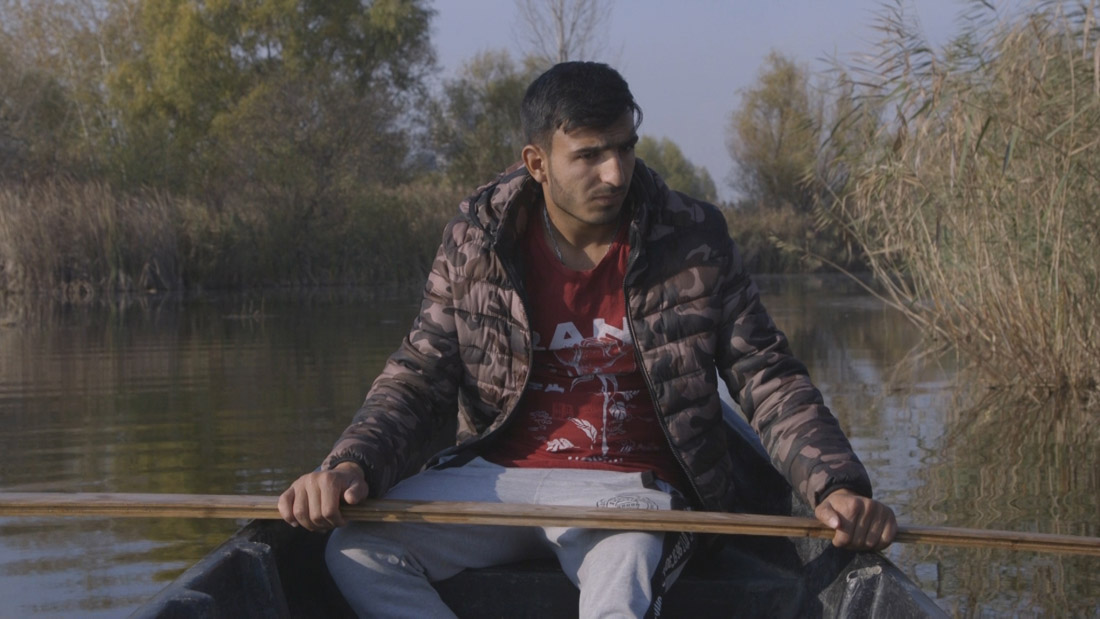

Radu Ciorniciuc has made a lovely looking film about a quite marginal — dirty and primal — way of living. Many Roma live in trailers and on society’s margins. This family seems less of a social burden than typical “Gypsy neighborhoods” have typically been regarded.
The endless fishing and hustling Vila has to do, the family’s decision to trap and slaughter one of their semi-feral pet pigs, the soundtrack of mewling infants and crying kids, it’s not something one instantly regards as “natural” and worth emulating.
And then they’re moved into housing, which they can’t keep clean, and children who’ve been romping through the water in summer and snow in winter are in school and learning, and in trouble when they’re out of school.
Fishing where fishing isn’t allowed, swimming beneath an underpass’s “No swimming allowed” signs, bickering with neighbors when their street play makes a racket or scratches parked cars — with their parents just sitting back and laughing at most of this — we look at the kids as a sociological experiment going wrong.
The adults? Poster parents for “sloth.”
They don’t want to hear that “You’re endangering the children’s lives” (in Romanian with English subtitles). They want the traditional freedom to do with them what they will.
Like the two films this resembles, it has its cringe-worthy moments. We wait on a child to drown, or get a barefoot cut that’s infected in the polluted water. But the one trip to the hospital feels anti-climactic.
Ciorniciuc may get his camera close, but you really do get the feeling that he’s taking in all this and looking it over at arm’s length. The “natural is better” message built into such stories doesn’t hold water as the government assistance barely tames them at all.
Still, it’s a fascinating peek into another way of living, urban Roma (“Gypsies”) who refuse to assimilate or accommodate, to look backward even as they’re steadfastly refusing to plan ahead.

MPA Rating: unrated, some profanity
Cast: Gica Enache, Vali Enache, Rica Enache, Niculina Nedelcu
Credits: Directed by Radu Ciorniciuc. A Zeitgeist/Kino Lorber release.
Running time: 1:25

A North Dakota rancher accused of neglecting his livestock becomes a fictional Big Conspiracy wingnut wet dream in “The Stand at Paxton County,” a nasty little piece of prairie propaganda that no film distributor would touch but Netflix has picked up for streaming.
So “true story?” Not exactly. Not even close.
It’s a film of animal rights activists conspiring with veterinarians and a corrupt sheriff’s department to seize animals and perhaps, it’s suggested, ranches themselves.
The little hints of truth — aged farmers and ranchers losing their grip on operations and animals that they aren’t able to pass down as their children are moving away — is buried under a mountain of horse manure, weekly newspaper “hit” pieces on targeted ranchers, animals seized for cash value and the fond hope that failing ranchers will just commit suicide.
Jacqueline Toboni plays Janna, a surgeon summoned from her Army field hospital in the Middle East back home to North Dakota because there’s trouble on the ranch. Her curmudgeonly dad (Michael O’Neill), was confronted with surprise inspections from the sheriff’s department and state-authorized veterinarians who have found the place in disrepair and the horses he keeps skin and bones.
Dell had a heart attack.
When Janna gets back, she wonders who ratted them out, wonders why the hunky ranch hand who was supposed to be keeping the place up didn’t do the work and wonders where that ranch hand ran off to once the inspections begin and the ranch is imperiled.
For some reason, this corner of Western North Dakota (it was filmed in California) is covered by a snooty reporter from The Fergus Falls Gazette, when Fergus Falls is hundreds of miles away, in Minnesota.
Anyway, Janna and this newer hunky ranch hand (Tyler Jacob Moore) and a local lawyer team up to fight whatever conspiracy is behind all this and save the ranch.
Christopher MacDonald (“Quiz Show”) plays the sheriff, who might be sympathetic but might just be in on it, too.
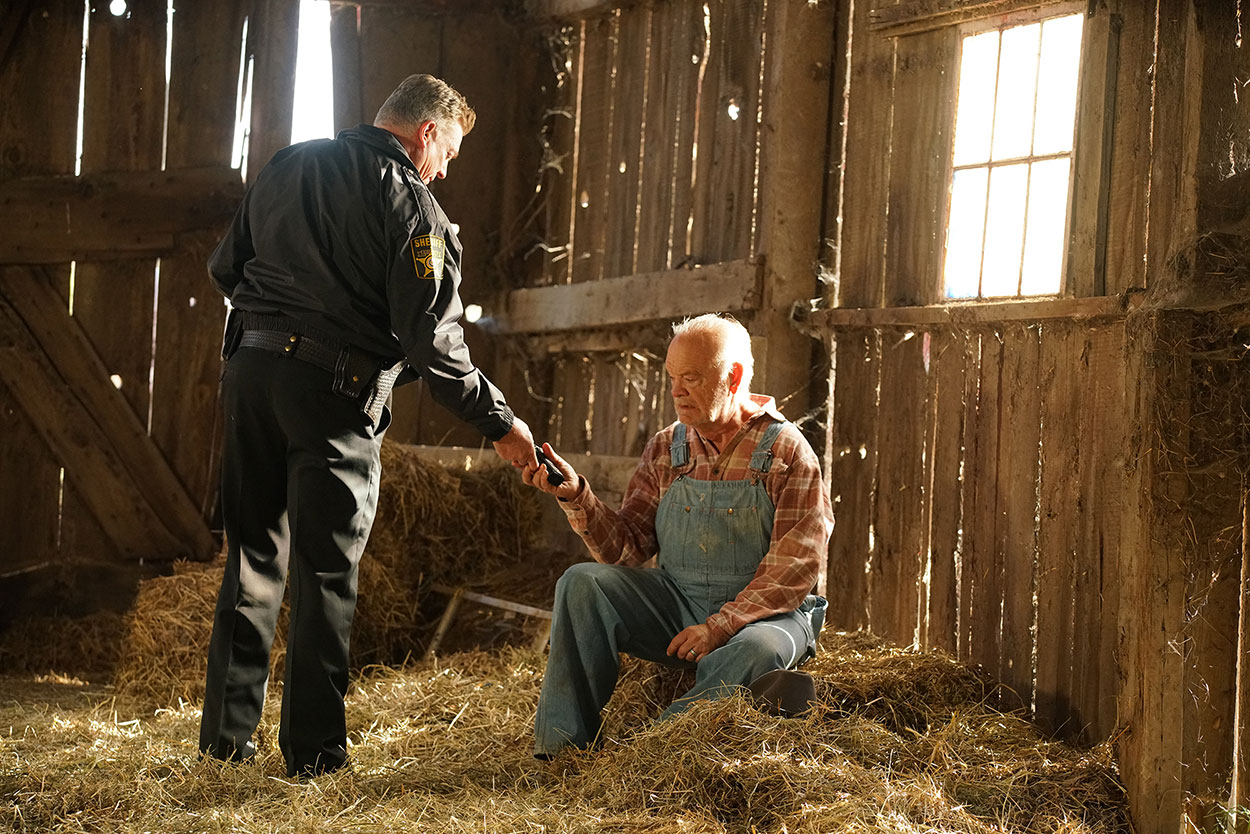
The leads are fairly low on the charisma pecking order, save for MacDonald, and the movie’s drama is tepid, even at its most worked-up.
The picture is designed to push a lot of buttons and isn’t the least bit subtle, or honest about it. Got to have a soldier so you can wrap all this up in the flag and camo, got to have “liberal elites” taken on by slow-talking cowgirls, cowboys and their kin. Even the lawyer’s wearing a ten gallon hat.
But maybe you don’t see how you’re being played.
If you’re an angry, anti-government Western conservative looking for comfort that “they’re out to get Real Americans” in this, I have a news flash for you. Big Oil anti-environmentalist Lucas Oil money backed the picture. These are the same right wing propagandists who blamed environmentalists for droughts in “Pray for Rain.”
THAT is your real conspiracy.
Any time you muck out a barn, you’re getting a gander at what the Lucas (Kochs without the clout) clan is serving up in feature film form. They’re full of it. I didn’t have to look up the production company’s real owners to smell Lucas BS, HS and whatever other S they’re serving up here.

MPA Rating: R for some violence and language
Cast: Jacqueline Toboni, Michael O’Neill, Tyler Jacob Moore and Christopher MacDonald.
Credits: Directed by Brett Hedlund, script by Carl Morris, David Michael O’Neill. An ESX Entertainment Netflix
Running time: 1:42
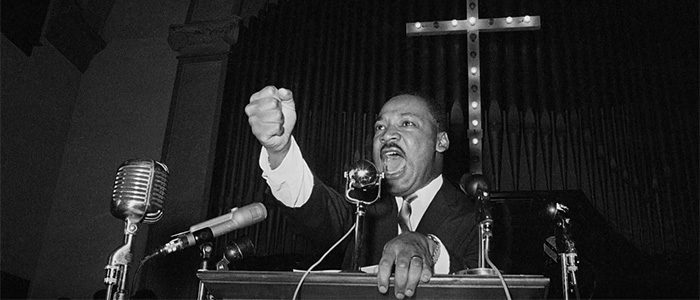
The National Archives has most of the papers and all of the tapes recorded in the FBI’s years of surveilling Dr. Martin Luther King, Jr. under lock and key, hidden from public view until 2027.
So there’s nothing salacious in the new documentary about the Bureau’s investigation of King, “MLK/FBI.” What this film sets out to document, put into context and explain is something that began life as Bureau File Number 100-106670 and that came to look, with hindsight, like a vendetta against the civil rights leader and Nobel laureate.
Sam Pollard, an African American documentarian with “Eyes on the Prize” and many PBS documentaries on the African American experience on his resume, talks with academics, King confidante Andrew Young, former FBI chief James Comey and author David J. Garrow, whose book “The FBI and Martin Luther King, Jr. — From ‘Solo’ to Memphis.”
They map out this decade-long operation, code-named “Solo,” through its secret wiretaps and phone bugs to the nasty public pronouncements of longtime Bureau chief J. Edgar Hoover, who grew up in a white supremacist culture that had a lot to do with his growing obsession with King.
But it all began with “communism.”
As King’s many speeches and TV interviews, along with archival coverage of civil rights marches of the era and snippets of the many FBI-fluffing TV shows and movies popular back then play out, Pollard’s unseen (until the closing credits) interview subjects lay out how King’s connection with a Jewish New York lawyer, businessman and advisor in the mid-1950s piqued the Bureau’s interest and forever-marked the civil rights leader as a communist pawn in the eyes of the conservative white men who ran the FBI.
To Hoover and his domestic intelligence chief, William Sullivan, King’s association with longtime communist activist Stanley Levison was the only excuse they needed to go after “the most dangerous Negro in America.”
Young, who went on to become mayor of Atlanta, a Congressman and US Ambassador to the UN, recalls King’s efforts to recruit and drill into people in “the movement” folks who “come off as sane and patriotic,” which it turns out meant nothing to the FBI.
King, told by the Kennedys to distance himself from Levison, claimed he did just that, but “MLK/FBI” suggests that they never totally ended their association.
We hear President Lyndon Johnson fretting over the phone about what he was being told about King by Hoover, wondering to an unnamed aide if there wasn’t somebody who could warn King to curb his womanizing. But those close to King who knew they’d been wiretapped tried to do just that, and King refused to believe them.
And we see, in interviews and speeches, just what about King drove Hoover so crazy. The singularly eloquent King turned every public Hoover attack around on the Bureau chief whose agency was slow-footed in tracking down racist murderers, Birmingham church bombers and the like.
The suggestion that the Bureau should have seen King’s assassin, James Earl Ray, coming explains why some still question whether the Bureau was somehow involved in the Lorraine Motel murder.
However, the film doesn’t overreach in setting the FBI director up as the villain, with authors like Beverly Gage and Donna Murch noting that Hoover wasn’t a one-man operation or disconnected from the culture.
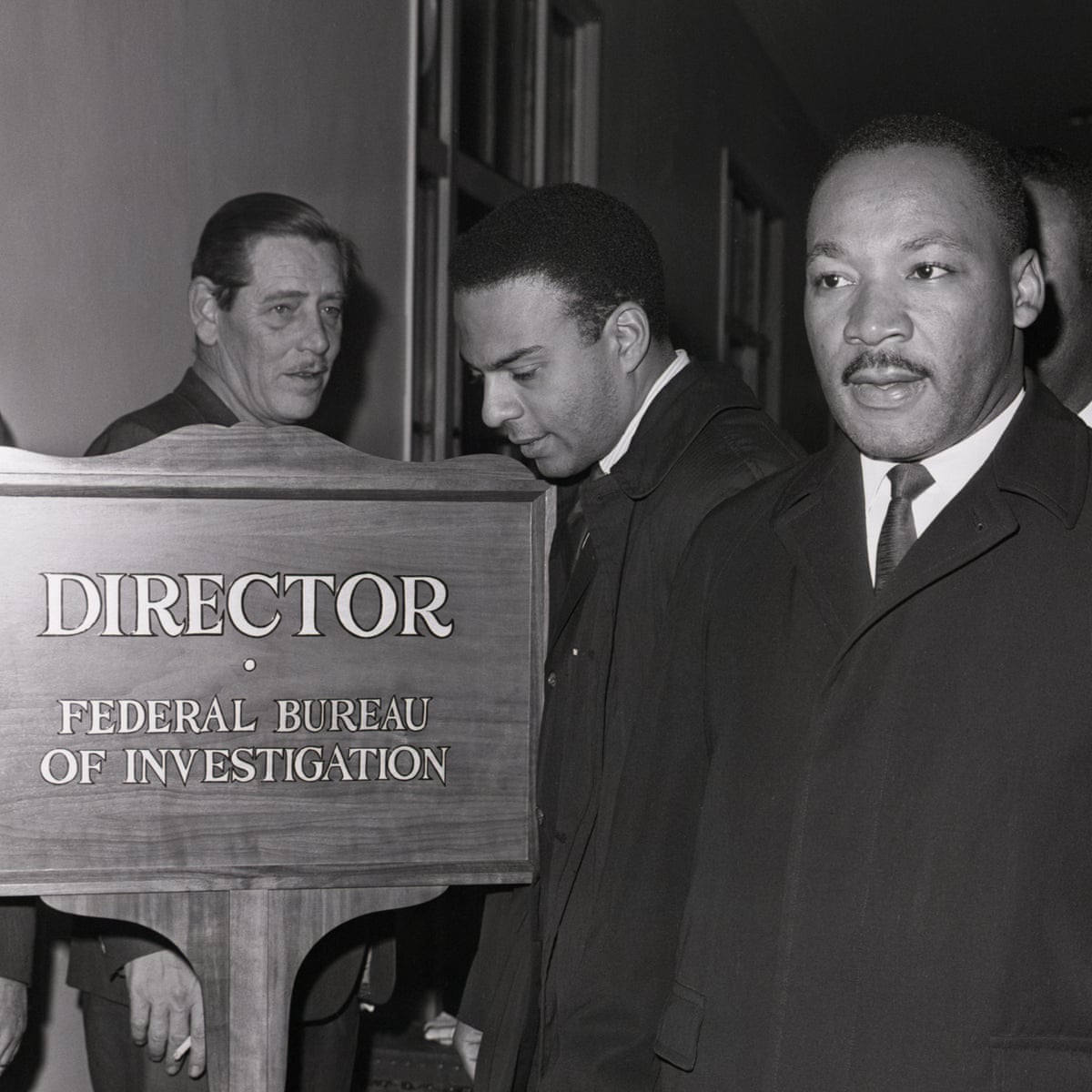
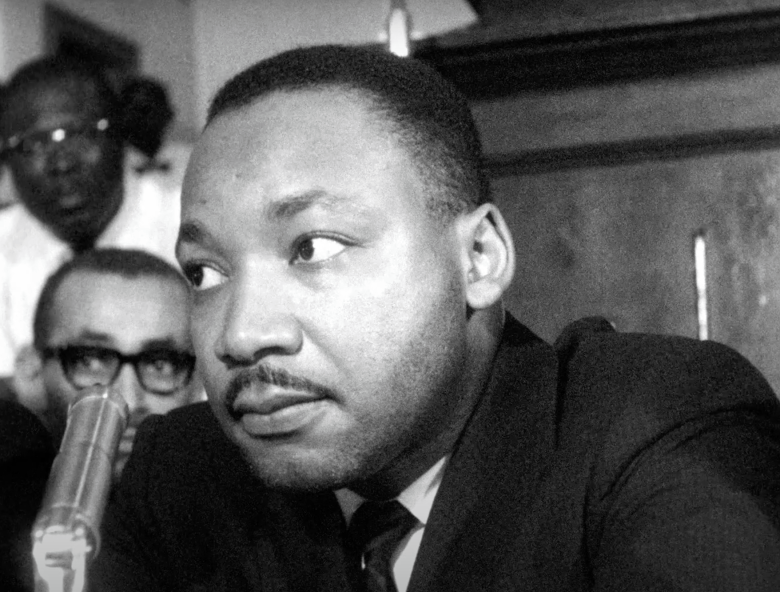
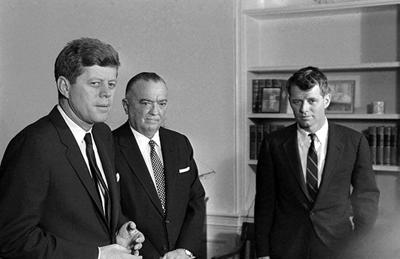
King’s fears, once the FBI made its most direct threat at “exposing” him, that some news organization would publish evidence of his infidelities, isn’t explored at length. Did some know and yet question the motives of the government for trying to smear him? “Witnessed” and “laughed at” a rape? That allegation, true or fabricated, would have had dire consequences.
King dominates the conversation in the film as he did in life, laying out the depth of the social ills he attacked, the ingrained violence against Black people in American culture at large, telling interviewers “The only way they can grapple with their prejudices is to admit that that they have them.”
But will his status as “the moral leader” of the America of his day change in 2027? That question is bandied about but left hanging by “MLK/FBI.” We’ll have to wait until the last of the documents and the tapes come out, and for a future documentary that includes them, to know the answer.
For now, we have this sturdy PBS-friendly documentary that summarizes the conflict without scandalizing the historical icon Hoover so fervently wanted to take down.
MPA Rating: unrated
Cast: The voices of Martin Luther King, Jr., Andrew Young, Beverly Gage, Donna Murch, James Comey, many others
Credits: Directed by Sam Pollard, script by Benjamin Hedin and Laura Tomaselli. An IFC release.
Running time: 1:44
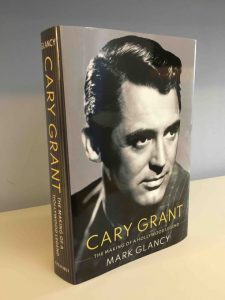
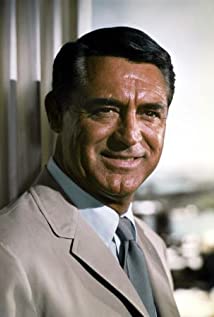
You read enough sloppy Cary Grant biographies, you tend to give up on him as a subject and spend your Golden Age of Hollywood reading time on less controversial icons of the era.
But when Oxford University Press puts an academic on the case, and he takes the time to go through Grant’s letters, diaries, many scrapbooks and even home movies, something author Mark Glancy insists those before him never did, or at best perused, you flip open “The Making of a Hollywood Legend.”
Here’s the test of any “new” Cary Grant biography. Turn to the index and see if “Scotty Bowers” is listed. He’s the bisexual Hollywood hooker whose alleged exploits with everybody-who-was-anybody during that “Golden Age” included declaring he’d been with Grant and Grant’s most oft-named Hollywood same sex lover, cowboy B-lister Randolph Scott.
As Bowers had at least one claim buttressed by famed gossip maven Liz Smith before her death — that Katherine Hepburn was bisexual — you had to take him at least a little seriously. Maybe not a lot. Hollywood “hangers on” have always sought to give meaning to their on-the-periphery existence out there with claims of various sorts.
And Bowers isn’t in Glancy’s book. So you know going in that he’s either a British classist looking askance at a common, opportunistic prostitute, and trapped in “binary” thought about sexuality, or he’s got enough evidence that he can address those long-standing rumors (Grant even sued Chevy Chase for “outing” him in the ’70s) without ever giving the now-dead Bowers, his book or documentary more publicity.
Reading “The Making of a Hollywood Legend,” I detected a bit of both — British jingoism defending his fellow countryman, so much of it that things that should raise an eyebrow are papered-over by Glancy, and the testimony of ex-wives, girlfriends and others that Grant liked them lithe and blonde and female.
So despite his “forensic” digging into Grant’s life story, I can’t say Glancy settles that debate in the first big Grant bio to come out in the age of “Sexuality doesn’t really matter.” As it shouldn’t.
Grant was a deft comedian — his “staccato” speaking style and accent lending itself to screwball comedies, his vaudeville tumbler/acrobat background giving him the gift of physical shtick as well. He was a marvelously mysterious heavy on occasion, and handled characters that covered a lot of ground in between those extremes.
Glancy dissects the movies and the former Archibald Alec Leach’s performances in them, and building on the work of many who came before him, psychoanalyzes the oft-married/always-dating slow-to-commit adult whose mother was taken from him, thrown into an asylum by her tom-catting working class husband, with young Archie told that his mother was “dead.” He didn’t learn she wasn’t until he was rich and famous.
That’s a scar that doesn’t heal. It was only when he got into psychotherapy in his 50s (LSD was a part of his treatment) that the workaholic Grant found some peace.
More interesting to me is all the material about Grant’s insistence on doing what few other actors would put themselves through, watching his “dailies” during filming. He was analyzing his performances, figuring out what he did well, what roles suited him.
He met silent screen star Douglas Fairbanks as a teen tumbler and decided that was what a movie star looked like — tanned, toothy, perfectly-put-together, athletic, light on his feet.
His stage name was taken from a character he played on Broadway in a show with Fay Wray, carrying a crush on his co-star (who later became King Kong’s leading lady) all the way to Hollywood. She’s the one who said “Cary” he should be.
Paramount put him under contract and he made a lot of forgettable movies there. But he developed a notion of what he’d be good at and changed the rules when that contract ran out, a free-lancer who had director, script and story approval, a star who would provide his own clothes for roles, protecting his dapper, polished image…and getting a tax write-off for his wardrobe.
Co-star after co-star would note how he’d learned blocking and lighting, insisting on one profile, knowing where his key light should be, always to the most flattering effect.
He got so good so fast — “The Awful Truth” to “Bringing Up Baby” to “The Front Page” — that Hollywood overlooked him at the Oscars, taking his effortless performances at “effortless” face value.
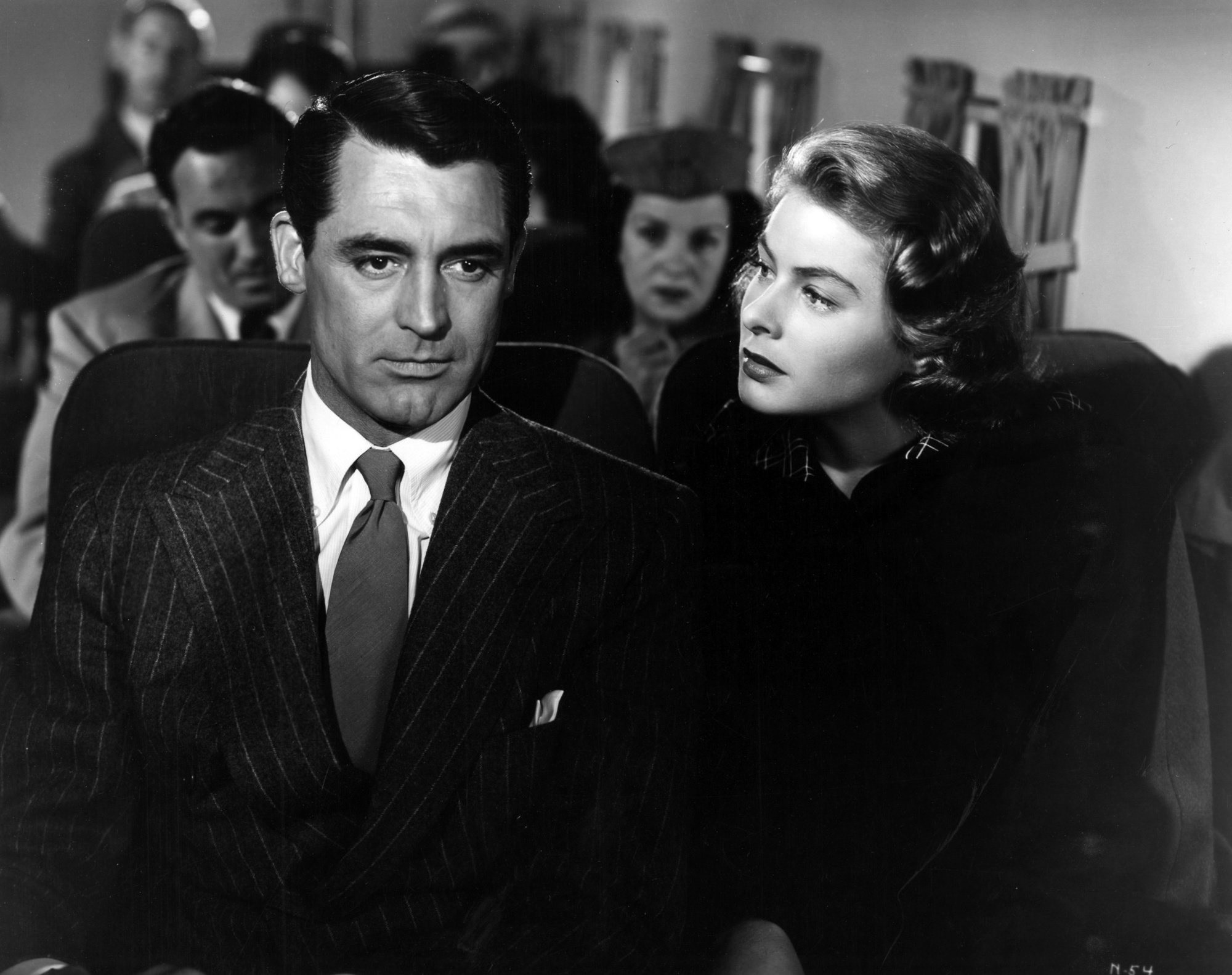
And he became his fellow working class Brit Hitchcock’s alter ego, which ensured his longevity long past most leading men’s expiration date. Glancy takes a deep dive into Grant and Hitchcock’s masterpiece, the movie most people think of when they think “Cary Grant” — “North by Northwest.”
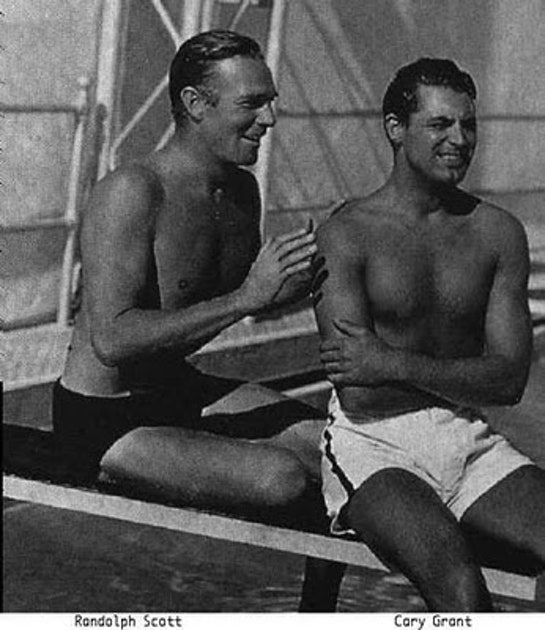
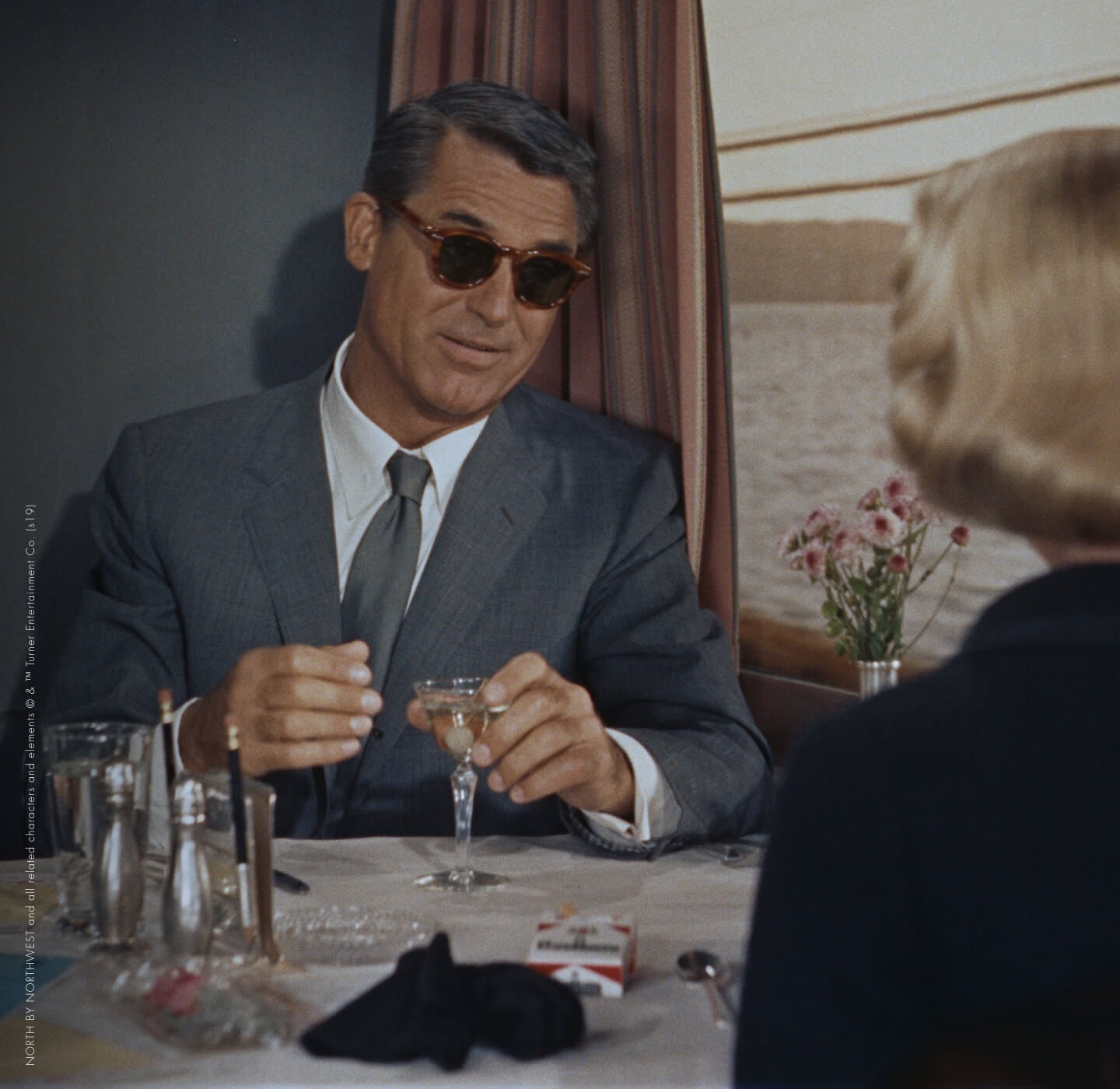
Yes, he was close friends — at the very least — with longtime roommate and onetime co-star Randolph Scott. Yes, there was that one day a gay studio photographer came out to stage “bachelors at home” shots for widely published magazine articles on two rising Paramount stars. And yes, Grant was quick to improv or merely throw himself into a “gay” quip on screen, and cross-dressed more than once in his comedies.
But nobody’s ever published a “smoking gun” that proves Grant was anything less than working class Bristol heterosexual. Well, aside from Glancy himself — who unearthed some unpublished thoughts by Grant’s early New York career gay roommate, who went on to become a famous costume designer (“No,” said Jack “Orry-Kelly.”). Glancy also notes the gay secretary living with Grant and Scott in Santa Monica and the real reason teen Archie Leach was kicked out of school at 14.
But since acceptance is far more the rule of the day, and nobody today begrudges a star being both a heterosexual heartthrob and a gay icon, perhaps Glancy has weighted that discussion where it should have been all along — not all that relevant.
In getting at Grant’s personal papers, decades of good, bad and indifferent reviews clipped and saved, Glancy gives us a take on Grant outside of the ex-wives, cut-and-paste researchers and professional “pathographers,” those who make a living writing scandalous things about the famous and dead. It’s a good, thorough read and may hint at a change in the winds of how we look at this famously private, famously gorgeous and underrated movie star.
“Cary Grant: The Making of a Hollywood Legend,” by Mark Glancy. Oxford University Press, 539 pages, $34.95.
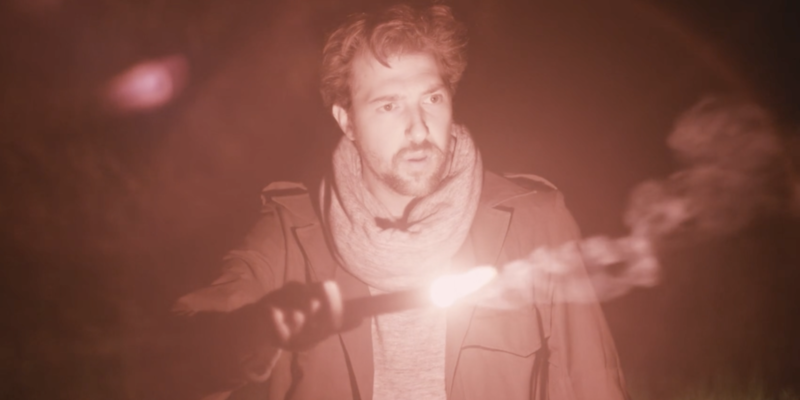
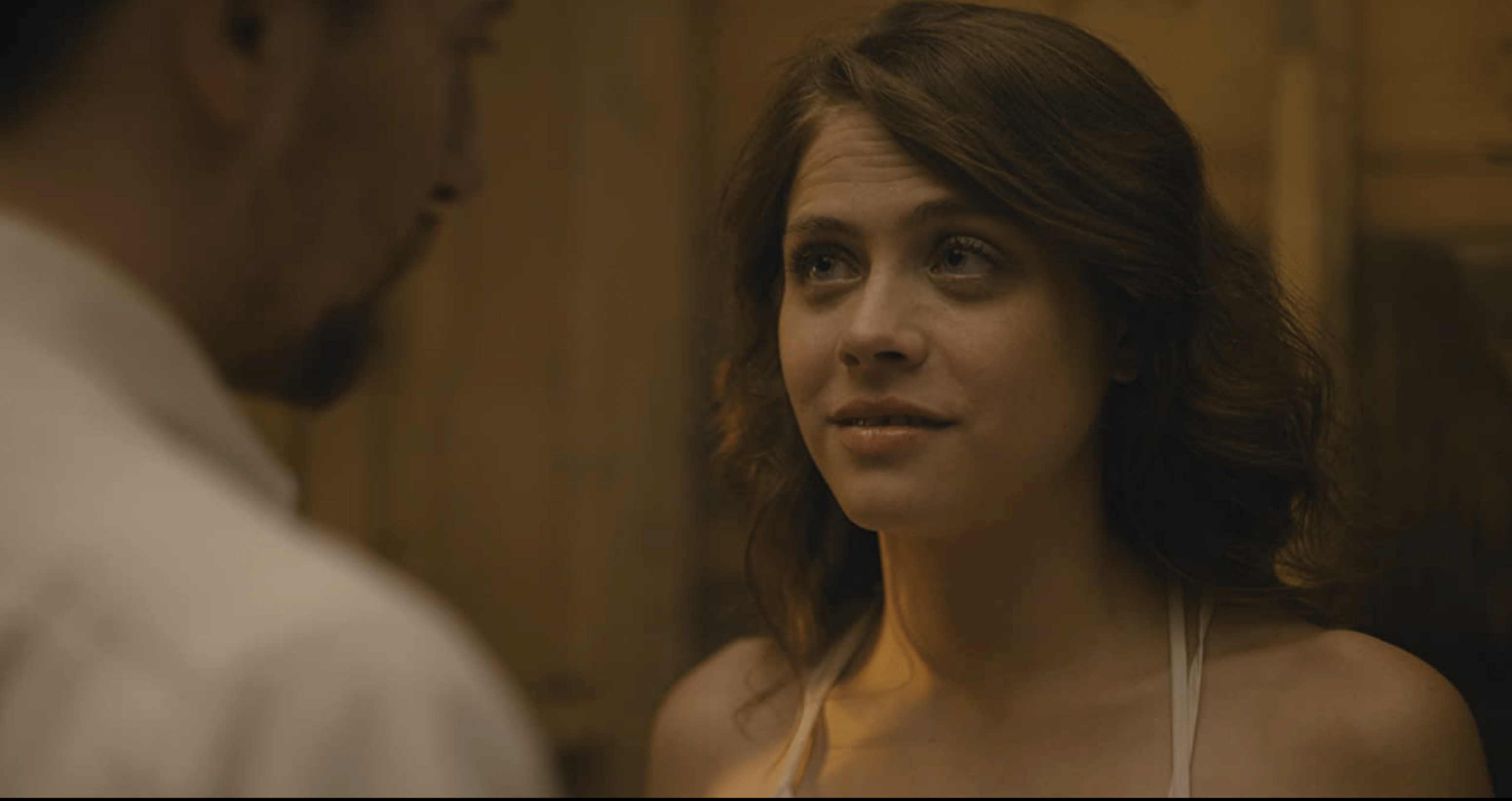
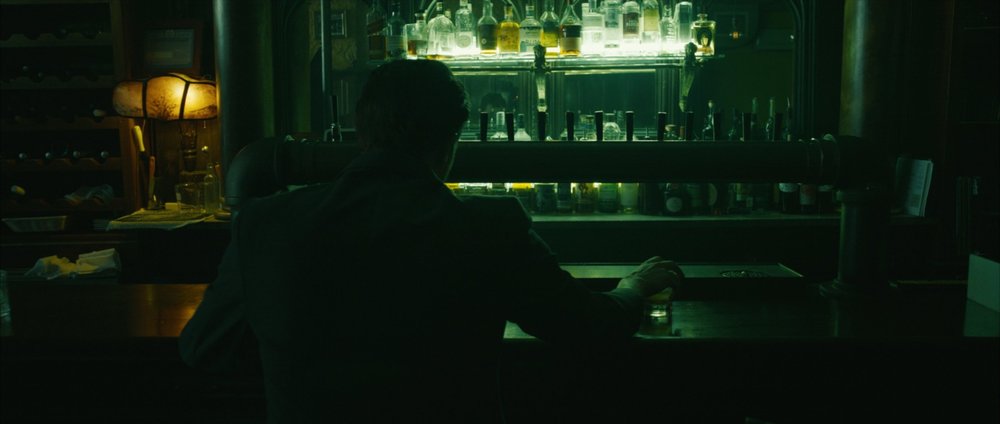
Adam shows up at a “surprise” birthday party thrown in a bar thrown for him, where no one knows him other that his “best friend.”
“I’m your best friend, and I hate you.”
At least Kyle (Nore Davis) sets him up. Awkward silences, more awkward sentences later, and somehow she and Adam hit it off. “Settle up” your tab K (Olivia Luccardi) advises him. He does, but when he opens the door for her to get into his car, she’s vanished. And the look on Adam’s face gives away just a hint of shock before a wave of resignation crosses it.
It always does.
Actor turned actor/writer/director Alex Knapp‘s “Go/Don’t Go” is an obscurant cinematic journey into one man’s existential crisis, a long dark night of the single man’s soul. Because whatever happened in that bar that night, whatever followed it, his “present” is hell — a hell, we come to believe, that exists entirely in his own skull.
Adam (Knapp) is obsessed with lightbulbs, taking them out of empty houses, burying them under a cross he makes and paints on a hillside near where he lives.
Any time Adam finds a phone, he calls to leave himself messages — “Hi, it’s me. You me.” Don’t forget to hit the market when you get this message.
The market is nearly out of stock, but the messages remind him of where that last box of powdered milk is.
He takes batting practice, via pitching machine, at a steadily more overgrown ball field. He wanders a vast vacant bowling alley. And he goes to “work,” donning coveralls to take another shot at fixing a pickup truck in a garage.
Every car he sees he marks up with an “x.” Because it no longer starts? Every empty house he inspects gets another “x.” After he’s removed a light bulb.
Is this what the apocalypse will look like, “I Am Legend” at least in my own mind?
“Outer Limits” flickerhops onto his TV. And on a radio — in the shop where he works, or in a car — mournful tunes play out in between 1976 Cincinatti Reds World Series games and chat shows where a host talks about people “stuck in nostalgia.”
One song stands out. “I’ve done a bad thing,” a man sings, “and I’m paying for it right now.”
How you take “Go/Don’t Go” depends on your tolerance for minimalism, existentialism and cinema that’s almost devoid of incident. “Obscurant” means “deliberately obscure,” withholding information, teasing or challenging. That’s what’s going on here.
It’s not impossible to break the code in this Big Metaphor/Little Movie. But aside from a few arresting images — that bowling alley could have been Charlton Heston in “The Omega Man” at the movies — there’s not enough going on to demand attention or hold one’s interest.

MPA Rating: Unrated
Cast: Alex Knapp, Olivia Luccardi, Nore Davis, Zoey Wagner
Credits: Scripted and directed by Alex Knapp. A Gravitas Ventures release.
Running time: 1:32

 Movie Nation