Classic Film Review: An Essential French Farce — “The Mad Adventures of Rabbi Jacob” (1973)

You may think you’ve seen every pull-out-all-the-stops, spend all the money, make-a-laugh-a-minute romps the cinema had to offer in the “Mad Mad Mad World,” “Italian Job” ’60s and “Silent Movie” to “1941” ’70s.

But if you’ve missed the French farce “The Mad Adventures of Rabbi Jacob,” hang your head in shame, or at least mild embarrassment. This riotous, sight-gag/punchline-packed comedy has slapstick and satire, lampooned bigotry and packed enough political bite that someone hijacked a jet demanding that it be withheld from release back in 1973.

Pre-“Blazing Saddles” and “Airplane!,” “Rabbi Jacob” could make a claim to having more “gags per minute” than any film anybody had ever seen. And a lot of them, I’m happy to report, still land. It’s still one of the funniest films of the ’70s.

It stars famed French clown Louis de Funès, a Gallic Red Skelton, Jim Carrey or Marlon Wayans, as at home with a punchline as he was making a funny face. The journey his character takes here is one from racism, anti-Semitism and xenophobia to some sort of “enlightenment,” played out through 95 slapshticky minutes.

But he isn’t the title character. Rabbi Jacob is a New Yorker whose noisy send-off for his first return to France since before World War II opens the film. Rabbi Jacob is going to Paris to preside over a grand nephew’s bar mitzvah. The Hasidic rabbi is played by the great Marcel Dalio, a Jewish star of pre-war French cinema (“The Rules of the Game”) who fled to Hollywood when the Germans invaded and became a Hollywood character actor and bit player. He was the croupier in “Casablanca,” “Frenchy” in “To Have and Have Not.”

But the esteemed rabbi, whose congregation picks up his Yellow Cab and lifts it over a traffic jam to get him to the plane, is absent for much of the picture. The movie’s about a manic, mean and motor-mouthed factory owner, Pivert (de Funès) who gets mixed up in an assassination attempt on the eve of his daughter’s wedding and winds up impersonating the Rebbe before the long night and day that follows is done.

First, crazed Pivert has to jam his Citroen DS, with a motorboat lashed to its roof (motor included), through a traffic jam, scaring his poor chauffeur Salomon (Henri Guybet) to death. Of course they end up in the water, but not before Pivert has insulted every nationality (“I HATE the English…Belgians…Swiss…Germans.”) he almost runs into, and not before he’s gone full-on racist when they pass an inter-racial wedding.

“Darkies” in a “Rolls Royce,” he fumes. What is France coming to?

Imagine his shock when he takes so long on their drive that Salomon gets out of the car and refuses to operate anything mechanical or electrical as they’ve passed over into Shabbat. He’s devout, and his boss never knew he was Jewish any more than he knows his schtickle from his shtreimal, or kosher from pisher.

That’s how the loony tune winds up on his own, stumbling into the Yankee chewing gum works where he interrupts Col Farès (Renzo Montagnani) and his Middle Eastern minions who are about to execute Third World revolutionary Mohamed Slimane (Claude Giraud), who has been stirring things up back home.

As Pivert gums up the gumworks, Slimane takes Pivert hostage and they’re stuck together (ahem) trying to make their getaway, with Pivert in more and more trouble with the law as they do.

And then they disguise themselves as Hasidic Jews and darned if they aren’t mistaken for Rabbi You-Know-Who.
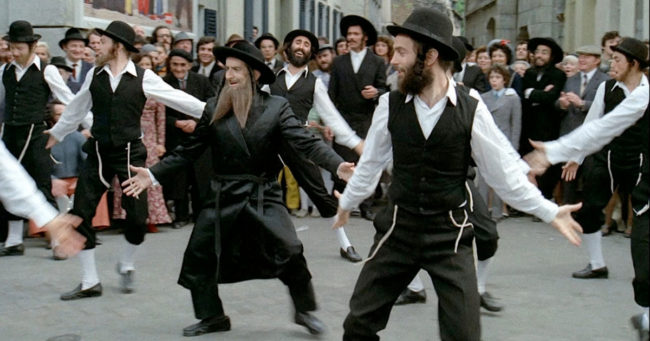
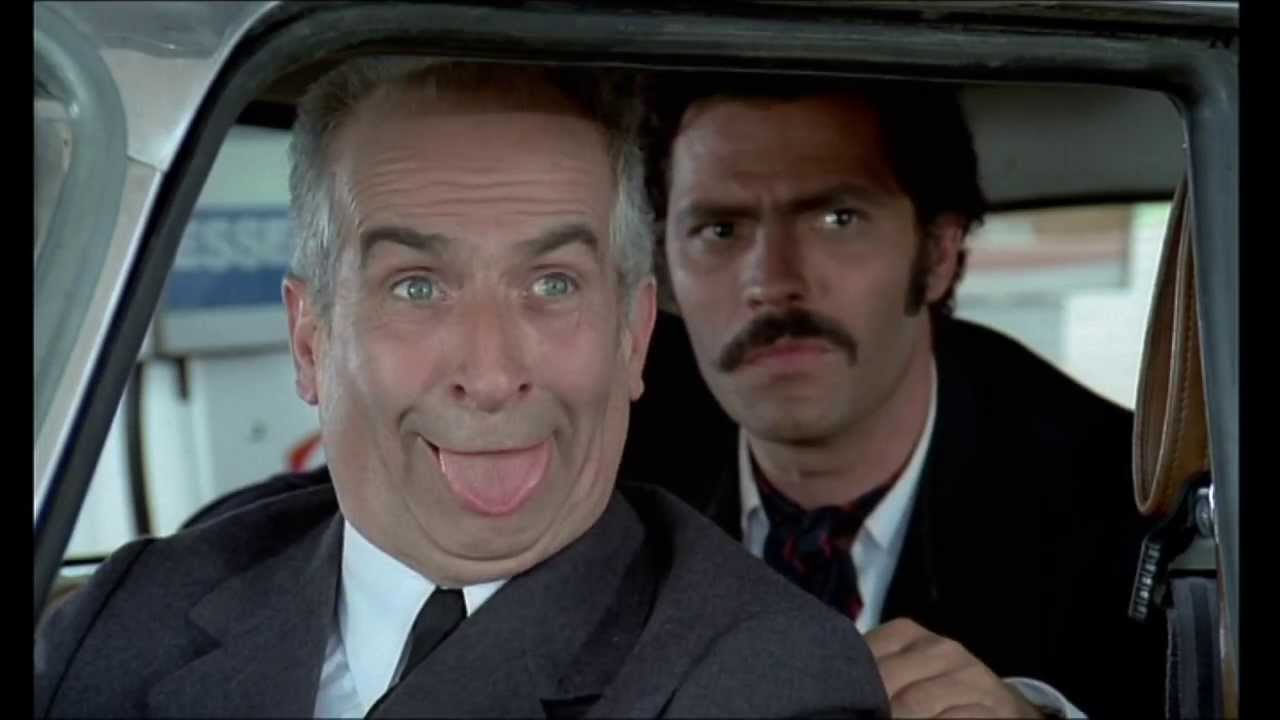
Sight gags are literally everywhere in this Gérard Oury (“The Brain,” “The Sucker”) comedy. Pivert calls his dentist wife, and all the dentures in her office chatter in unison. Pivert makes his getaway on a luggage conveyor belt, only to be gawked at by Japanese tourists wearing ’70s double-breasted jackets and Olympus cameras.

Mistaken identities wreak havoc, Hasidic beards and Payos (side curls) are yanked, guns shoot bubblegum bubbles and redheads are hit on — constantly — by the revolutionary Slimane, who has…a thing. Apparently.

The bigot has a car backfire in his face at the inter-racial wedding he’s so put out by. Sooted-up, he’s mistaken for a member of the wedding party. Ok, SOME of this stuff isn’t aging well. “Moi? RACIST?”

But the dialogue? Ever tried to fake your way through prayers, kvelling and kvetching in Hebrew, with a bar mitzvah as your encore? Pivert’s best argument for not being shot by the assassins today is “my daughter’s wedding.” His counter offer (in French with English subtitles)? “Tomorrow you can send me a letter bomb!”

And on and on it goes, building towards a mid-Paris finale at the Hôtel des Invalides with everybody on the film’s payroll, the Paris Republican Guard on horseback and a helicopter hovering into the mayhem.

That chopper in the courtyard and a spirited dash through the city on a smoky, noisy moped, with the stars doing their own high-speed helmetless driving, reminds you “They don’t make’em like this anymore.” Because no insurance company would indemnify half of it.

But for us, looking at the wide lapels, ugly hats, the sea of now-classic Austin Healeys and Citroens, Triumphs, Minis and Mercedes filling the sky with yellow exhaust, the casually-lit cigarettes in the casually-unguarded De Gaulle Airport as a French snob shakes some of his prejudices and makes faces as he does, is a real blast from the past.

Best of all, “The Mad Adventures of Rabbi Jacob” is now streaming on Film Movement. Have at it, and have a laugh as you do.

MPA Rating: G, slapstick gunplay

Cast: Louis de Funès, Claude Giraud, Suzy Delair, Henri Guybet, Renzo Montagnani and Marcel Dalio

Credits: Directed by Gérard Oury, script by Gérard Oury, Danièle Thompson, Josy Eisenberg and Roberto De Leonardis.  A Film Movement release.

Running time: 1:35
Posted in Reviews, previews, profiles and movie news | Comments Off on Classic Film Review: An Essential French Farce — “The Mad Adventures of Rabbi Jacob” (1973)

Movie Review: A Period Piece Spy Thriller from Zhang Yimou — “Cliff Walkers”

Almost everything the great Chinese director Zhang Yimou touches takes on the feel of an “epic.” So if the director of “House of Flying Daggers,” “The Great Wall,” “Hero” and “Flowers of War” turns his camera towards the Spy Game, you can bet that whatever he does with the tropes, traditions and “tradecraft” of the genre, it’s going to look like few espionage thrillers that came before it.

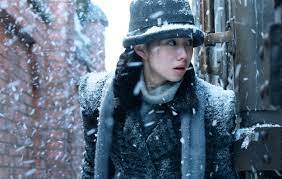
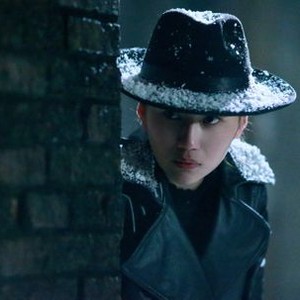
“Cliff Walkers” is a blend of Hitchcockian intrigues and John Woo shootouts, all set in a “Zhivago” winter wonderland that would give David Lean a smile. It’s filled with Reds and red herrings, a Chinese thriller that celebrates “heroes of the Revolution” and wears its Bolshevism with pride.

The setting is wintry 1930s Manchuria, which the Japanese invaded and occupied in 1931. Four agents (Zhang Yi, Haocun Liu, Qin Hailu, Zhu Yawen) parachute into a remote forest as snow falls on the evergreens. It’s starkly beautiful, right up to the moment when the camera gives us the jumpers’ point of view — tumbling and crashing through tree limbs, momentarily buried under snow.

Our two “couples” have been training in Russia for months for their special operation, but their first decision is to “split up” and re-meet in Harbin, the city where their quarry, a witness to a Japanese massacre, is hiding out.

And right off the bat, they’re double-crossed. One “team” learns it and fights its way out of a jam. The other continues on its way, oblivious that they’re traveling with “traitors” as their guides. Much of “Cliff Walkers” is about Team One trying to warn Team Two, the ways they try to get that message across and the intrigues of their pursuers, the secret police force staffed by Chinese/Manchurian collaborators hellbent on foiling this “mission.”

While the story is rather pointlessly broken into “chapters” (“The Operation,” “The Edge,” “The Danger,” etc.), the complexities pile on top of “traps” in ways that make for a splendidly knotty yarn.

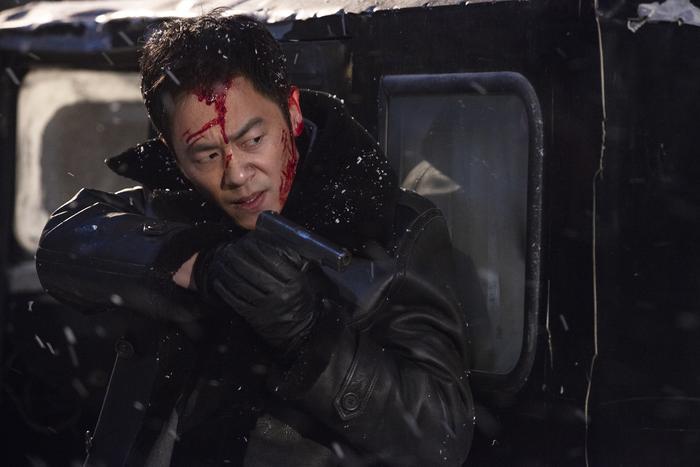
It’s fascinating to see Zhang work in the hoariest of spy conventions such as the paper clip that’ll get you out of handcuffs every time, the “Are you ready to talk?” (in Mandarin, with English subtitles) torture, “moles,” the spiked coffee, shootouts with guns that never need reloading until that moment of truth, and the brawl in the confines of compact train sleeping compartment.

He uses these elements in creating problems for his characters, and in concocting genre-proven solutions to the various dilemmas of these spies who don’t come in from the cold.

The characters have inner resources that have them putting mission above everything. Yu (Qin Hailu) is teamed up with an agent not her husband, but she and her spouse Zhang (Zhang Yi) have a pact — “Whoever survives, find our children.” The kids were left behind when they slipped into the USSR for training. That’s a bit of “communist fanaticism” straight out of early Cold War Hollywood.

Lan (Haocun Liu) is the youngest, a slip of a thing. You have to wonder how she’ll be tested and if it’ll be plausible. Partnered with the older, tougher Zhang, don’t bet against her in a fight, though.

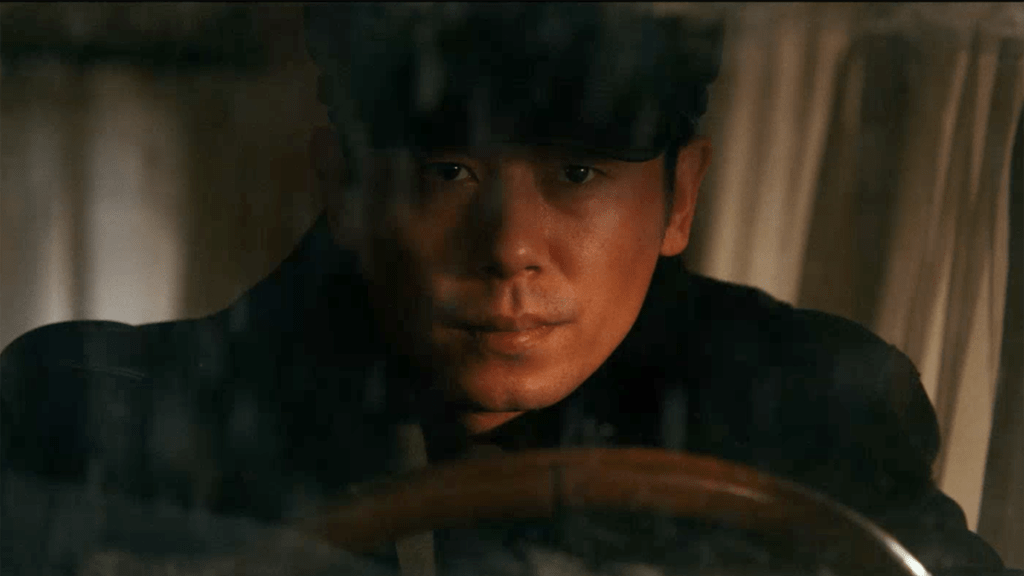
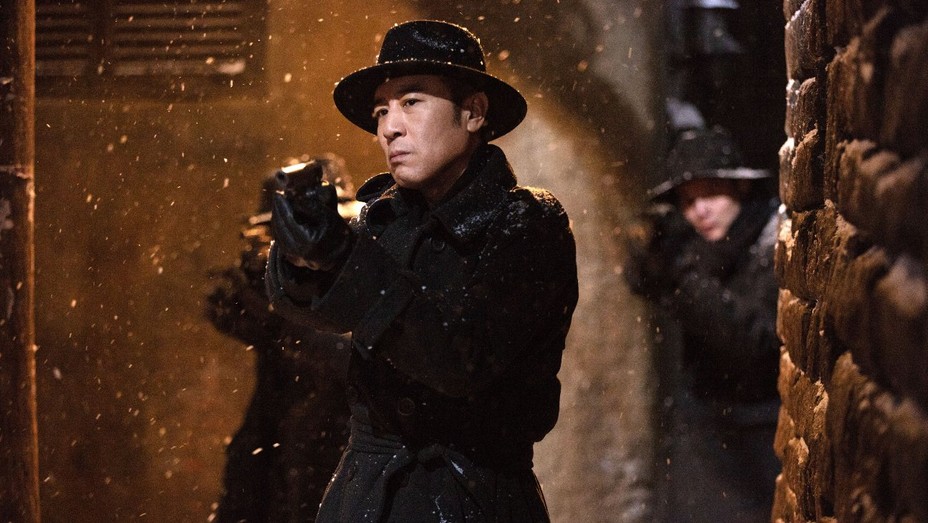
There’s suspense around every corner — the threat of discovery, exposure or capture at every turn. And sometimes, when trickery fails and you can’t outrun the mobs of black-hatted trenchcoat-clad secret police on foot or in vintage cars (on icy, snowy streets), there’s nothing for it but to shoot it out and hope for the best.

Through it all, we sense the cold and see the snow — showering down, sticking to the omnipresent hats, mountains of it (not the best backdrop for “white” subtitles, kids) to dash through on foot or in cars in the rabbit warren streets of 1930s Harbin.

Zhang’s first films to travel abroad were “Red Sorghum,” “Ju Dou” and “Raise the Red Lantern,” sumptuously-detailed period melodramas that we remember for how they Technicolor looks, but live or die on good casting and solid performances.

There’s nothing in “Cliff Walkers” that we haven’t seen in many a prior spy tale, and it’s not a picture you’d single out for great acting moments. Clean up the blood, and you could call it almost old-fashioned. It’s still a corker of a thriller that keeps you guessing which Hero of the Revolution will sacrifice him or herself next.

MPA Rating: unrated, graphic violence

Cast: Zhang Yi, Haocun Liu, Yu Hewei, Qin Hailu, and Zhu Yawen

Credits: Directed by Zhang Yimou, script by Quan Yongxian and Zhang Yimou. A CMC release.

Running time: 2:00

Posted in Reviews, previews, profiles and movie news | Comments Off on Movie Review: A Period Piece Spy Thriller from Zhang Yimou — “Cliff Walkers”

Movie Review: “Mortal Kombat,” One More Time

Epic in scale, graphic in violence, the latest attempt to turn the video game “Mortal Kombat” into a movie has the air of “This time we mean business” about it.

The effects are state-of-the-art, and a blood-spurting, kid-killing prologue punches out its new “R” rating, right out of the gate.

The cast? Well…Hiroyuki Sanada‘s a familiar face, a mainstay of Japanese cinema, Western WWII fare, “Westworld” and some Marvel movies. Other players you will recognize from “Mongol,” as martial arts movie stars, career third-bananas or as bit players in “Deadpool” pictures. Not a household name in the lot.

And the movie? Alas, the same puerile piffle as every other movie incarnation of the game, a “tournament” between the greatest supernatural fighters in the universe with Earth’s “masters” wearing the “chosen” dragon birthmark, but overmatched until they learn to fight together.

What’s the definition of madness? “Doing the same thing over and over again, expecting a different result?” There you go.

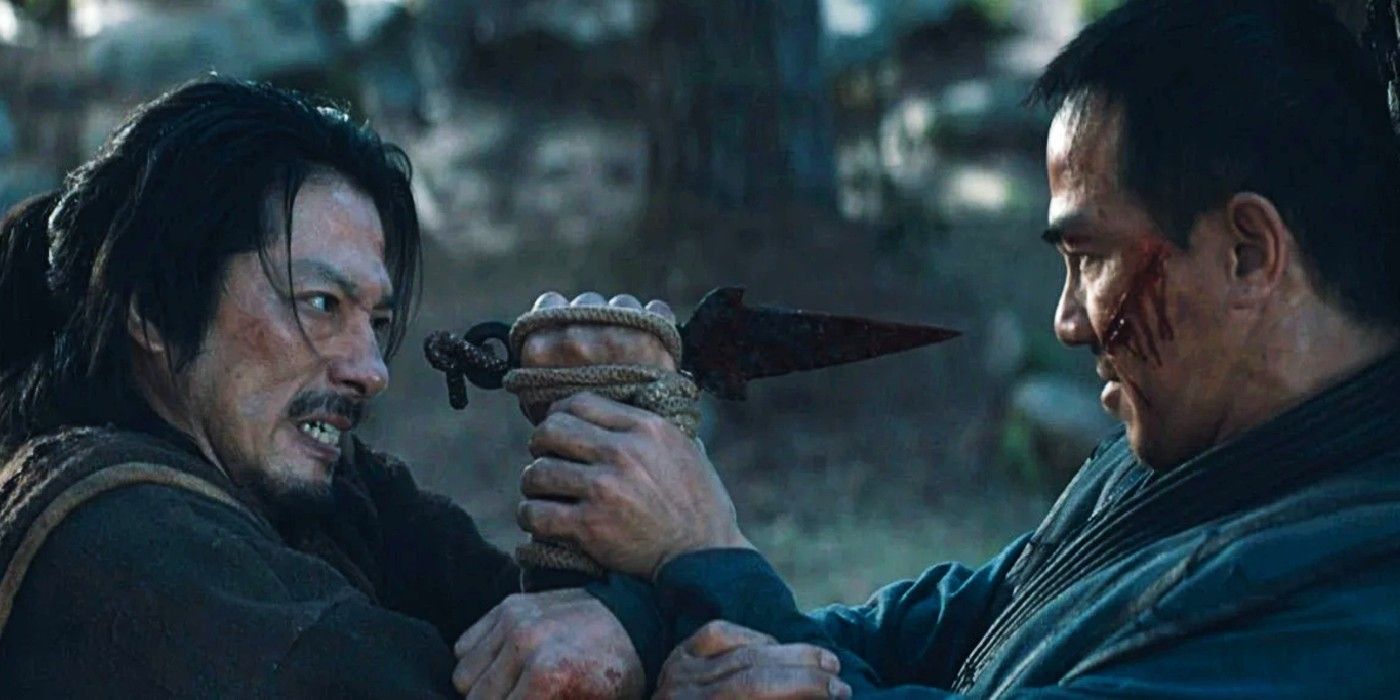
Lewis Tan (“Into the Badlands”) is Cole Young, a washed-up MMA fighter with that same dragon mark on him that we saw on an ancestor (Sanada) in the prologue. He’s got a family he can barely support as he can’t seem to collect a “w” no matter who he fights.

But he’s being hunted by the minions of Bi-Han, aka “Subzero” (Joe Taslim of TV’s “Warrior”), the Mr. Freeze fighter from that prologue. And Cole’s been located by Special Forces brawler
Jax (Mehcad Brooks of TV’s “Supergirl” and “True Blood”) who wants him on “our side.”

Next thing you know, they’re off to fetch Sonya Blade (Jessica McNamee of “Battle of the Sexes” and “The Meg”), who is mixed up with Kano (Aussie unknown Josh Lawson), the brawny, wise-cracking F-bomb dropping “mercenary scum of the Earth” who provides comic relief in such action pictures.

With the help of the “Thunder God,” Lord Raiden (Tadanobu Asano of “Midway”), will they be able to hold off the “Outworld” murderers of Shang Tsung (Chin Han of “Skyscraper” and TV’s “Marco Polo”)? He’s a villain who’s really hung up on having won “nine straight tournaments,” always showing up and intoning “Their souls are MINE” and “It is time to END this,” which frankly, I’m totally on board with.

Because aside from the comic-book movie supernatural brawls — with lots more blood and profanity — there’s nothing at all to this.

There’s no pathos. You may pull for a character, but you never “feel” for them. Only in that prologue is there a sense of real loss at a death.

The only humor is in Lawson’s wisecracking blowhard, pretty funny even if he is just playing a “type.”

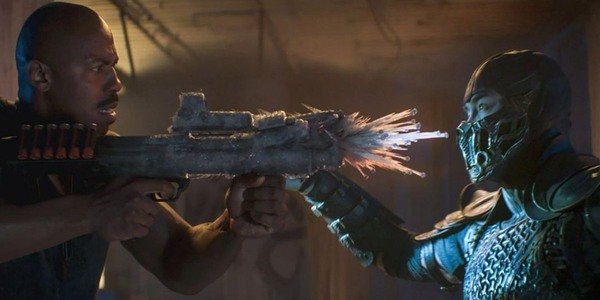
Here’s what works. That fight-to-the-death prologue, set in 17th century Japan, has period detail and high stakes and good fight choreography. The ice effects that Sub-Zero, who announces his name change with all the emotion of a pop-up onscreen graphic mid-video game, are impressive.

This fighter’s “Frisbee Hat” weapon or that one’s hurled Great Balls of Fire are striking the first time we see them, and only the first time.

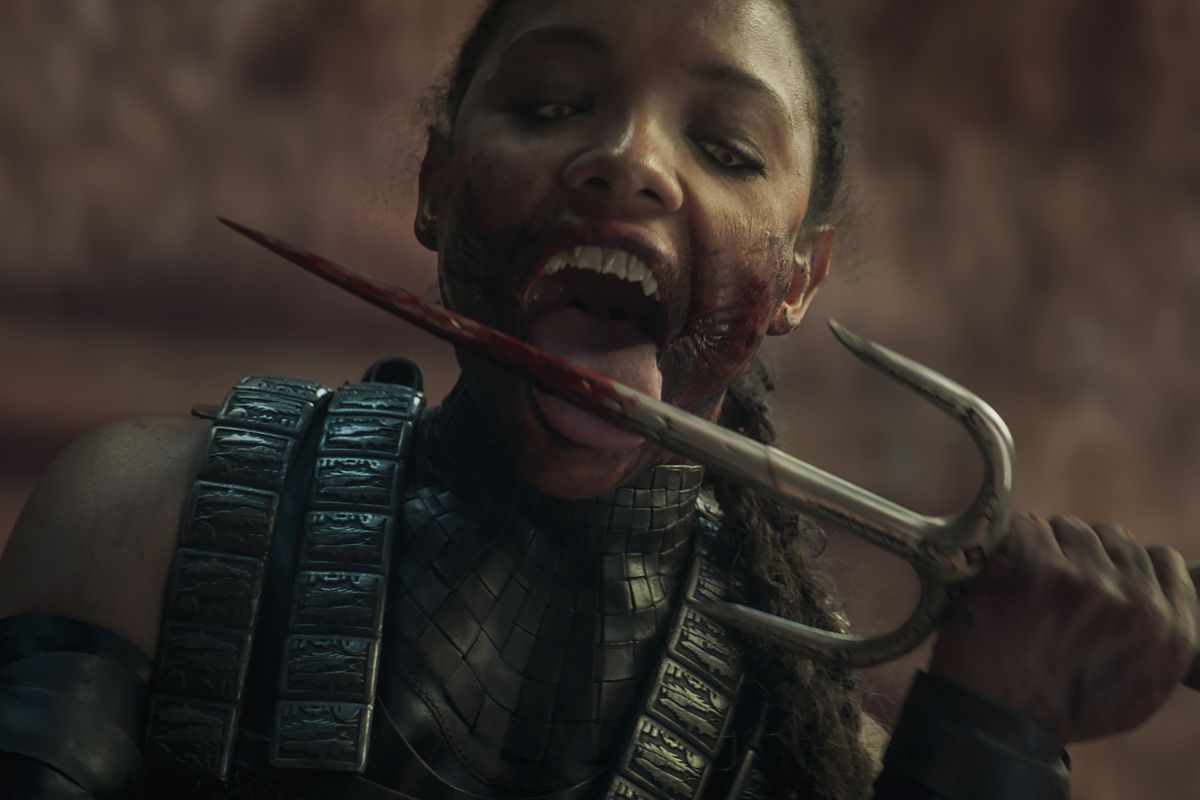
But the acting here is limited to hitting your marks, getting the choreography right and mastering whatever wirework is folded into the digital effects that let one and all defy the laws of physics.

The sets impress, in the soundstage with a green screen way. Yes, it looks good and there’s money on the screen.

But I’m never sure, watching yet another attempt at “Mortal Kombat” (“They didn’t even SPELL it right” is the funniest one-liner), what it is about this particular game that makes Hollywood so determined to wrench a franchise from it.

Is it simply its worldwide popularity? Does the simplicity of the “story” make it appear easier to adapt than it ever is? Or are they simply going to keep remaking it until they finally recoup the money New Line paid for its rights, eons ago?

Don’t know, don’t care. All we have to go by is another shiny bauble with faint flashes of martial arts, which is all that makes it to the screen. Nothing more.

MPA Rating: R for strong bloody violence and language throughout, and some crude references 

Cast: Lewis Tan, Chin Han, Jessica McNamee, Joe Taslim, Mehcad Brooks, Ludi Lin, Max Huang, Josh Lawson and Tadanobu Asano

Credits: Directed by Simon McQuoid, script by Greg Russo and Dave Callaham, based on the video game. A Warner Brothers/New Line release.

Running time: 1:50

Posted in Reviews, previews, profiles and movie news | Comments Off on Movie Review: “Mortal Kombat,” One More Time

Documentary Review — “Street Gang: How We Got to Sesame Street”

Any history of TV’s landmark children’s series “Sesame Street” is going to have Muppets and songs, a lot of laughs and a few tears, and every letter of the alphabet — over and over again.

Marilyn Agrelo’s warm and sentimental appreciation of the venerable “educational” show,” “Street Gang: How We Got to Sesame Street,” takes us back to how it was created with an agenda, born of the better angels of ’60s activism.

We’re shown its world-changing premiere, led through gags and giggles, into controversy. And like the program itself, “Street Gang” touches on the “family” and deaths of cast members, reminding us how this very grown-up daily entertainment for children became an institution by never “talking down to kids.”

Using archival footage, vintage interviews and fresh chats with some of the minds behind it, we go way back to the origins of The Children’s Television Workshop and the foundation grant money that researched, focus-grouped and expert-consulted its way to a 1960s epiphany.

Let’s make a show about “what television would do if it loved people instead of trying to sell to people.”

Looking at research coming out at the time, a braintrust that included New York TV documentary producer Joan Cooney decided that one way to get kids, who loved TV then as much as they love it now, all on the same page when they started school was to “sell the alphabet to pre-school children.”

A show aimed particularly at inner-city kids would teach and tickle with animation, songs, sympathetic adult characters and most important of all — Muppets.

The film’s major revelations are not how hilarious, anarchic and charismatic the Muppets were and are. That’s been covered elsewhere. What’s fascinating here is remembering the lesser known figures who shaped the show that was to come.

Jaded New York director and producer Jon White, who was “over TV” when pitched the show, sees a catchy PSA for New York’s Urban Coalition and decides the show needs to be on an inner-city street scene set.

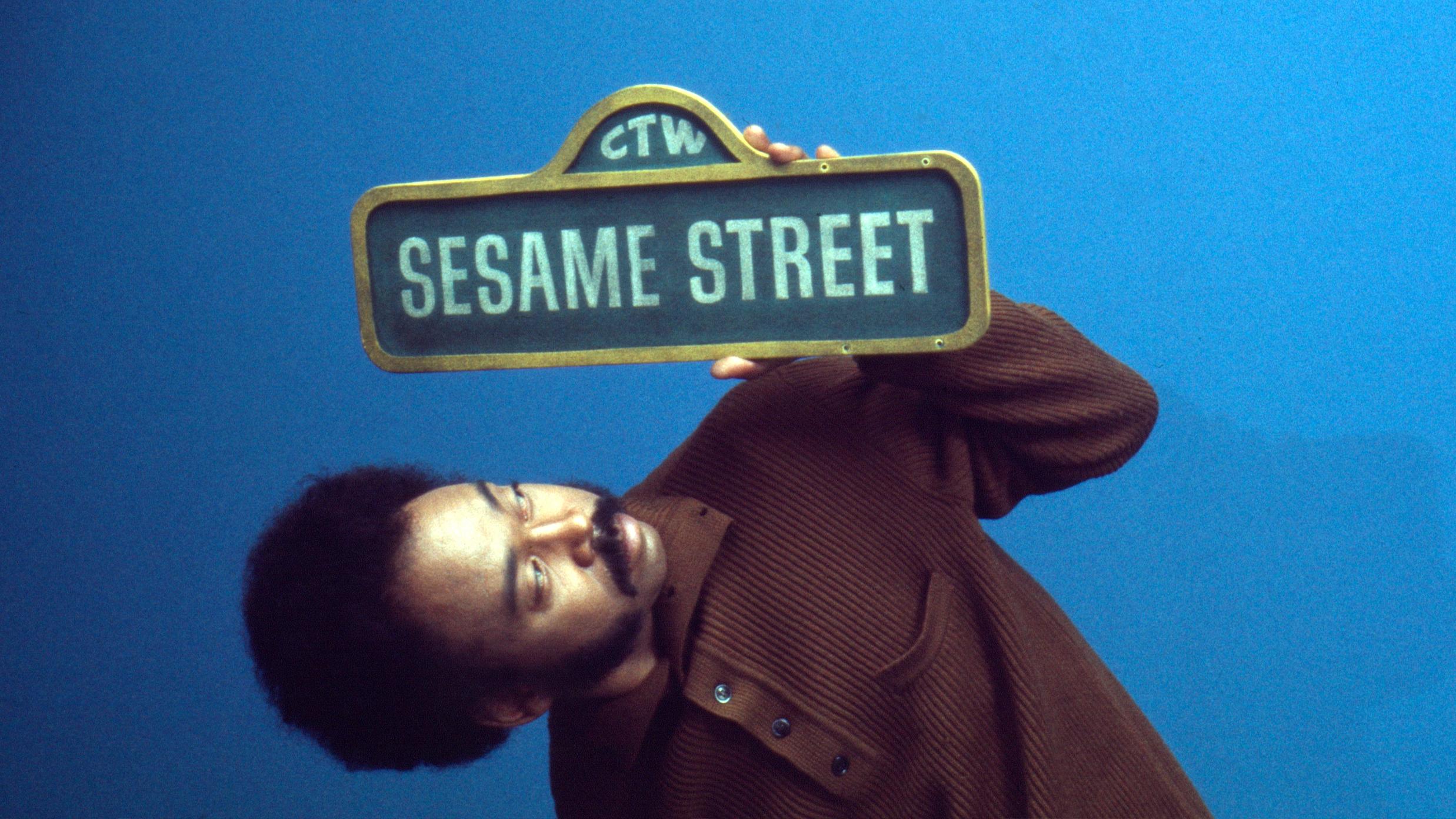
Hiring Black Philly talk-show host Matt Robinson as Gordon, the show’s major father figure upon inception, was more key than we realized at the time. He set the tone, gave the show “Street” cred with its main target audience — disadvantaged minority kids — and annoyed the hell out of Mississippi Public TV, which had to be bullied into carrying it, over racist objections, by commercial broadcasters in the state and noisy public demand.

The most adorable bit in this often adorable doc is watching Matt Robinson’s adult children, Holly Robinson Peete and Matt Robinson Jr., remember how cool it was to have a father on the most popular kids’ show on TV, and how troubling their questions about that were at that age.

“Who is this other little girl he’s holding hands with?” Holly frets, while Matt Jr. talks her down, just the way he did way back when.

The show was an instant success, with only tiny bits of pushback from this or that quarter. Orson Welles is seen telling Dick Cavett that “it’s the best thing that ever happened to television,” one of a flood of endorsements in a flurry of TV news pieces on the series as it debuted.

And a segregated America had to sit slack-jawed as a more idealized version of childhood and a vision of an integrated America played out, for 130 hours a year, right in front of their children.

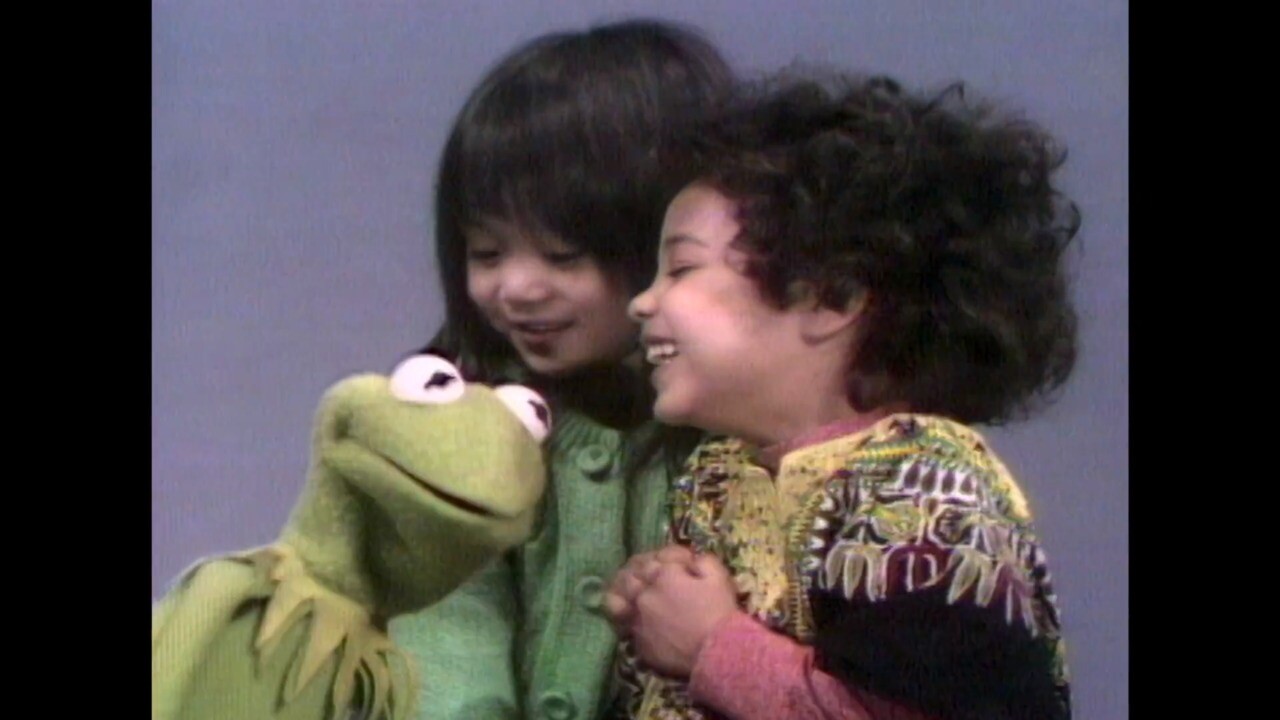
Paul Simon sings an impromptu duet with a Black girl who doesn’t know who he is or “Me and Julio Down by the School Yard.” Jesse Jackson leads a call-and-response of kids from many races in “I AM somebody…We ARE beautiful. Beautiful children WILL grow up and make the whole world beautiful.” Loretta Lynn and Johnny Cash, Dizzy Gillespie and James Taylor and Stevie Wonder and Lena Horne lead the way to thousands of guest appearances on “Sesame Street.”

Cast member Sonia Manzano marvels at that very first episode, before she was ever hired — James Earl Jones sonorously reciting the alphabet, Grace Slick (of the Jefferson Airplane) singing ‘One two three four five six seven eight nine ten” and Bert & Ernie starting their quarrelsome bromance.

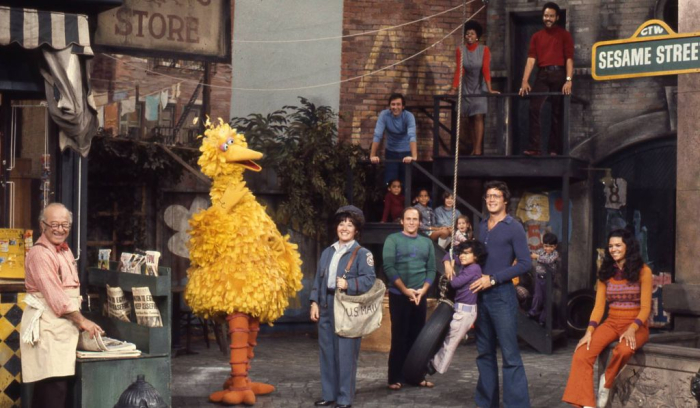
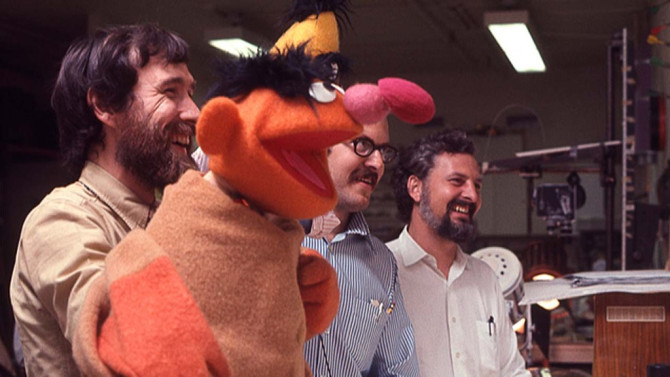
Did I mention what an unalloyed joy it is to see these people — outtakes from Muppeteers Jim Henson and Frank Oz, crusty Carroll Spinney joking around about Oscar the Grouch and Big Bird — and remember this show as those involved made it up as they went along? It is.

MPA Rating: PG (Language|Some Thematic Elements|Smoking)

Cast: Joan Cooney, Jon White, Holly Robinson Peete, Carroll Spinney, Sonia Manzano, Emilio Delgado, Frank Oz, Jim Henson, Lisa and Brian Henson

Credits: Directed by Marilyn Agrelo, based on the book by Michael Davis. A Screen Media/HBO Max release.

Running time: 1:47

Posted in Reviews, previews, profiles and movie news | Comments Off on Documentary Review — “Street Gang: How We Got to Sesame Street”

Movie Preview: A “star” loses it all, “Welcome Matt”

Agoraphobia is about to be the new…Asperger’s?

May 31.

Posted in Reviews, previews, profiles and movie news | Comments Off on Movie Preview: A “star” loses it all, “Welcome Matt”

Movie Review: Fighting the KKK Kannibals of “Death Ranch”

Just so we’re clear, please do NOT pass the ketchup. There’ll be no eating right after “Death Ranch,” and certainly no red meats or anything that comes with French fries.

Here’s an old-fashioned grindhouse “splatter” film, with blood and entrails, racism and riot guns and guys in white sheets threatening to “hang you up on a tree branch.”

As if that threat carries any weight after the gory goings-on we see in this piece of Middle Tennessee.

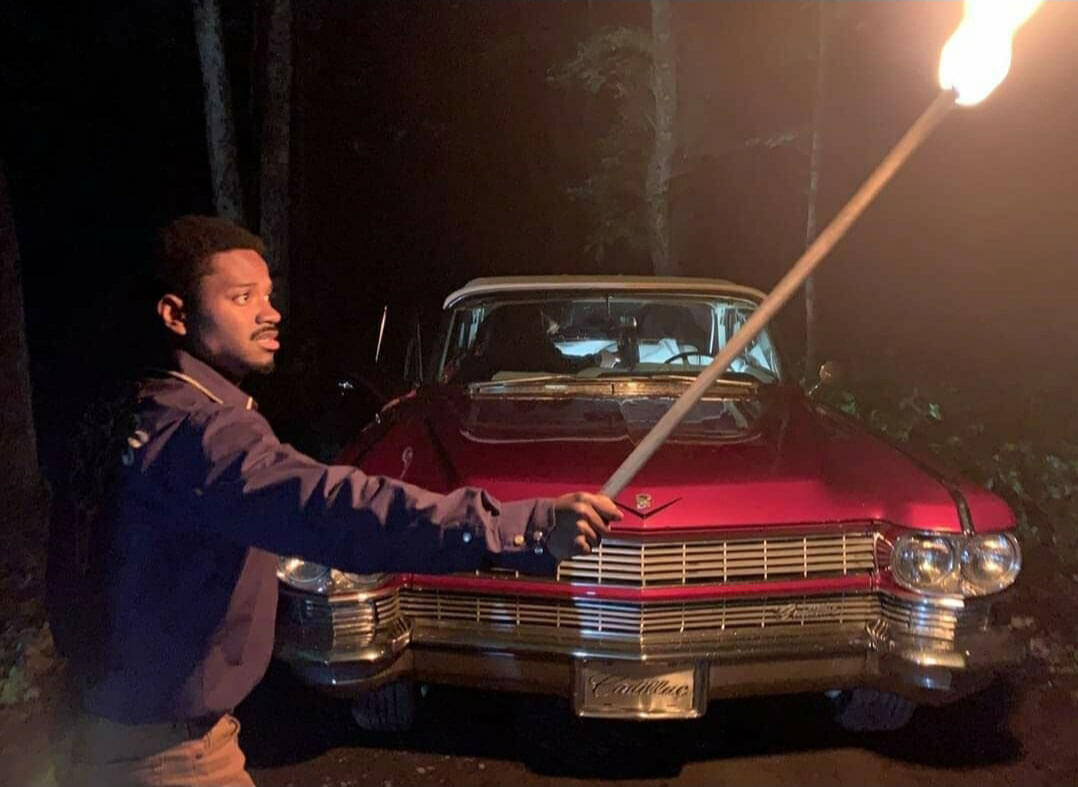
Brandon (Deiondre Teagle) just busted out of jail in Memphis. Sister Angie (Faith Monique) and big brother Clarence (Travis Cutner) pick him up in a ’59 Caddy Eldorado Biarritz and head for grandpa’s old place, somewhere west of Knoxville.

As the vintage Blaxploitation graphics in the opening credits and the jazz-funk score tell us, it’s 1971, and there’s nothing for it but to hide out with the kid until they can hightail it to Florida.

“They’ve got this new place, Disney World,” where Brandon can start over.

But hell’s bells, who knew Grandpa’s half-abandoned farm was a favorite haunt of the local Klu Klux Klan, a handy place for a cross burning and ritual torture of Black kidnapping victims?

Brandon interrupts their midnight mischief and doesn’t take the fleeing victim’s warning seriously. Well, seriously enough.

“They’ll kill you and they’ll EAT you!”

They will. Because while this branch of the KKK may not be as well-armed as later post-NRA AR-15 marketing incarnations, they leave little trace of their victims. These are KKK cannibals.

Heads explode, pistols open up chest wounds big enough to yank intestines through — “Chew it up, Whitey!” — and axes, machetes and shotguns are wielded to murderous effect as the silly slaughter begins.

And right at dinner time, too!

A stake through the eyeball here, a dismemberment there and next thing you know, we get down to the real violence.

It’s a stupid movie by genre definition. But writer-director Craig Steeds (“An English Haunting”) embraces the stupid, if not nearly enough to lift this to the level of “camp.”

All concerned are more worked-up about the next blast of butchery, the next redneck racist rant, the next “cue the banjoes” moment.

The performances never rise above adequate, so there’s little of the gusto C-movie veterans bring to such enterprises. It never achieved “grossout fun” for me.

Still, it kept a whole lot of bit players in and out of white robes out of trouble for a couple of weeks, so that’s something.

As splatter films go, I’ve seen worse.

MPA Rating: unrated, graphic, gory violence, racial slurs

Cast: Deiondre Teagle, Faith Monique, Travis Cutner, Scott Scurlock, Brad Belemjian

Credits: Scripted and directed by Charlie Steeds. A Shinehouse release.

Running time: 1:17

Posted in Reviews, previews, profiles and movie news | Comments Off on Movie Review: Fighting the KKK Kannibals of “Death Ranch”

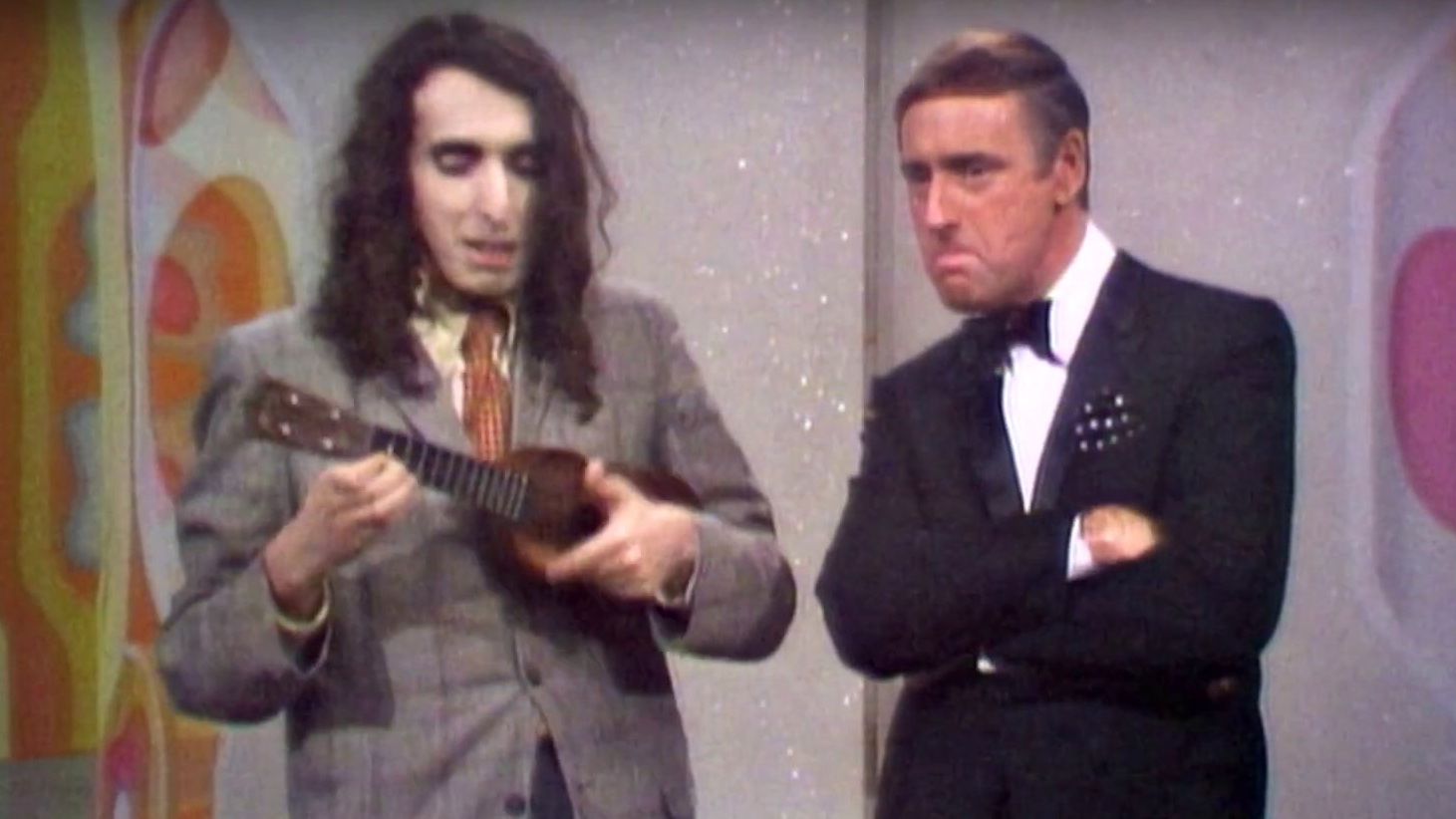
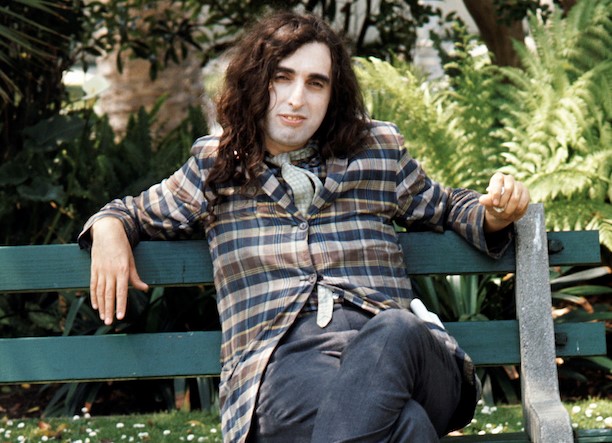
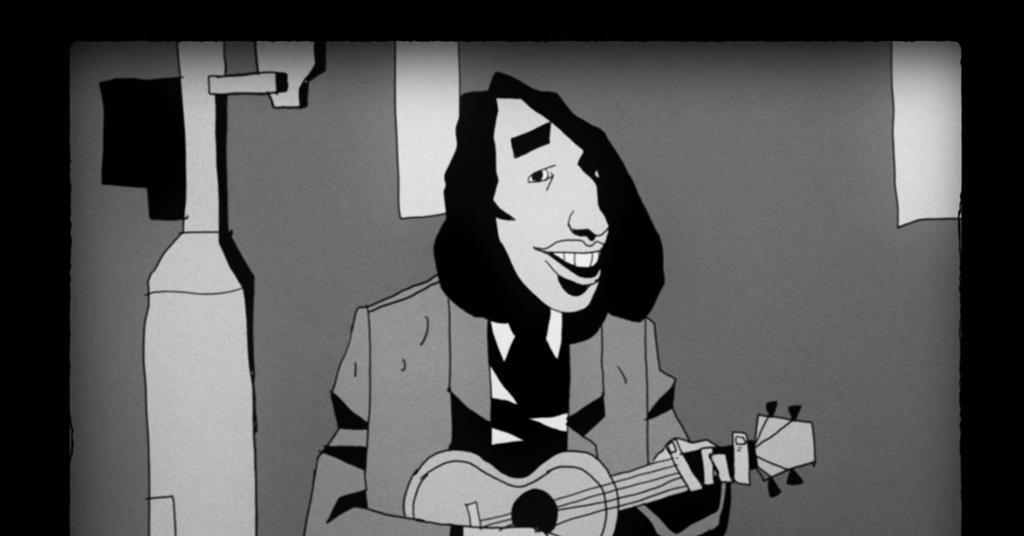
Documentary Review — Remembering “Tiny Tim: King for a Day”

If it wasn’t for Youtube, you’d have a helluva time convincing anybody under the age of 30 that Tiny Tim existed, or even could have existed.

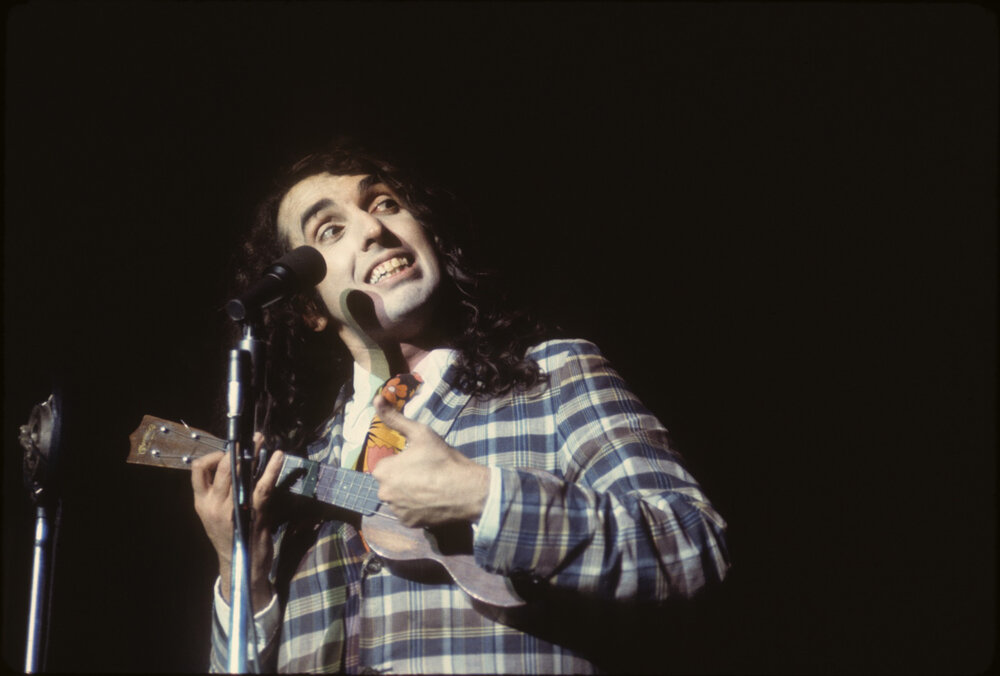
Androgynous ahead of his time, with a trilling falsetto that could crack glass, style anti-icon, a singular talent with a pop repertoire that covered half a century and certainly the greatest novelty act of the Swinging Sixties, if not all time, he was one of a kind.

Herbert Butros Khaury got his start in a literal “freak show” on Times Square, blew up the pop charts in the Summer of Love and when he got married on TV’s “Tonight Show,” “they had brown-outs,” power outages, as over 50 million people stayed up late to tune in.

Johan Von Sydow’s “Tiny Tim: King for a Day” celebrates the man who made his own myth in a film that ranges from gloriously giddy to Pagliacci sad, capturing his star turns and his very last performance, collapsing on stage one time too many in Minneapolis in late 1996.

Using old TV and film clips, interviews and performances, with his only modern analog, “Weird Al” Yankovic reading entries from his diary, “King for a Day” (which takes its title from one of the ancient pop standards that were a part of his repertoire) paints a portrait of a talented but fragile soul who endured punative parents and audience abuse and pelting in his earliest performances, and some of his last ones as well. But he still carved out his unique place in American pop culture.

He was sought out by Dylan, filmed by Andy Warhol and lionized in New York’s folk music scene of the late ’50s and early ’60s, appreciated for “the unique beauty” of his “singing the sissy way” style.

Peter Yarrow, Tommy James and Wavy Gravy sing his praises, with hippy icon Gravy remembering how hearing Tim “cooked my brain.”

TV producer George Schlatter recalls the meeting he was dragged from to hear this long-haired “weirdo” (his long locks predated The Beatles by years), an audition that would make his series, “Laugh In,” the smash it became. With NBC telling him “You can’t put this on, he’s a freak!” Schlatter threw Tim on stage with unsuspecting co-host Dick Martin, and history was made.

The corny Tin Pan Alley novelty “Tiptoe Through the Tulips” became Tim’s signature, and with Sinatra’s Reprise label (which signed him pre-TV — because like Dylan and Wavy Gravy, they KNEW) behind him, Tiny Tim conquered the pop music world.

If Tiny Tim ever gets a “Bohemian Rhapsody” movie biopic, the peak moment has to be not his many TV appearances on “Ed Sullivan” or his “Tonight Show” wedding to Miss Vicki, but his triumph at the Isle of Wight music festival, serenading 500,000 paying customers with “There’ll Always Be an England” through a megaphone to give it that Rudy Vallee/old time radio sound, to awed and delighted applause.

Von Sydow, who has documentary biographies of opera singer Jussi Bjoerling, writer Marie Kandre and mysterious artist Nils Olof Bonnier to his credit, takes Tim’s artistry seriously, first scene to last.

As hilarious as it is hearing Tiny Tim, playing the ukulele and covering “People are Strange” by The Doors, as amusing as his other covers — from Jeanette MacDonald Great Depression ditties to Bill Haley and the Comets and disco standards — can be, the guy was a walking, high-notes-hitting encyclopedia of 20th century pop.

The “Greatest Generation” types who interviewed him back then recognized his homages to Russ Colombo and Bing Crosby, Rudy Vallee and even Jeanette MacDonald as daft and yet adoring.

The long slide toward the end seems particularly poignant here, reduced to touring with circuses and playing fairs and school gyms, married three times, hints of being too open to the attentions of underage groupies (not THAT open).

His diary entries, where he frets over “sin” real and perhaps exaggerated, chart a “never-fits-in” outsider from rejection to “biggest star in the world” glory with a pathos you don’t expect, just as his TV interviews often saw him soberly drop “the act” to reveal he was pretty much exactly as he came off — nostalgic, courtly and not at home in this world.

But Von Sydow paints a compelling and very entertaining portrait of a showbiz original who found a niche, made his mark with an act famed for its shock value, and yet dabbled in most every musical style to come along after he broke big because he could and would try anything, and do it justice, no matter how high his voice got or how much he rolled his eyes.

MPA Rating: unrated

Cast: Tiny Tim, Susan Khaury Wellman, Peter Yarrow, Wavy Gravy, Tommy James, George Schlatter and Miss Vicki.

Credits: Directed by Johan Von Sydow, script by Martin Daniel. A Juno release.

Running time: 1:15

Posted in Reviews, previews, profiles and movie news | Comments Off on Documentary Review — Remembering “Tiny Tim: King for a Day”

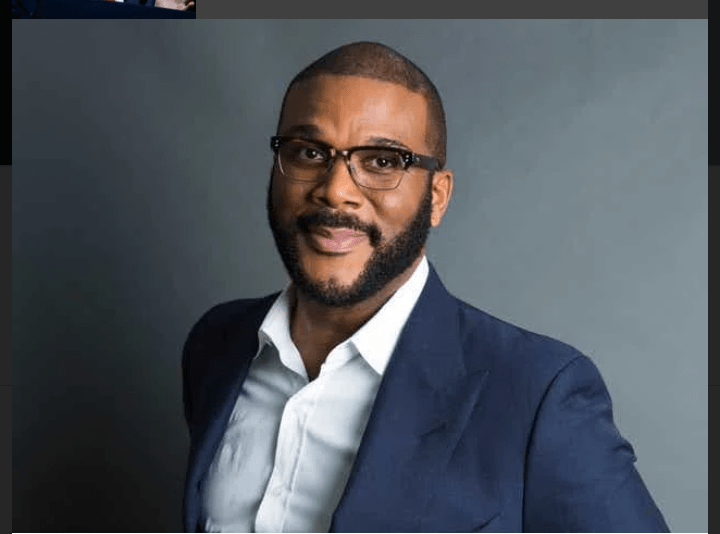
Tyler Perry to get the Oscar recognition he’s earned — The Jean Hersholt Humanitarian Award

His charitable acts and blasts of largesse are well documented, using his wealth to help, aid and make statements for civil and human rights and simple civility.

His efforts particularly stand out during the pandemic, especially in his native Georgia where he is making a difference far beyond the jobs he creates around his production banner.

Nicely done.


Posted in Reviews, previews, profiles and movie news | Comments Off on Tyler Perry to get the Oscar recognition he’s earned — The Jean Hersholt Humanitarian Award

Movie Preview: Proof France will be the last to let go of “age inapropriate” screen romances — “Spring Blossom”

A sixteen year old comes of age by hanging with and falling for a 35 year old theater director.

Woody Allen sees this trailer and goes, “See? SEE? The French ‘understand’ me!”

A May 21 release.

Posted in Reviews, previews, profiles and movie news | Comments Off on Movie Preview: Proof France will be the last to let go of “age inapropriate” screen romances — “Spring Blossom”

Movie Preview: Truth in Advertising, a martial arts thriller titled “Undercover Punch & Gun”

This punch, pistols and parkour thriller starts streaming early in May and hots DVD/Bluray shortly thereafter.

Posted in Reviews, previews, profiles and movie news | Comments Off on Movie Preview: Truth in Advertising, a martial arts thriller titled “Undercover Punch & Gun”