
Sure is good to see a person we knew was very sick seem to get better and use public appearances as part of his “cure.”
This Beach Boy Today profile comes out Nov. 19.
Sure is good to see a person we knew was very sick seem to get better and use public appearances as part of his “cure.”
This Beach Boy Today profile comes out Nov. 19.
I was thinking about PTA’s ouvre the other day and wondering why I rarely if ever bother seeing one of his films twice. This coming of age tale, set during the Streisand/Jon Peters romance of the mid ’70s, has Bradley Cooper, Sean Penn and Tom Waits in supporting roles, and some marvelously ordinary looking “kids” as the leads.
Nov 26 from MGM.
Back when it first had a release date, “Fox” Searchlight pictures was chomping at the bit to get this monster movie/myth into theaters.
Disney bought Fox, a pandemic hit, dates were moved and moved.
And here comes “Antlers,” Keri Russell and a terrorized kid and “something in the woods.”
It opens Friday, from Searchlight Pictures in the US, 20th Century Studios elsewhere (this is the NZ trailer).
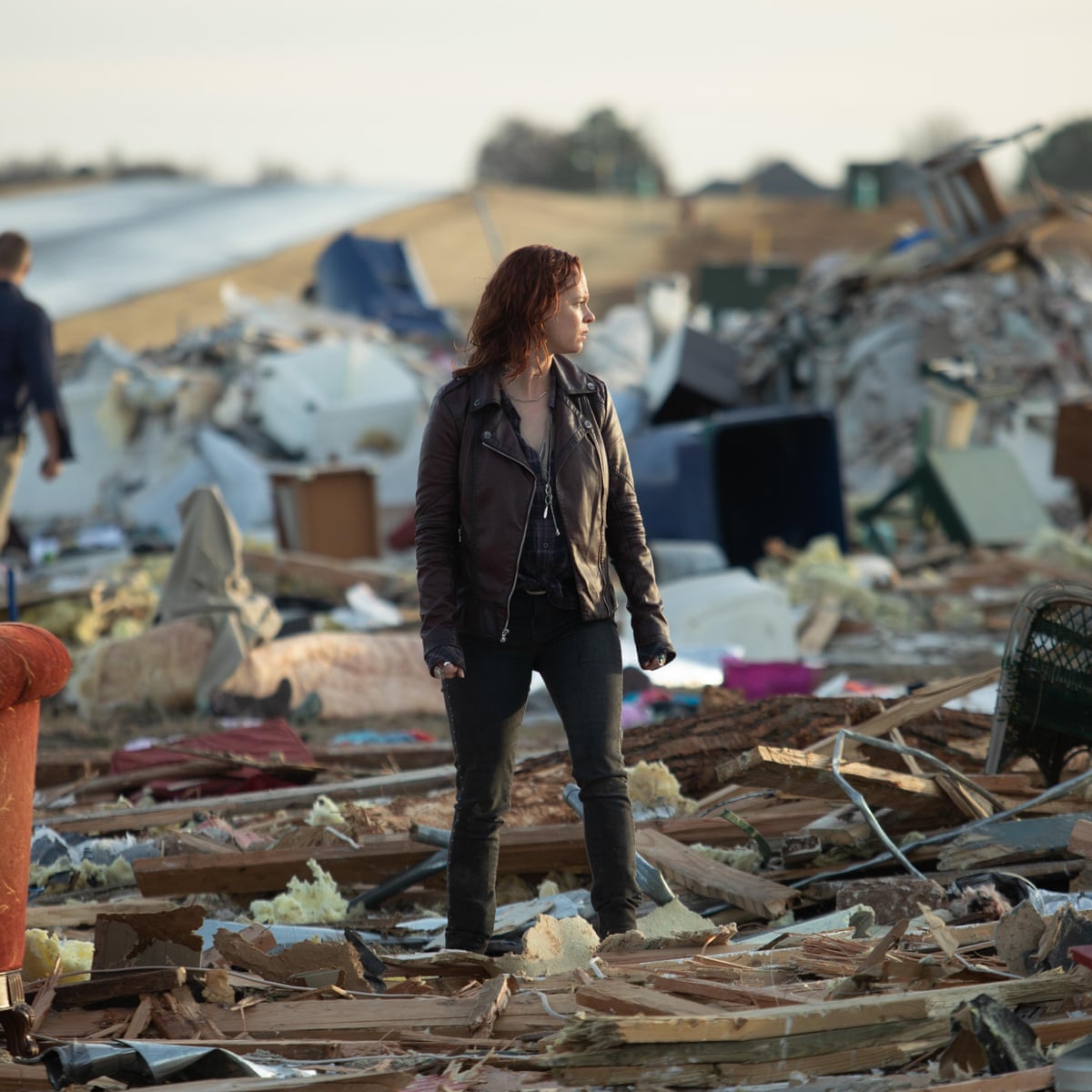
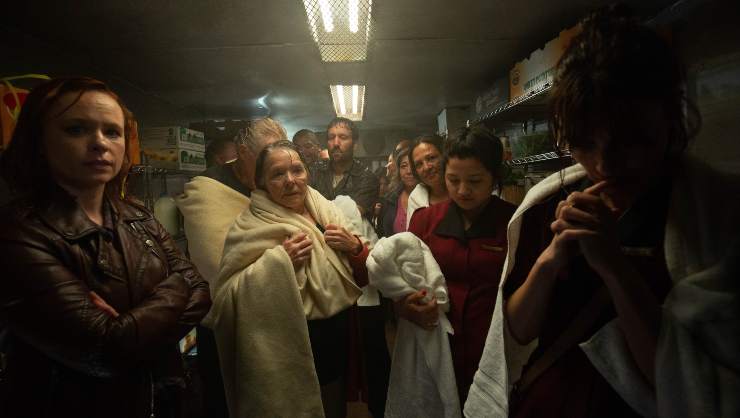

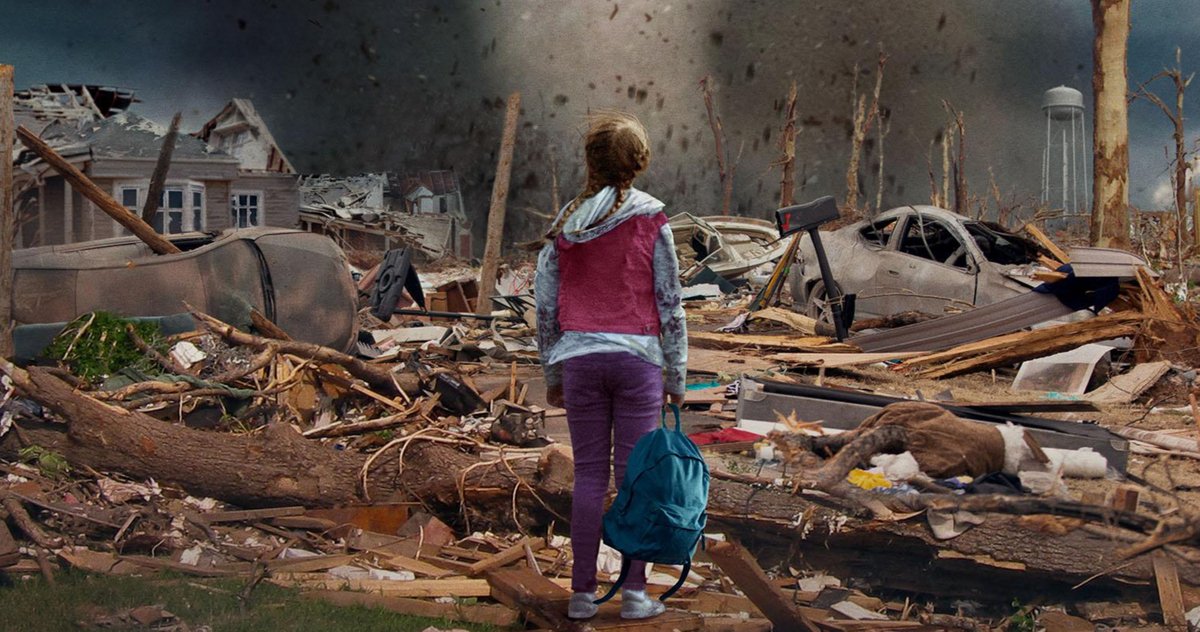
It takes its title from the duration of a tornado passing through an Oklahoma town — “13 Minutes.”
And the twister, when it supercells its way in, is hellishly real and a damned sight better than anything managed in the big budget disaster movie of many years back, “Twister.” The state of the digital weather-disaster mimicking art has advanced that much.
There’s no attempt at sugar-coating what happens to people caught in a Fujita scale tornado. The injuries range from grim to gruesome, so don’t go expecting movie stars to come out looking like they just came from the makeup trailer. Even though they did. Because Hollywood doesn’t actually beat people up for “realism” in “disaster of the week” movies like “13 Minutes.”
The formula for this melodrama will be familiar to anyone who remembers the “Disease of the Week/Disaster of the Week” era of what we used to call “TV movies.” Assorted strangers, family or friends deal with the problems of their everyday lives — here those include relationships, jobs, saving the farm, an unplanned pregnancy and immigration status — until the BIG problem drops out of the sky and nobody’s life (providing they survive) will ever be the same.
Co-writer/director Lindsay Gossling rounded up a good but affordable cast and spent the big money on effects and set dressing.
Cast and crew turn various parts of Oklahoma — Oklahoma City, El Reno and Minco — into fictional Minnennewah, Oklahoma, flattened into a pancaked landfill by a line of twisters that go through. It’s damned impressive work.
Gossling (“Un traductor”) and co-writer Travis Farncombe give the story a modern twist on an old formula. The people in this town are, by and large, an unpleasant lot pre-twister
Paz Vega plays a Latina immigrant juggling jobs as a maid, ready to make that down payment on a house for herself and her just-across-the-border beau (Yancey Arias). Her racist boss doesn’t approve of the boyfriend or the house purchase or her “people” in general.
Sofia Vassilieva plays a pregnant 19 year-old hairdresser who figures she needs an abortion, and has the hardest decision of her life insensitively assaulted by the doctor she visits, played by Anne Heche.
“Babies are a blessing from GOD.”
Plainly, she never met the cowardly heel of a baby daddy.
Dr. Tammy and her husband Rick (Trace Adkins) are about to lose the family farm, unless they can lease a bunch of windmills for part of the land. Rick isn’t the most tolerant of the “No hablo inglés” cut-rate workers he exploits to keep the farm going.
Neither realizes that their slacker son (Will Peltz) is gay. But when push comes to shove, Luke is as quick as his Dad to threaten to “call ICE” when his employee/lover (Davi Santos) gives him backtalk.
Thora Birch plays pregnant Maddy’s single mom, who endures sexual harassment at the car, truck and tractor repair shop just to keep a roof over their heads.
Laura Spencer is the EMT who waited until the last minute to get her ambulance serviced.
And then there’s Minnennewah’s weather power couple. Amy Smart is the town’s emergency services chief, and husband Brad (Peter Facinelli) is a local TV weatherman on the job when “there’s going to be weather.”
Most melodramatic touch? They have a little deaf daughter. You can imagine what dilemma that’s going to create.
Weather watches and warnings are the background noise in everybody’s morning the day of the twister. Locals know when to start paying attention, or so they think — “Tornado WARNING.” But what about the Hispanic newcomers?
And when the storm hits — “13 Minutes” worth at about the one hour mark — who will live, who will be caught out in it and who will know what to do?
The characters have story arcs. Some make the journey from intolerant to something almost tolerant. Hey, it’s America. Baby steps.
Nice touches abound. Facinelli (“Twilight”) drawls his way through some great, off-the-cuff TV weathercaster advice — “Don’t waste time trying to open up windows like they told you in the ’60s,” get your butt into an interior room — into a tub if possible, and duck.
Gossling wisely hangs his film on some really good actresses for the heart-tugging moments, and Vega, Birch and Smart all do their damnedest to make you cry.
Heche gets the most out of her character’s sentimentality over babies and lack of sentiment about anything else, using the actress’s own “difficult” baggage to good effect.
For a movie that probably leans too heavily on those thirteen trucks-tossed-about, roofs torn off and skin assaulted “minutes,” Gossling never loses track of the humanity of the characters and the “There but for the grace of God” empathy that bubbles up for our fellow Americans tested this way.
Maybe “13 Minutes” isn’t a box office or Oscar contender. But for an emotionally-grounded disaster movie, I found it a harrowing recreation of the real thing, emotionally affecting and not bad. Not bad at all.

Rating: PG:13 for peril, bloody images, thematic elements and some strong language (profanity)
Cast: Paz Vega, Thora Birch, Sofia Vassilieva, Amy Smart, Yancey Arias, Peter Facinelli, Will Peltz, Laura Spencer, Davi Santos, Anne Heche and Trace Adkins
Credits: Directed by Lindsay Gossling, scripted by Lindsay Gossling and Travis Farncombe. A Quiver release.
Running time: 1:48
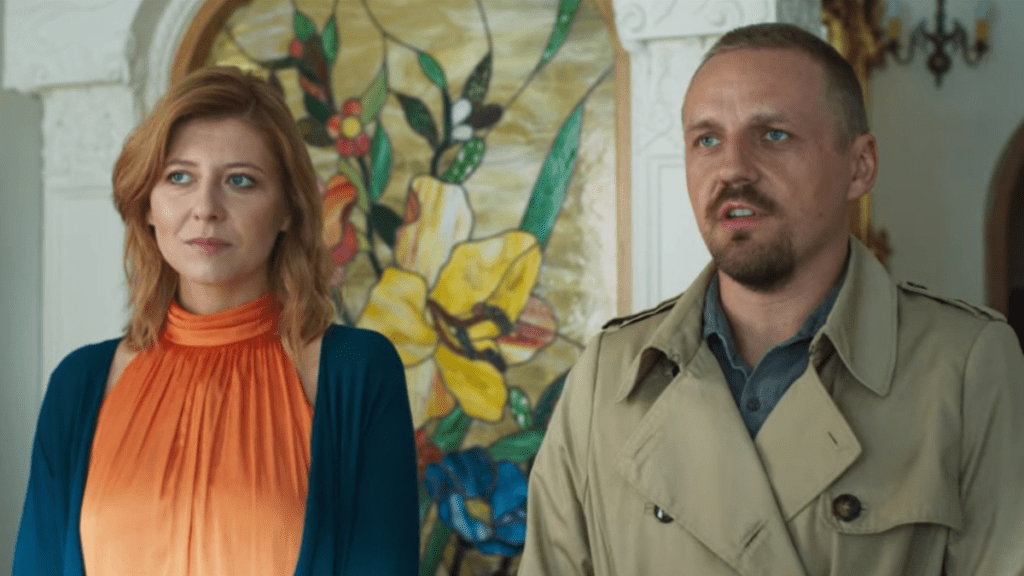
The Polish comic thriller “In for a Murder” only finds its sweet spot briefly, and then only very late in the third act.
Veteran writer-director Piotr Mularuk (“Zuma”) was going for something light, a frothy murder mystery which has been a staple of Hollywood and international cinema since before “The Thin Man.” But his picture only gets a little bounce in its step when a group of Polish housewives from a Chinese fan-dancer class take on a murderous villain with their fans as “Kung Fu Fighting” rings in from the soundtrack.
The basic ingredients are here. The amateur, intuitive and “involved” housewife/sleuth, Magda (Anna Smolowik) figures things out before the somewhat hapless and clumsy police inspector (Pawel Domagala), whose chief qualification for the job seems to be his neato Columbo trench coat and very big badge.
There’s inept, lie-on-the-fly undercover work, the funny best friend (Olga Sarzynska) who teaches that fan dancing class, and a hustling “Psychic Therapist” (Piotr Adamczyk) who assures one and all that he can’t track down a long-missing friend of Magda’s until she throws a lot of money at him, “rules of the cosmos,” he says — the harder the psychic demands, the higher the price.
So this could have been funny.
What cast and crew have to content themselves with instead is a barely-involving mystery with assorted intrigues, twists and threats to our Magda, who when asked by her inspector friend if she thinks she’s “C.S.I. or something” (in Polish with English subtitles, or dubbed), tells him “Agatha Christie, positively.”
Magda is a mother of two with a distracted, control freak of a husband (Przemyslaw Stippa). She used to work as a veterinarian’s assistant, which is the main reason the hunky family vet (Jacek Knap) seems so flirtatious around her. He could use some help.
But Magda has a secret ache. Her friend Weronica disappeared 15 years ago, and whatever the cops say about “case closed,” she still wants to know.
And when she stumbles across a dead woman in a vacant lot while walking the family dog, Magda starts to see connections and begins looking for answers.
A photo of the dead woman shows her wearing Magda’s late friends’ necklace. She starts snooping around, questioning a jeweler, getting info from the missing woman’s parents and telling our inspector that he’s on the wrong track for solving this rare, new murder in suburban Podkowa Lesna.
She’s part of the investigation, whether he likes it or not. Magda even goes so far as the sneak around interrogating people as she second guesses the police rush-to-judgement in declaring “case closed.”
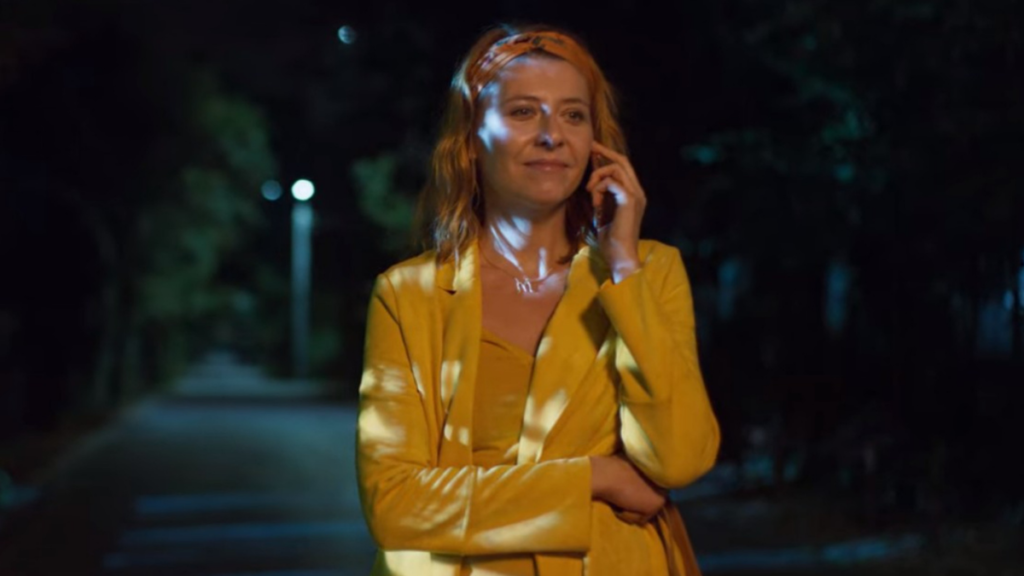
“In for a Murder” is a slow-moving thriller that tries to hit a fast-moving target — finding laughs in a murder mystery that for Magda, is very personal.
Smolowik plays her heroine as too straight to be very entertaining. And Domagala seems to be fighting the idea that his “inspector” isn’t just a clown, but is capable of a competent moment here and there.
Those approaches are both defensible and wrong. This movie wants to be a goof on the genre, with Magda’s rising paranoia (she thinks she’s been targeted) played broadly for laughs, and the police inspector’s clumsiness keeping him two steps behind his unauthorized “helper” and embarrassed by it, as all comic movie cops are.
And wherever they were going with this, writer-director Mularuk ensures that the journey is slow and seems even slower.

Rating: TV-MA, adult subject matter, profanity
Cast: Anna Smolowik, Pawel Domagala, Piotr Adamczyk, Przemyslaw Stippa, Jacek Knap and Olga Sarzynska
Credits: Scripted and directed by Piotr Mularuk, based on a novel by
Katarzyna Gacek. A Netflix release.
Running time: 1:45

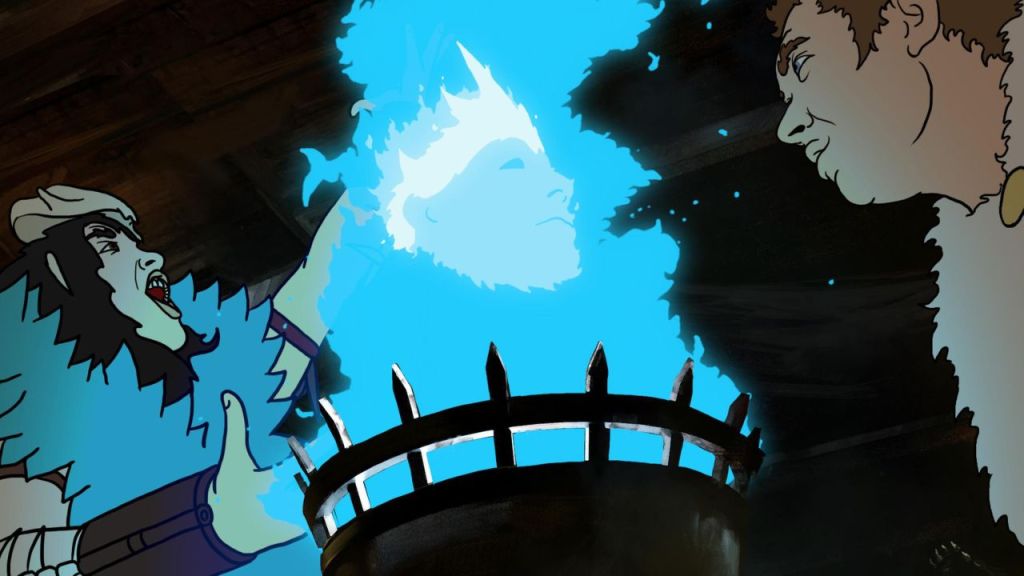
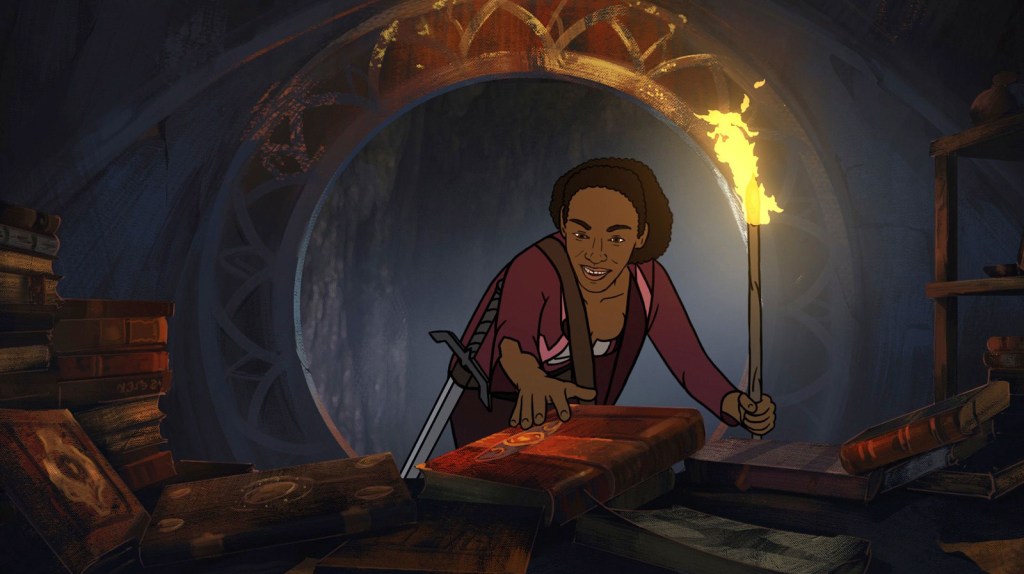
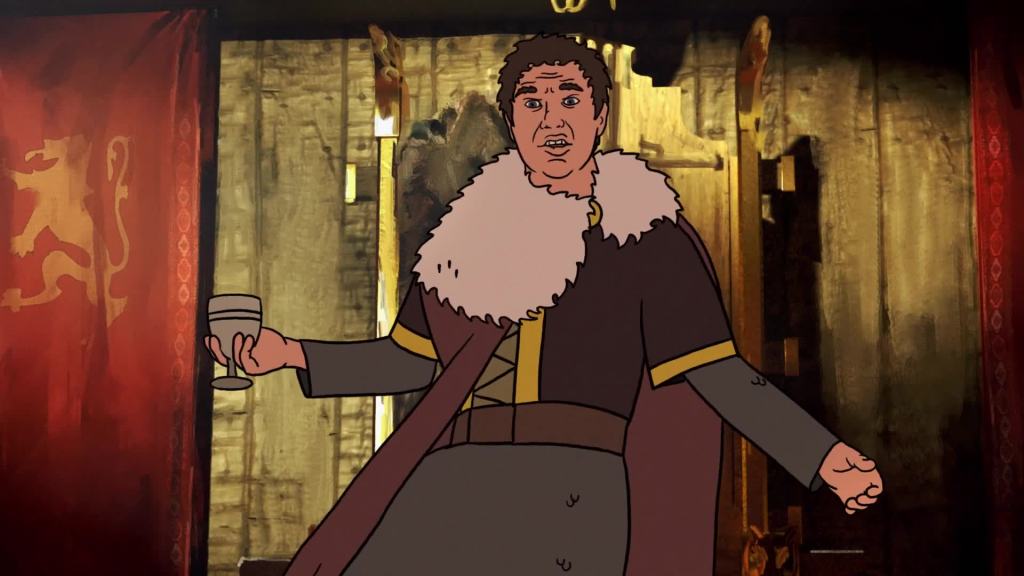
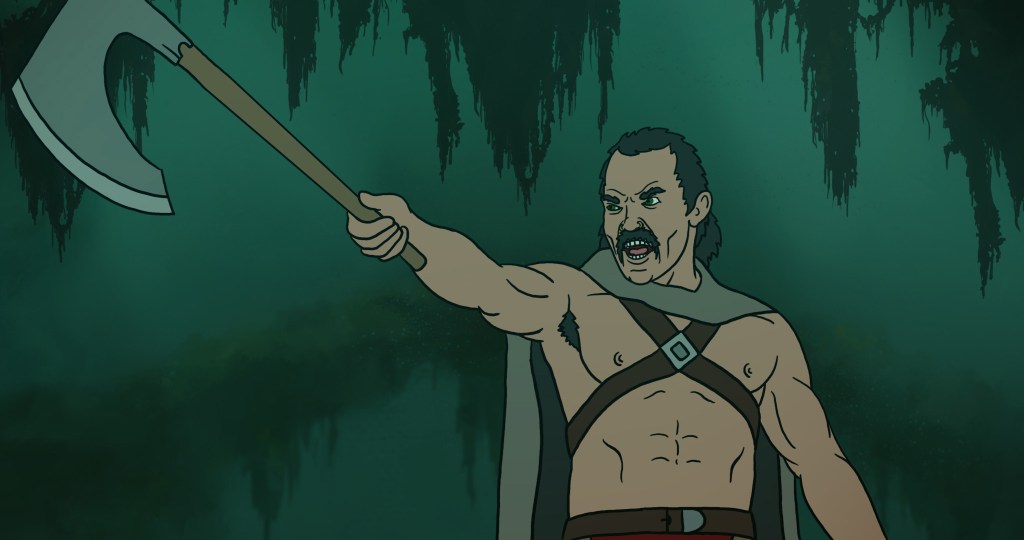
“The Spine of Night” is a reasonably good-looking — and gory — animated sword and sorcery saga for adults, a movie set in a wholly-realized fantasy world, but lacking a story or characters that invite us to invest ourselves in their fate.
Filmmakers Philip Gelatt and Morgan Galen King and King’s Gorgonaut animation operation have conjured up a movie reminiscent of “Heavy Metal,” still something of a watershed film in this animated genre, and attracted a fan-service-friendly voice cast that includes TV’s “Xena,” Richard E. Grant, Joe Manganiello and horror mainstay Larry Fessenden.
They’ve given them D&D portentous dialogue that mentions “the Pantheon,” “the Night of a Thousand Suns” where “noble scholars…have amassed all the knowledge in the world” and one of their number has been corrupted by it.
“Inquisitor! Cease your necromancy!”
I mean, the fans would expect nothing less, right?
But its somewhat shapeless, despite a simple quest narrative, much of it presented in flashback, a film that changes points of view and never sets the viewer up to identify with any of them.
That’s very “Heavy Metal,” as well, I might add.
A swamp witch (Lucy Lawless) survives a massacre of her “wretched Mud People” and makes her way across the swamp to the Guardian (Richard E. Grant) where they debate the merits of saving, hiding or stealing “the bloom,” a magical flower our witch Tzod wears as a lei.
“The bloom is the last light of the gods,” the Guardian intones. “Would you die to take it?”
She’s already died, and more than once, she’ll have him know. Let the zaftig, could-not-be-more-naked Tzod tell her story.
The witch had to scheme her way out of a prison cell that the minions of megalomaniacal Lord Pyrantin (Patton Oswalt, of all people) held her in. But that’s where she met the sympathetic Asher scholar Ghal-Sur (Jordan Douglas Smith). Once he’s seen the magical powers of the leaves of “the bloom,” he overpowers her, takes possession of her lei and proceeds to take over this darkest of the Dark Ages.
He will rule as a wizard-emperor, all powerful and immortal. His corruption spreads to others, but not all of the Asher Scholars — warrior monks (Betty Gabriel and Malcolm Mills voice a couple of them) who may or may not organize to stop Ghal-Sur.
As the crimson squishy-slicey sound-effects slaughter spreads, the film brings in other characters wielding magic tech and invites us to place our bets on whether any of them will foil our supernatural supervillain by trickery, force of arms or suicide mission.
The animation is of the fluid but limited (TV quality) movement characters parked in front of arresting, gloomy, expressionistic Mount Doom settings. Moments here and there summon up memories of animator Ralph Bakshi’s take on “The Lord of the Rings.” But they’re just moments.
The story plays like the mashup so much of this genre is these days. It’s slightly more sophisticated and somewhat less polished than your average anime action fantasy, to throw in a comparison with the probable fanbase this could appeal to.
It didn’t quite get there for me, but I’m curious to see what these folks come up with next, perhaps after spending some money on a good screenwriter.

Rating: unrated, graphic gory animated violence and nudity
Cast: The voices of Lucy Lawless, Richard E. Grant, Betty Gabriel, Patton Oswalt, Joe Manganiello, Jordan Douglas Smith, Larry Fessenden and Malcolm Mills
Credits: Scripted and directed by Philip Gelatt and Morgan Galen King. A Shudder/RLJE Entertainment release.
Running time: 1:34

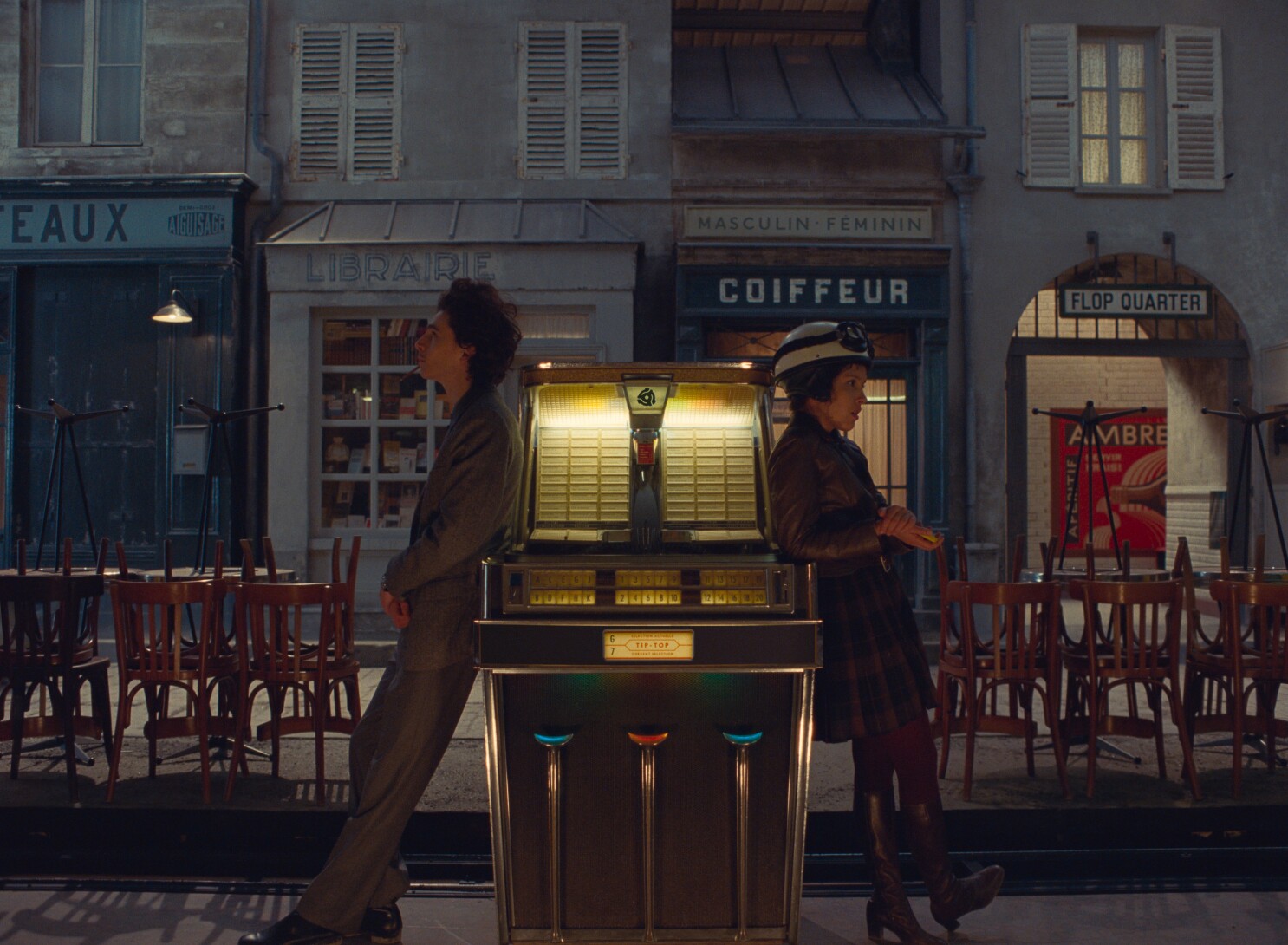
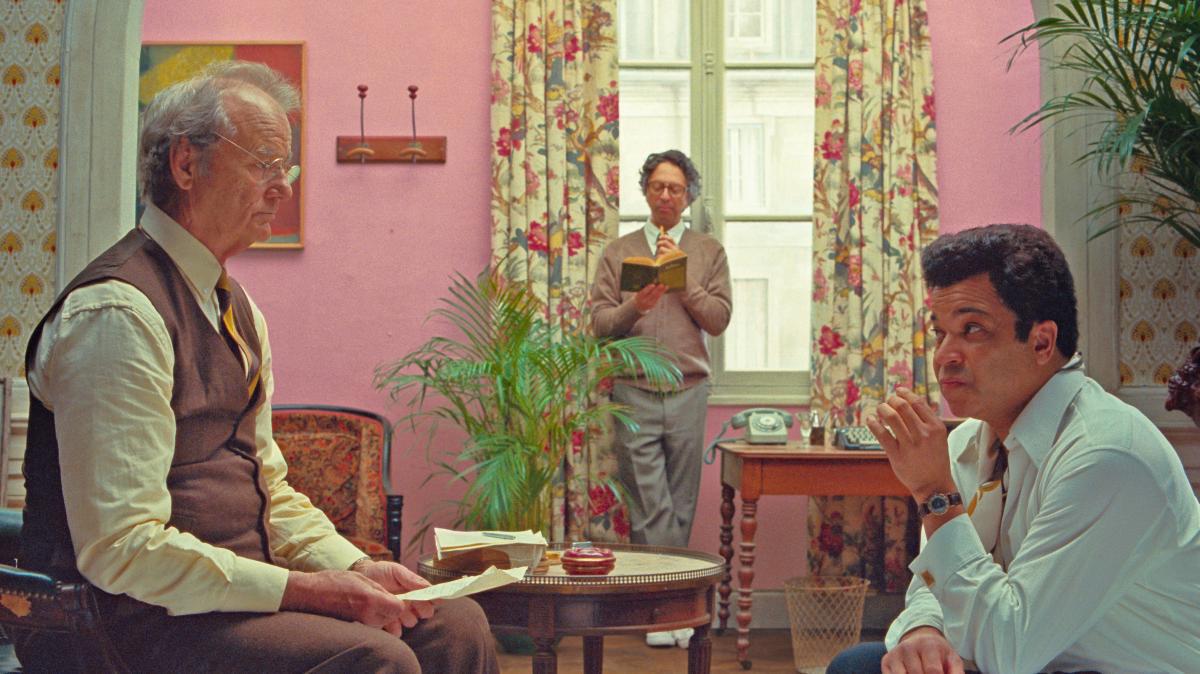
The giddy whimsy that’s been Wes Anderson’s brand since his earliest films is more subdued, the ornate, baroque world of “family” or “family where you find it” a lot more cluttered in “The French Dispatch.”
Let others make intermission-length Netflix indulgences or move into endless streaming series. He packs so many droll asides, sight gags, visual puns and pithy one-liners into 108 minutes that it will take more than one viewing to absorb, digest and appreciate them all, rather like peak era New Yorker Magazine issues from the late ’60s and early ’70s.
That’s the movie’s reason for being, its organizing principle. Anderson’s made a witty, densely-textured New Yorker of a film, so stuffed with characters played by famous actors that most are — if not given short shrift — not on screen enough to merit their status.
Film stars who used to flock to Woody for the mere chance of being in one of his films now flock to Wes.
It has another grand turn by Tilda Swinton, playing an upper class art expert who is a little Anna Wintour, a dab of Diana Vreeland and the merest soupcon of society doyenne and chat show wit Kitty Carlisle Hart.
Frances McDormand, Benicio del Toro, Léa Seydoux and “the usual suspects” — Owen Wilson, Adrien Brody, Anjelica Huston (narrating) and Bill Murray — stand out and register in ways that actors rarely do in small parts outside the world of Wes Anderson.
And it finishes with a flourish, a defining star turn by Jeffrey Wright playing an essayist, social commentator and food editor who is the most uncanny and amusing interpretation of James Baldwin ever to hit the screen. The character’s name might be Roebuck Wright, and his plummy-voiced TV chat show appearance with Liev Schreiber and not William F. Buckley Jr. But there’s no mistaking this dapper man of many, many perfectly chosen words relating his essay on the cuisine of the French police in the form of a manic kidnapping farce dashing through “The Hovel District” and “The Flop District” of “Ennui-sur-Blasé,” a city/section of suburban Paris.
Roebuck Wright gets lost, and explains it the way only James Baldwin would — “a weakness in cartography, a curse of the homosexual.”
Anderson organizes his film in departments, beginning with an editor’s note forward, which tells us the history of The French Dispatch of the Liberty & Kansas Evening Sun and its Man of Standards editor, Arthur Howitzer Jr. (Murray), who ordained that the magazine is to be shuttered, its brand typeface melted down upon his death.
His two edicts? “Try to make it sound like you wrote it that way on purpose,” and “No crying.”
Wilson is beret-wearing Herbsaint Sazerac, “The Cycling Reporter” who covers the city’s seamy side with the poetry of the pathological over-writer, delivering rhapsodic prose (each “reporter” acts out his or her “story” or essay) that is “impossible to fact check,” grammar Nazi editors played by Elizabeth Moss and Fisher Stevens complain. The bicycle makes for some grand slapstick.
McDormand is Lucinda Krementz, a thorough political reporter who is so “above” the idea of journalistic impartiality that she pitches in with the Paris student protests and riots of 1968 and even helps a mop-topped leader (Timothée Chalamet) write his “manifesto” while he sleeps in her bed, an oh-so-French arrangement and way of covering “The Chess Board Revolution” fought by “the pimple cream and wet dream” set.
Chalamet’s student leader Zeffirelli may be under-developed, his one joke “I’m ashamed of my new muscle.” But nude or in tweeds, with or without his omnipresent Gauloise cigarillo, he is the very image of the naive idealism and beauty of youth.
Statuesque Swinton, wearing false teeth and an evening gown, gives a lecture to enthralled art lovers based on her character’s historical tale “The Concrete Masterpiece,” the life of an artist (del Toro) and his prison guard/muse (Seydoux, flinty, fierce and dazzling) as the morose convicted murderer paints her –sometimes literally dabbing at her nude body — whenever she lets him out of his straight jacket.
Brody is the tax-evader/art dealer fellow inmate who, with the support of his backer/uncles (Henry Winkler and Bob Balaban) tries to make the artist/curmudgeon into a star and themselves rich in the process.
Oscar-winner del Toro, his beard spattered with paint, is the personification of the artist in ennui, or Ennui (prison) — “What do you want to paint?” “The future.” “All great beauties withhold their deepest secrets.”
And Wright’s “food scene” reporter/poet/essayist turns his “typographic memory” on a French police chief (Mathieu Amalric), his department’s chef (Steve Park) and fine dining interrupted by the kidnapping of the chief’s little boy by a gang led by a chauffeur/failed musician (Edward Norton).
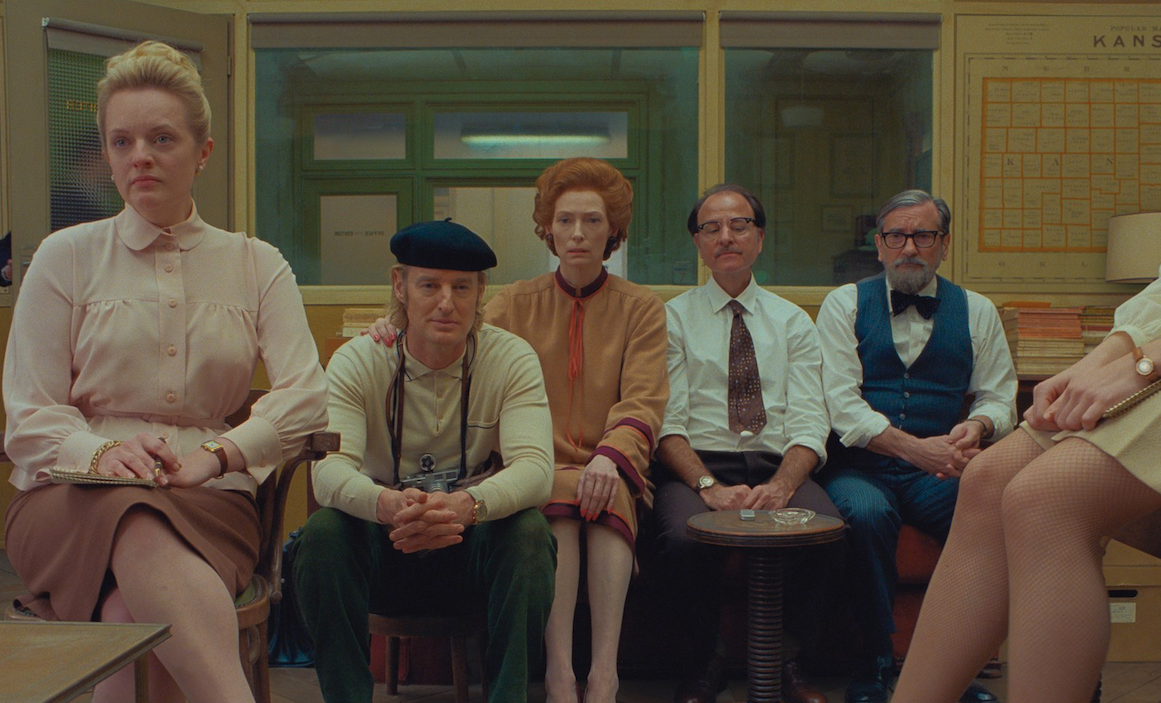
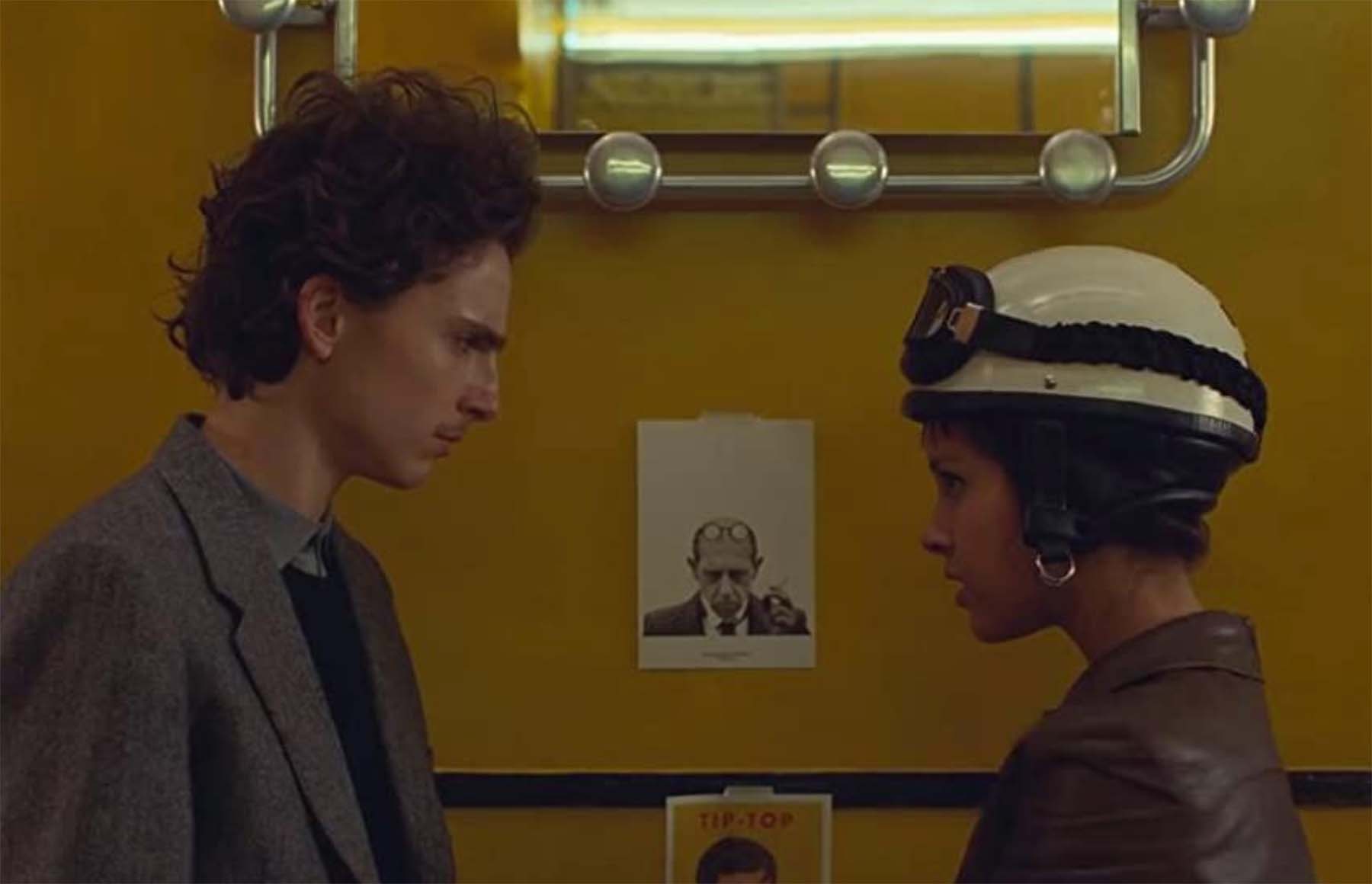
Much of the playfulness of “The French Dispatch” is in the ways Anderson tells these stories — his usual deadpan-to-the-camera extreme close-ups, drolleries delivered at screwball comedy speed, the Halloween candy color palette of all.
Mise en scene is paramount in Anderson pictures, and the production design here, from towering, ancient French apartments — viewed in long shot so that we can take in the entire tableaux, all sorts of characters engaging in many different actions at once — invites comparison to great film moments by Keaton, Tati and Jerry Lewis.
Anderson shifts between color and black and white, sometimes as a way of differentiating between the fictive present and the past, sometimes on a whim. A car chase devolves into something so complicated and cute it simply has to be finished off in animation. Split screens break down the action, much of it set to an ironically plaintive solo piano score, but with a dash of classical music, jazz and pop.
The life story of the artist Moses Rosenthaler is told with Anderson favorite Tony Revolori (“The Grand Budapest Hotel”) portraying the murderously headstrong Artist as a Young Man, with Revolori literally handing off the role — his character’s necklace, etc. — to del Toro for the “present day” scenes, a simple and elegant touch that no one but Anderson would think of.
It never gets up to the gallop of the giddiest Anderson outings, never finds the heart of a “Royal Tenenbaums” or “Isle of Dogs.”
It’s more self-conscious than usual for Anderson (and that’s saying something) and traffics in character “types.”
The list of great actors with roles seriously shortchanged here ranges from Christoph Waltz and Willem Dafoe to Moss, Murray, Lois Smith and Rupert Friend.
But this magazine of a movie is something to be savored, a rarefied delight that’s intellectually aspirational, as the great magazines used to be. It rewards the well-read, the art observer, the film lover, the Francophile and the Wes Anderson fanatic.
And our reward is that we get to peruse it again and again, finding fresh fun in each new viewing.

Rating: R “for graphic nudity,” some sexual references and language (profanity)
Cast: Frances McDormand, Benicio del Toro, Adrien Brody, Tilda Swinton, Jeffrey Wright, Elizabeth Moss, Léa Seydoux, Christoph Waltz, Bill Murray, Owen Wilson, Steve Park, Bob Balaban, Timothée Chalamet, Henry Winkler, Mathieu Amalric, Lyna Khoudri, Lois Smith and Tony Revolori
Credits: Scripted and directed by Wes Anderson. A Searchlight Pictures release.
Running time: 1:48
This Nov. 5 release has a genuinely unsettling trailer, which is sometimes a good sign. Oh yes, I’ll be reviewing this.


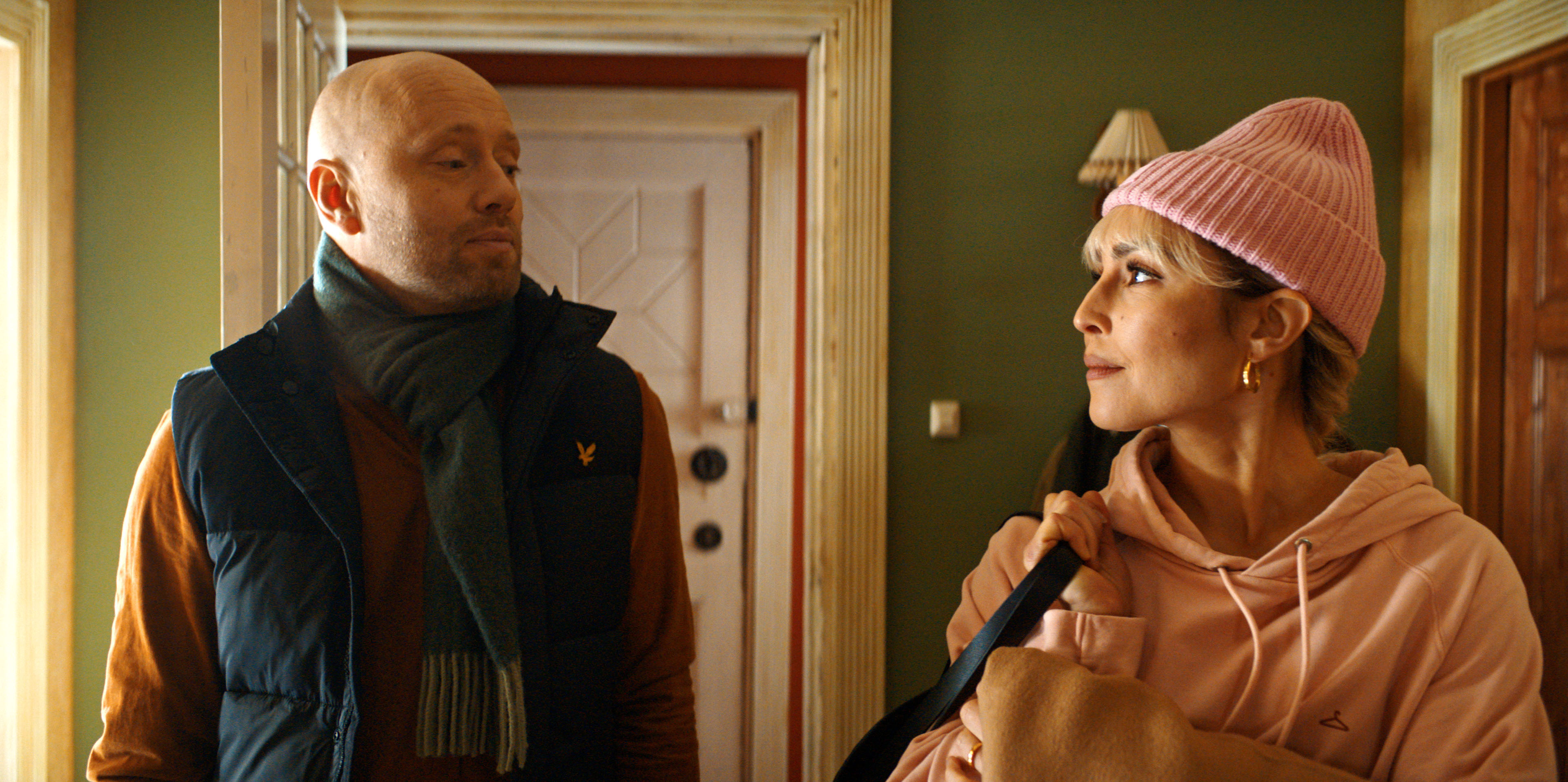
As madcap, slapstick Norwegian bloodbath comedies go, “I Onde Dager (In Bad Times)” isn’t half bad.
Dark, grisly, suspenseful and laugh-out-loud funny, it sometimes skips and sometimes lopes along — scored to jaunty Norwegian pop, rock and an unforgettable Norske cover of “Harper Valley PTA.”
We see “The Girl With the Dragon Tattoo” laugh, and not a chuckle either. Noomi Rapace cuts loose with a “Garbo Laughs” guffaw.
We cackle in surprise ourselves.
And Netflix damned near ruined it all by giving the film the over-used English title “The Trip” for North American consumption. I mean, come on.
It starts with one premise and proceeds to try and one-up itself, scene by scene, complication by complication, with every new character and morbid twist actor-turned-screenwriter Nick Ball comes up with. He’s taking a shot at “Sleuth” and “Deathtrap” and “Knives Out” and any complicated comic thriller you can take of — good and bad. And if he doesn’t come close to the classics, he sure serves up an often fun ride.
We see TV director Lars (Aksel Hennie) finish an amusingly melodramatic scene on the soap opera where he works, flirt with his star and, for the first time, too-obviously mention (in Norwegian with English subtitles) how he’s going to the family’s cabin by the lake, that his actress wife is “going for a hike in the woods and that it’s “dangerous.”
When he brings it up to somebody else, we’re onto him. That trek to the hardware store isn’t subtle either — rope, duct tape, hand saws and a hammer?
Lisa (Rapace) is a gum-snapping bottle-blonde, a Swedish actress fond of wine but not making much headway in Norwegian acting circles — a TV commercial here, a failed stage audition there.
But whatever Lars is cooking up, Lisa may have a counter. She figures he has “an idiotic motive, an idiotic plan” because “he’s an idiotic man!” And when things get their ugliest, she dismisses him as a “not much going on up there” director, and he spits “You’re a terrible, AWFUL actress.”
Blows are exchanged. Blood is spilled. And then, outside parties get involved. This Cabin in the Woods turns “Cabin in the Woods” and “Fargo” and the like. “Messy?” You don’t know the half of it.
Director Tommy Wirkola (“Dead Snow,” “What Happened to Monday”) keeps this lumbering beast on the move, the film’s saving grace. The first act delivers so many injuries that we have to wonder how the story and the bleeding characters will make it through two more acts of mayhem on this level.
They bring in substitutes. That’s how.
The filmmaking makes a virtue of the all-too-obvious foreshadowing — a closet full of shotguns, a kitchen loaded with knives, duct tape — showing us Wirkola is on much more confident ground than he was with “Hansel & Gretel: Witch Hunters.”
Rapace is her usual lethal self, throwing in a little smirk behind all the fury. Hennie (“Headhunters”) makes Lars an amusing, clumsy dullard we underestimate. Repeatedly.
And the motley crew that joins them in woods in ways explained via “five days earlier….three days earlier” etc. flashbacks is just as game, and if anything even more over-the-top.
Ball serves up just enough Nazi jokes, sex gags and out-of-left-field jolts to keep “The Trip” funny and interesting, even as the energy flags, here and there.
But that’s quibbling. This is bloody good fun, and damned bloody and damned funny in the bargain.

Rating: TV-MA, violence, profanity
Cast: Noomi Rapace, Aksel Hennie
Credits: Directed by Tommy Wirkola, scripted by Nick Ball. A Netflix release.
Running time: 1:54
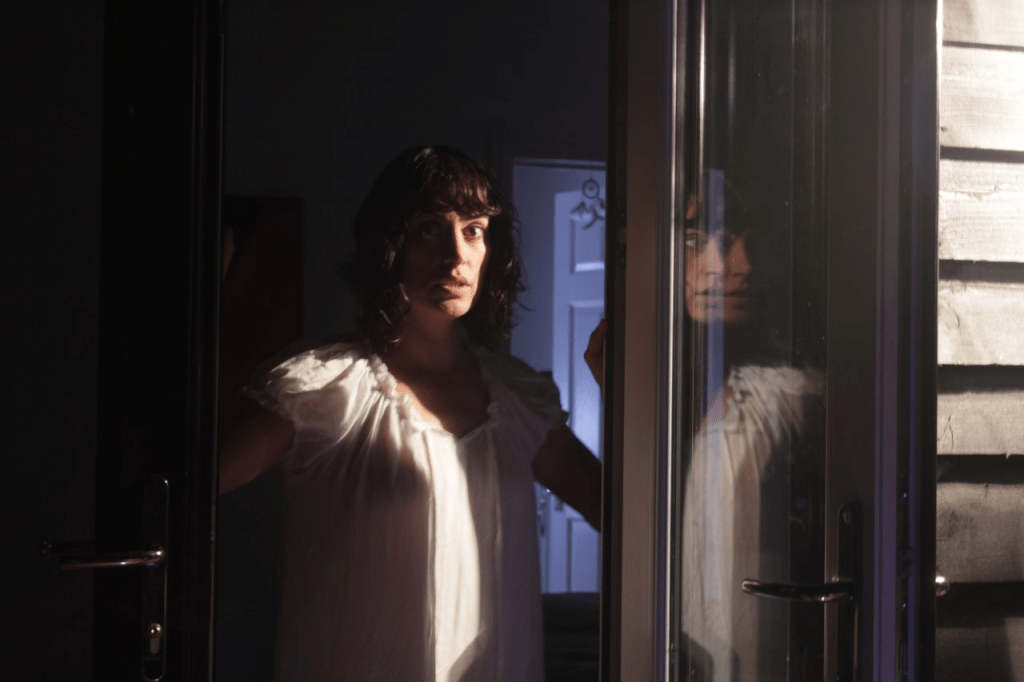
Hand it to the Brits who conjured up “They’re Outside,” a never-quite-reaches-lukewarm thriller in the “found footage” “Blair Witch” mold.
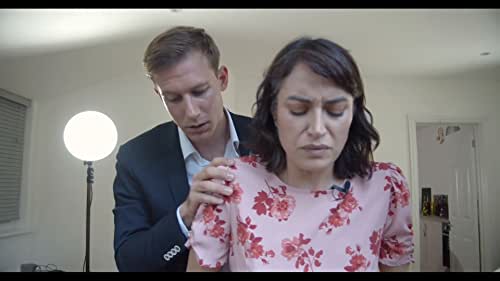
They conceived a movie about a documentary shot as an unlicensed Youtube psychotherapist videoed himself trying to “cure” a woman’s agoraphobia. And yes, it looks like a film edited on a cell phone and mostly “filmed” on another. A good cell phone, but a cell phone camera nonetheless.
The cheesier-than-cheesy framing device has an academic “folklorist” intoning about “Penny film” about Youtuber Max’s “unaired episode” in which he (Tom Wheatley) attempted to treat, trick or cajole shut-in Sarah (Christine Randall) out of her Hastings, East Sussex home.
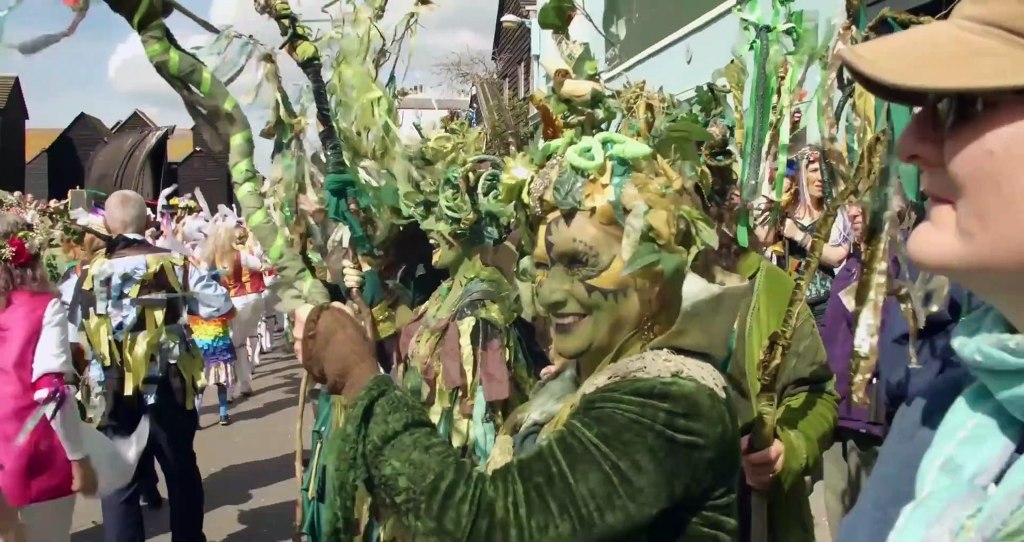
The reason the folklorist is telling us this as that the principals in this tale aren’t around, but the “Green Man” of Hastings legend might still be, a forest ghost who takes out his revenge on a society that murdered him long ago by luring victims into “The Endless Woods” and/or convincing them to do harm to themselves and others.
Sam Casserly and co-director (and sole credited screenwriter) Airell Anthony Hayles serve up a scheme within a plot within an ex post facto “film” that includes outtakes from Max’s “Psychology: Inside Out” Youtube channel — mostly Max presenting, meeting Sarah and interviewing her friend Penny (Emily Booth) while Max’s girlfriend Nicole (Nicole Miners) gets it all on tape.
But there’s also animation — expressionistic drawings used to flesh out the “Green Man” legend (we see a parade including him, part of a Halloween festival celebrating him) — “video diary” entries, CCTV footage and interviews with Max’s parents.
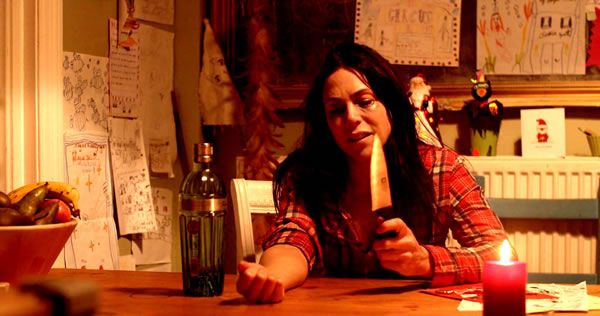
And the opening scene of the film has a weeping woman with a knife telling us “These are my last words…on camera.”
So something bad happened, something that went beyond Sarah’s fear of anything outside her house and the sleepwalking that’s one of the manifestations of her troubled mind.
But as Max plunges into this “case” for his Youtube fans, his asides to the camera tell us he not only doesn’t “believe in phantom (door) knocks,” he’s wondering about the authenticity of this woman he’s trying to “help,” and what she and her friend “Penny” might be selling.
“She’s certainly trying to get me to believe in this nonsense.”
While movie malnutrition isn’t a cardinal sin — many an indie film betrays its budgetary shortcomings and still comes off — here it’s a grating tune-out from the start.
Sarah is meant to be an America, and the performance of her is a case study in how mastering an American accent isn’t the easiest skill in a British actress’s toolkit.
“They’re Outside” is never the least bit frightening. The “gotchas” don’t play and the vibe is never creepy enough to set up a decent “gotcha” moment.
And you can’t lay much of that at the feet of the cast. The reason this doesn’t make much sense, that it’s dull, dumb and hard-to-follow/complicated at the same time, is the scatterbrained screenplay and the way it’s acted, directed and edited onto the screen.
The little snippets of animation are chilling, the “parade” samples and the various pieces of footage meant to be from Max’s show and Penny’s “documentary” undercut that and never jell into anything that manages to be suspenseful.
And the “Green Man” as an entity never gets his due as a “boogeyman” of legend, reality or otherwise.

Rating: unrated, some profanity
Cast: Christine Randall, Tom Wheatley, Emily Booth, Nicole Miners
Credits: Directed by Sam Casserly and Airell Anthony Hayles, scripted by Airell Anthony Hayles. A Terror Films release.
Running time: 1:23

 Movie Nation