Movie Review: “Jackass Forever”

I’ve always had a soft spot for these guys. Which is why one makes sure to wear a cup whenever reviewing a new “Jackass” movie. One must.

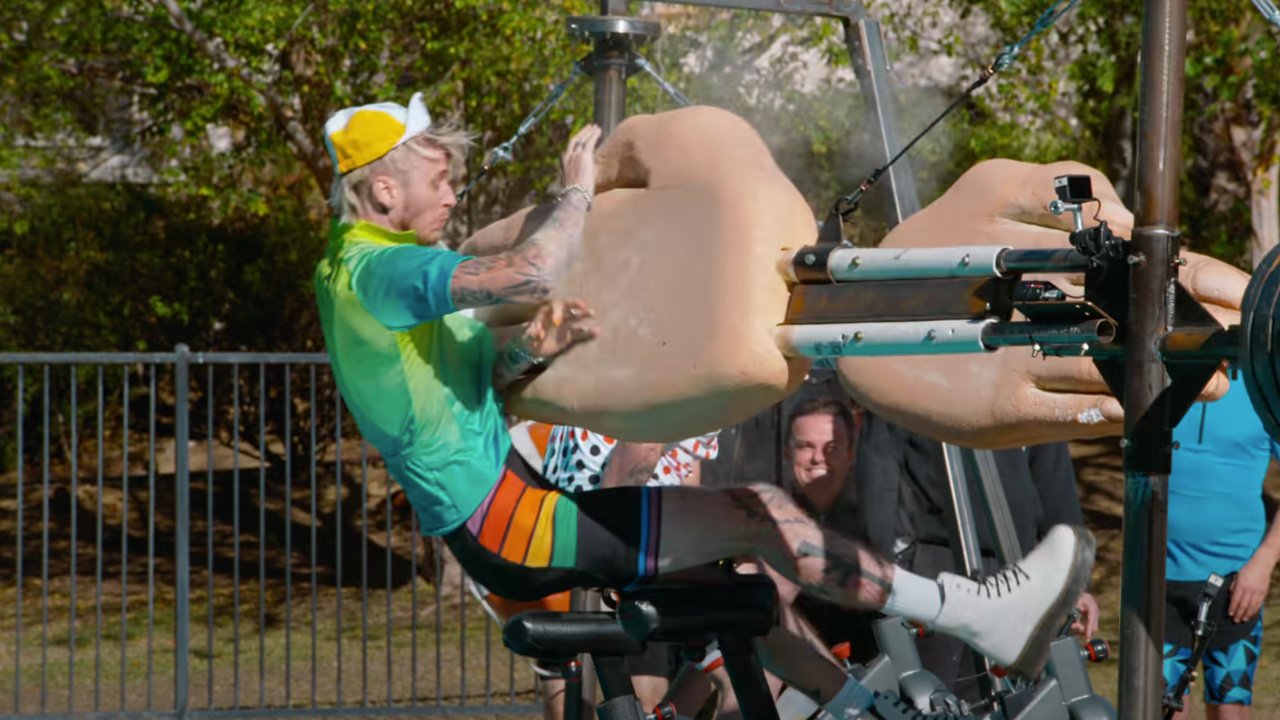
“Jackass Forever” is a valedictory victory lap for the scruffy little troupe of “stunt” dudes who risk almost certain injury — and certain humiliation — for laughs, lowbrow fame and cold-hard-cash.

They’ve been this for over 20 years. They’re all getting on up there, and as Indy Jones reminded us, “It’s not the years, honey. It’s the mileage.”

The movie they came up with is sentimental. And of course, kind of gross.

Intrepid prankster Johnny Knoxille jokes about “don’t show my bald spot (prompting a quick spray from producer Spike Jonze), and even shows off the snow white locks of his Appalachian elders in a few scenes. Everybody else let’s us see their missing teeth, past pain added to their fresh collection of bruises, bites, and scrotal overexposure that every new “Jackass” film promises.

They’ve finally diversified the cast, essentially setting up a new generation of Jackasses including Erik Manaka, comic Rachel Wolfson, walking co-morbidity Zach Holmes and Sean “Poopies” McInerney, whose nickname makes telling us that he “grew up watching ‘Jackass'” totally redundant.

One and all return for a few new epic stunts more or less under-designed to go wrong, and a nostalgic recycling of some of their most infamous pranks — the exploding outhouse among them.

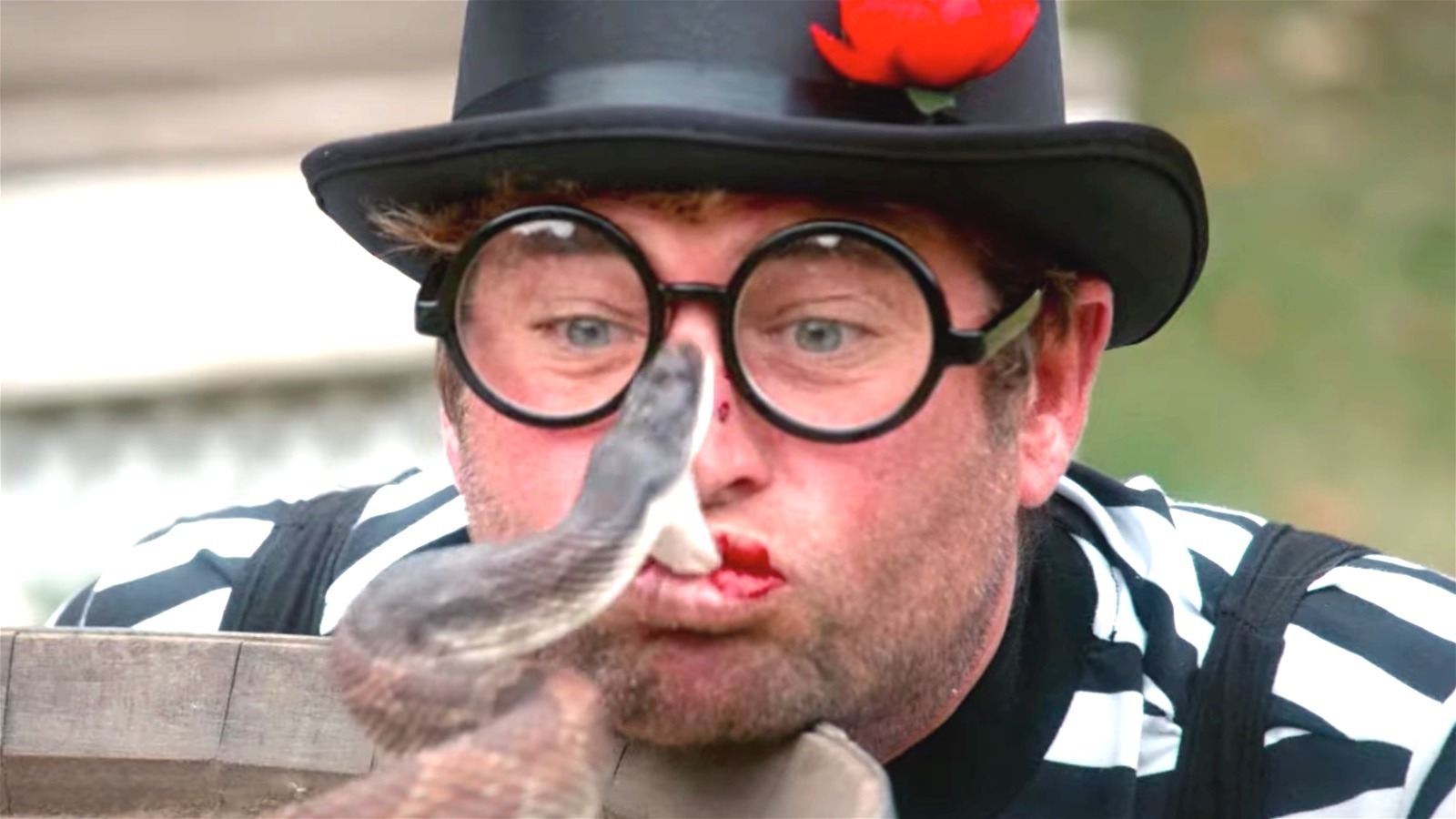
A new bit favorite might be “The Quiet Game,” which involves pranking guys into waiting in a pitch-dark room that they assume has a loose rattlesnake in it, and Knoxville & Co. poking, cattle-prodding and abusing the hell out of them with the added terror of them never knowing what’s coming.

There are gags involving bees on a naked Steve-O, a honey-and-salmon-covered Jackass and a bear, a Wee Man baited for a vulture, snakes, a scorpion and of course a bull, although not the same one who’s given AARP-eligible Knoxville a violent toss in essentially the same gag, over many Jackasses over many years.

It’s no wonder PETA called for a criminal investigation of the picture and the animal handling practices of Team Jackass. I wonder, did PETA see this crew’s much more alarmingly animal-packed “Action Point?” That one that gave me pause.

Let’s hope for the best and assume “no animals were harmed,” because the same can’t be said for the principals. We’re here for the harm — theirs. And they don’t disappoint.

A snake or a scorpion bite to the face, bee stings all over Steve-O and little steve-o, “The Cup Test” involving a man-mountain from MMA (Francis Ngannou) delivering a knockout punch to the crotch, with many other variations of the crotch shot to follow, this crew brings the pain and suffers for their art.

The Spider Helmet gag has two men (Dark Star, the father of one of the new players, is one) in bubble helmets trying to keep a giant spider from traveling down a transparent tube into THEIR helmet to deliver a bite.

Wee Man — “Look at those FANGS!”

Ehren McGhehey: “I don’t wanna see the fangs!”

Johnny Knoxville: “Make SURE Ehren sees the fangs!”

It’s not the most original of these films, thanks to the re-enacted gags. And watching a cameraman and others vomit isn’t the most nauseating stuff they serve up. These arrested adolescents love their bodily fluids/bodily functions gags, and I’d say there are about three bodily fluids, two bathroom accidents and a half a dozen scrotum exposures I could’ve done without.

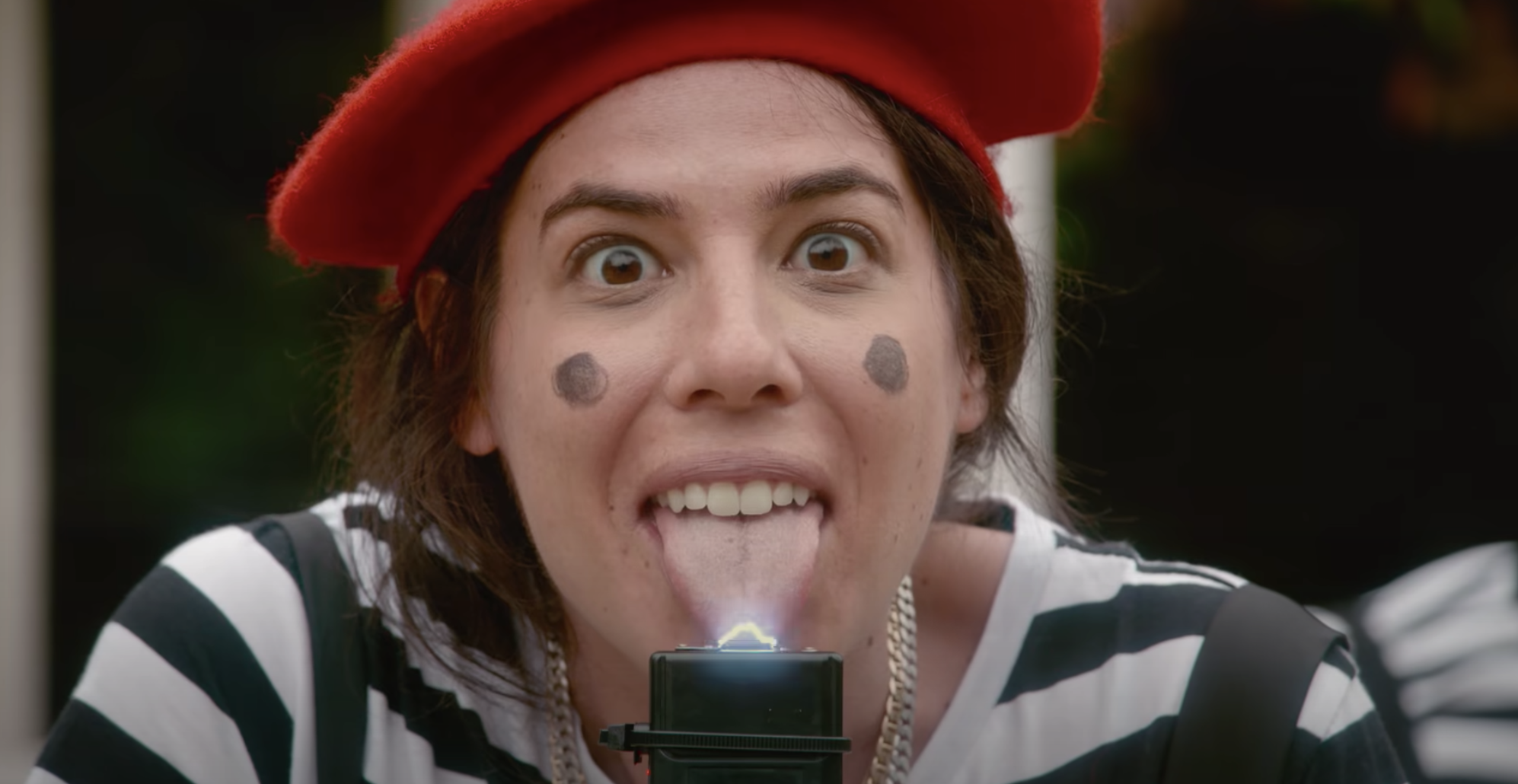
These movies don’t fit into any one, neat film category, and are so intentionally scruffy, sloppy and DIY looking that endorsing one is generally out of the question. It’s junk, sado-masochistic and lowbrow in the extreme. A perverse part of me was delighted when director Jeff Tremaine got tased (Knoxville tases almost everybody) and I held out the hope that Knoxville would give concept co-originator and producer Spike Jonze a zap. Note for “Jackass Continues” — I’d pay to see THAT.

The bonhomie and breaking each other up can seem genuine, or forced, like members of a “morning zoo” radio ensemble making themselves laugh at the less-than-hilarious.

High art this isn’t. The human grotesques may not be “Felliniesque.” And yes, that bear looks forlorn.

But in a climate where everybody else pulls their movies and hopes things will get better for moviegoing in the future, the COVID-protocols-conscious Jackasses went out there and did their thing, and are serving up their movie at a time when movie theaters are hurting.

That’s kind of noble, adding a financial risk to all the physical risks they gladly, or reluctantly, or with the assistance of “liquid courage” off-camera, take on.

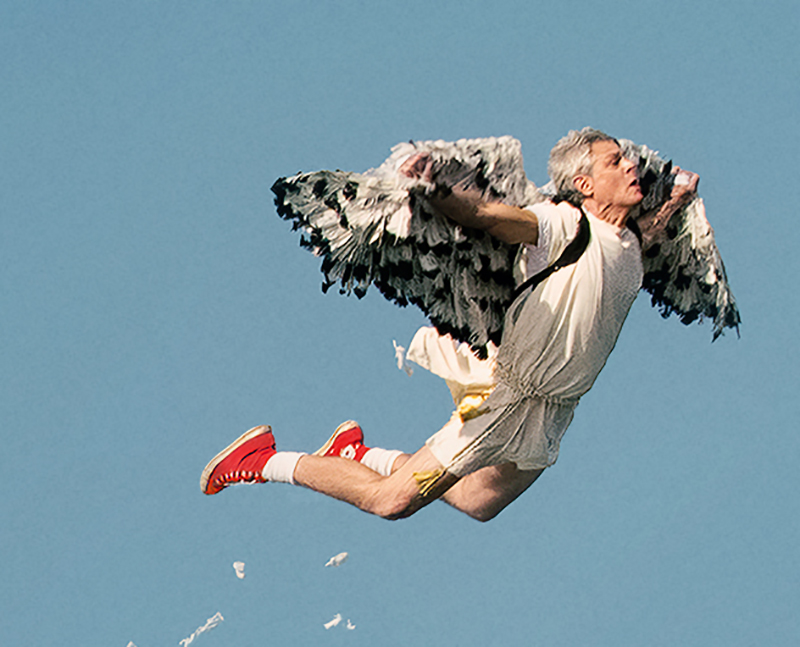
And there’s white-haired Old Man Knoxville, dressed like a Cretan cretin, flying out of a cannon in tribute to Icarus. If that’s not art, I’ll eat my hat. Or have a Jackass eat something even less palatable in my place.

Rating: R for strong crude material and dangerous stunts, graphic nudity and language throughout

Cast: Johnny Knoxville, Steve-O, Rachel Wolfson, Chris Pontius, Jason ‘Wee Man’ Acuña, Ehren McGhehey, Erik Manaka, Zach Holmes, Eric Andre, Tony Hawk, Dave England, Preston Lacy, Francis Ngannou and Machine Gun Kelly.

Credits: Directed by Jeff Tremaine. A Paramount release.

Running time: 1:36
Posted in Reviews, previews, profiles and movie news | Comments Off on Movie Review: “Jackass Forever”

Next screening? “Jackass” takes one more in the Family Jewels, and taps out

All nostalgic for this one.

Posted in Reviews, previews, profiles and movie news | Comments Off on Next screening? “Jackass” takes one more in the Family Jewels, and taps out

Documentary Review: Remembering a Punk Icon — “Poly Styrene: I Am a Cliche”

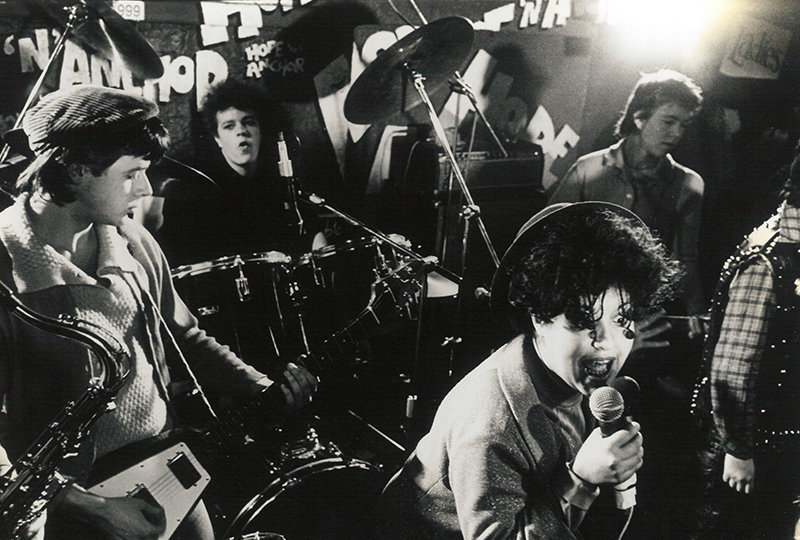
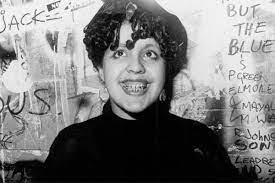
A punk icon who died too young is wistfully remembered by her daughter in “Poly Styrene: I Am a Cliche,” narrated and co-directed by her daughter, Celeste Bell.

Downbeat and eye-opening, it’s a marvelous time punk time capsule and a fine film memoir of a mother the daughter only lately came to understand.

Built on performance footage, a few TV interviews and featuring a Who’s Who of British and American punks giving testimonials, “I Am a Cliche” takes us from the rise to the fall, and then the afterlife of the self-mocking bi-racial “Rock Against Racism” champion.

Bell leads us through the former Marianne Elliott-Said’s childhood, with help from the future Poly’s sister, and creates a film with the daughter remembering her mother by “retracing her footsteps.”

“Creative people don’t always make the best parents,” Bell admits. But as she visits the hall on Hastings Pier where young aspiring singer Marianne’s life was changed and her journey to Poly began — at a mostly-empty Sex Pistols show in 1976 — the daughter admits to finally developing an appreciation for all her mother was and represents, a decade after Poly Styrene’s death.

We hear how Mum came up with the name (“the Yellow Pages”), how she “placed an ad in Melody Maker (magazine),” recruited a band with sax and guitars, drum and bass that they named X-Ray Spex. And we hear for ourselves how this unique vocal talent punched through the blast of backing music to take center stage in the mid-70s scene that the Sex Pistols pretty much invented.

Oscar-nominated actress Ruth Negga (“Loving”) voices Poly reading excerpts from her diary, quoting from print interviews and reciting her self-revealing poetry. And bandmates such as sax symbol Lora Logic and Paul Dean, Kathleen Hanna from Bikini Kill and Thurston Moore from Sonic Youth marvel at the daring tunes (“Oh Bondage Up Yours!,” “Identity,” “I Am a Cliche” and the ominous “”The Day the World Turned Day-Glo” and stage persona that the “half-caste” girl from Brixton brought the world.

That last song was something of a harbinger, as it was based on Styrene’s seeing a UFO and pre-figured the mental illness that prematurely ended her career and turned X-Ray Spex into punk legends, celebrated as much for the brevity of the bright flash they made as for their genre-defining LP — “Germfree Adolescents.”

The fact that this isn’t her first documentary about her mother, and that Bell — who looks about half her age — is the only speaker other than her mother to appear on camera — give this the slightest whiff of exploitation. That’s the only knock against the film, though.

If you didn’t live through that era or keep up with the UK newspapers, Styrene’s later life will deliver the film’s biggest surprises. But Bell, appearing on camera but speaking in voice-over like everybody else, makes the celebration fun and the tragedy bittersweet in this fine tribute to the mother she only got to know and appreciate “too late” to gain the full benefits of being raised by an icon.

Rating: unrated, some profanity

Cast: Celeste Bell, Poly Styrene, Thurston Moore, Kathleen Hannah, Rhoda Dakar, Don Letts, Ana Da Silva, Pauline Black, Paul Dean, Adrian Bell, Lora Logic and Ruth Negga as the voice of Poly Styrene

Credts: Celeste Bell and Paul Sng, scripted by Celeste Bell and Zoe Howe. A Utopia release.

Running time: 1:36

Posted in Reviews, previews, profiles and movie news | Comments Off on Documentary Review: Remembering a Punk Icon — “Poly Styrene: I Am a Cliche”

Movie Preview: Singer and conductor Stellan Skarsgaard perform for the Nazis. Will they survive them? “I’ll Find You”

“Are you familiar with Wagner? It’s Hitler’s favorite. You’re going to sing it for him.”

A singer seeks his Jewish/violinist girlfriend in the Third Reich.

Good cast, nice period detail. Promising? Feb. 25.

Posted in Reviews, previews, profiles and movie news | Comments Off on Movie Preview: Singer and conductor Stellan Skarsgaard perform for the Nazis. Will they survive them? “I’ll Find You”

Movie Review: There are scarier things than being “Alone With You”

Get past the dull first act…and somewhat dull second. See beyond the attempts at arty-fartiness — extreme close-ups and blurred montages of images — and the cheap shocks and “Alone With You” kind of/sort of works.

It winds up in ever-heightening paranoia and finishes with a bloody flourish.

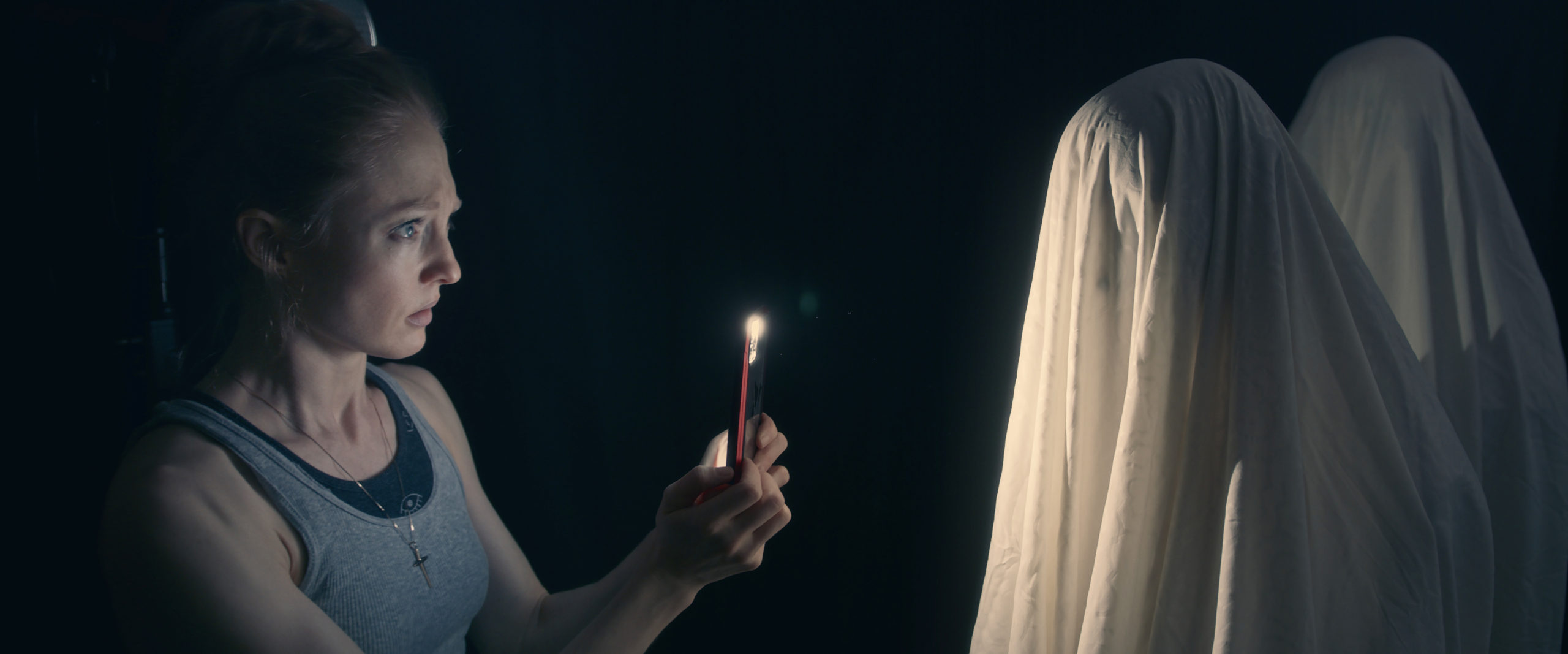
This is an “unstuck in time” at-least-in-her-mind tale of a model/makeup artist (Emily Bennett, who also co-wrote and co-directed this) who becomes trapped in her Brooklyn flat, panicking as she awaits the return of her overdue photographer/lover.

Charlene, aka “Charlie,” experiences joyous impatience, then worry, jealousy and fear of betrayal before her paranoia has her hearing this, “seeing” that and flashing back to clues from the relationship she’s so desperately into.

Simone (Emma Myles) was an on out-of-town shoot, and is due back. Right now. Charlene remembers when she was Simone’s favorite subject, practically her only subject. They’d pose-and-snap away on a deserted, out-of-season beach, with the viewer seeing what Simone saw through the viewfinder — LOVE.

Now? Well, getting calls from her hard-partying pal Thea (Dora Madison) in the club doesn’t help. Thea plants seeds of doubt, a lot of “I warned you” and “I’ve BEEN warning you” suggestions, because Charlie is “waiting” on Simone yet again.

“You wait on her like it’s your f—ing JOB!”

And even though she’s spilled wine in the tub and on the carpet, let’s assume Charlie got a few belts back over the course of the evening. Talking with her shrill, disapproving mother (horror mainstay Barbara Crampton) would drive anybody to drink.

But Facetime with Mumsy throws Charlie a curve she didn’t see coming. “Wait, what TIME is it there?”

Mom’s got a sunny widow behind her, Charlie’s in the dark–in the same time zone.

Then she starts hearing the thumps and bumps, the weeping through the heating vents in between apartments. Is there somebody IN here with her?

And those manikins Simone draped sheets over downstairs aren’t doing much for Charlie’s frazzled state either.

Bennett, a bit player on TV and in films, wrote herself a fine “cracking up” showcase, and she doesn’t disappoint — much.

The obscurant script features far too many “posing” sequences, far more “establish the setting and the set-up” scenes than are necessary. And runway-ready or not, Bennett doesn’t do enough to animate those static early acts.

But she comes to pieces with the best of them. Crampton would be proud.

The payoff doesn’t totally makeup for the longueurs that introduce “Alone With You.” But there’s promise enough and the picture’s short enough that it’s not a total waste of time, or waste of a lot of time.

Rating: unrated, violence, profanity

Cast: Emily Bennett, Barbara Crampton, Dora Madison, Emma Myles

Credits: Scripted and directed by Emily Bennett and Justin Brooks. A Dark Star release.

Running time: 1:22

Posted in Reviews, previews, profiles and movie news | Comments Off on Movie Review: There are scarier things than being “Alone With You”

Netflixable? “My Best Friend, Anne Frank”

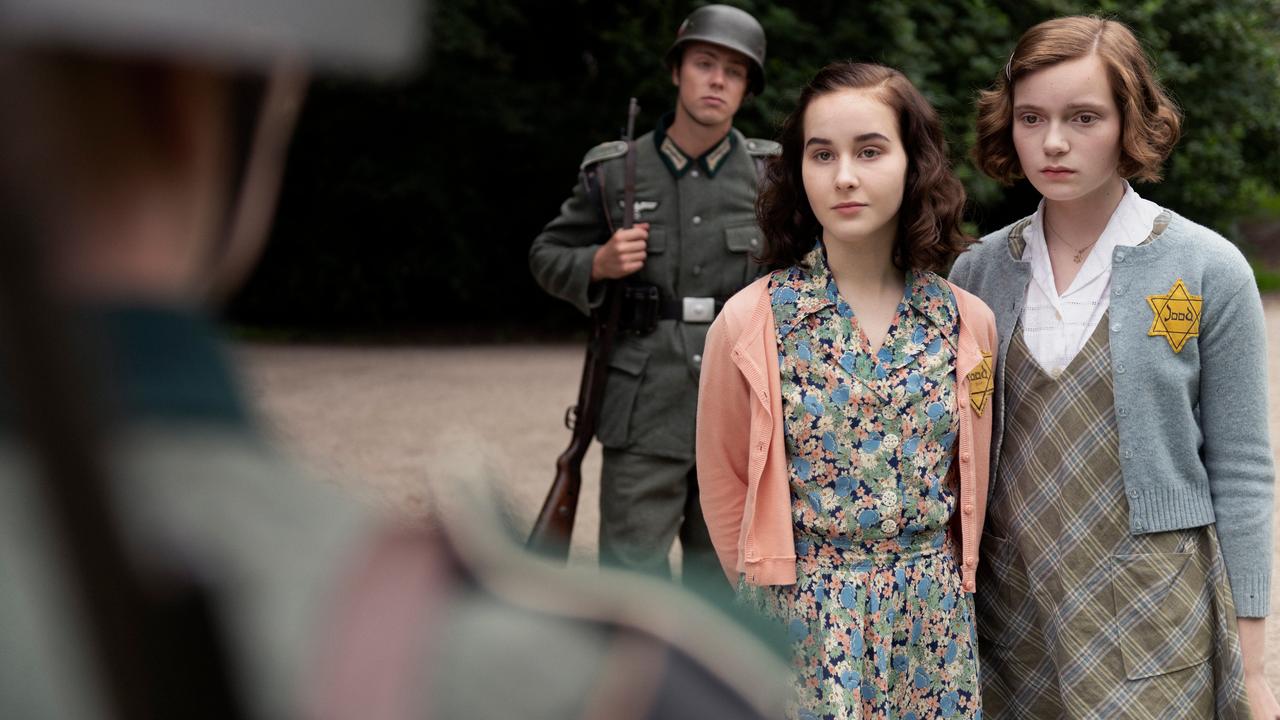
Her diary showed Anne Frank in human dimensions, a “normal” teenage girl of the Europe of her era — fascinated by celebrities, sex, interested in boys, sometimes petty, devoted to her dad, a little less fond of her mother.

Her decades as an international icon, the most famous Holocaust victim of them all, have clouded over that. “My Best Friend Anne Frank,” a new Dutch film based on the life of Israeli Holocaust survivor Hannah Goslar-Pick, gives a martyr her humanity back.

Goslar-Pick was a German-Dutch neighbor who grew up with Anne and was even transported to the same camp complex where Anne and her sister Margot died — Bergen-Belsen.

“My Best Friend” remembers the playful, rebellious and occasional mean girl that Anne was in a somewhat staid but well-acted film about Anne’s last years.

This Dutch film follows two timelines, capturing the nervous but relatively happy times the two schoolmates/playmates spent in Occupied Amsterdam in the summer of 1942, just before the Frank family slipped away to hide in their famous “annex” until they were exposed and arrested by the Germans and their Dutch collaborators. The person who most likely gave them away was identified just last month.

And we follow “Haneli” (Josephine Arendsen) through the winter of 1945, a teen still taking care of her baby sister, still listening to her father (Roeland Fernhout), who used to promise that he’d obtain the passports that would get the family out of German Occupied Europe, who now promises they’re due to be “exchanged” for German POWs any day now.

Hannah remembers herself as shy, praised for her singing voice, but inexperienced about all the “sex” stuff that interested Anne. Even though Hannah claims to want to be a nurse, “like Florence Nightingale,” she recoils every time Anne brings up human reproduction — or tries to shock her with illustrations from a medical text.

But Anne has schooled Hannah in a different way to approach life, to literally ask “What would Anne do?” (in Dutch, with subtitles, or dubbed into English). That’s how they slip into the cinema, watching a German propaganda newsreel and (apparently) “The White Angel,” a 1936 film about Florence Nightingale, from behind the screen.

Jews “aren’t allowed to use the phone, aren’t allowed into the cinema” Anne parrots. She is bold enough to flirt with boys, brazen enough to let one sneak them into the movies, and given to pranks — some of which strike her fragile friend as quite cruel.

Nearly three years later, Hannah tells her baby sister that Anne is “is on the other side of the (thatch-covered) fence,” in the deadlier work camp next door to the “exchange camp” Hannah, Gabi and her father are in. “What would Anne do?” is how she rescues Gabi’s stuffed bunny, and how she resolves to make contact, late at night, calling through that thatched fence to strangers on the other side. She’s looking for her best friend, Anne.

“She is probably the most talkative among you.”

I like the elegant parallel structure screenwriters Marian Batavier and Paul Ruven came up with for this. We’re sweat out the ticking clock of Allied “liberation” in the came, and we’re allowed to count-down towards Anne’s family’s planned “escape,” with Anne just as in the dark about it as Hannah.

But Hannah hears their fathers talking, and there are other clues about what’s coming. The German thuggery, matched by that of Dutch police hoping to impress their masters (and save their own skins) we see at every turn reminds of the stakes and the urgency of Otto Frank’s (Stefan de Walle) “annex” plans.

The life-inside-the-camp scenes are where the pathos of this story lies, although the main focus is on how Hannah took Anne’s bravery to heart to help her sister, stand up to her father and to the Hungarian Jewish women who dominated her barracks at Bergen-Belsen.

The story is admittedly fictionalized, according to an opening credit. And the viewer is required to trust that this or that particular important detail really happened. Goslar-Pick is not the only person to claim Anne Frank as “best friend.” Someone named Jacqueline Van Maarsen published a memoir under that label some years back.

But that’s not as important as what this story does for Anne. It celebrates her as exceptional, someone a friend would want to emulate when it came to bravery and making the best of an awful situation. And it gives back this soulful, deep thinker and memoirist her adolescence, staring in the night sky at “the Little Bear” (Ursa Minor), dreaming of the places she’ll go with her bestie when all of this is over.

With Nazis all over the Western world lured back out from the rocks they’ve been hiding under for decades, Anne and her friends — fellow victims and survivors — should have a voice in whether we tolerate that.

Cast: Josephine Arendsen, Aiko Beemsterboer

Credits: Directed by Ben Sombogaart, scripted by Marian Batavier and Paul Ruven. A DFW production for Netflix.

Running time: 1:43

Posted in Reviews, previews, profiles and movie news | Comments Off on Netflixable? “My Best Friend, Anne Frank”

Movie Preview: A West Bank espionage thriller set in “Huda’s Salon”

This looks terrific, intrigues involving Israeli occupation security forces getting Palestinians to rat on each other

March 4, from IFC.

Posted in Reviews, previews, profiles and movie news | Comments Off on Movie Preview: A West Bank espionage thriller set in “Huda’s Salon”

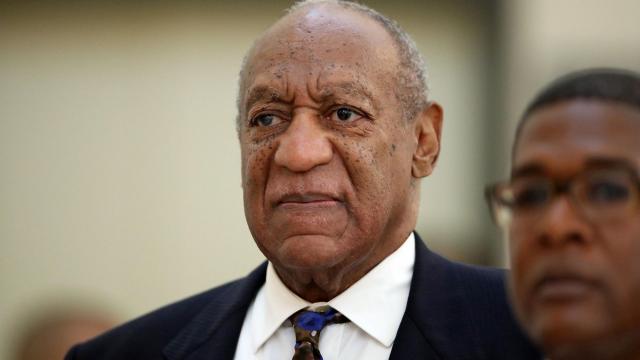
Series Review: Balanced and damning — “We Need to Talk About Cosby”

Bill Cosby was an artist who “changed the world,” “America’s Dad,” an icon of stand-up comedy, a breakthrough TV performer with Emmys and Grammys and national recognition in every field he moved into.

He was a tireless education activist in front of the camera, and a behind-the-scenes activist who not just broke barriers, he opened doors for others — forcing the integration of the film and TV stunt-performer industry.

And “He was a rapist who had a really big TV show once.”

Comic-turned-filmmaker W. Kamau Bell’s “We Need to Talk About Cosby” is a cultural history lesson, a work of biography, and in the tradition of “Surviving R. Kelly” and “Allen v. Farrow,” an expose of a famous person whose private persona can only be described as monstrous. For decades, the most famous Black entertainer in America drugged and raped women — scores upon scores of them.

Bell’s four-part Showtime series unfolds as biography, marking the Philadelphian’s early years, his showbiz breakthrough as an emulator of comic pioneer Dick Gregory who found the way to success and riches in America was to become “Raceless Bill,” with “family friendly” stand-up. His don’t-talk-about-race credo saw him rewarded with multiple TV series that were landmarks of their time.

But all the way through this Showtime series, in every episode as Cosby launches his career, first tastes fame, and then reinvents himself again and again, there were victims and pieces of evidence that kept coming out, a sexual predator “telling us who he was” on stage, on TV shows and in interviews. The signs were there, Bell shows us and Cosby-watchers and others tell us, suggestions of criminal activity and the attitudes that led to it, the “rape culture” that only #MeToo put into the public eye.

His story became the most precipitous fall in American public life.

Bell interviews victims, co-workers, academics, entertainment historians, psychotherapists, lawyers, journalists, the researcher/curator of “Hamilton’s Pharmacopia,” an expert on “drug facilitated sexual assault,” and shell-shocked fans.

The series firmly places Cosby at the pinnacle in the history of American comedy, and as a Black role model whose omni-present face and voice made him an icon of generations. And Bell asks the hardest question, one that comes up whenever Roman Polanski, Michael Jackson, Picasso or Woody Allen’s names are mentioned.

“Can you separate the art from the artist, and should you?”

“Talk About Cosby” is rich in detail and thorough in the breadth of interviews Bell conducted. The generous sampling of TV and film appearances includes not just samples of Cosby the performer, but cringe-worthy interviews with Larry King, clips of Charlie Rose and Matt Lauer “reporting” on a story that should have made them blush.

There’s a tsunami of facts, achievements often lost with the passage of time — a CBS TV special Cosby hosted, “Black History: Lost, Stolen or Strayed,” that presents what’s been criticized as “uncomfortable” “critical race theory” way back in 1968.

Every episode is filled with achievements and the acclaim and respect that every bad thing Cosby ever did took away from him. And every episode has little clues, hints that maybe “Doctor” Cosby’s Ed.D. wasn’t earned, other signs — his infamous stage routines about “date rape drugs” like Spanish Fly — that maybe the public and African America in general shouldn’t have kept him on that pedestal for so long. The series makes it clear how easy Cosby made it for us to assume his midlife “America’s Dad” guise was just a reflection of his real life.

The first hint that he might not be what he’s seemed was his evolving into Black America’s public scold. That made his “hypocrisy” an easier target when the whispers turned into court cases.

Bell hands interview subjects a notebook PC that to play back incriminating stage routines, interview revelations and even a damning episode of “The Cosby Show” in which he leers about his special “people, they get all huggy-buggy” after sampling his special barbecue sauce. Bell questions interviewees about what “Dr. Heathcliff Huxtable’s” Cosby-selected profession was on “The Cosby Show” — an OB-GYN. His office?

“It was in the basement of their townhouse…Ohhhhhh.”

His manner of manipulation, of using his “power,” is explored. He “mentored” some of his victims, especially when he had the most popular TV show in America. Some of Cosby’s enablers are named, the “serial philanderer” label is examined and the phrase “a LOT of people knew” pops up.

And there are endless, repetitious accounts of how this power figure at the top of the entertainment industry would lure powerless women, offer them drugs or sneak those drugs into their drinks, then heartlessly shame the women with “you got so drunk” and “This was between you and me” threats the morning after.

The series’ thoroughness and the repetition of the predator’s modus operandi can make the outrage feel earnest but somehow muted, with Bell speaking for many in how deflating and disheartening learning all this has been. Despite the many interviews with victims, there are fewer big emotional punches in this series than you’d expect, given the life-altering nature of the crimes.

“Talk About Cosby” is missing an interview with the pivotal figure who brought Cosby down — the outspoken stand-up comic Hannibal Buress — who may want to move on from that October 2014 club appearance, but whose absence is felt. That’s where some of the outrage that the series is missing might have come from.

But by generously sampling Cosby’s greatest hits, by praising Cosby’s philanthropy, Bell masterfully builds us up in between damning indictments. He reminds us of the “monument to Black excellence” that was “The Cosby Show,” its cast and even its set, and of Cosby’s place at the center of American culture. Remembering how high the man rose, how trusted he and his “brand” became makes his fall more disheartening, the reluctance to believe his accusers and the whispers easier to understand.

Rating: TV-MA, graphic discussion of rape, profanity

Cast: Bill Cosby, Gloria Hendry, Lili Bernard, Victoria Valentino, Michael Jai White, Jemele Hill, Michael Dennis, Jelani Cobb, Gloria Hendry, Gloria Allred, Doug E. Doug, Linda Kirkpatrick, Lise-Lotte Lublin, Michael Coard, Rolando Martin, W. Kamau Bell

Credits Written, directed and narrated by W. Kamau Bell. A Showtime release premiering Feb. 6.

Running time: Four episodes @:58 minutes each.

Posted in Reviews, previews, profiles and movie news | Comments Off on Series Review: Balanced and damning — “We Need to Talk About Cosby”

Movie Preview: Time-bending horror, “Alone with You”

This one comes to theaters Feb. 4, Friday, and streams/downloads/VODs Feb. 8.

Posted in Reviews, previews, profiles and movie news | Comments Off on Movie Preview: Time-bending horror, “Alone with You”

Requel Preview? Here’s what Netflix does with “Texas Chainsaw Massacre”

David Blue Garcia directs this reference the old/chainsaw in the new reboot/sequel.

Great cell phone “cancel culture” joke.

Check it out. Feb. 18, Leatherface is reborn on Netflix.

Posted in Reviews, previews, profiles and movie news | Comments Off on Requel Preview? Here’s what Netflix does with “Texas Chainsaw Massacre”