Here’s how that film franchise practice of “fan service” can bite you right in the arse. You bring back the stars of the original trilogy, have them share the screen with your “reboot” cast, and everybody watching is slapped in the face with this self-evident truth.
Nobody cares what happens to Chris Pratt, and poor Bryce Dallas Howard doesn’t fare much better in the finale to the “Jurassic World” trilogy, “Jurassic World Dominion.” Not with Laura Dern, Sam Neill and His Hipness Jeff Goldblum back on the screen.
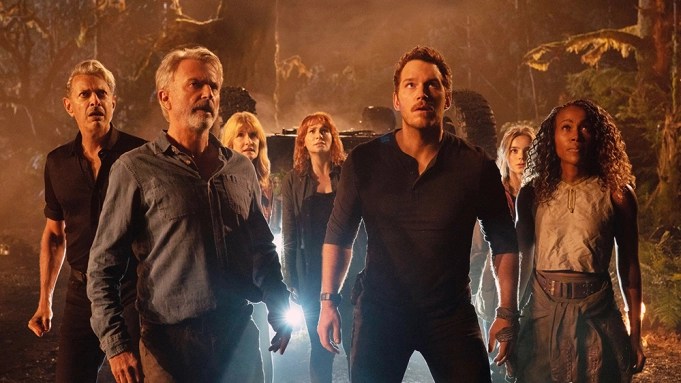
The original cast and the studio had their reasons for moving on. But damn, it’s great seeing Dern, Goldblum and Neill replaying their greatest hits like this. Every time the movie drifts away from them, we know we’re in the hands of lesser mortals.
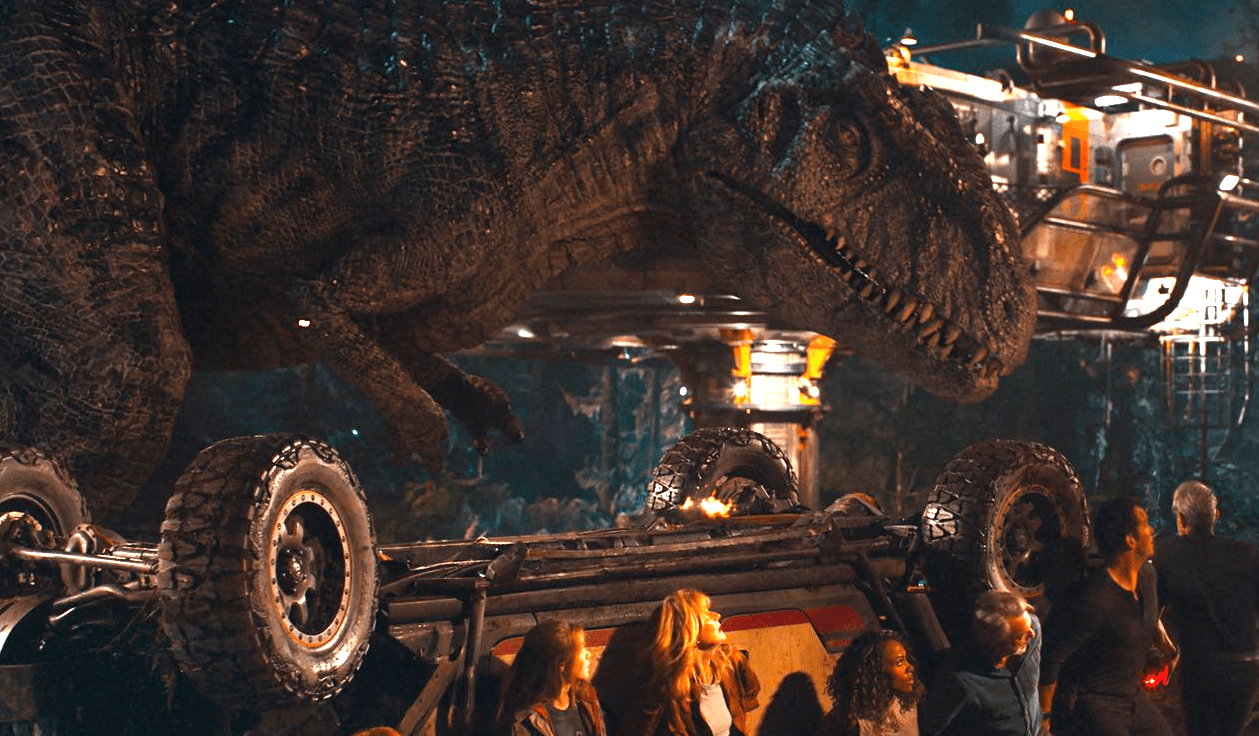
“Dominion” is a perfectly-serviceable popcorn picture in that it does what it does well enough, even if we’ve seen tiny humans terrorized by prehistoric beasts five times before. Perhaps having a character say “You never get used to it” is a stretch, but we’ll allow it. Just so long as the screenplay has somebody bring up the “Jurassic World” theme park, the title of the first film in this trilogy, and Goldblum’s droll Dr. Ian Malcolm intones, “Jurassic Wooorld…did…not care for that.”
Director and co-writer Colin Trevorrow’s (“Safety Not Guaranteed”) takes us into a future where humans and dinos-on-the-loose are uneasily co-existing, a bizarre concept seeing as how the phrase “apex predator” has a new meaning, and plenty of variations in all the new/old carnivores on the loose on the land, sea and air.
The new threat is to humanity’s food supply, and it looks like this global conglomerate BioSyn (say it out loud) might be behind the oversized locusts threatening to devour everything and everyone in their way.
The new villain is a Muskian/Zuckerberglish megalomaniac played by Campbell Scott, a character happy to play God to get even richer, with nary a thought to consequences.
The imperiled kid is Maize (Isabella Sermon), cloned daughter of a long dead scientist, introduced in the last “Jurassic” film. She’s been promoted to most wanted” around the world because of who, or what she is.
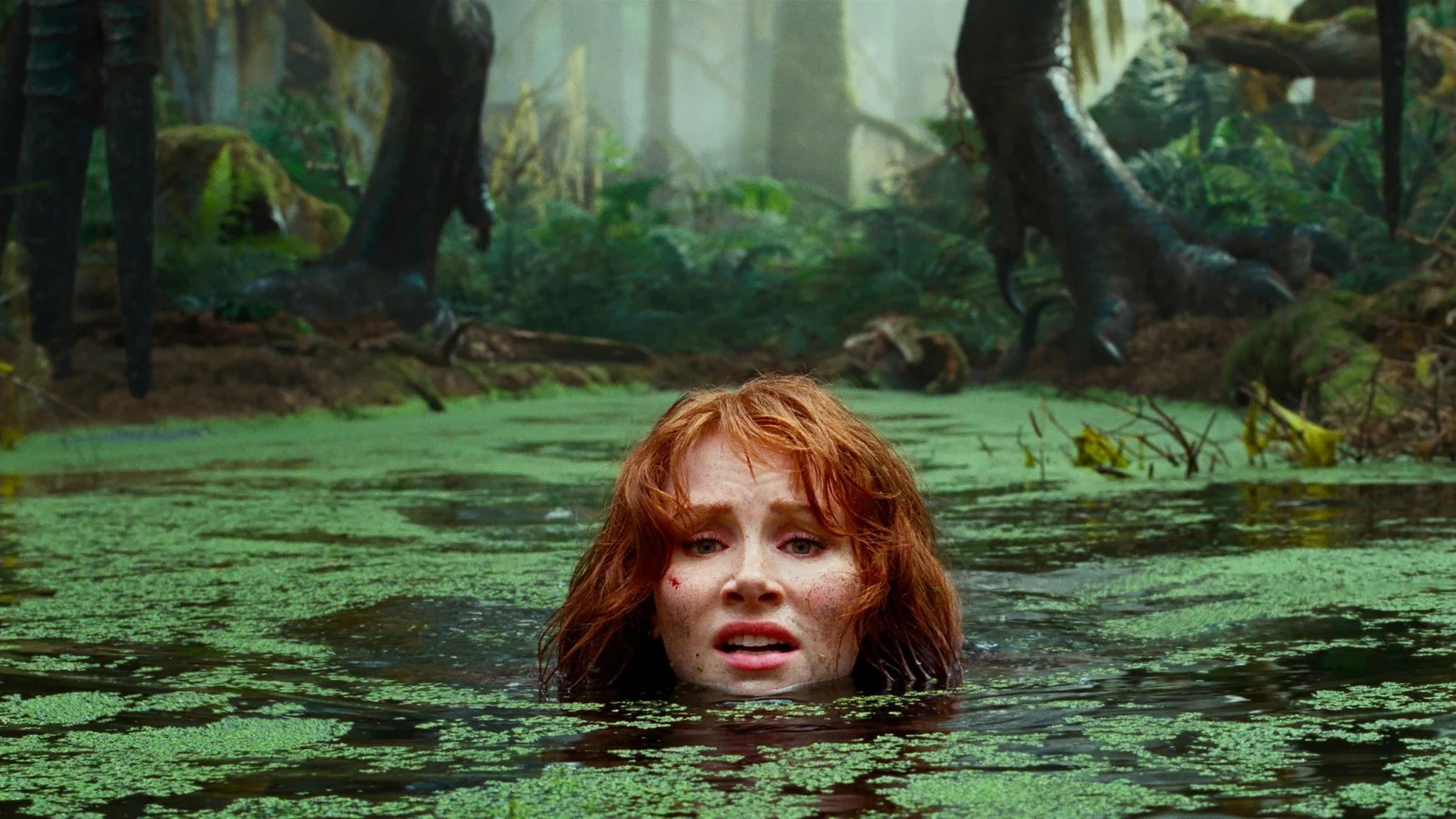
And those keeping her safe and secluded are the former Jurassic World operations manager, now an animal/dino-rights activist Claire (Howard) and her hunka man-meat beau, the animal tracker/trainer Owen (Pratt).
With dinosaur poaching and illegal breeding all the rage, it’s only natural that bad guys figure out who this rebellious teen is and a way to steal her from her foster family, which is holed-up in the snowy forests of the Pacific Northwest.
The best things about “Dominion’s” first act are how Trevorrow & Co. transition from all this exposition-heavy introductory stuff and some idiotic and seriously fake-looking chasing-dinosaurs-on-horseback (in the snow) sequences to a straight-up James Bond action picture.
The kid and a missing velociraptor toddler are traced to Malta, a lawless locale where the black market rules and there are lots of ancient, narrow streets and aged buildings to chase one and all through.
A ruthless trader with a hint of raptor in her appearance (Dichen Lachman) must be confronted, a smuggling, swaggering, spa-and-hair-salon-haunting pilot (DeWanda Wise) must be befriended.
Meanwhile, Dr. Ellie Sattler (Dern) is seeing evidence of biological chicanery and food-supply tampering that points to our villain (Scott). There’s nothing for it but to get The Band Back Together.
The old crew get nice “introduction” moments — Neill, especially.
Dr, Alan Grant is back where he started out, a fussbudget bachelor paleontologist digging for dinosaurs, and there are adorable scenes where Neill sputters and blushes through the visit from old flame Ellie, now divorced with grown kids.
Goldblum’s Dr. Malcolm is already in the belly of the beast, trying to teach “The Ethics of Genetic Power” to the oligarch and his minions. Is Ian really a complete sellout? Not that we didn’t see that coming.
“The only play nooooow is…take the time we have left, and you know, squander it.”
Dern replicates her Oscar-worthy slack-jawed terror at being chased by this or assaulted by that.
And Scott does well at channeling the “Bond villains” among us — super-rich, super-ruthless guys that no one should mistake for being the brainiacs they envision themselves to be.
The action beats are OK, the CGI next-gen level, although I was startled to see how poorly the overcast and snowy greenscreen chases and action matches up with the shot-outdoors-in-real-daylight footage at some points.
There are new species of dinosaurs depicted, but they don’t recapture the awe and terror of earlier iterations of those beasts.
I’d call the story silly, but a movie where “dinosaur whispering” is kind of a thing has that hard-wired into it. That said, a LOT of science has come out since Michael Crichton wrote the novel this film franchise is based on. Who’s to say that pea-brained monsters aren’t trainable?
The little humor present here all spins around Goldblum and comes out of his mouth, which just underscores how deflating it is to see director/co-writer Trevorrow reduced to on-set traffic cop making the digital dinosaur buses run on time.
Because that’s a thankless directing job, trying to jam every surviving character who ever registered in earlier films back in here — plus Omar Sy and Mamoudou Athie. It just makes for a cluttered, derivative and somewhat soulless finale to a trilogy that millions embraced and some folks love.
Me? “Did not…care for that.”
Rating: PG-13 for intense sequences of action, some violence and language
Cast: Chris Pratt, Bryce Dallas Howard, Campbell Scott, DeWanda Wise, Isabella Sermon, Mamoudou Athie, BD Wong and Omar Sy, with Laura Dern, Sam Neill and Jeff Goldblum.
Credits: Directed by Colin Trevorrow, scripted by Emily Carmichael and Colin Trevorrow. A Universal release.
A star poet is handed the latest work by his younger protege. It is titled “Disabled.” The protege is Wilfred Owen, one of the great voices of the trenches of the Great War. The mentor is Siegfried Sassoon, the other famous British voice of World War I, both of them poets with grimly heroic combat experience.
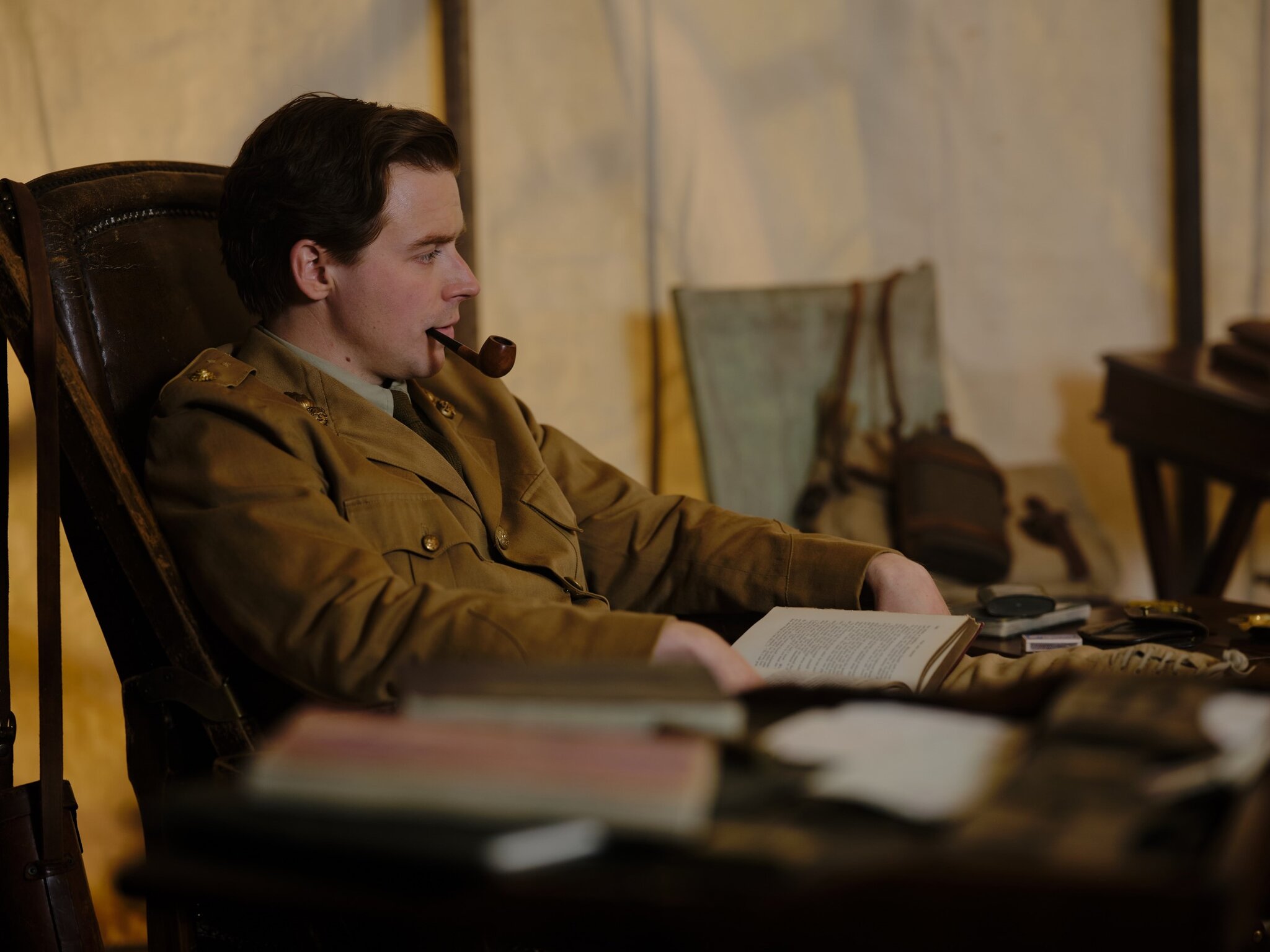
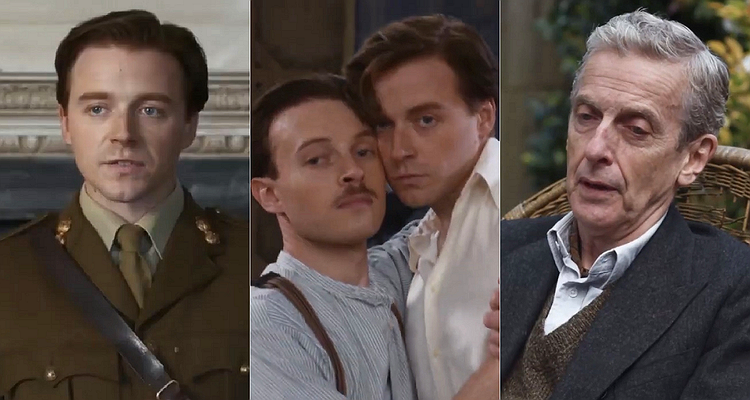
In Terence Davies’ recounting of this moment in his film “Benediction,” he takes the time to let us watch Sassoon (Jack Lowden) read the entire poem. There is no music underscoring the scene, no voice-over narration of the poem, no interruptions to praise Owen (Matthew Tennyson, a descendent of a pretty good poet himself, Alfred), just an actor playing a poet silently reading for a solid two minutes or more screen time.
Davies (“The House of Mirth,” “A Quiet Passion”) had his reasons for this early scene, jarring for its quiet, in “Benediction.” He reprises the poem, in full, in the film’s most emotional moment — its finale.
But that scene and the sole emotional moment reminded me of one reason I never warmed to Davies, widely acknowledged as one of the masters of modern British cinema. He takes his artful sweet time making his points, and that leaves us with a long film that never feels deeper that a surface gloss on most of the characters, the career and the era.
Later on, when Sassoon meets the musical theater icon, lyricist and film star Ivor Novello (Jeremy Irvine), Davies treats us to part of one of Novello’s lighter tunes, and then another, sung and played in full by the tuxedoed life-of-the-party at the piano.
Was this solo really necessary?
Davies’ films are often slice-of-life vivid, detailed and patient. But at his most indulgent, they’re mini-series length and paced, and delivered in a single too-leisurely sitting.
“Benediction” takes in several large passages of Sassoon’s life. We glimpse his war service (recalled, but we never see him in combat), Sassoon’s public protest against the way the war was conducted, and subsequent military trial and institutionalization.
He and Owen met at a military hospital where they convalesced and had an affair. We skate through Sassoon’s often unhappy post-war romances, scenes filled with the famous — Novello was another affair — most them of merely named-dropped (Gershwin, T.S. Eliot, etc.) or limited to miniscule cameos (Robert Graves, T.E. Lawrence).
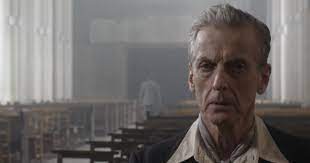
And then there are the bitter years, the 1950s and ’60s, in which Sassoon is played by the biting Peter Capaldi. That Sassoon bickers with his son (Richard Goulding) over his late-life conversion to Catholicism and refuses the apologies of those who wronged him, way back when.
Scene after scene suggests the viewer needs to do her or his homework to appreciate who the parade of characters passing by are.
It’s a beautiful film, and a well-cast one. Many snippets of Great War archival footage are artfully-used to illustrate the trauma and horrors that the film suggests haunted the famous poet to the end of his days. The slow-passing pageant can feel like some sort of staged tableaux. But Davies gets a lot of characters and a lot of years into this survey of Sassoon’s life, shortchanging the career save for snippets of voice-over-narrated poetry.
The dialogue is witty with an emphasis on bitchy, a smart, educated gay man from the “love that dare not speak its name” era insulting a narcissistic lover so shallow that his life isn’t a life, “it’s barely a hobby.”
“What shall I do with my hair?”
“Have you considered topiary?”
Julian Sands plays the medical officer who walks in on Sassoon and Owen practicing a dance for the hospital musicale, and grumps that such gentlemen formerly went “into the library with their service revolver and did the decent thing.”
But if you don’t know who Robbie Ross was in London literary (and homosexual) circles, Simon Russell Beale’s screen time in that role doesn’t explain it.
Davies messes around with the timeline of events, and toys with Sassoon’s most legendary gesture, tossing his Military Cross medal into the River Mersey after writing his scathing “A Soldier’s Declaration” and seeing it published in a newspaper and read in the House of Commons. The medal-tossing never happened.
But all these quibbles aside, Lowden, Capaldi and Davies still give us a beautiful sketch of a poet who peaked writing about the war that traumatized him, and who lived on for another half century, published, appreciated and lionized but never honored as much as he felt he deserved.
That comes across in a sumptuous period piece that will send curious viewers (like me) to Wikipedia and their favorite search engines, just to finish the writer-director’s work for him.
And for all his “slow cinema” indulgences and patience-testing “patience” as a story teller, the old master Davies, Lowden (“Dunkirk”) and the poet Sassoon mentored make sure “Benediction” leaves us with an emotional punch that no film this year can match.
Rating: PG-13 for disturbing war images, some sexual material and thematic elements
Cast: Jack Lowden, Kate Phillips, Jeremy Irvine, Geraldine James, Gemma Jones, Simon Russell Beale, Calam Lynch, Anton Lesser, Ben Daniels, Richard Goulding, Julian Sands and Peter Capaldi.
Credits: Scripted and directed by Terence Davies. A Roadside Attractions release.
A good cast and the best of intentions cannot save the 1970s Boston school busing melodrama “The Walk” from its excesses. Funereal pacing, characters that are simplistic “types” and dialogue that recycles cliches and bromides pretty much overwhelm it.
But as we’re still staring a spittle-spitting screaming bigots on TV and doom-scrolling the latest racist mass shooting on Twitter, maybe it’s worth taking a look at how this skirmish from the end of America’s “civil rights era” played out.
“Why do you hate us?” and “What is WRONG with these people?” may be screenplay cliches. But the questions still beg for answers.
Director and co-writer Daniel Adams has been around since the start of Sandra Bullock’s career (“A Fool and His Money”), churning out B-movies of the sentimental and aged (“The Golden Boys,””The Lightkeepers”) or Mel Gibson after-the-fall actioners (“Panama”). He may have had the ambition to take a shot a saying something about race in America through its troubled recent history, but not the chops.
Here’s the movie in a single corny line. “Liberal Massachusetts ain’t no better than Confederate Alabama.”
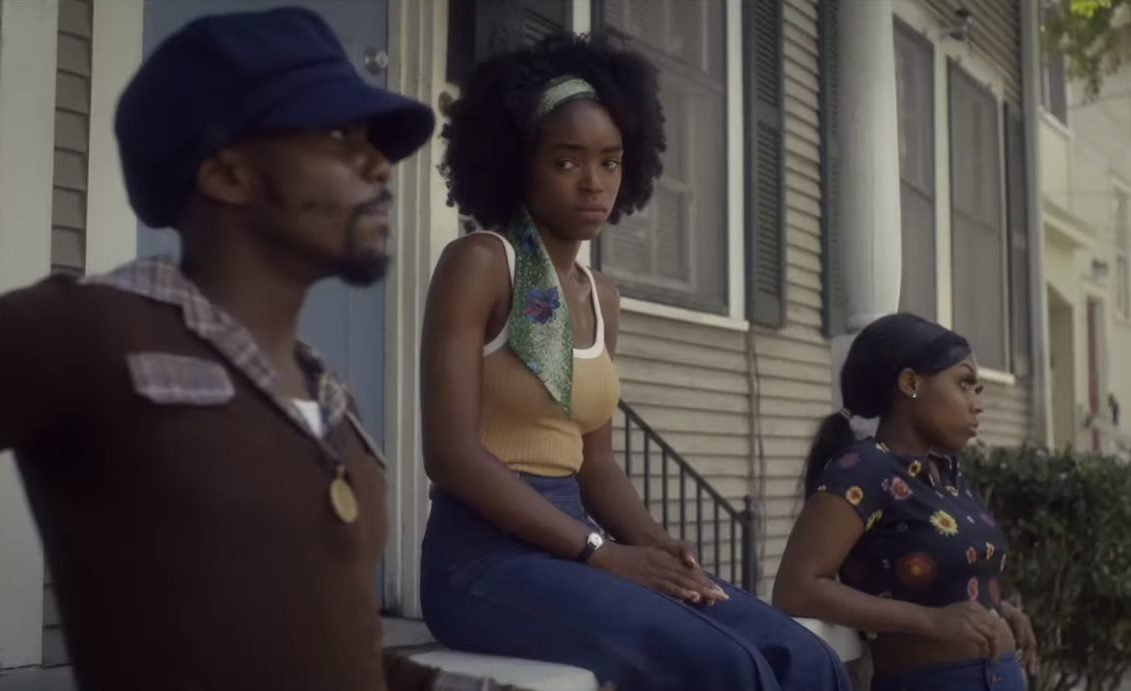
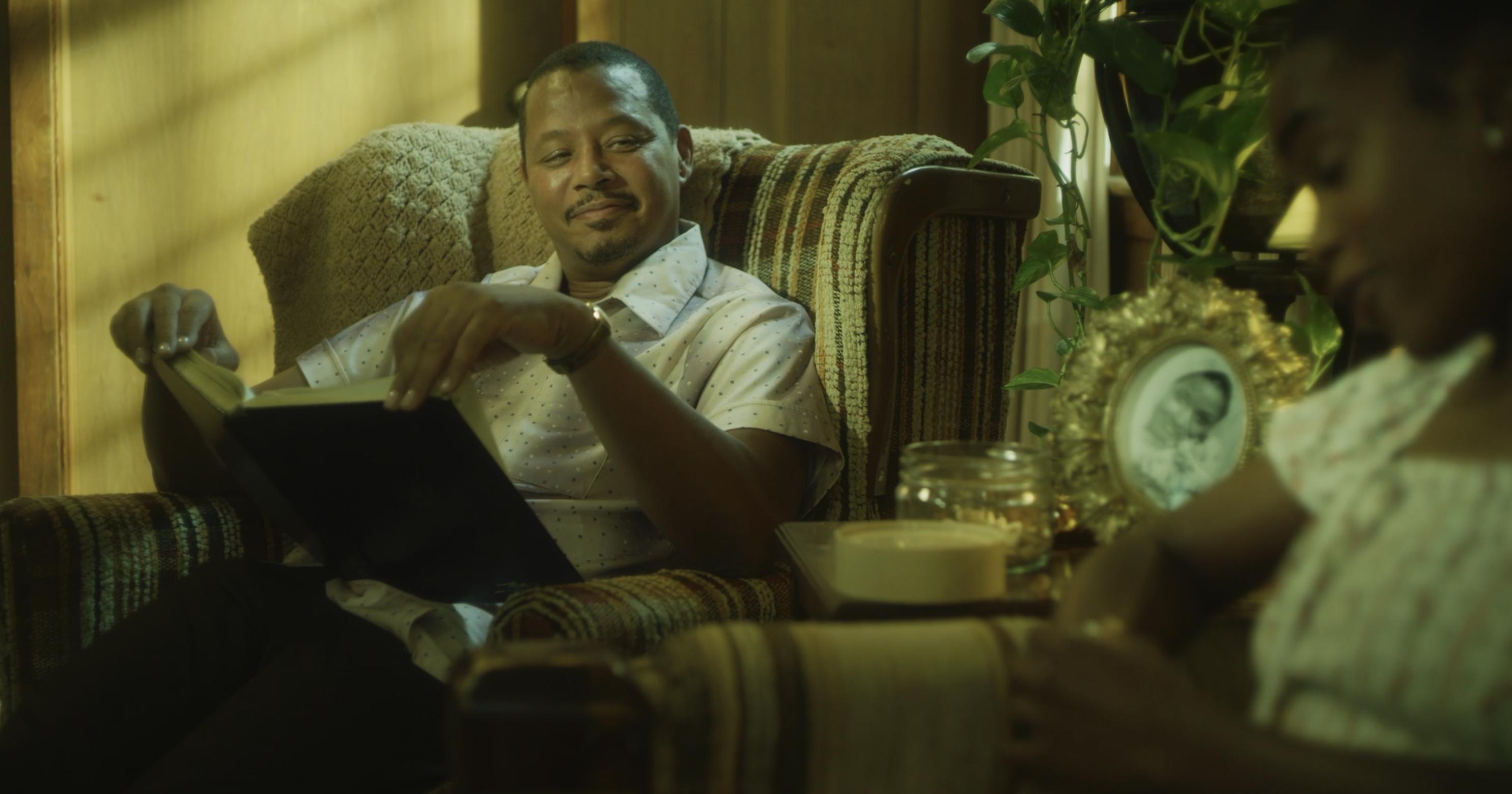
Terrence Howard, playing a widowed paramedic and father of a teen (Lovie Simone) about to be bussed to a “white” school in “Southie” (South Boston) utters it, a thesis statement at the beginning of a story set the summer leading up to the 1974 court-ordered busing to achieve desegregation of Boston’s urban (“poor”) schools.
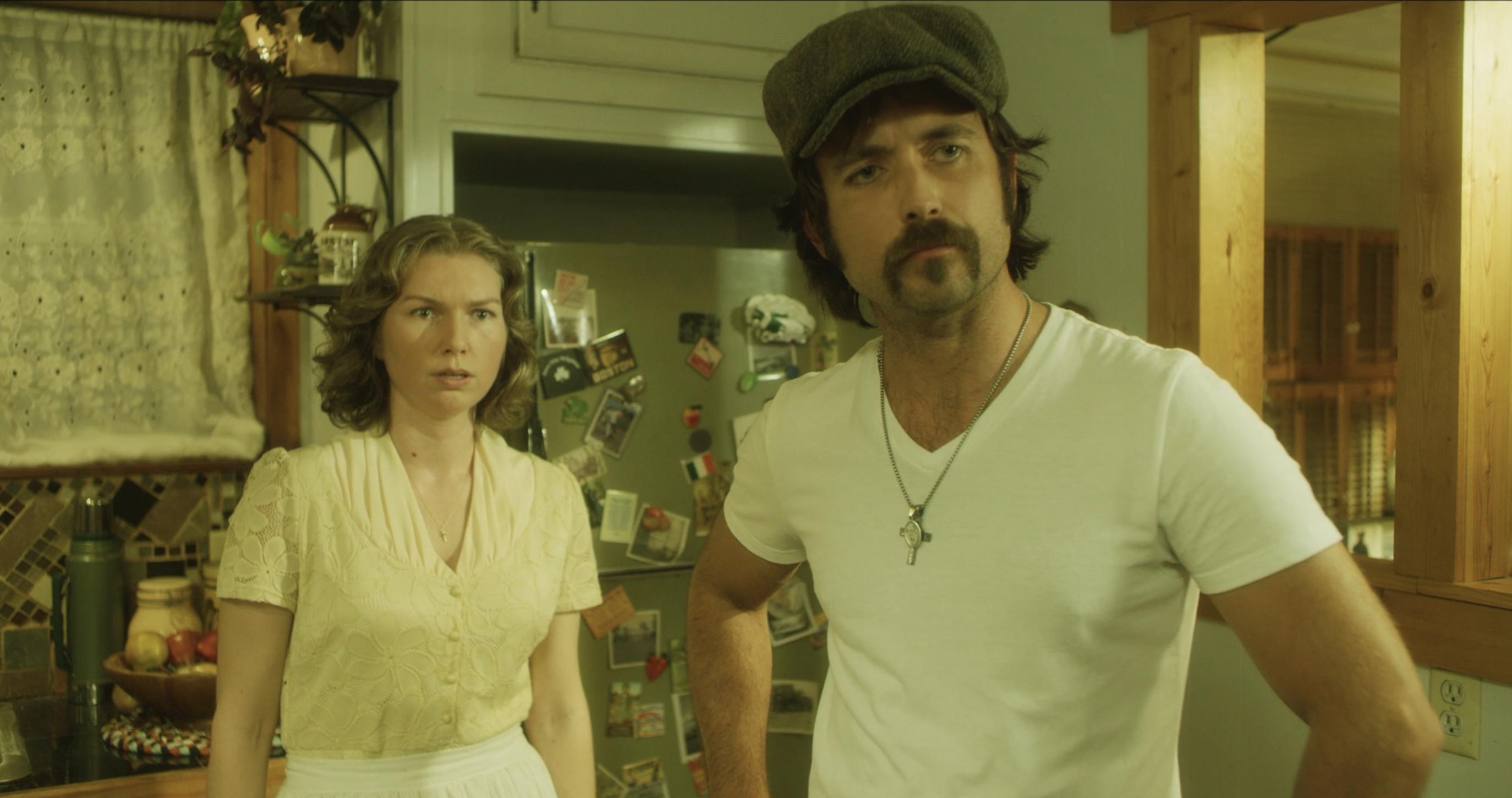
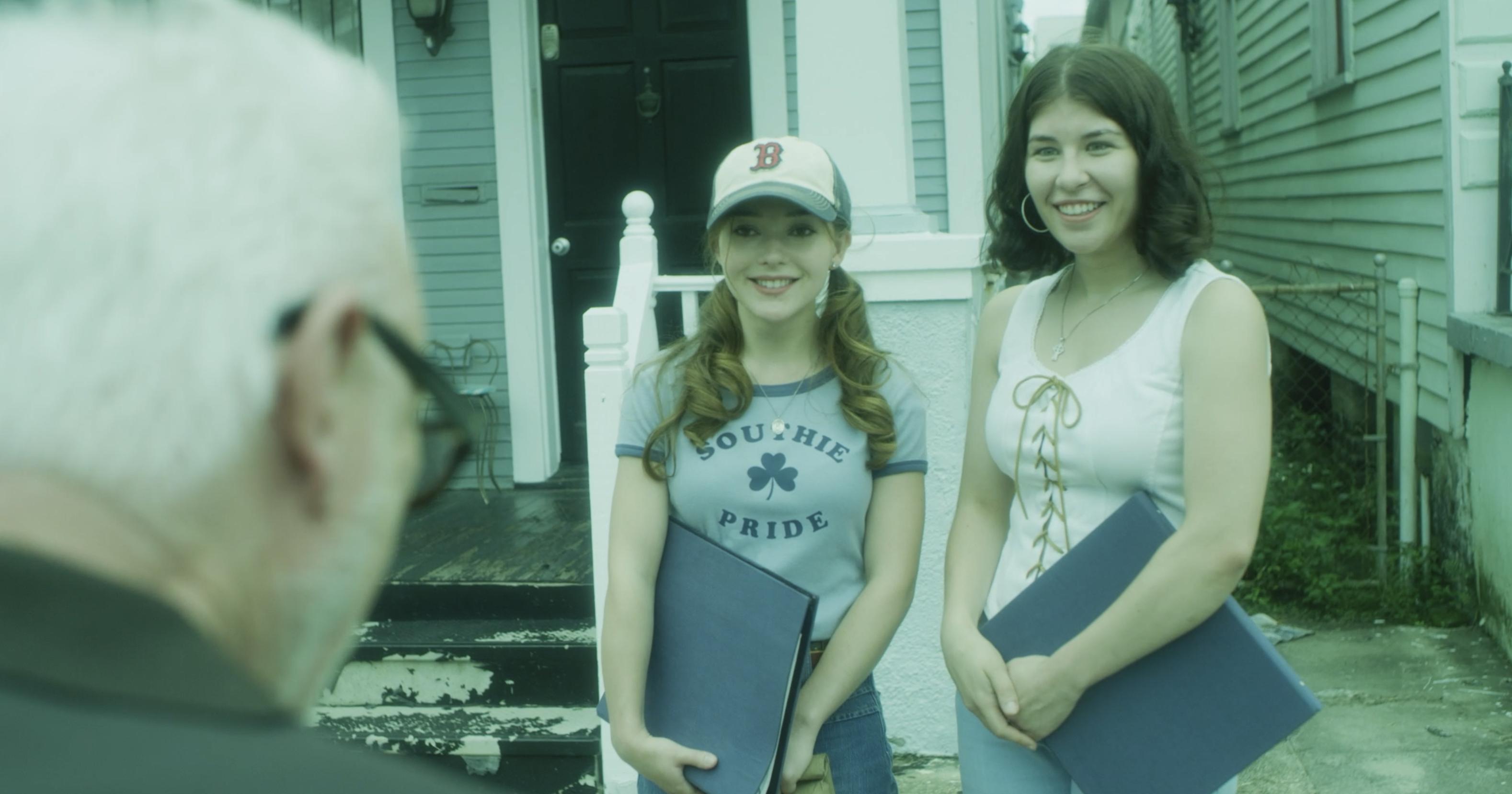
The film follows this Black father and daughter, a white “Southie” cop (Justin Chatwin), his immigrant wife (Anastasiya Mitrunen) and Southie High daughter Kate (Katie Douglas) and peripherally, the goings on inside the Southie gang led by McLoughlin (Malcolm McDowell) whose lieutenant (Jeremy Piven in prison tats and Fu Manchu) just got out of the penitentiary.
The mob underling has a rough and hotheaded son (Matthew Blade) who has taken an interest in the cop’s daughter. The officer and his wife may have grown up rough, but they preach tolerance. That doesn’t keep their pretty 17 year-old from dropping the N-word and worse in their house. Her “rebellion” is the worst kind.
Adams sketches in characters that he’s set up as “types” and tropes. Whatever modern expectations dictate in terms of a balanced script, with every character painted in shades of gray, gives way to dated and simplistic archetypes. The white father has to stand up to the ugliness that shaped him and the gang that threatens him. The Black father has to keep his cool in the face of grim provocations, “stay in control when white people are out of control.”
That’s a good line and righteous sentiment to play up. But it contributes to a film that feels predigested, a movie that’s so over-familiar that it’s made up its mind and our minds for us as well.
On-the-nose casting contributes to this. Close your eyes, and you can imagine everything about Howard’s character, every action, every bullet-point sermon, even the moment when he breaks into tears.
Chatwin, best known for TV work in “Shameless,” “Orphan Black” and “American Gothic,” gets more attention and screen time playing a “good cop” who has rejected his upbringing. Officer Coughlin may embrace the “We gotta integrate, but this ain’t the way to do it” mentality, but who treats the job as a higher calling when “This whole city is angry.”
McDowell oozes aged menace, and Piven — cast against type — is a convincing older goon.
The younger players are good enough that you kind of wish they’d been the whole focus, but that indie film would be impossible to finance.
The gold standard for racial tolerance prevailing through racial strife movies is 2019’s “The Best of Enemies,” and as controversial and roiled as Boston’s citywide 1970s meltdown was, you can’t tell me a really good movie couldn’t come out of that.
But from its opening scenes, with each set of kids walking to school, stopping to chat with neighborhood characters — the mob boss, the mother of the mobster in prison, or for the Black kids, a pimp who wants to talk “business” with teenaged Wendy — “The Walk” opts for “really earnest” but “really dated and tired” instead.
Rating: R for language throughout including racial slurs, and some violence
Cast: Justin Chatwin, Terrence Howard, Lovie Simone, Katie Douglas, Anastasiya Mitrunen, Matthew Blade, Jeremy Piven and Malcolm McDowell
Credits: Directed by Daniel Adams, scripted by George Powell and Daniel Adams. A Vertical release.
Universal showed this one overseas earlier and there are reviews already up. And yet U insists there’s an embargo on North American notices for the last film in this latest digital dinosaurs trilogy.
Of course, as they’re mostly Australian reviews, they’re nothing to take to the bank. A whole nation of “easy lay” critics, as we say in this hemisphere, just Canadians with better beer and bigger sharks and all that.
A simple children’s play with themes of mortality, vanishing youth, feminine teenaged longing for Peter and boys-who-don’t-grow-into-men (“Peter Pan Syndrome”) and death and dying, aka the ultimate “awfully big adventure,” have proven irresistible to novelists and filmmakers looking for new takes on the original or new truths plumbed from it.
“The Lost Girls” is based on a Laurie Fox novel about generations of Darling girls haunted, tormented, lusting after and abandoned by Peter Pan. The film is something of an unemotional muddle, never quite finding the heart of mother-daughter love it so seems to want to test in this story.
Peter visits Wendy, her daughter, granddaughter, great and then great great granddaughter in turn. Perhaps the original “Wendy” is the only one who left Neverland unscathed. One Darling girl is enchanted. One runs off to be with him. And one tries to turn the Darling female “storytelling” gene towards something constructive, publishing, and spare her own daughter the trauma of outgrowing the boy who never grows up.
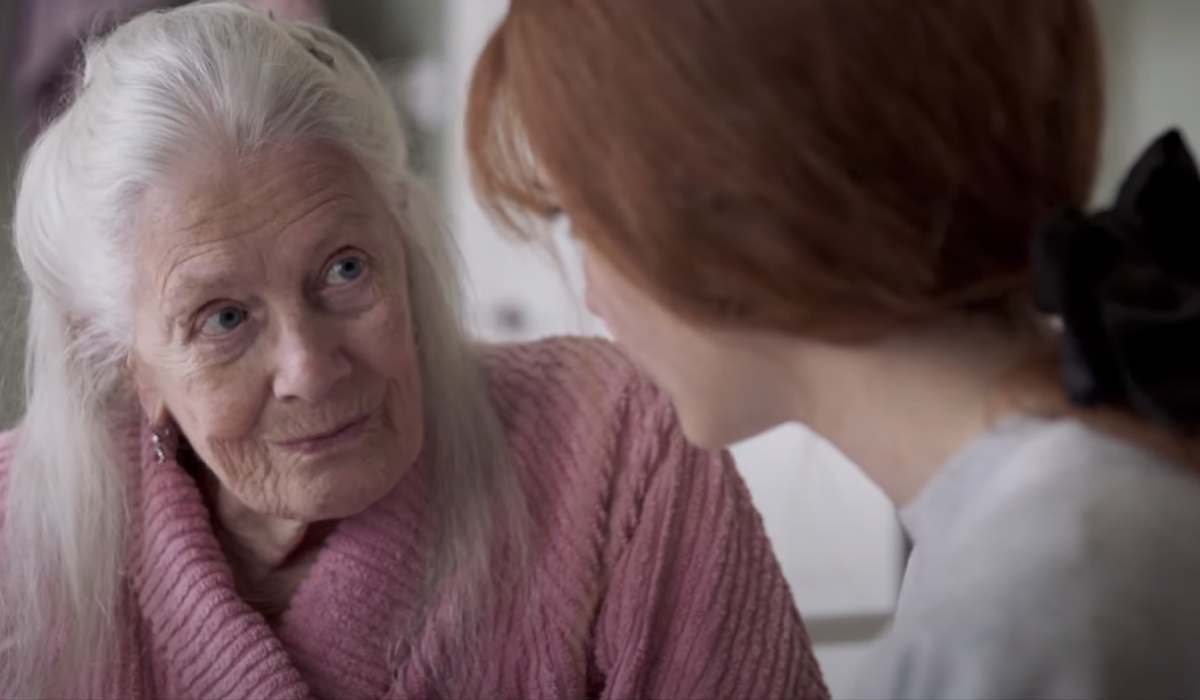
Italian writer, director and actress Livia De Paolis cast Vanessa Redgrave and her daughter Joely Richardson as two of the Darling generations. Siobhan Hewlett is “the original” Wendy, predating those two, and Emily Carey and Amelia Minto play the young, modern Wendy who grows up to be played De Paolis herself, a Wendy whose not-bad life seems haunted by the trauma of that first love, Peter, played by Louis Partridge.
Confusing? Somewhat.
Modern Wendy’s beef with Peter spins from the fact that she grew up, raised by her abandoned dad (Julian Ovenden). Her mom, Jane (Richardson) was never in the picture, and we can guess where she got off to, and so can Wendy.
But that doesn’t keep Wendy from practically drooling over boy-band-ready Peter on the night her grandmother’s smiling, affectionate “warnings” about Peter come true.
“You will meet a boy” who will show up in a jerkin, weeping, at the foot of your bed. You’ll fall for him and follow him to “a place where you’re never, ever bored.”
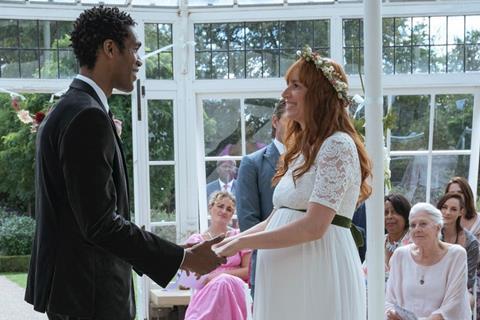
When that happens to this Wendy, she never gets over it. Even after she’s met a musician (Parker Sawyers), fallen in love and they’ve gotten pregnant. Wendy has her pangs of doubt, very pregnant, right there at the altar.
“He promised to come back for me! The NEXT summer!”
I can’t vouch for Fox’s adult fantasy novel, but the movie leaves some interesting things about women in love and picking the wrong guy for us to unpack.
I was reminded of that line from “The Counselor,” the lurid mob lawyer thriller starring Michael Fassbender as that lawyer, Javier Bardem as that mobster and infamously, Cameron Diaz as a mob moll who has sex with a car. Bardem’s mob man of the world utters one of the great truisms of male/female relations in Cormac McCarthy’s script.
“The truth about women is you can do anything to them except bore them.”
Every Wendy (or Jane) in “The Lost Girls” is bored by what they came back to, thrilled and tested by a world and a life which Jane seemed most reluctant to leave. It doesn’t matter if “the boy” doesn’t grow up. They still miss him and Neverland. I couldn’t decide if the movie was “judging” this predisposition, or not. It’s unclear.
What’s crystal clear is that the director cast herself as the lead, a woman who looks a bit like “teen Wendy” all grown up, but who now speaks with an unmistakable, unexplainable Italian accent.
In a film with British acting royalty in two roles, with Redgrave at her luminous best, and the highly regarded Carey (“Wonder Woman”) and impressively-experienced Ella Rae Smith (as Wendy’s adult daughter) in support, De Paolis is utterly out of her league — an inexperienced, dull and delusional (in casting herself) lead.
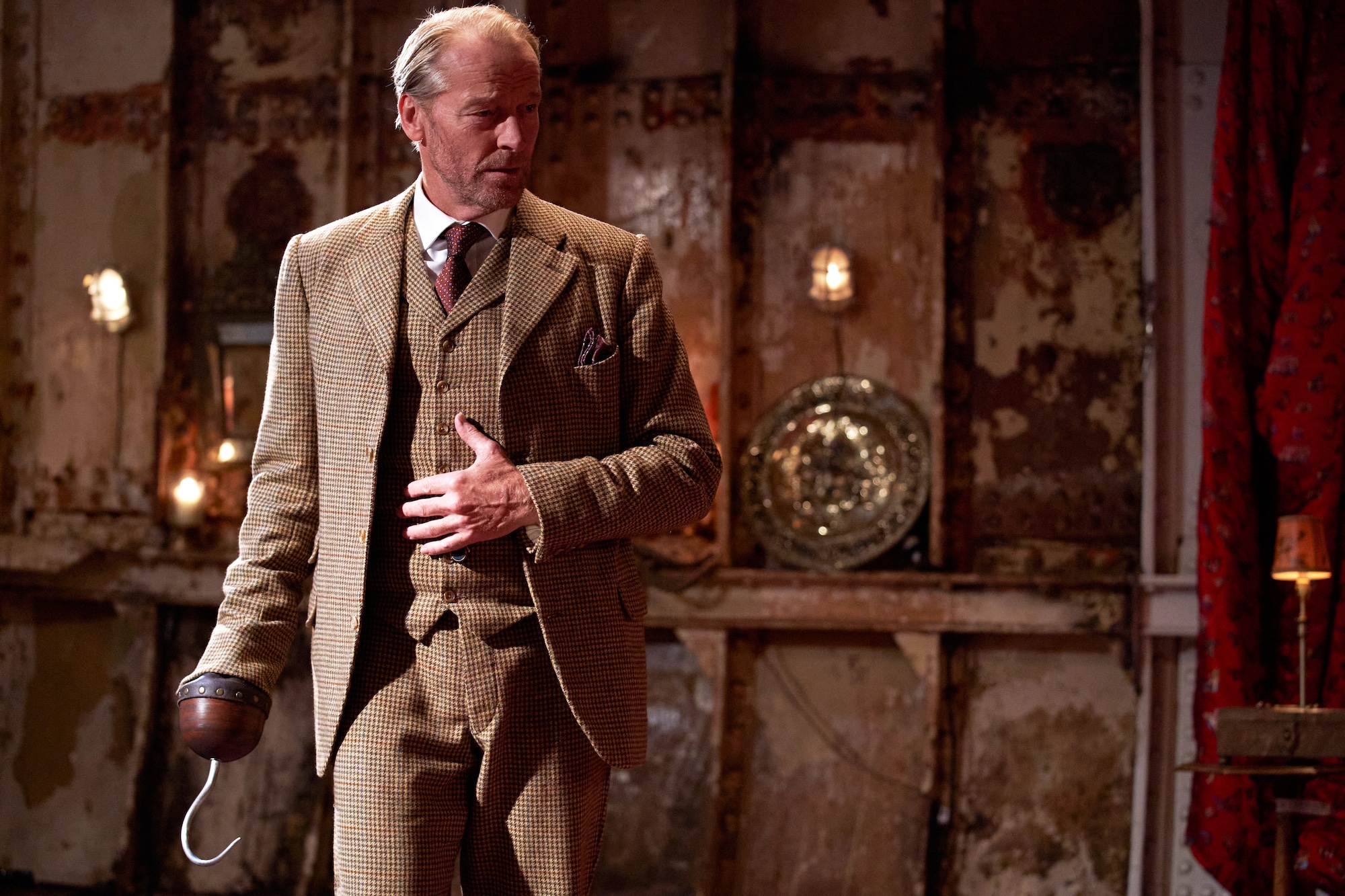
One can mull over what themes stand out and which ones feel underdeveloped, and argue the merits of sexualizing Wendy and Peter Pan, with Captain Hook (Iaian Glenn, another acting heavyweight) giving off pervy, creeper coming-on-to-teen-Wendy vibes.
But in a story that’s slackly-paced and drawn-out, a psychological exercise in literary (theatrical) criticism, having your leading lady stand out simply because she doesn’t “fit” is a deal breaker. De Paolis can’t make Wendy’s mercurial mood swings sympathetic or her angst interesting.
How one wishes for the telltale tics of Tic Tock Croc, anything to goose this and give our story urgency amidst all this brooding angst, a welcome distraction from an uninteresting central character rendered in flat strokes.
Rating: unrated, some profanity
Cast: Livia De Paolis, Louis Partridge, Parker Sawyers, Emily Carey, Julian Ovenden, Ella Rae Smith, Joely Richardson, Iain Glenn and Vanessa Redgrave
Credits: Directed by Livia De Paolis, scripted by and Livia De Paolis, based on a novel by Laurie Fox. A Vertical release.
An IFC creepout, headed our way in July. Are you scared yet?
Posted inReviews, previews, profiles and movie news|Comments Off on Movie Preview: “Dario Argento presents” Alice Krige and Malcolm McDowell, who finds out if “She Will”
Cam Gigandet, Louis Mandylor and Randy Couture star this B-movie about a bank heist, a valuable “briefcase” and what the guy shot and left for dead decides to do about that.






 Movie Nation