
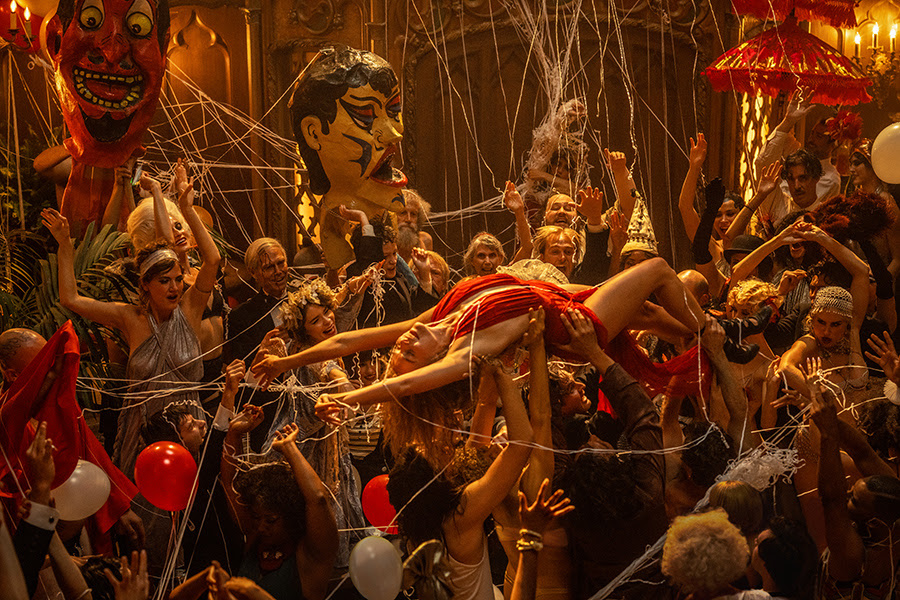
I don’t normally post still photos from pictures, but damn, look at this thing.
Damien Chazelle’s “Babylon” opens Christmas in limited release. Oscar bait? Most certainly.
Brad Pitt, Margot Robbie, Diego Calva.
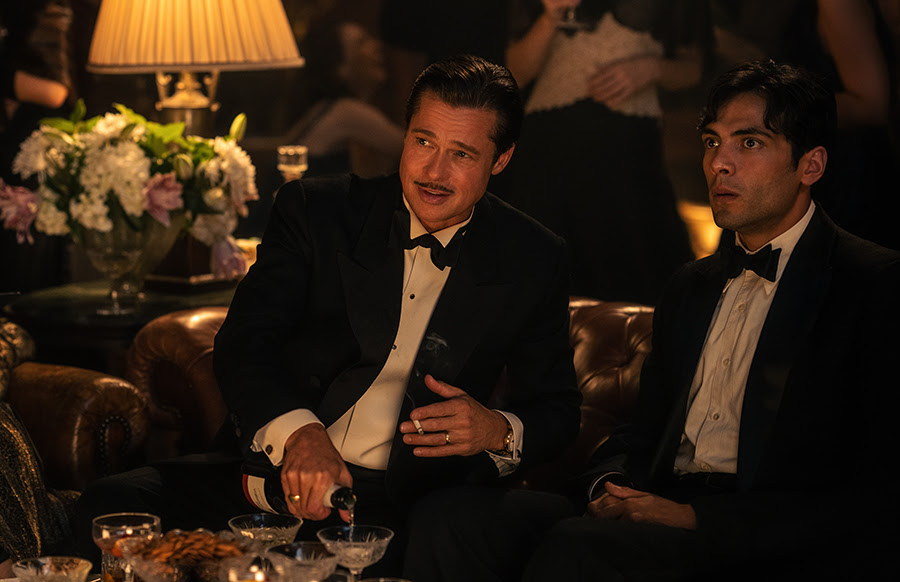
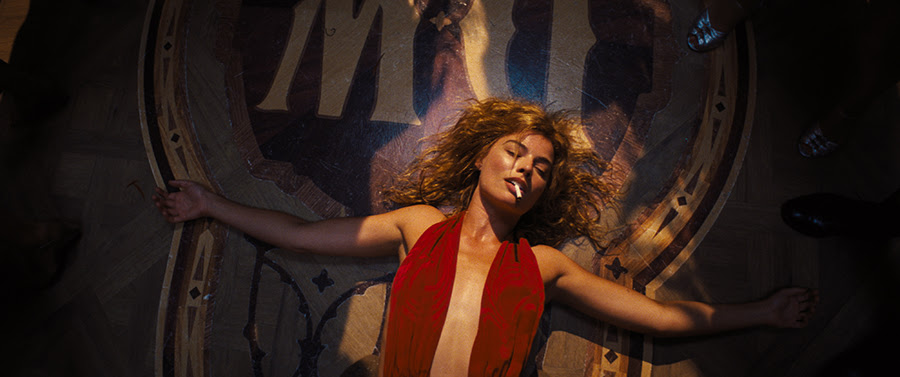
I don’t normally post still photos from pictures, but damn, look at this thing.
Damien Chazelle’s “Babylon” opens Christmas in limited release. Oscar bait? Most certainly.
Brad Pitt, Margot Robbie, Diego Calva.
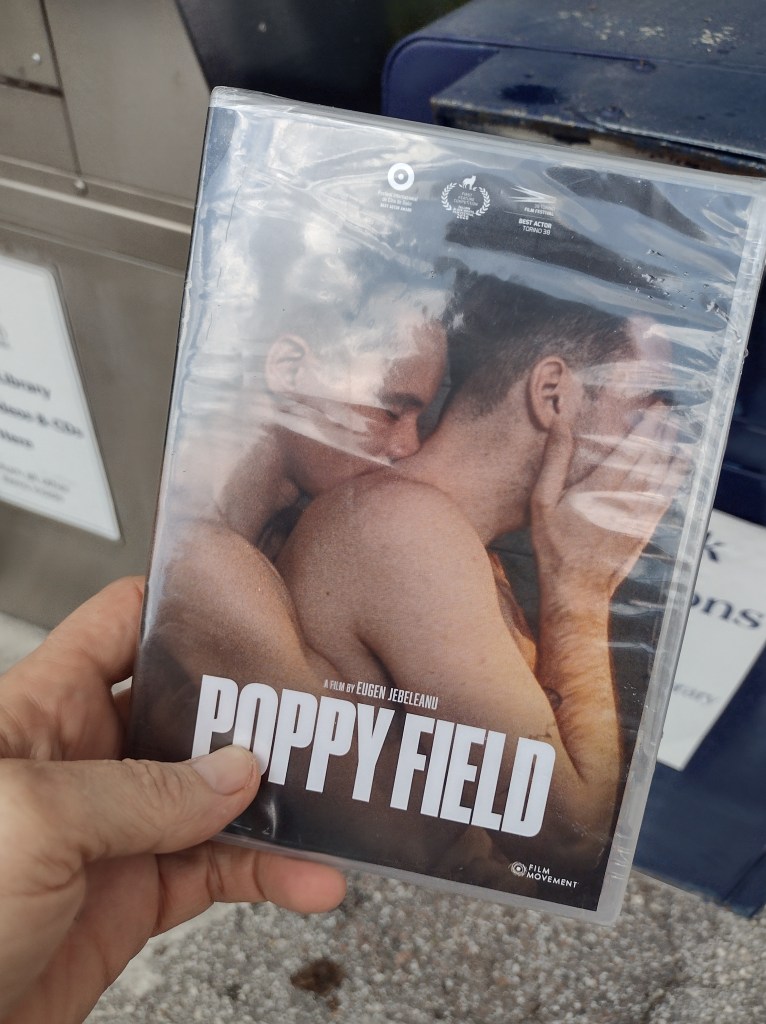
One has to be careful where one donates DVDs with more mature themes and subject matter, especially in the Florida Reichsland, where book banning is totally a thing.
A Romanian drama about a gay cop? Maitland, one of the smarter libraries and clienteles in Greater Orlando seems like a good landing spot for “Poppy Land.”
MovieNation, spreading fine cinema all over the southeast, one DVD, one public library at a time.

There have been so many film versions of the classic fairytale “Pinocchio” over the years that even Disney must have lost count. But I guess it was the fact that Guillermo del Toro was making an animated version of an early Disney masterpiece and releasing it this coming Christmas that got the Mouse’s attention.
Director Robert Zemeckis was hired to put on his “Polar Express” hat, along with his “Polar Express” star — Tom Hanks — for a cute and occasionally quite scary (for little kids) remake of Disney’s 1940 film. It’s a blend of live-action and animation that asserts, if nothing else, the company’s intellectual property and primacy as far as the story of the wooden puppet who dreams of being “a real boy.”
Hanks dons a white wig and mustache to play Geppetto, the wood-carver, cuckoo-clock maker and tinkerer who creates this adorable puppet in what passes for 18th century Italy. Joseph Gordon-Levitt voices our insectoid narrator, Jiminy Cricket.
Casting Cynthia Erivo as the Blue Fairy, the one who answers Geppetto’s silent wish and brings the puppet to life, means that there’s a great voice on hand to sing what became Disney’s signature tune — “When You Wish Upon a Star.”
And bringing in Keegan-Michael Key to vamp the thespian/hustler fox — named “Honest John” here, but J. Worthington Foulfellow back in 1940 — is a stroke of genius.
The opening scenes, with Jiminy narrating, Geppetto dealing with customers who want to buy items he refuses to sell, muttering to himself and Figaro, the digitally-animated cat and his (also animated) goldfish about what he won’t say he asked for of “The Wishing Star” in the night sky, have charm even if they’re thin on entertainment value. The big Blue Fairy “transition” scene is over-played in the classic Zemeckis style.
But Key shows up — fast-talking, riffing and rolling — and “Pinocchio” crackles to life. The walking, talking toy wants to be “a real boy?”
Why hope for that, “Honest John” coos, when “you can be FAMOUS…an entrepreneur, an actor, nay an INFLUENCER?”
“Everbody who’s ANYbody wants to be SOMEbody!”
Sure, he’s made of wood — pine — and he’s called “Pinocchio” thanks to that. But how’s that going to work on a playbill or stage marquee?
“Chris PINE!” would be better.
Alas, the kid won’t go for it.
He is “sold” to the traveling show run by Stromboli (Giuseppe Battiston), lured to “Pleasure Island” by vandalizing, hooting, hollering and rioting root-beer swilling kids and lost at sea inside the monstrous “Monstro.”
You remember how this goes, as this script doesn’t stray much from what worked so perfectly in 1940. A puppeteer (Jaquita Ta’le) with a leg-brace is introduced as a friend Pinocchio makes on his odyssey, Luke Evans plays a child-snatcher. Otherwise, the story remains the same.
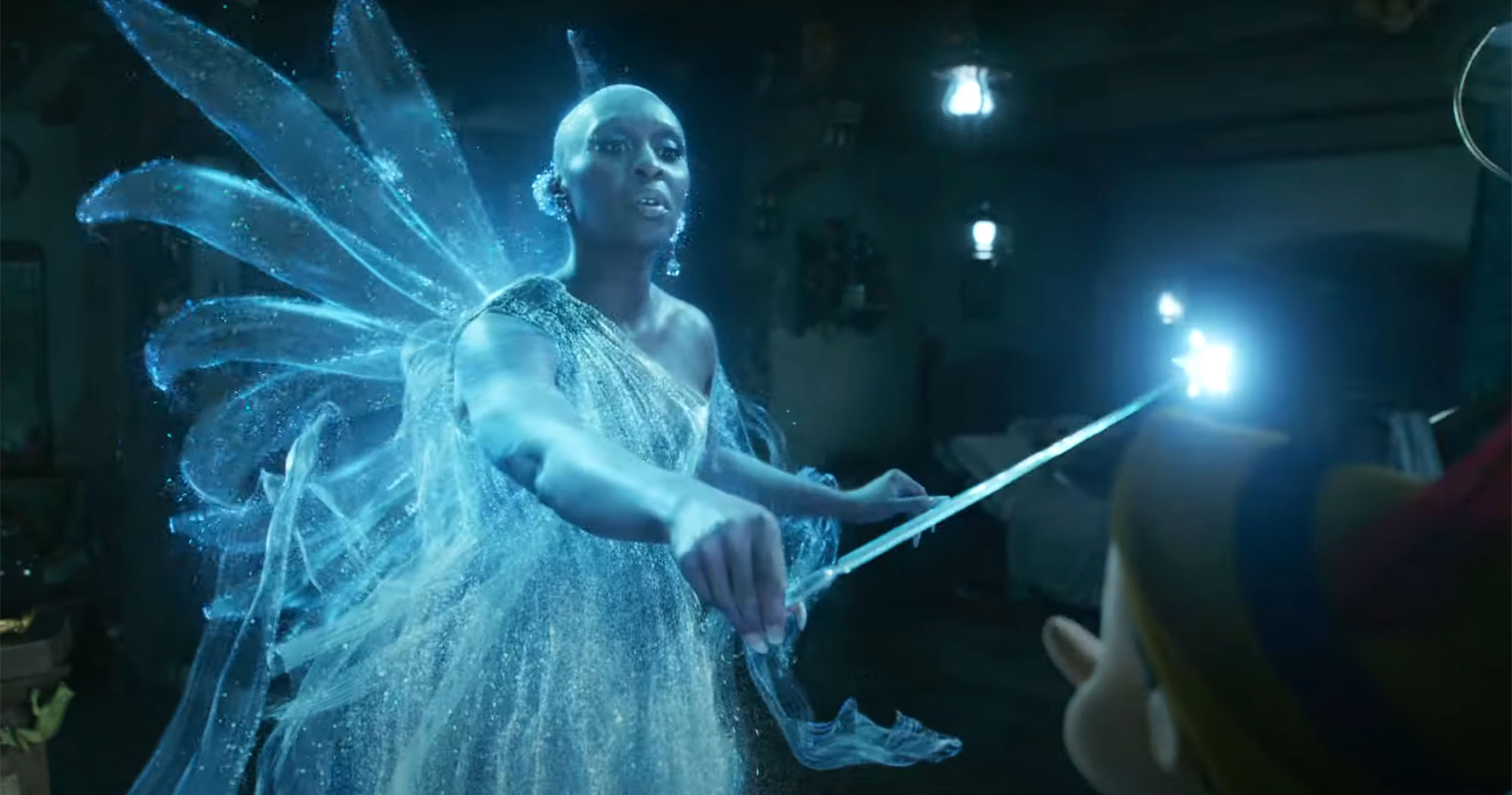

This version of the story hits the parable elements pretty hard. The “little voice” called “conscience” that “sits on your shoulder,” reminding children not to lie, not to cheat, to know the difference between right and wrong, “the voice most people refuse to listen to,” isn’t just a scolding cricket.
The scariest bits are the dark, ghostly beasts that snatch “bad” kids, kidnap them so that they can turn into the braying donkeys that their misbehavior suggests is their true nature, and the sea monster “Monstro,” no longer just a whale, but a tentacled menace chasing Pinocchio and pals down, no matter how fast the puppet motorboats his feet to paddle them away from danger.
The head-spinning puppet is beautifully-rendered, and the addition of the clattering, clacking sound effect that his wooden hinge-joints make is a plus.
But his CGI animated face lacks the emotional range of hand-drawn character. The same goes for Jiminy, who frets and fumes and fears for the poor kid’s life with all the facial expressions of a real cricket. That keeps this “Pinocchio” at arm’s length. He never touches us, and I dare say, if Guillermo del Toro watches this, he’s panicking right about now. His version — judging from the still shots — could have the same shortcoming.
The only “music” credit listed here is the for the fellow who most certainly did NOT write “When You Wish Upon a Star,” “There Are No Strings on Me” or “An Actor’s Life for Me.” Leigh Harline and lyricist Ned Washington created those timeless classics. I’ll leave off the name of the credited composer, as I’m guessing he’s as embarrassed by that as I am for him.
The story’s ending is so abrupt and emotionally-dry as to seem like a deadline had to be met to beat Del Toro to the screen.
That said, it’s a good “Pinocchio,” if not a great one. Perhaps the smartest decision anyone made about it was in consigning it to Disney+, as that seems a natural home for a children’s movie with polish and intellectual property protection value, if not the heart, ambition and artistry to deserve a big screen release.

Rating: TV-PG
Cast: Tom Hanks, Cynthia Erivo, Luke Evans, with the voices of Joseph Gordon- Levitt, Benjamin Evan Ainsworth, Lorraine Bracco and Keegan-Michael Key.
Credits: Directed by Robert Zemeckis, scripted by Robert Zemeckis, Chris Weitz and Simon Farnaby, based on the Carlos Collodi story and the 1940 Disney animated film “Pinocchio.”
Running time: 1:45
Simple is better. Less is more.
And never explain anything the camera can let the viewer figure out.
“Barbarian” is a horror movie that gets the basics right. All of them.
Well-cast — in a cast-against-type way — sparing in its use of music and so utterly uncomplicated that most everything you use to describe it is a “spoiler,” actor-turned-director Zach Cregger keeps things basic, sinister and funny (he directed TV’s “The Whitest Kids You Know”) in what could be his breakout feature.
There’s this house in a dark, isolated neighborhood. Two people find themselves booked into it as an AirBnB, seemingly by accident. Bad things happen.
The owner shows up sometime later. He goes through some things.
That’s it. Cregger peels away layers, gives us information, drip by slow drip — the location of the house, the true state of the neighborhood, a flashback that shows us how things were until they changed for the worse under the Reagan administration.
Yes, it’s political. Justin Long plays a bubbly, upbeat version of himself, an instantly likable actor. He gets “canceled,” the first of the “things” he goes through.
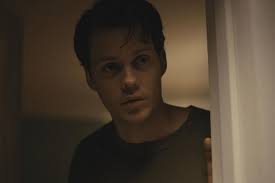
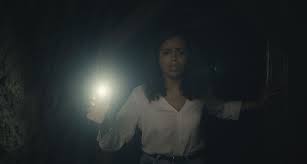
And yes, it’s smart. “Barbarian” puts Georgina Campbell of TV’s “Black Mirror” and “Suspicion” in the house with Bill Skarsgård. “Tess” is at a loss about what to do about their double-booking situation. But she’s not stupid.
He invites her in. She’s very reluctant. She’s seen a horror movie or two. It’s as if she knows “Keith’s” credits (Skarsgård was “It!” — aka Pennywise).
He is right there with her. “I totally get that…There’s a lot of bad dudes out there” — anticipating what she must be thinking or worried about. “Would you like tea? I’ll make some.” She won’t drink it. “Wine? I waited to open the bottle” so that she can see him.
Their elaborate feel-each-other-out is like a courtship pas de deux, boxers warily circling each other in the ring, or a game of cat and mouse.
Long’s actor seems like those rare innocent guys caught in a sexual trap that is blown way out of proportion.
And that house. It’s a 1940s style bungalow, nicely refurbished and kept up. But for the love of God, don’t look in the basement.
Anna Drubich’s score can give us shrill choral music, “Jaws” bass and cello references and pulse-pounding electronica. Cregger masterfully uses just enough of it. The scenes between Campbell and Skarsgård are at their most suspenseful when silence highlights the awkwardness and the “stranger danger” elements of their encounter.
The bursts of violence are gory, explicit and are beautifully-timed, coming after steadily rising tension has reached a breaking point.
“Barbarian” is disorienting right up to the over-explained third act, where too much of its mystery is given away and characters survive violence which no human could. It’s at its best wrong-footing the viewer, tripping us up with the casting. not letting us get our bearings. We guess where this might be taking place, and guess again. Even after we’re told, the actual filming location undercuts that.
The whole experience makes this a must for horror fans, a bracing example “getting it right” to everyone else, and a movie easily spoiled. So don’t ruin it.

Rating: R for some strong violence and gore, disturbing material, language throughout and nudity.
Cast: Georgina Campbell, Bill Skarsgård and Justin Long
Credits: Scripted and directed by Zach Cregger. A 20th Century release.
Running time: 1:42
Not a flattering story to tell when nurses are in short supply and have risked their lives for the rest of us the past two years.
Or am I being touchy?
This stars TWO Oscar winners and looks chilling, and comes to Netflix Oct. 26.
That “Don’t Breathe” opened up a whole new counter of B movies for Mr. Lang, who was in “Avatar” and “Gettysburg” and other films over the course of a lkng career.
Ornery old men who will kill a foo are kind of his thing these days.
From RLJE, In theaters Oct. 14.
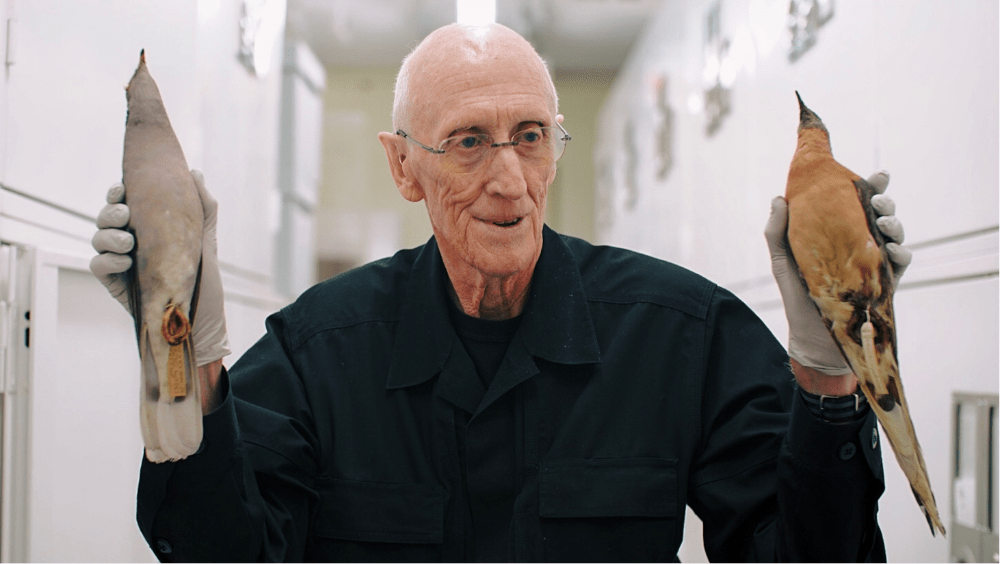
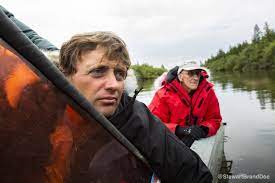
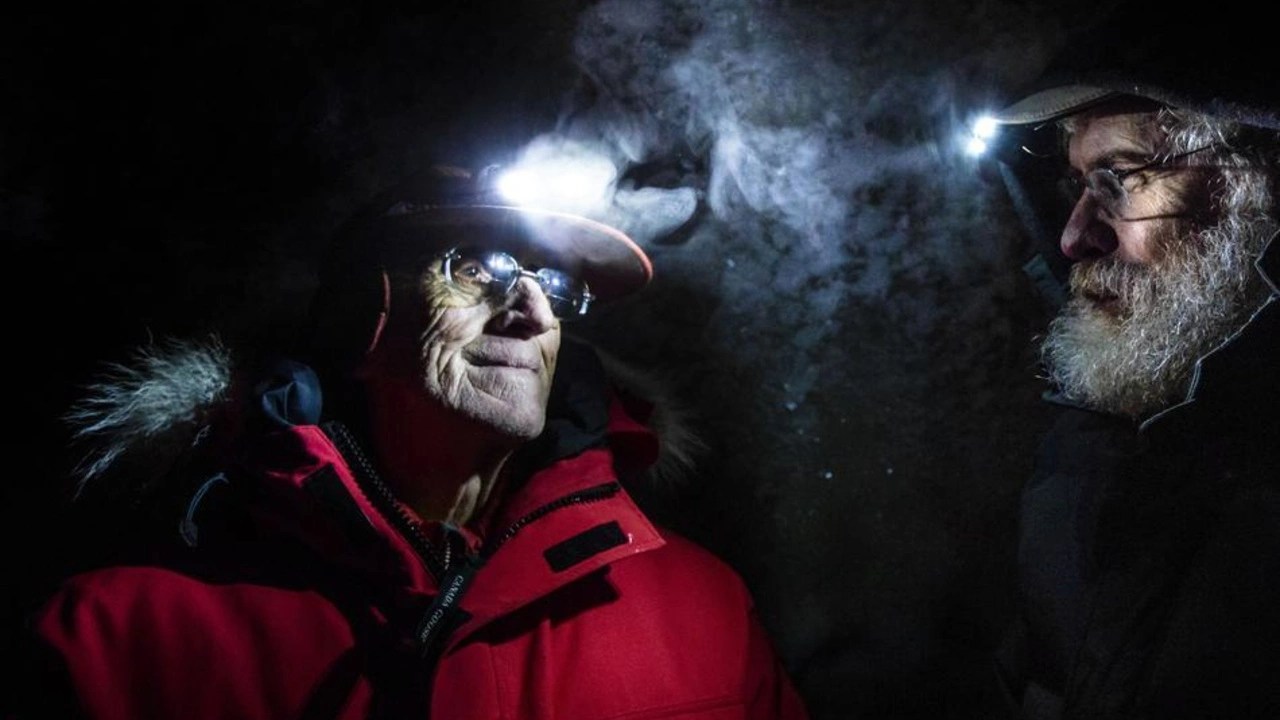
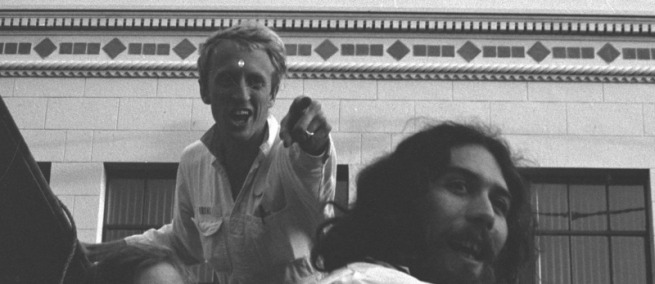
His fans and critics fill the soundtrack of the documentary, “We Are As Gods” with cogent descriptions of philosopher, “visionary,” activist and Big Idea cheerleader Stewart Brand. He is an “intellectual Johnny Appleseed of the Counter Culture,” a “P.T. Barnum” huckster, the “Zelig of cyber culture,” and more to the point — a “Forrest Gump” figure whose “superpower” was his “eerie” ability to see The Next Big Thing and be there to inspire, guide and champion it.
The film is a celebration of the most optimistic big thinker of them all, a figure who has been at the forefront of many of the best phenomena, trends, technology and values inculcated in modern culture.
The environmental movement was on low simmer until Brand led a nationwide campaign to get NASA to take a photograph of the entire Earth, the “blue marble” floating in the void. It was an image that shifted thinking about world worth protecting and saving. Brand’s “Whole Earth Catalog” quarterly gave the ensuing movement focus, momentum and “tools” for living. The book is cited by Steve Jobs and The Woz and many an internet start-up as being a guidepost for their endeavors and desire to think forward and plan big.
Brand was in on the ground floor of “hacker culture,” helping to characterize “the personal computer revolution” and the thinkers and doers who have been driving it.
“You have an idea. And it still seems like a good idea the next day, you get started” has been his golden rule.
And if you’ve heard of efforts to use preserved and recreated DNA to bring wooly mammoths, American chestnuts and passenger pigeons back to life, it’s probably because of Brand, pushing an idea that could be either a “part of the solution” to our climate change crisis, or a distraction from saving nature and making big decisions about carbon-based energy that grow more pressing by the day, as his critics say.
“We Are As Gods” takes its title from a line that opened “The Whole Earth Catalog” — “We are as gods. So we might as well get good at it.” During its brief run of publication — 1968-1971 — “The Whole Earth Catalog” literally shifted global culture, producing revolutions in human thinking about the environment, technology and human-interconnectedness. Though it has its against-the-grain critics, more than one publication over the decades has called it “the book that changed the world.”
David Alvarado and Jason Sussberg track the wizened, ever-smiling Brand as he thinks, travels, encourages, engages in debates (which he sometimes loses) about his latest big notion — “de-extinction.” They follow him to Siberia’s Pleistocene Park, which hopes to recreate natural conditions that existed there pre-human civilization, a frozen tundra with many large mammal species grazing, pushing back forests and creating “The Wooly Mammoth Steppes” of the ancient past.
One of the animals that the founder, Sergey Zimov, hopes will be a re-introduced is a genetically-revived wooly mammoth population, the “keystone species” of such a steppe. That will take a “moon shot” or “Manhattan Project” level effort. But bits and pieces of it are coming together.
Brand oversees efforts to bring back the functionally extinct American chestnut, killed by an invasive fungus in the early years of the twentieth century. This initiative has reached the stage where genetically modified, Asian fungus resistant chestnuts are being reintroduced into nature, with the idea of returning another “keystone species” to North America.
The chestnuts’ die-off destroyed a whole eco-system, an exclamation point on the deforestation of the eastern U.S. Brand shows the filmmakers carefully-preserved specimens of the passenger pigeon, a natural wonder that once covered North America in flocks so vas they blacked out the sun. Habitat destruction imperiled them. And then they were hunted to extinction.
The film serves as a memoir, revisiting Brand’s childhood and college days — his Stanford mentor was Paul Ehrlich, the self-described population “doom-sayer,” the perfect pessimist to Brand’s brand of “Let’s see if we can fix this” sunniness.
There’s a whole section of push-back against Brand’s “hubris,” the tinkering with nature when humanity has already done so much to foul things up. That keeps “We Are As Gods” from becoming a simple hagiography.
Brand has had his doubts, his bouts with addiction and depression, and an abandoned marriage. He “killed success” when he pulled the plug on “The Whole Earth Catalog” just as it was reaching its peak.
But as we hear from scores of figures, from the late Steve Jobs of Apple to astronaut Russell Schweikart, geneticist George Church to many others inspired by, given a name for their “movement” and a sense of direction by Brand, it’s hard to wholly embrace the fears of “genetically engineered” this or that.
Brand, “an evangelical optimist,” has given this stuff a lot of thought. And much of the bad that’s happened comes from ignoring or taking up opposition to the counter-culture he’s espoused since his days as a Ken Kesey “merry prankster” and proto-environmentalist.
He’s always been ahead of the curve. Maybe we should listen to the guy who ended each edition of his most famous creation with the plea, “Stay hungry. Stay foolish.” He’s in the business of firing imaginations and synthesizing the zeitgeist. And if he thinks a race that can bring back the wooly mammoth and passenger pigeon would take take those scientific wonders as cues to Think Big and Be Bold in saving the planet, he might be right. Again.
Rating: unrated, drug abuse discussions
Cast: Stewart Brand, Paul Ehrlich, Lynn Rothschild, George Church, Hunter Lovins, Russell Schweickart, Lois Jennings, Sergey Zimov, Brian Eno, Peter Coyote and Kevin Kelly.
Credits: Scripted and directed by David Alvarado and Jason Sussberg. A Greenwich Entertainment release.
Running time: 1:34

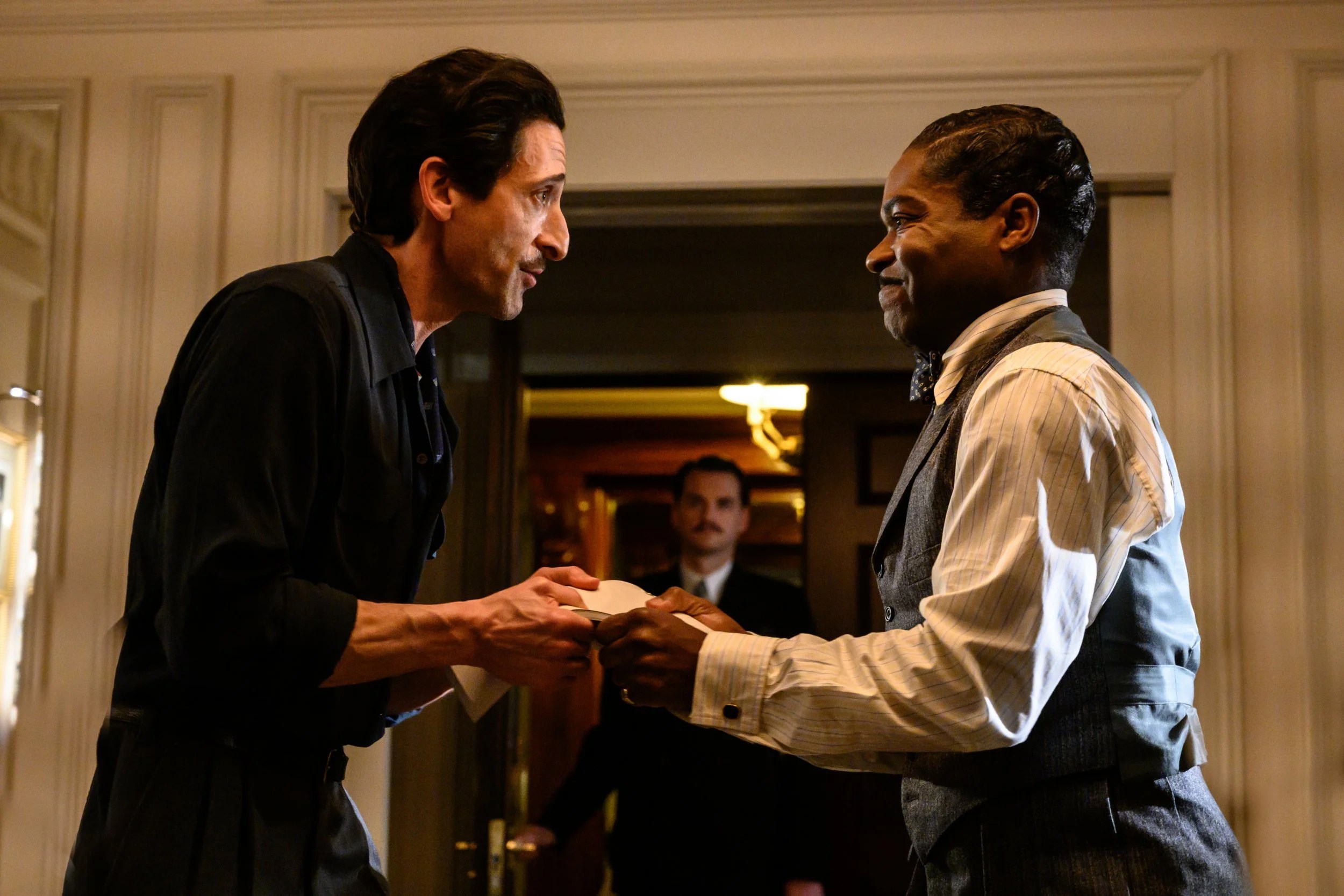
Oh, it’s not as clever as it thinks it is. And truthfully, for a “romp” it only occasionally romps.
But “See How They Run” is still a warm, witty and old fashioned “whodunit” and an equally old-fashioned “theater” comedy, pronounced “THEE-a-turr” in the British style. I found it an old fashioned hoot.
And as a character in the film’s third act complains, “I’m sorry. I’m completely lost. I don’t have a theatrical background,” a little critic-splaining is in order before dashing out to see it (Sept. 16).
“See How They Run” steals its title from an earlier stage hit.
It’s a send up of Agatha Christie’s “The Mousetrap” set early in the London West End run of the longest running play in history — 1953.
“See How They Run” makes note of author Agatha Christie’s proviso that no film of the play be produced while the play was still running, and that she based it on a real life murder.
The film uses actors from that original production as “characters.” Sir Richard Attenborough wasn’t a knight and was never as tall and dashing as actor Harris Dickinson, who plays the “star” of original production of “The Mousetrap.” Diminutive or not, Sir Richard went on to direct “Gandhi” and capped his acting career with a delightful turn as the impresario behind “Jurassic Park.”
As the story is a murder mystery set against a theatrical murder mystery, there’s a Scotland Yard Inspector Stoppard who is on the case and questioning a backstage full of suspects. Tom Stoppard is a great British playwright, and his funniest work was a one-act play that lampooned “Mousetrap” titled “The Real Inspector Hound,” beloved by critics because it’s about critics who get sucked into a stage production they’re ostensibly reviewing.
Knowing this makes the line, “He was a real ‘Hound,’ Inspector” amusing. “See How They Run” has a few inside jokes like this — “Poppycock!” “Hitchcock, actually.” — a sparkling cast and an infectious sense of fun for those with any sort of “theatrical background.”
Hollywood is chomping at the bit to make a film of “The Mousetrap,” and the director hired by John Woolf (Reese Shearsmith) — who really was a producer on “The African Queen” –is a key figure.
Adrien Brody does his best Jack Nicholson as detective J.J Gittes (“Chinatown”) as narrator/director and American cynic Leo Kopernick.
“It’s a whodunit,” Leo growls. “If you’ve seen one, you’ve seen them all.” But “The Limeys? They just eat it up.”
Leo comments on 1950s Britain, which he’s returned to after serving there in The War, and riffs on the tropes of the whodunit genre as the story unfolds.
Somebody’s got to die in the first act, and “It’s always the most unlikable character who gets knocked-off.”
From Christie to “Columbo,” was ever thus. So who gets it? Our narrator, who insults the screenwriter (David Oyelowo), offends the stage actors, irks the producer, and so on down the line.
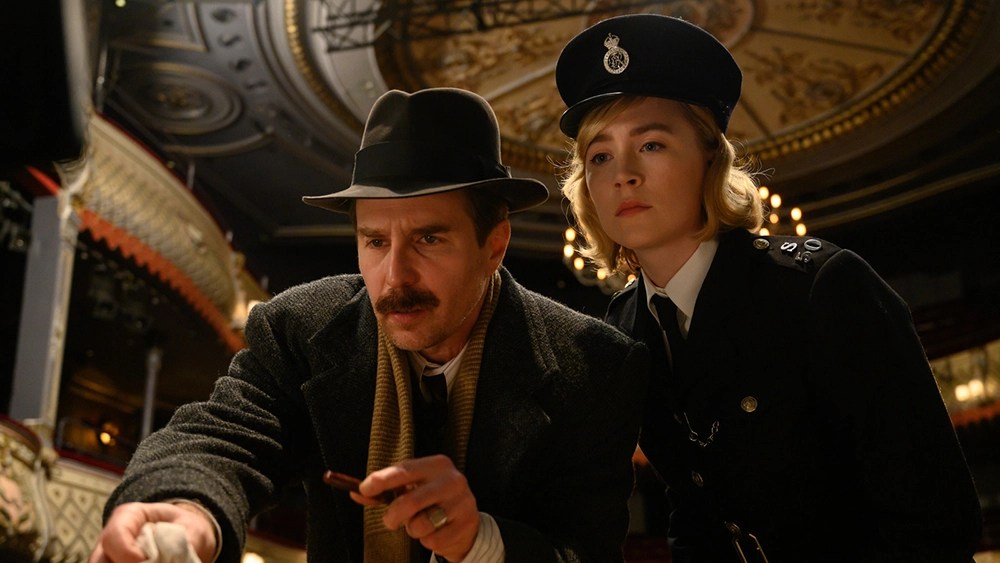
Enter Police Constable Stalker (Saoirse Ronan), eager to please the disheveled, drunken, limping Detective Inspector Stoppard (Sam Rockwell) who is her reluctant mentor.
With each interrogation, each twist, our breathless Stalker is given to shouting “Case CLOSED!” But the sodden, methodical Inspector isn’t inclined to jump to conclusions.
British TV director Tom George (“This Country”) tries a few tricks to give his picture a prancing pace — split screens to catch reaction shots and chop up a “door slamming” farce sequence. That doesn’t really do the trick. The production design is TV-period piece immaculate — lush sound-staged bars and sitting rooms, vintage cars and posh suits and dresses.
But what works best here is the casting and the acting. Brody’s terrific wisenheimer delivery as Leo in flashbacks — “the last refuge of a moribund imagination,” our pretentious playwright/screenwriter (Oyelowo) calls them — or as narrator, gets the picture on its feet.
The limeys, he delusionally purrs, “go wild for an American accent,” and have ever since The War.
Rockwell and Ronan deliver comically contrasting characters — jaded and tipsy vs. eager and naive.
Oyelowo huffs and puffs and wraps his voice around plenty of “four dollar words,” but Ruth Wilson of “The Affair” is a bit wasted in a small role as the theatrical producer who would do anything to ensure that “the show must go on.”
With Christie undergoing something of a revival thanks to Kenneth Branagh’s Poirot adaptations “Murder on the Orient Express” and “Death on the Nile” and with “Knives Out” setting the bar for new ways to tackle the hoary “Whodunit” formula, what’s not to like about a film that makes the Mistress of Mysteries, Dame Agatha, a character (Shirley Henderson) and her greatest success an object of good-natured ridicule?
The shaky pace and theatrical setting means it won’t be to every taste. But if you think a murder backstage would make a grand scandal (Hitchcock and Christie and Columbo all took shots at this), and that some police commissioner barking that “Fleet Street is all over this like hot jam on a Devonshire scone!” is funny, this might be the movie for you.
Rating: PG-13 (A Sexual Reference|Some Violence/Bloody Images)
Cast: Sam Rockwell, Saoirse Ronan, David Oyelowo, Ruth Wilson, Harris Dickinson, Pippa Bennett-Warner, Shirley Henderson and Adrien Brody.
Credits: Directed by Tom George, scripted by Mark Chappell. A Searchlight release.
Running time: 1:38
Thirteen and “tested” by their first year of secondary school.
This Lukas Dhont drama was a Cannes hit and an A24 pick up. Coming soon.
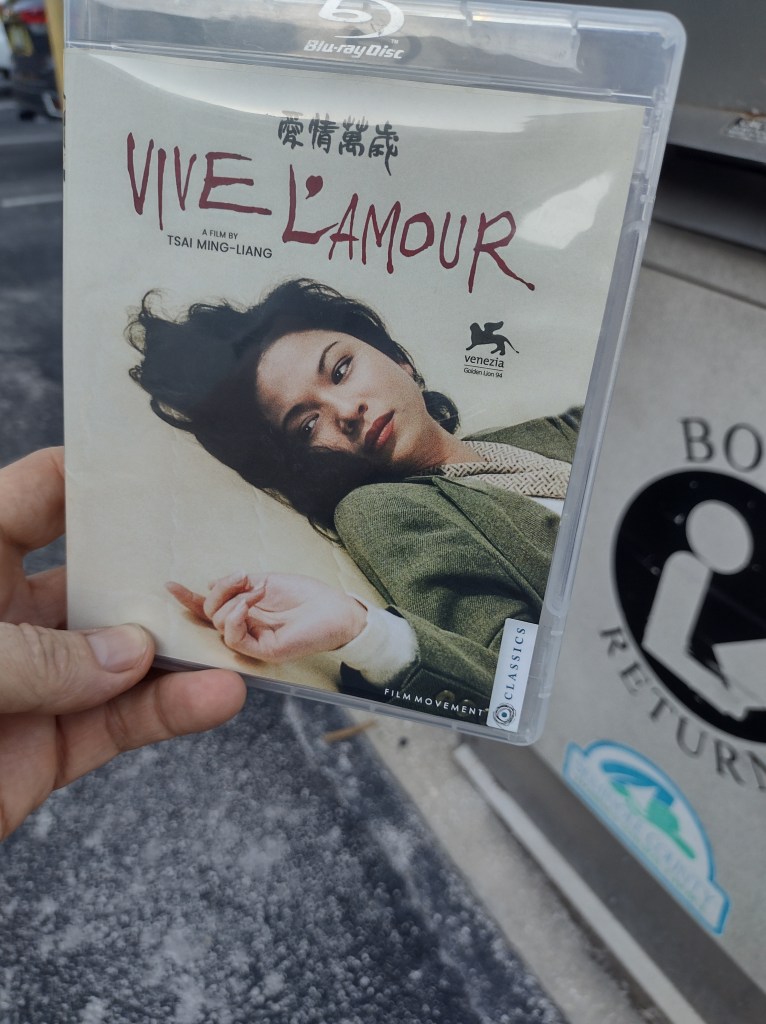
I rather liked this Taiwanese take on loneliness.
Ming-liang Tsai’s never been to Casselberry, a city of lakes and Big Box Stores with houses and apartments scattered within. I dare say he’d connect with the disconnection of such Florida suburbs — isolated, circling Orlando like moths to a Disney-animated movie flame.
Thanks to Film Movement for providing this Blu Ray to the Casselberry library. MovieNation, spreading fine cinema, often with subtitles, all over the Southeast, one DVD/one library at a time.


