
New cast, Nov 17 holidays release date. They’re expecting big things.
Not sure anybody asked for this, but you know the suits loved what the earlier films did for their bottom line.
New cast, Nov 17 holidays release date. They’re expecting big things.
Not sure anybody asked for this, but you know the suits loved what the earlier films did for their bottom line.

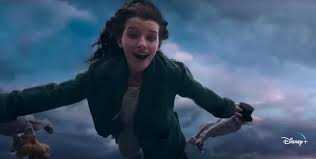
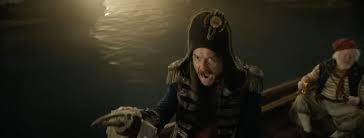
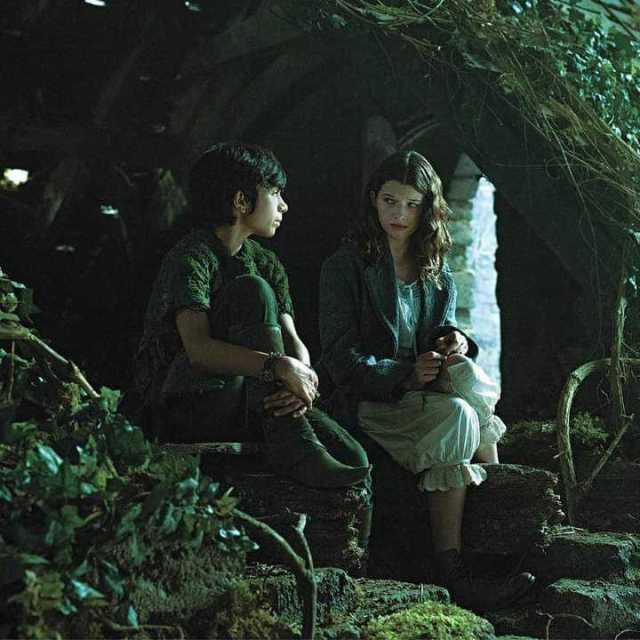
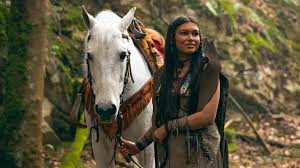
The hardest hurdle for any new take on Peter Pan to overcome is simply justifying its reason to exist.
There have been many Peters, many Wendys and many Captain Hooks. We’ve seen the story told this way and that, from most any point of view you can think of, and even seen the original story of the J.M. Barrie play and the animated version has been a fixture for going on seven decades now.
But here’s Disney serving up “The Boy Who Could Fly” and the Girl Who’s Really Good at Telling Stories once again as “Peter Pan & Wendy.” Sadly, you can make the case that this is one of the better “bedtime story” versions of this tale, as it’s perfunctory enough to be sleep-inducing.
We have a good Wendy, brought to lively life by Ever Anderson of “Black Widow” and one of her mother Milla Jovovich’s “Resident Evil” outings. Jude Law makes a ruthless enough Hook, who has his brooding, vengeful character “explained” via back story almost as thoroughly as the infamous Robin Williams/Julia Roberts/Dustin Hoffman take on “Hook.”
Yara Shahidi makes a perfectly pixiesh Tinkerbell and Alyssa Wapanatâhk is a fierce and fleshed out representation of the Native American girl Tiger Lily. Peter (Alexander Molony)? He’s a bit bland, and almost a non-entity in this take on the tale, which leans heavily on the “never growing up/growing old” thing as its overriding theme.
Asking Peter to explain his age-old emnity for Capt. Hook is usually explained away the way Peter dismisses the question here, “Because he’s a a pirate and I’m Peter Pan.”
“Pete’s Dragon” director and co-adapter David Lowery’s A-budget picture has terrific sets, a full on pirate’s brigantine and some lovely effects. The cave and the Canadian Maritime locations — Newfoundland and Labrador — are gorgeous.
The casting is as diverse as you might expect these days, and even The Lost Boys include girls, lots of them. “Representation” is always a good thing, but it cannot be the only thing, the main reason for bringing us a new “Peter Pan.”
Aside from reminding us that Peter Pan was the original ageist as well as being the reason “Peter Pan Syndrome” is totally a thing, it’s hard to figure out why we’re here. They’ve dispensed with the storytelling Wendy did at home, inspiring her brothers (Joshua Pickering, Jacobi Jupe) to take up Neverland-style sword fighting, with old-enough-to-go-to-boarding-school Wendy joining in.
Peter’s supposed to overhear a story and decide Wendy must come with him back to Neverland. He must have caught her act earlier in this rendition. Wendy’s urged to take steps toward adulthood by her mother, and as there’s no pushback of “romantic” interest in Peter (younger, shorter), that hangs over the film as its Big Theme, even if it’s no Big Thing.
There’s a smattering of music. Pirates do like the sing, even when Jim Gaffigan is our reliable first mate Smee.
And Molly Parker, playing Mrs. Darling, sings a bit of lullaby that Anderson repeats that is almost as good as anything in the Disney “Peter Pan” animated musical.
But the action beats are kind of half-hearted, and that’s the only time “heart” came to mind when watching this emotionally flat, somewhat dull attempt at bringing Peter to a new generation and keeping Disney’s brand attached to the 100-year-old-plus intellectual property dreamed up by J.M. Barrie.

Rating: PG- squeaky clean
Cast: Ever Anderson, Alexander Molony, Alyssa Wapanatâhk, Jim Gaffigan, Joshua Pickering, Jacobi Jupe, Yara Shahidi, Molly Parker, Alan Tudyk and Jude Law.
Credits: Directed by David Lowery, scripted by David Lowery, Toby Halbrooks, based on the play by J.M. Barrie. A Disney+ release.
Running time:
May 5.
Looks sweet.
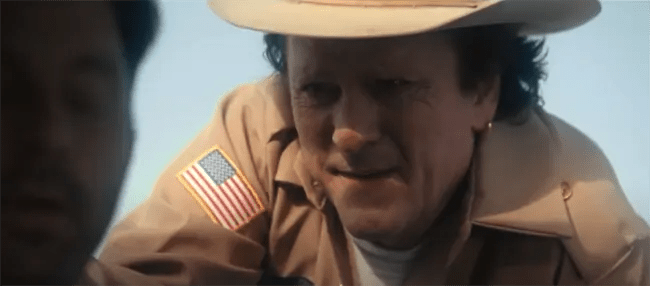
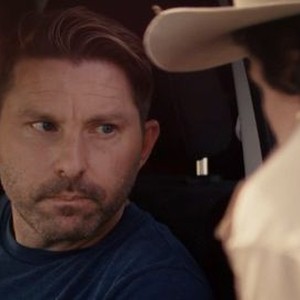
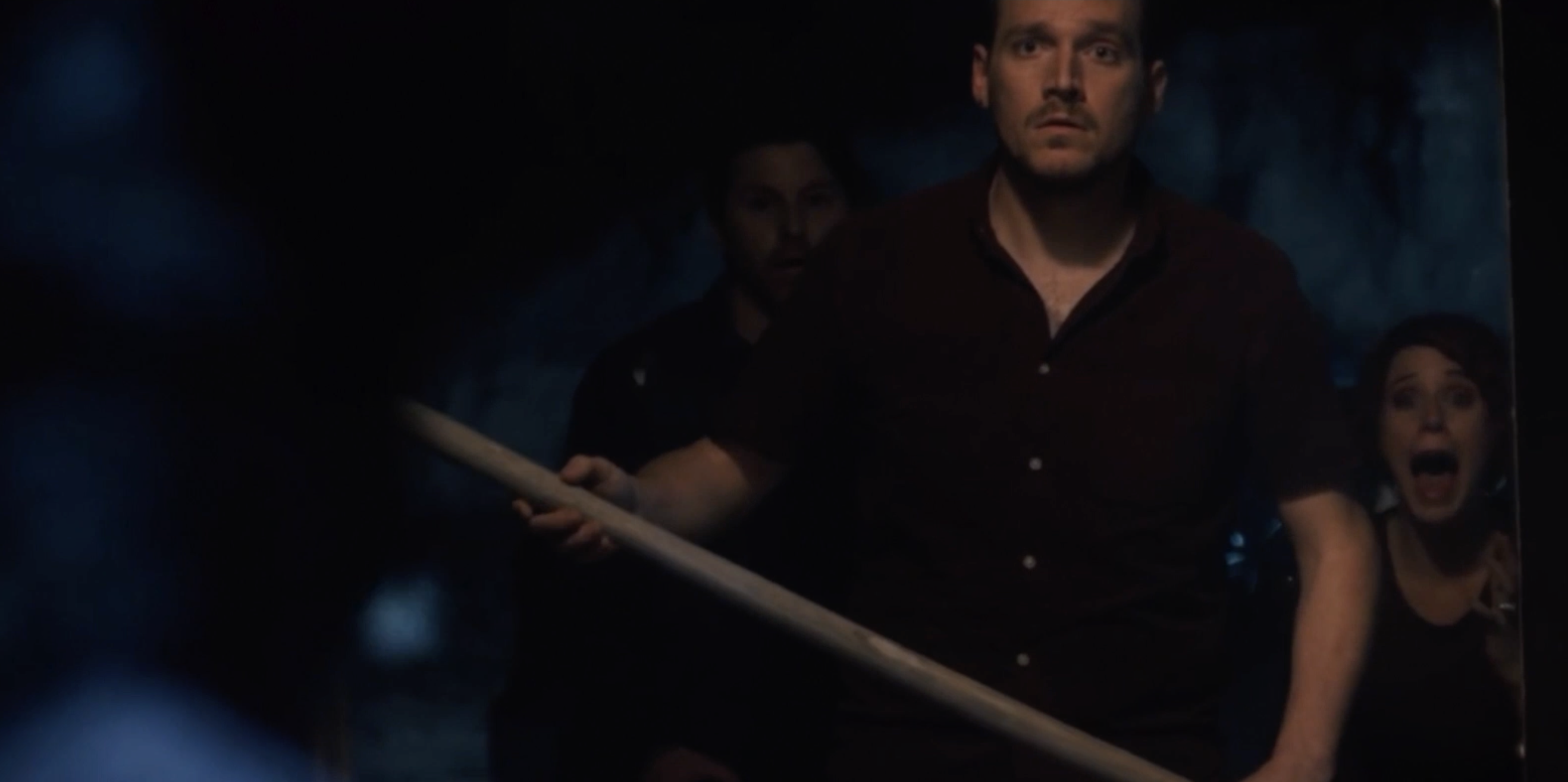
The acting is bad, the screenplay is worse in “The Wraith Within,” a low-budget thriller about “cursed” stuffed bear and the white-haired demon who goes around stabbing random Texans in revenge for a horrible crime long ago.
Five friends (Shane Christopher, Zara Majidpour, Allison Hawkstone, Brian Hodges, Gabriel Aronson) return to sleepy Junction, Texas for a reunion.
They don’t look all that happy to be there, amongst the “inbreeds” who stayed behind. Yeah, that’s how the Austin crowd refers to their classmates.
Testy, foul-mouthed encounters with shopkeepers, the sheriff (earringed, pasty-faced and long-haired Michael Madsen) and assorted others at the actual reunion should make our quintet out-of-towners wonder if it’s all worth it.
And that’s before this haunted teddy bear turns up, stuff starts flying off shelves, knives almost impale people, and then “almost” turns into a body count.
No sense bragging about how you’re going to “Jamie Lee Curtis this mother-f—-r.” The only deep insights the sheriff has are “That is a sh—y-ass way to go,” and a smirking “Not havin’ a great day.”
Let’s consult the local Native American (Jonathan Joss).
“Peckerwood, I know you’re not that stupid.”
The dialogue is bad, the line-readings of it are worse. A couple of the cast aren’t native English speakers and the strain of trying to make bad lines sound natural proves an over-reach for them. Not that the gringos are any better.
The deaths are not all that interesting, but the makeup “effect” is modestly chilling.
All things considered, this is just plain bad, even by horror C-movie standards.
It was directed by Aaron Strey and scripted by Carlos A. Samudio, lest you think I’m blaming the actors alone. Well done, all around.
And before you ask, no, it’s not even “bad movie drinking game” bad.

Rating: unrated, violence, profanity
Cast: Shane Christopher, Zara Majidpour, Allison Hawkstone, Brian Hodges, Gabriel Aronson, Trey Davis, Jonathan Joss and Michael Madsen.
Credits: Directed by Aaron Strey, scripted by Carlos A. Samudio. A Gravitas Ventures release.
Running time: 1:17
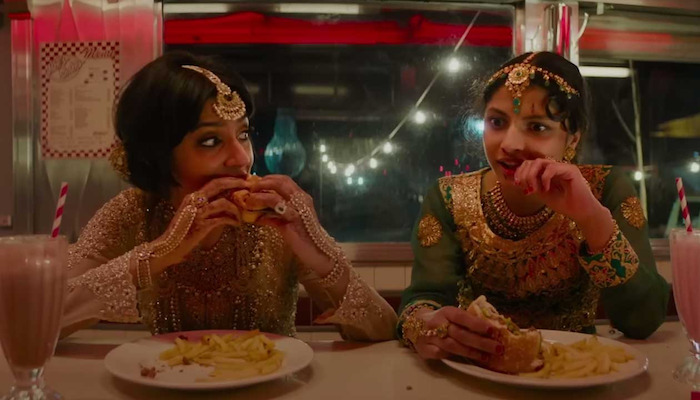
A full generation has passed since the empowering and adorable “Bend it Like Beckham.” A lot has changed about the Desi diaspora in the UK, and in cinema about their lives.
The proof is in a mouthy, punchy and gonzo action comedy about an arranged marriage in something quite unlike “Polite Society.”
Writer-director Nida Manzoor’s debut feature is outlandish, over-the-top and furiously funny. She’s the creator of that loopy female Muslim punk band TV comedy “We Are Lady Parts,” and she doesn’t break punk stride in this “You girls these days” look at the state of young womanhood in the fading patriarchy of this corner of Britannia.
Ria, played by Priya Kansara in a break-out performance, is a skinny teen with stuntwoman dreams. She writes letters to her favorite stuntwoman, that badass Eunice Huthart. She makes delusional, slightly inept videos for her Stuntgirl Ria channel and dreams of getting Huthart to let her intern with her.
Her school advisor dismisses that notion. Her indulgent parents are waiting to shut this “silliness” down. And the towering all-girls school bully (Shona Babayemi) kicks her arse when she demands a demonstration.
Only older sister Lena (Ritu Arya) encourages her. But Lena’s freshly-dropped out of art school and a bit lost herself. Then the handsome, rich young doctor Salim (Ashay Khanna) gives her Lena the eye, and his family and their family take an interest in setting them up.
Yes, another generation has passed and they’re a long way from the Subcontinent, but “arranged marriages” are still a thing. Only Dad (Jeff Mirz) doesn’t like the semantics of that “brand.”
“You should see it like ‘Lena has outsourced the search for a suitable match to us so that WE can carry out the necessary due dilligence,” keeping her from wasting “unnecessary emotional capital” on flirting and dating and all that.
Sure, it’s the match.com era and business is business. But it’s nice to see romance still blooms among the Indo-Muslims of the UK.
Ria flips the f-out. And that’s pretty much how this foul-mouthed teen, not shy about talking back to Mum (Shobu Kapur) and Dad, puts it. She won’t allow her sister to give up her art dream for “some smarmy wanker.”
She accuses Lena of “doing a Jane Austen.” And with her schoolmates (Seraphina Beh and Ella Bruccoleri), she lays out a plan to tear this wedding asunder.
The teens reference classic romance and action film conventions — obstacles to love, plot devices that might prevent the nuptials. They don disguises to get into a men’s locker room at Salim’s gym and plot even bigger capers as the picture takes a seriously loopy turn past melodrama and into full on diabolical conspiracy, real or imagined.
“Oy! There’s a reason tropes are tropes! Because they work!”
“Polite Society” sprints through its first scenes, struggles a bit when things go over-the-top and finds the fun again for a blitzkrieg of a finale. Yes, there’s a big fat Indian wedding, and a big dance. But there are also epic throwdowns — fights with martial arts movie wirework — big time villainy and a “Thelma & Louise” rag-top T-bird becomes a getaway car.
The larger theme here is hanging on to your dreams, a bit tired and tiresome in this affluent spoiled-kids setting.
But that’s “You girls, these days” in a nutshell, no longer under a familial or cultural thumb and not limiting their dreams to “doctor” or “Stepford Wife” or even simply bending it like Beckham. Try to stop them and you might get an “I am FURY” if you’re lucky. Next thing you know, some Van Damme “helicopter kick” might come right at your noggin.

Rating: PG-13, violence, profanity, sexual situations
Cast: Priya Kansara, Ritu Arya, Ashkay Khanna, Nimra Bucha, Shobu Kapoor, Shona Babayemi, Ella Bruccoleri, Jeff Mirz and Seraphina Beh
Credits: Scripted and directed by Nida Manzoor. A Focus Features release.
Running time: 1:44
The first trailer to this November laugher from Searchlight is LOL cute. A teensy bit of Ted you know who vibe.
A feel good sports movie for the fall? Let us pray.
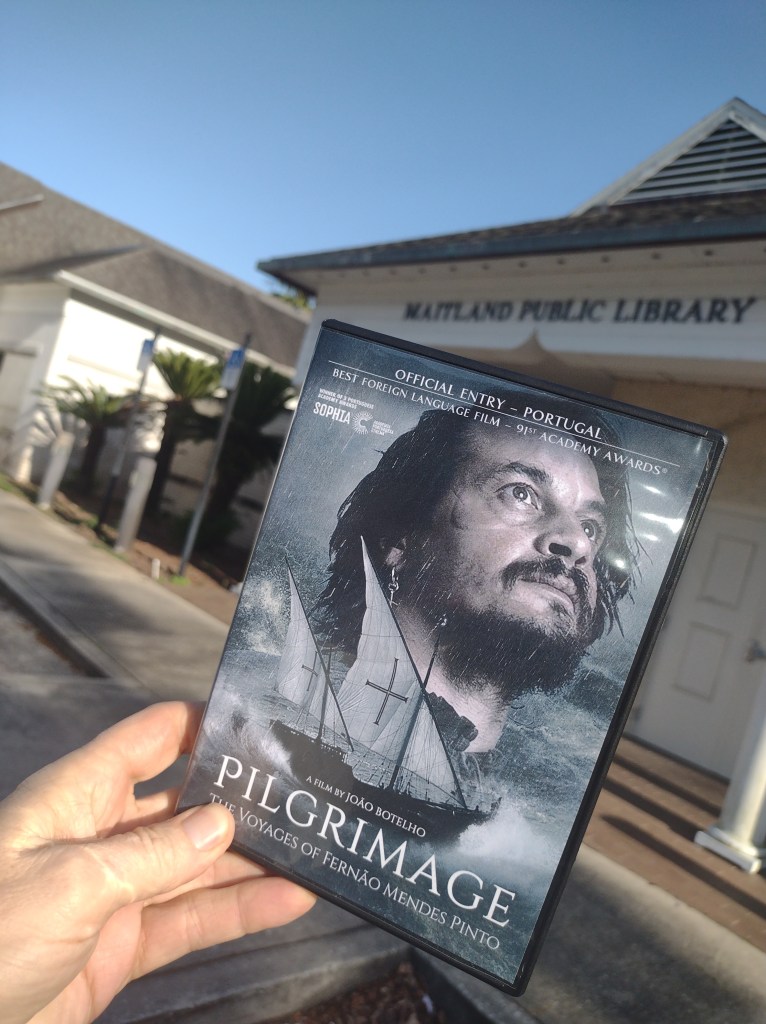
A piece of Portuguese history, lore that’s little known outside of the land of Port and corks.
A fantastical Marco Polo figure who visited Africa, India, China and Japan in the mid 16th century, a chap few believed when he came home (he plainly made some things up) is the subject of this hit or miss period piece/adventure.
Remember, be like MovieNation. Support public libraries by donating your DVDs.
MovieNation, spreading fine international cinema all over the Southeast, one DVD, one library at a time.
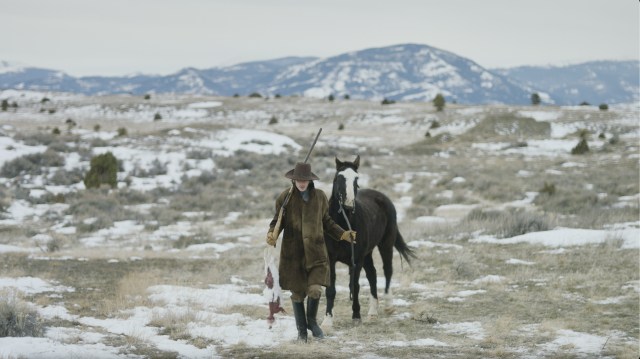
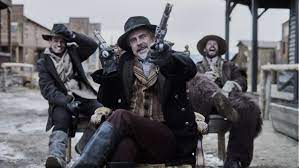
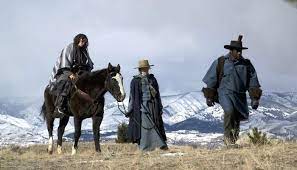
The bad pun in the title isn’t the worst sin of “Organ Trail,” basically a dawdling B Western rendered violent enough to be labeled “horror.”
It’s “horror” only in the broadest sense, but how you bill and sell your movie isn’t usually a deal breaker. Much of the slaughter here is pretty generic, but there are some moments of well-staged flash, fire and fury.
It only seems like the folks involved wasted stunning Livingston, Montana-in-winter scenery in restrospect. This great location in search of a better Western is saddled with one gorgeous backdrop after another.
But from its 25 minute prologue to the drawn-out “Is he/she dead? Did he/she finally die? For real this time?” ending, this lumbering beast never comes to life. The screenplay is like a never-oiled machine, a jalopy that groans, squeaks, rattles and stalls all over lovely Montana, wrapped in freshly-scrubbed and shaved players. period-proper costumes, anachronistic F-bombs and boredom.
The prologue follows a farm family down off a mountain, two parents and two teens and many of their possessions stuffed into a Conestoga wagon pulled by a lone horse (sure) through a blizzard. In the valley below, they stumble across a massacre site, and rescue the lone survivor (Olivia Grace Applegate) who was crucified by arrows.
And then the non-Natives who carried out that slaughter jump them, and only the daughter Abigail (Zoé De Grand Maison) and crucified Cassidy survive that, taken hostage and dragged off to an abandoned church in a new ghost town.
Turns out, this English goon (Sam Trammell) and his four henchmen were the ones who did the massacring in both cases. Now they have other plans for the two women, who will go through some things as Abby fights back and does her damnedest to escape and the resigned-to-her-fate Cass starts to come to grips with all the people who die when either one of them reach out for help.
The collateral damage in this corner of Big Sky Country is horrific.
But the priorities on this production are laughable, the script is rife with chaff — scenes, sequences and characters who do not advance the plot and delay getting to “the real action” to a pointless degree.
A Black farmer (Clé Bennett) leaves his pregnant wife (Jessica Francis Duke) to get mixed-up in this affair. Thomas Lennon plays a barkeep at a candlelit saloon (another gorgeous image), a character whose dramatic purpose is less impressive than his name — Royal Fitzgibbon
Sadism is the default emotion, “surviving the unsurvivable” the rule of thumb and nonsense and more nonsense pads the running time.
The Englishman hears someone called “Romeo” and wonders “Do you read Shakespeare?” of an illerate murderous minion. He feels the need to to extemporize when he’s sharing a bottle.
“Chateau Lafitte, ’64, dominant grape, Cabernet Sauvignon. Sturdy vintage to be sure, characterized by notes of smoke, incense, tar and saddle leather!”
If the screenwriter (Meg Turner) wrote that, “Learn to kill your darlings, dear.” And maybe Google when the F-bomb showed up in the American vernacular. Here’s a tip, “Deadwood” got it wrong. If she didn’t write it, there’s another prime candidate for the cutting room floor.
With these locations and this cast and the action beats that work, this might have been a solid 80-minute B-movie that looks like an A-picture. Director of Photography Joe Kessler’s the only one who should put any of this on his sizzle reel.
“Organ Trail” went wrong with that bloated prologue, wrong when no one thinned the superfluous out of the script and really wrong with that stupid title.

Rating: R for strong violence, (profanity) and some sexual references
Cast: Zoé De Grand Maison, Sam Trammell, Olivia Grace Applegate, Clé Bennett, Nicholas Logan and Thomas Lennon
Credits: Directed by Michael Patrick Jann, scripted by Meg Turner. A Paramount+ release.
Running time: 1:52
Seems like a waste of the best Washington the movies have ever seen.
But the money’s got to be good, keeps him relevant I guess.
He’s not getting any younger. Surely there are better parts for an Oscar winning icon to play. And if not, shame on Hollywood.
This Berlin Film Fest darling (2022) earns a limited release May 5.
It looks…captivating.

 Movie Nation