Not the most critically acclaimed animated film of the year, but I loved it. As did my daughters.
“Brave” wins a bunch of effects and animation honors leading up to the Big Night, and sure enough, wins the Oscar.
Not the most critically acclaimed animated film of the year, but I loved it. As did my daughters.
“Brave” wins a bunch of effects and animation honors leading up to the Big Night, and sure enough, wins the Oscar.
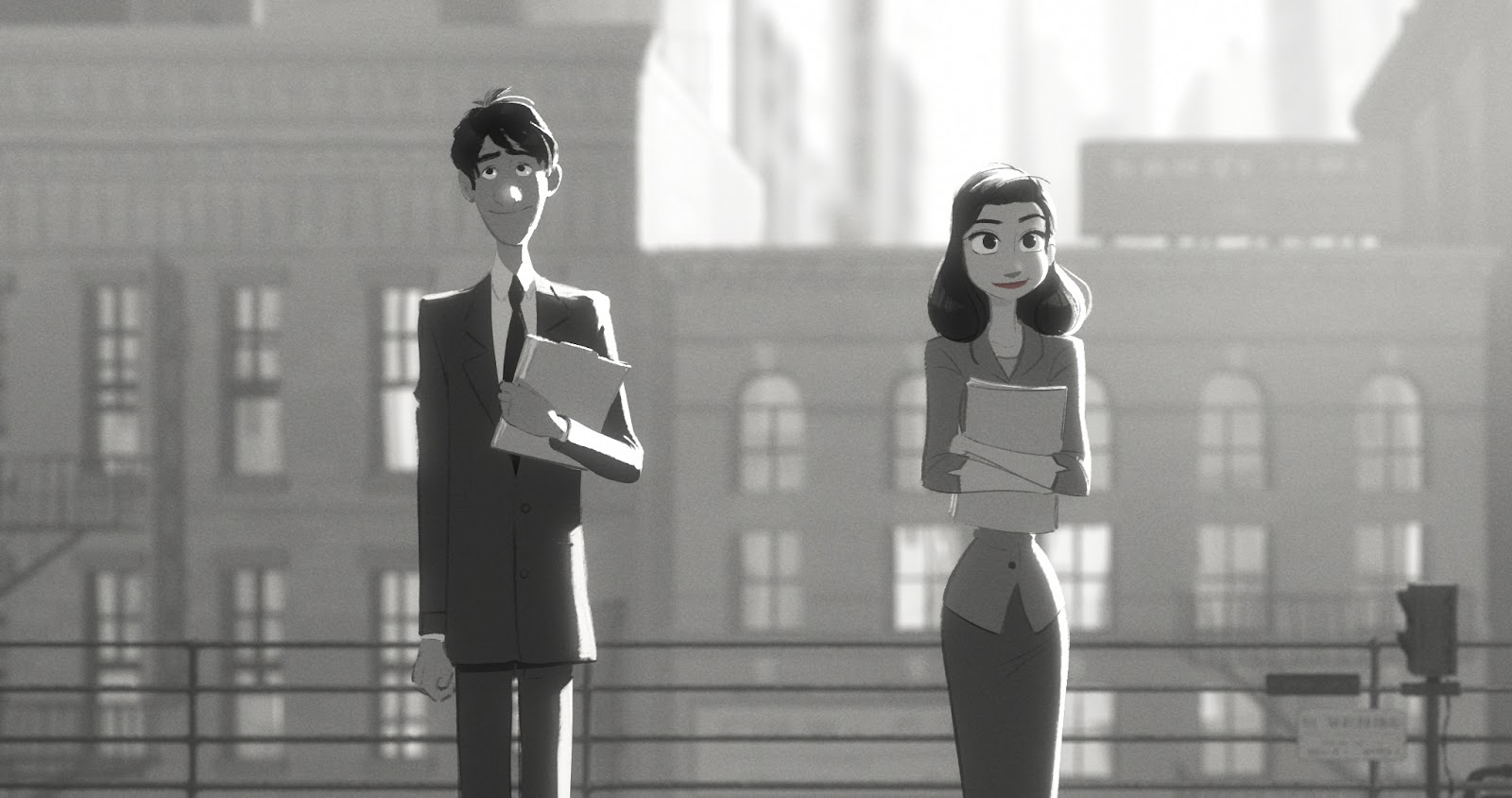 Loved this one. It was attached to “Wreck it Ralph.” Romantic, sweet, black and white (with red) and dialogue free.
Tommy Lee Jones seemed to have the best supporting actor inside track. Which might have explained his jovial (shocking) mood that the camera caught a couple of times.
And then the Oscar goes to Christoph Waltz. Again. Doing another Tarantino blood-letter.
Head shaking at that one, though it was the most competitive category. It was the only major prize “Django,” a big winter hit, was up for. Sort of like what’s been happening for “Argo” re: Ben Affleck not being nominated.
If Oscar is following the BAFTAs instead of the Golden Globes path, Emmanuelle Riva wins best actress, right?
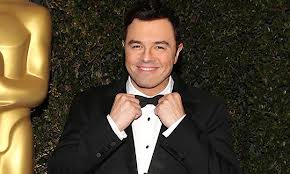
There’s an art to knowing when to get out of a bit — rescuing “We Saw Your Boobs” with “The Way You Look Tonight,” showing off the singing chops. Classy. Bringing out Charlize, Radcliffe, Channing and JG Levitt. Nice.
And still. The Bit. Goes on. Jesus.
Sally Field/Flying Nun gag? Oh my.
The versatile MacFarlane is here. But also the lowbrow, leering, sophomoric, sexist one. Funny here and there, tho. But “Start. The. Show.”
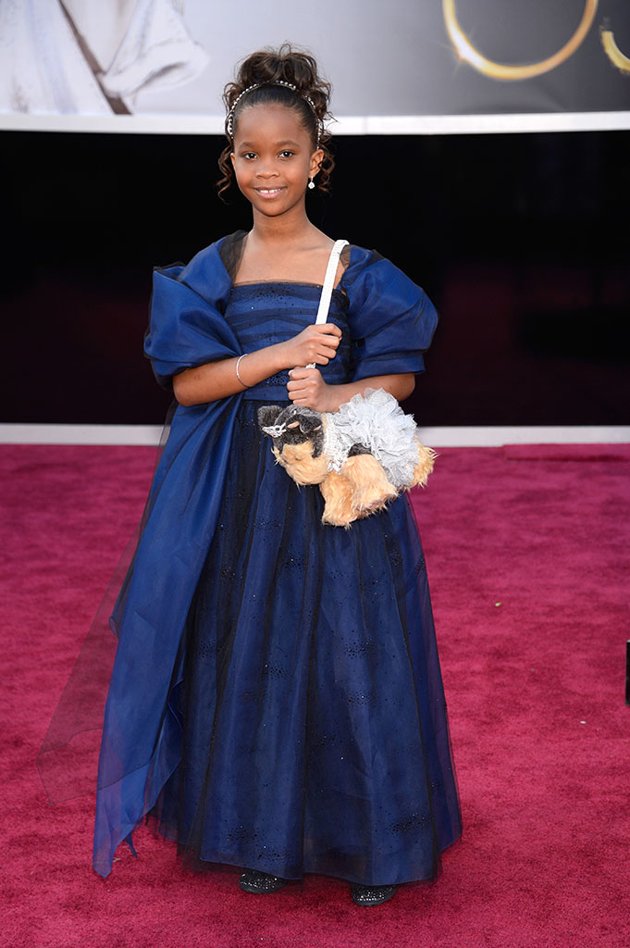 Quvenzhane Wallis confirmed, on the red carpet tonight, that she is the new “Sun’ll come out tomorrow” star of “Annie.”
With Broadway’s funnygirl Kristin Chenoweth anchoring, the ABC “Let’s Treat This as Our Super Bowl” Oscar pre-coverage promised to perk up noticeably this year.
Chenoweth trapped poor Amanda Seyfried in her sights, Joseph Gordon-Levitt endured having his name mispronounced by one of the other divas (Kelly Rowland) with a microphone, Kerry Washington was interviewed by SOMEone who didn’t want to hold the mike in front of the star’s face, and so on.
Trying to play a quiz game with nervous movie stars? Not the best idea they’ve ever had. Deer. Headlights. Seyfried. Hell-0.
Nothing like a little live TV to remind us that being quick and informed and funny off the cuff is hard work. At least Chenoweth rocked.
Channing Tatum, charming, Naomi and Liev, engaging. Hugh Jackman, always “on.” It’s missing the E! snark, but they beat this beast to death more and more each year. To me, it just makes the actual Oscars seem that much longer. And with a shrinking TV audience, “more” is not necessarily better.
 “Stoker” begins and ends with an 18 year-old girl. That is the film’s allure – and not just for audiences. It’s what drew Korean director Chan-Wook Park (“Oldboy”) to make this his Hollywood debut.
“My daughter is 18 years-old,” Park deadpans, as if that was explanation enough. A thriller about a poker-faced girl named India whose mourning for her dead father is interrupted by the arrival of the beguiling Uncle Charlie, “Stoker” is a movie of mysteries. And not just 18 year-old girls.
Who and what is this Uncle Charlie (Matthew Goode)? What’s so creepy about him? How will his relationship with his late brother’s widow (Nicole Kidman) play out? And is he a mentor, or a threat, to the creepily quiet India (Mia Wasikowska)?
“It’s hard to guess whether India is a heroine about to slay a dragon or a beast being born,” John DeFore wrote in The Hollywood Reporter. India, an outsider at school, not close to her mother and wary of this interloper, Uncle Charlie, seems equally capable of violence or victimhood. And that’s how Wasikowska plays her.
Wasikowska, 23, “was fascinated by this person who seems very in control for somebody her age. She doesn’t give away any cues as to who she is, even in ways we’re not aware we’re thinking about. Her intonation, her facial expressions, all very stripped down.”
And that made the “Alice in Wonderland/The Kids are All Right” star Park’s ideal choice for India.
“Whenever you see teenage girls, you know there is something about them you cannot quite figure out – a mystery,” Park, who sees this in his own daughter, explains through an interpreter. “You sense that she’s troubled, but you cannot figure out what it is. You ask, ‘What’s bugging you?’ because you can’t work it out. But she won’t tell you. That’s a teenager. Mia still has that quality about her.”
Wasikowska looked at “Stoker” as her chance to say goodbye to teen roles, and sees the mysterious India as the perfect way to go out with a flourish.
“This is her coming of age, her sexual awakening,” she says. “Everything in her life has accumulated, come to a boil at once, and that creates this climactic moment in her life. She wants to free herself from her home, her mother, her childhood.” Uncle Charlie’s arrival is the spark for that volatile mix.
“Stoker,” scripted by the actor turned screenwriter Wentworth Miller, has nods to an earlier master of the genre, Alfred Hitchcock, something never said out loud on the set, “but he seemed to follow the production around,” Wasikowska says. “I have seen a lot of his films, and there is plenty going on here that is reminiscent of his work,” especially Hitchcock’s 1940s film, “Shadow of a Doubt,” which has a naïve niece hanging out with an Uncle Charlie who isn’t at all what he seems.
You could see…what was on Wentworth Miller’s mind,” Park says. “The connection wasn’t a big part of the script, and I didn’t want to make the movie even more of a Hitchcock homage than it already was.
I was striving to bring out the hunter/predator theme. In doing that, I decorated India’s father’s room with stuffed birds that he had shot. It was only later that I realized that I was doing something Hitchcock did (in “Psycho”, for instance).
Invariably, if you make a thriller, you are paying tribute to Hitchcock. The commonalities are always there.”
The filmmaker, best known for his “Vengeance Trilogy,” which includes the controversial and much-discussed “Oldboy,” doesn’t want to narrow down the possible interpretations of his first American movie to “another exploration of vengeance” or “a Hitchcock homage,” Park says.
“One of the joys of cinema is when the audience has options, the chance to make their own interpretations,” Park says. “That is the mystery I want to maintain in this movie.”
“A Good Day to Die Hard” fell hard. “Escape from Planet Earth” held up quite well. “Safe Haven” didn’t plummet and “Dark Skies” didn’t clear $8.5 million.
It’s Oscar weekend, traditionally a weak one for movie releases. So “Identity Thief” cleared $13.5 or so and won the weekend, but “Snitch,” Dwayne Johnson’s latest, made it very close, clearing $13 million and change.
“Planet Earth” did over $10 million, coming in just behind “Safe Haven,” which came closer to $11.
 Last night, the night before the Oscars, The Golden Raspberry Awards were tossed out.
And they dishonored the finale in the “Twilight” sagalike there’s no tomorrow. Which is today, which is Oscar night.
Kristen Stewart, Taylor Lautner and director Bill Condon were pelted. Adam Sandler won worst actor for “That’s My Boy,” which also landed worst screenplay honors.
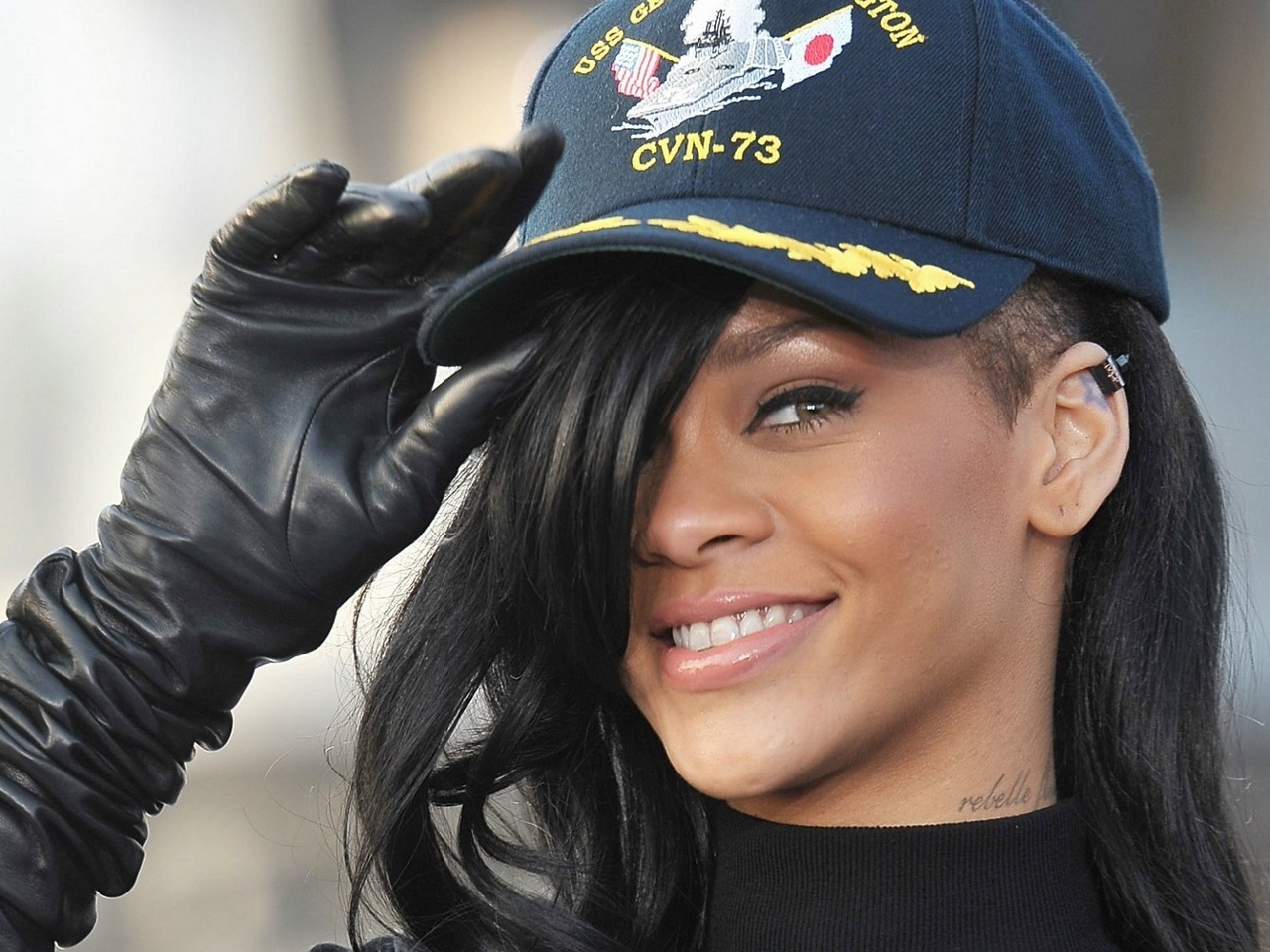
Rihanna won worst supporting actress, “by a landslide,” according to Deadline.com. Will that do anything to her overblown/overexposed/overrated pop music career? Probably not.
The 33rd Annual Golden Raspberries bashed the worst in movie making of last year, adding worst ensemble kudos to “Twilight” as the Saga said ‘So long’ with a Golden Raspberry Foundation kick to the kiester as they made their exit.
“Worst picture?” I thought the one before it was worse, and that “Battleship” and “The Paperboy” and “That’s My Boy” were worse. But the initial ballot this year showed that there wasn’t a lot of thought going into REALLY bad cinema, as if they were too busy to consider the awful stuff and were straining to find what would be a funnier nominee. I used to vote for these things, but had to shake my head a few times in recent years as they seemed to be picking on less than awful films and performers that had the misfortune of flopping at the box office.
“Silver Linings Playbook” won best picture, actress, director and screenwriter honors at the annual Anti-Oscars, the Independent Spirit Awards, handed out Saturday night in Los Angeles.
“The Sessions” won best supporting actress (Helen Hunt) and best actor (John Hawkes) honors. Matthew McConaughey won best supporting actor (“Magic Mike” was INDIE?).
“Amour” won best foreign language feature, as it will Oscar night.
“Safety Not Guaranteed” and “Perks of Being a Wallflower” won “best first” honors.
“Beasts of the Southern Wild” scored a screenplay win.
 America’s twin ills, the swollen ranks of hungry people in the country and the national “obesity epidemic” are explained, in blunt and poignant terms, in “A Place at the Table,” a new documentary about “food politics” and the forces that let “Hunger in America” make a comeback.
Filmmakers Lori Silverbush and Kristi Jacobson show us the face of hunger – the working poor of Collbran, Colorado, Jonestown, Mississippi and Philadelphia, Pennsylvania, 50 million Americans, by the latest estimates.
They talk to plenty of experts – researchers and authors who have written on the subject, a Congressman from Massachusetts for whom this is a favorite issue. There are celebrity witnesses — Jeff Bridges has been involved in this issue since the 1980s, “Top Chef” Top Colicchio has become an anti-hunger activist.
And they visit the hungry themselves – 11 year old Rosie, in rural Colorado, a bright kid living with three generations of her family, all of them working, in a tiny house – struggling in school because there isn’t enough to eat, because school lunch programs are decades behind inflation in their budgeting.
Her teacher is sympathetic, because she too endured this sort of childhood.
“It messes with you,” she says. She volunteers in a local food bank run by the righteous Pastor Bob Wilson of Plateau Valley Assembly of God, a man whose ever-expanding feed-the-hungry ministry cannot keep up with the needs of his tiny community.