

An interesting thought experiment I apply to every animated film I see is “Did they NEED to animate this story to tell it?” What justifies telling the story this way?
The vast majority of animated movies pass that test. But the anime marvel “Your Name.” gives that premise a severe workout. For much of its length, Makoto Shinkai’s movie, based on his novel, is a quirky Japanese body-switch comedy.
Mitsuha (voiced by Mone Kamisharaishi) is a small town girl who wakes up in the body of a Tokyo boy, Taki (Ryunosuke Kamiki). And the script has these naive, pimply teens reacting in ways we’ve seen in such “classics” as “Switch.”
The virginal Taki cannot believe he has “boobies,” and in Mitsuha’s body, Mitsuha’s sister is constantly interrupting “him” having his first grope.
Mitsuha is similarly shocked at what’s below her waistline. “I have to PEE” has never seemed, um, sadder.
But Shinkai’s tale takes on layers of meaning and explanation, and a modern means of communication. There’s magic in “twilight time,” by Japanese tradition. A comet is making a close pass by Earth.
And as these confused kids keep waking up, one day in their own skin, the next day in somebody else’s, they’re not just alarming their peers and parent figures. They’re determined to find answers.
A “Memento” touch. They magic marker their real name onto the hand of whoever’s body they’re in. An iPhone era twist. They can check phone logs, and one of them keeps a cloud diary on his phone. The mystery starts to unravel.
But Shinkai never spoon-feeds us the details, never over-explains what’s happening. You pick it up by paying attention, just like the protagonists.
“We’re switching places in our dreams!”
Maybe.
The plot twists into something more pulse-pounding as each figures out that they’re not just connected by body, disconnected by distance. There’s a time element, a ticking clock. That comet is a threat.
The body-switching gives Taki a “feminine side” that appeals to a sexy older employee at the restaurant where he works. Mitsuha, a mousy, put-upon mayor’s daughter, finds the masculine bravado to take baby steps, and assertive steps, when that comet threat is revealed.
And every morning’s forgetting means that there’s less and less of a chance that each will actually find the other.
Anime has a distinct, stereotypical look — wide-eyed urchins, bright, detailed water-colored imagery, slightly jerky movement and legions of Japanese school girls in their short-skirted uniforms.
“Your name.” stands out for its marvelously sketched-in views of modern Japanese life, of the city mouse/country mouse mores and traditional gender roles (donning the makeup of the Noh theater for dance enactments in a village festival).
Shinkai did not need to animate this. The big special effects are perfectly manageable in any Hollywood thriller.
But the shimmering, layered water (glistening splashes of added-light in the foreground of the scenes), the uncluttered city and idealized countryside of most anime depictions of Japan serve the film well.
There’s never been much more than a fringe audience for anime in the U.S., which suggests that Hollywood might not be long in taking a live-action shot at this story. But whatever the budget, whoever the stars, they’ll have to go some ways to top the magic managed by artists and their brushes spelling out “Your name.”

MPAA Rating: PG for thematic elements, suggestive content, brief language, and smoking
Cast: Mone Kamishiraishi, Ryûnosuke Kamiki
Credits: Written and directed by Makoto Shinkai, English script by Clark Cheng. A FUNanimation release.
Running time: 1:46
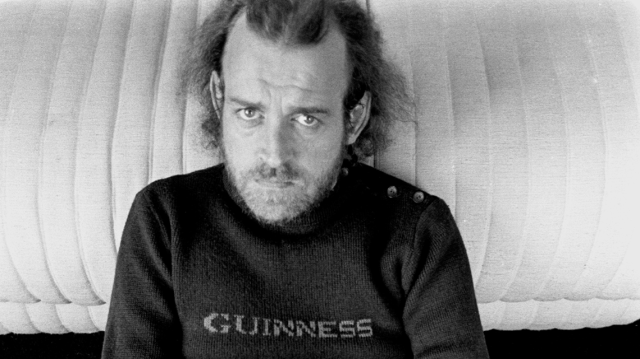
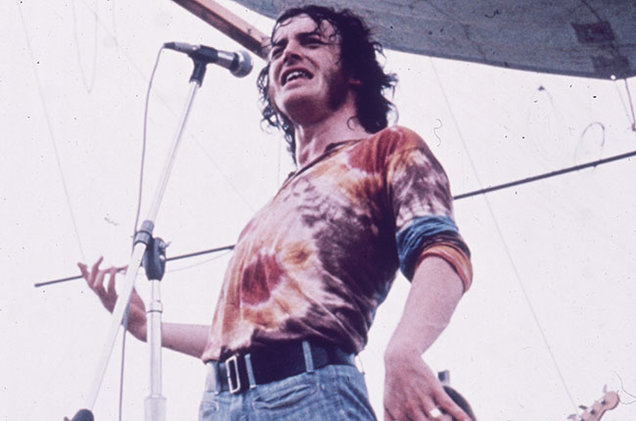 The film’s best tour guide through the Cocker epoch is hometown friend and long time bandmate Chris Stainton, who remembers the origins — he composed Cocker’s first English hit, “Marjorine,” which Joe wrote the lyrics to.


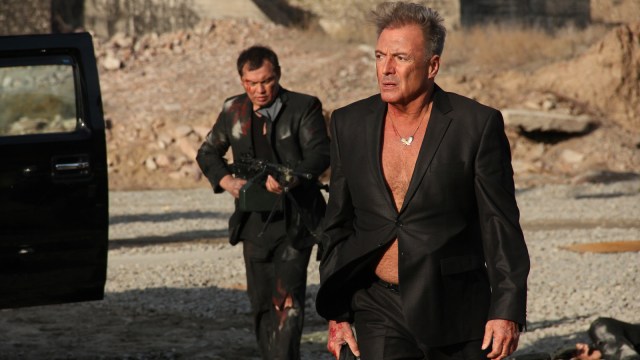

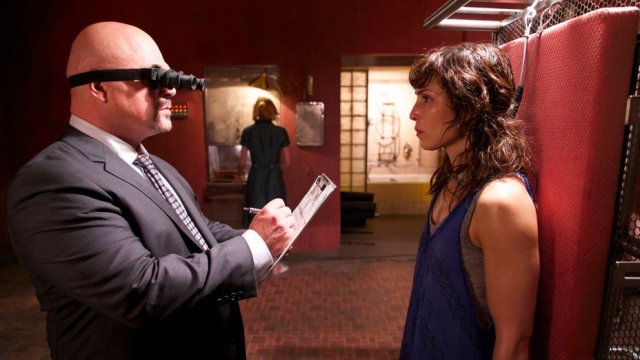

 April is shaping up as its usual placeholder in terms of the Hollywood box office. Big summer movies are just a week or so away, animation and kids’ fare is dominating, and the older audience was thrown a bone this weekend in “Going in Style.”
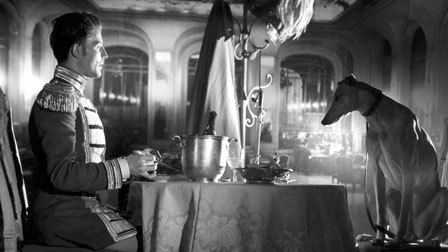
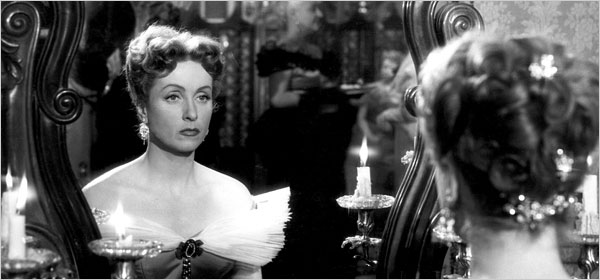
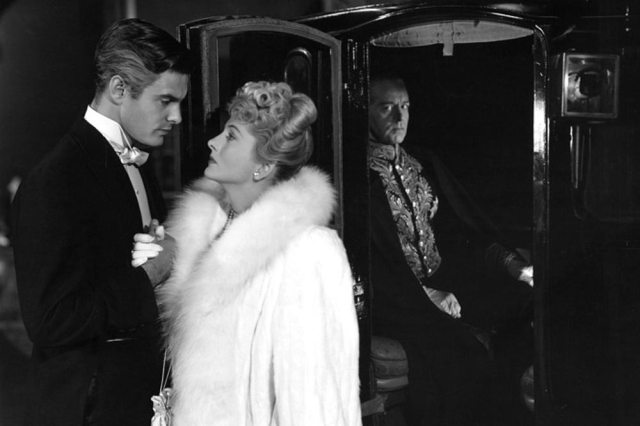
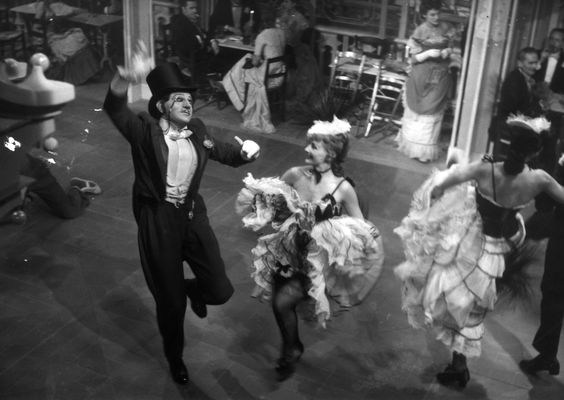 Every so often I stumble across one I haven’t seen, and instantly recognizing its origins, I’m drawn in. TCM recently ran “Le Plaisir,” a postcard pretty conceit rounding up three clever stories by Guy de Maupassant. Nightlife scenes capture a fury of activity and smokey atmosphere, a church funeral in the last episode is practically a Dutch Master painting with its use of skylights stained glass (in a black and film) and candles.


 Mostly, though, Braff and Melfi trot out endless variations of “Maybe you’re having a stroke,” and “Life is short” jokes, trite plot points about a lack of visits from distant family and F-bombs delivered for cheap laughs by three Oscar-winning screen legends.