
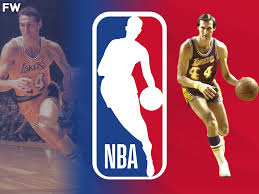
“Jerry West: The Logo” is a glossy updating of the timeworn NFL Films era formula of documentaries celebrating athletes.
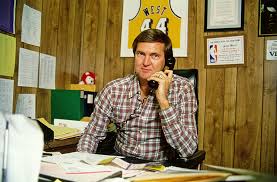
It’s officially sanctioned, touching on only the uncomfortable corners that its subject — NBA legend Jerry West — approved of. West may have died late in production (in June of 2024), but we hear first-time doc director Kenya Barris on camera and off thank people who knew West for participating.
“Jerry thanks you” too, he hastens to add on a couple of occasations.
Barris does a fine job of hitting the high points and the red letter events of West’s life in what must have seemed, even to him (he created TV’s “Black-ish”), a pretty old fashioned and downright corny hero’s journey tale.
There’s a whiff of “Hoosiers” in the story of the small town hardscrabble childhood that shaped West — abusive father, idolized older brother killed in the Korean War, but a kid who taught himself the game with a hoop nailed to a tree in the backyard of his Chelyan, West Virginia home.
The elderly West, who revisits that town and that home for the film, recalled fantasizing “big game” scenarios as he practiced his soon-to-be-iconic jump shot, focusing on pull-up jumpers where his feet landed “in the cylinder” he jumped from.
He starred for the West Virginia Mountaineers in college, a high-scoring guard and small forward leading his team to the Final Four. But a pattern was established. They lost the championship game. And West was named tourney MVP, which, as it repeated itself in his NBA LA Lakers years of losses to the Boston Celtics, was like rubbing salt in the “We LOST” wound for the hyper-competitive West.
Barris sits down with West’s second wife and sons from his two marriages, with former teammates like Kareem Abdul-Jabbar and future “Showtime” Lakers coach Pat Riley. We hear about West’s temperament and frustrations with a decade of finals losses, his self-admitted unsuitability for coaching — despite getting the Lakers into the playoffs in that role in the ’70s.
But West’s lasting fame came from his GM years, getting Riley into building the Lakers’ “Showtime” dynasty, then the Kobe-Shaq dynasty, and later still the Golden State Warriors dynasty, the one build around the greatest shooter since West, Stephen Curry.
Michael Jordan empathizes with the competitive drive, Magic Johnson shares and feels the love West didn’t openly express during their years as management/star player, and hears how West broke down at the news that Magic’s career was over due to contracting the AIDS virus.
It’s all good enough, up to a point. But we’re in a new golden age for surface gloss documentary biographies, and nobody is churning out more of those than Netflix.
West’s repeated “I don’t give a s–t” cracks about his “country” ways, temper, successes and failures don’t get us into his head. Barris questions West about the formative tragedies of his life, his moments of pride and depression over coming close but failing to achieve his ultimate goal many times. But we never feels we “get” what drove him.
Big controversies, like the team owner Jerry Buss public firing of Paul Westhead at Magic Johnson’s very public urging, and the incredibly messy way Riley became coach, are ignored.
And more simply, there’s not enough analyis of his on-court skills — how he sharpened them, who he learned from the most, how he adjusted from huge scorer to assists leader — to explain his on-the-court greatness.
Barris has an easier time underscoring West’s later-life glories. It was his own hard-won skills at sizing up opponenents on the court that made him a genius at evaluating talent and engineering draft picks (Kobe, Magic) to match with complementary trades (Shaq, et al).
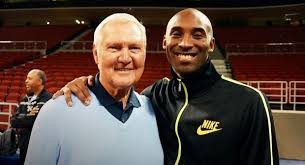
West’s Kobe “discovery” in high school was one of the great coups in pro basketball history, and his devastation at Bryant’s post-career death in a helicopter accident can be felt. West’s ability to relate, player-to-player, with Black teammates and stars he later recruited and advised for the Lakers is mentioned but not explored.
There’s just not enough of that material, too little done with the personal life, far too few Kareem Abdul-Jabbar anecodtes — he and West are the smartest guys in the room, here — revealing how his former teammate and then boss played on the court and then manuevred in the LA Forum office suites to put legendary teams on the court.
It’s all too “officially sanctioned” to come off as unfiltered and definitive.
Barris has made a good film. But this gloss-over makes the case that wee don’t need a feature film about West, that the most complicated West we’ll ever see was in TV’s “Winning Time: The Rise of the Lakers Dynasty.” And cunning front office tactitian that he was, that Jerry West was merely part of an ensemble of once-in-a-lifetime talents, role players, ownership that had to be placated and a vibrant, culture-defining “scene” that he was never really a part of.
West will be “The Logo” until some future NBA commissioner figures some photo version of Jordan, Kobe, Curry or whoever merits that honor.

Rating: TV-14, profanity
Cast: Jerry West, Magic Johnson, Shaquille O’Neal, Michael Jordan, Pat Riley, Karen West, Ryan West, David West, Stephen Curry, Rod Thorn, Jonnie West, Klay Thompson and Kareem Abdul-Jabbar.
Credits: Written and directed by Kenya Barris. A Netflix release.
Running time: 2:01


 Movie Nation