
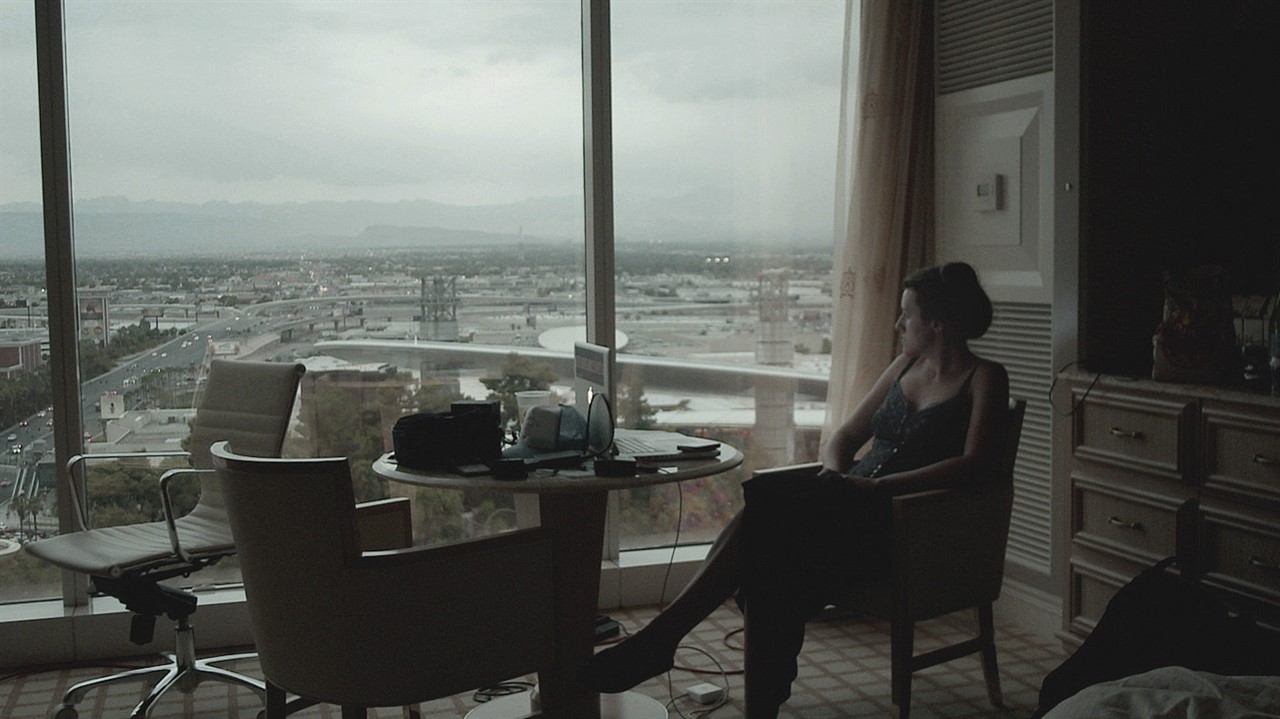
“This Much We Know” is an old-school first person essay documentary and new style “performative” bit of navel gazing about suicide, how we understand it and why Las Vegas is the “suicide capital of North America.”
But filmmaker, interviewer and voice over narrator L. (Lily) Frances Henderson — the hospice documentary “Lessons for the Living” was hers — meanders around a couple of subjects, giving us a seemingly intimate and personal film that is never quite either, despite being equal parts early Ross McElwee (“Sherman’s March” and early Errol Morris (“The Unknown Known”).
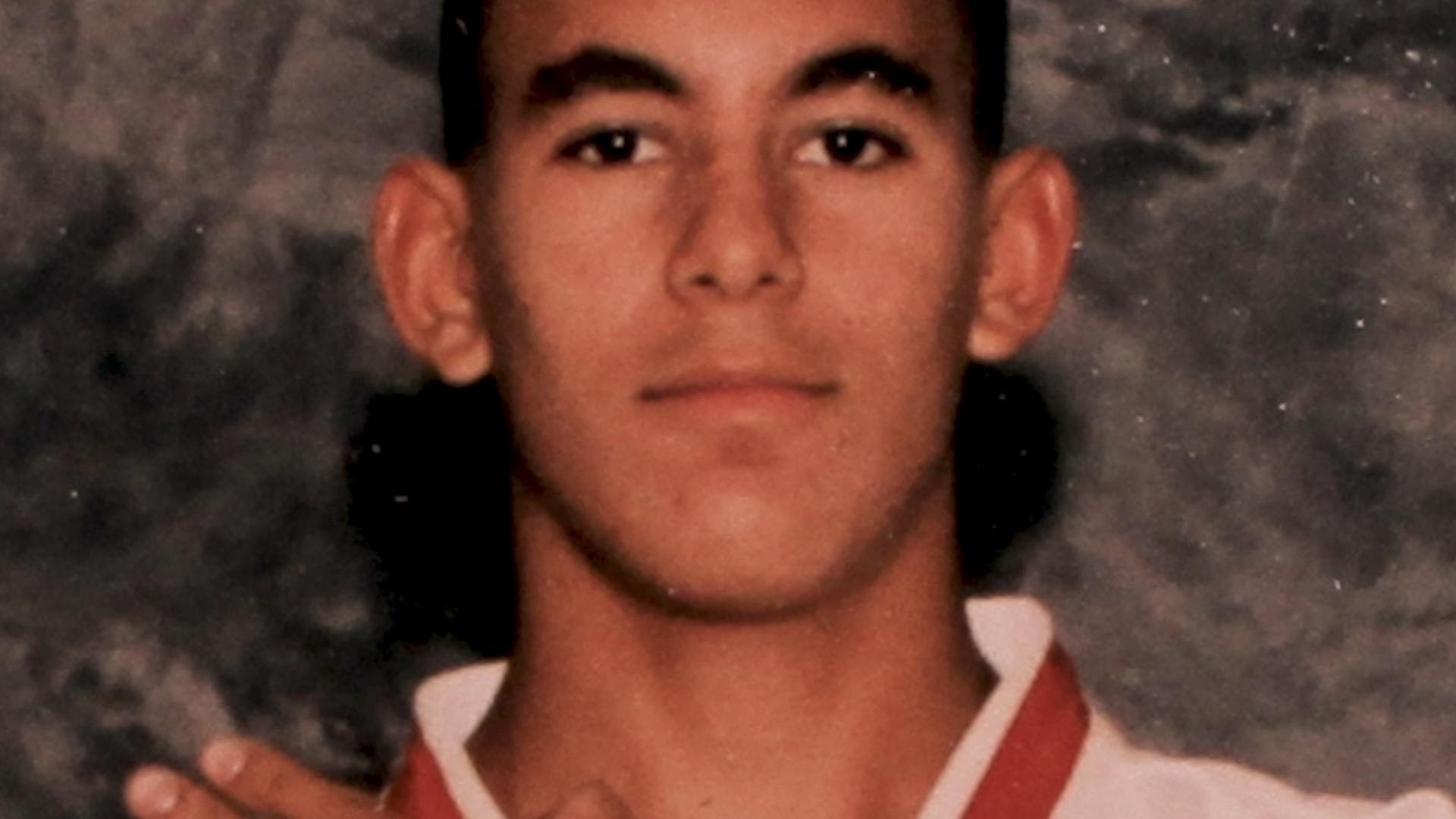
Henderson recreates the last hours of a focused, martials arts-trained teen named Levi, who ended that day by riding to the top of the Vegas Stratosphere tower, climbing over protective barriers and leaping to his death.
Henderson uses Levi’s life and actions as a means of examining the Las Vegas suicide situation, glancing in passing at the city’s gambling industry as she makes her way to the years-long debate over the Yucca Mountain Nuclear Waste Repository set up outside of the city.
Hearing from Yucca Mountain experts allows Henderson to weigh the issues of statistical probabilities, the mathematical truths, remote and otherwise, that determine the odds against accidents at the now-semi-active (it’s a political hot potato) facility, and compare that to the statistical certitude of a “suicide ruling” in a coroner’s cause of death declaration.
Yes, that’s a bit of a reach and the film never made that connection work for me.
“This Much We Know” is “inspired by” and based on John D’Agata’s non-fiction best seller, “About a Mountain,” which is about him moving to Las Vegas, digging into the Yucca Mountain waste repository issue, learning the city has the highest suicide rate in the country and apparently answering a suicide hotline phone and speaking with Levi, Henderson’s subject, hours before he took his own life, something Henderson alludes to (not mentioning D’Agata by name) in the film.
Soooo…D’Agata’s done the heavy thematic lifting and fact-finding and Henderson is just… parachuting in and riffing on his ideas? If so, she has a lot more trouble tying all this together in a coherent argument or documentary.
Long Yucca Mountain passages with one anchor interview about that aside, the meat of the movie is Henderson’s efforts to get at the big unknown in most suicides, “Why” someone did it. It’s an issue she tackles in classic journalistic fashion, getting to asking “Why” after she’s explained “Who, what, when, where and how?”
Her central argument, vaguely presented and under-narrated in Henderson’s quiet, intimate monotone (roughly one third the volume of anyone she interviews), is that there should be degrees of uncertainty about the coroner’s judgement that someone has taken her or his own life.
“Involuntary self-manslaughter,” she considers. “Accidental suicide.” The movie’s most pointed debate is with former Vegas coroner Ron Flud, who shuts down her “uncertainty,” “yes and no” “grey area” doubts, just not to her satisfaction.
What Henderson is getting at indirectly is the stigma still attached to suicide. She hears out a bullying, intemperate and off-the-record (we don’t learn his name) complaint call about doing a film about Levi, and we maybe we shake our heads at his brusque “move on/let it go/get over it” dismissal.
Henderson mentions a “friend” who took her life several times in the film, often as a means of passing on to someone she’s interviewing her connection to such tragedies and understanding of what someone who loses a loved one that way goes through. She evens shows us pictures of the blonde woman who shot herself and ponders what one unguarded photo might say about her state of mind.
But while she takes pains to identify Levi Walter Pressley in full, interviewing his still suffering parents (his mother consults a spiritualist), Henderson never names that friend, stigmatizing her death and treating her suicide with a delicacy not applied to her study of Levi and interviews with friends and family.
As to “Why,” at the end of the day and the end of the movie, she can’t know and we can’t know, despite her study of and many citations from French sociologist Emile Durkheim’s groundbreaking 1895 book “Suicide: A Study in Sociology.”
Maybe that book would have been easier to get an uncluttered, thematically-compact film out of than “About a Mountain” and vague notions of what risks and uncertainties we as a culture are willing to take as they relate to suicide and nuclear waste storage.
Whatever D’Agata managed Henderson just doesn’t pull off.

Rating: unrated
Cast: and Lily Frances Henderson, who also narrates.
Credits: Scripted and directed by L. Frances Henderson, inspired by “About a Mountain,” by John D.Agata. An Oscilloscope Labs release.
Running time: 1:50



