Movie Review: A career in fast food comes to an end, “Last Shift”

There’s a fast-food analogy for writer-director Andrew Cohn’s “The Last Shift” that’s too obvious to pass up.

It’s gassy, not as nutritious as advertised, and in the end not at all filling.

This is the debut fictional feature for the documentary filmmaker, and he found a little-filmed blue collar milieu and a winning cast to tell his story of marginal lives and “white privilege” at the lower end of the economic spectrum. But he blows it.

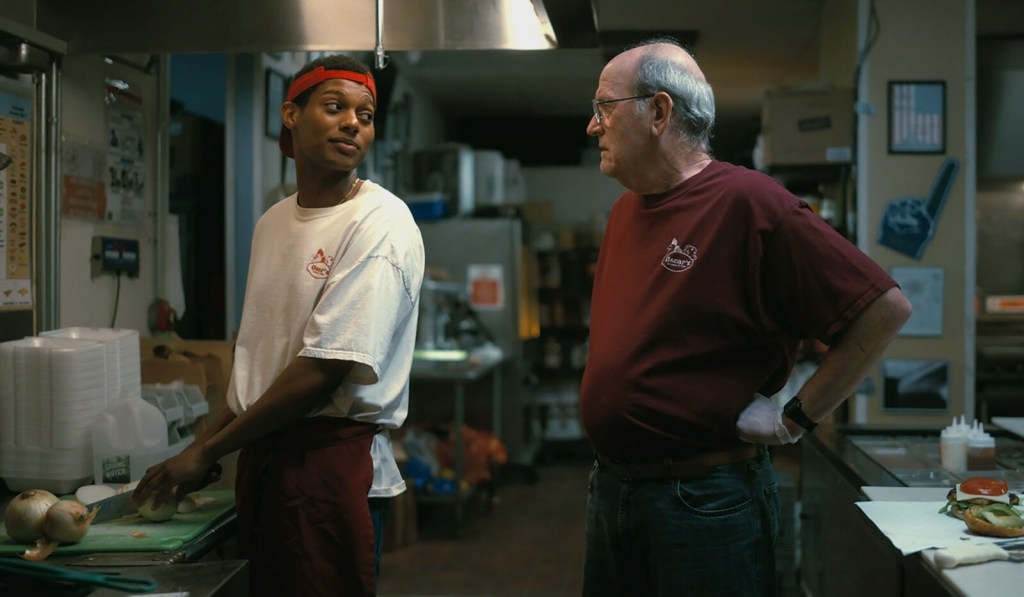
Veteran character actor Richard Jenkins (“The Shape of Water,” “The Visitor”) has a rare lead role as Stan, “Stan the Man,” an Albion, Michigan legend at Oscar’s Chicken & Fish.

It’s a regional fast food joint that has held on through decades of challenges by every new chain that’s opened in that “strip” that every town in America has — the highway where KFC, McDonald’s, Wendy’s and their ilk peddle their wares, side-by-side-by-side.

Oscar’s has held on by being cheap and never changing. Who knows how long ago their big illuminated marquee blew out? Never got it fixed.

Stan’s a “legend” because he’s held down the graveyard shift, 10-6, “drive-thru only,” for decades. And now, after 38 years, he’s calling it quits.

Little pieces of his character emerge. He grew up here, went to the high school and isn’t above joshing with the winless football team’s slackers who pull up at his window. He knows everybody.

“I didn’t get this smart by being stupid.”

Everybody laughs, and they’re not necessarily laughing with him. He’s a town character, scraping by on a low-paying job because he’s sort of on-the-spectrum.

He’s not smart, never finished high school, and the fact that he hangs with his old high school buddy Dale (Ed O’Neill), and both of them are well over ’60 tells us they never left town, never outgrew the place and that Dale has a lot of tolerance for Stan’s dopiness.

Hanging out with the guys means beer, but not for Stan. He’s a Diet Squirt man.

Shane Paul McGhie of TV’s “Deputy” and “Greenleaf” plays the guy Stan’s supposed to train to take over. Stan’s boss Shazz (Da’Vine Joy Randolph) is adamant about that. Stan may have been there forever, reliable to a fault. But he can be replaced. He’s not so sure.

“Some people turn up their sleeves, and some don’t turn up at all.”

The kid, Jevon, is witty and pretty, dropping droll wisecracks as Stan walks him through “where the magic happens,” and stresses strict separation of chicken and fish prep.

“Separate but equal,” Jevon cracks.

Stan’s got a sixth sense about what kind of dipping sauce people will select at the drive-thru window. He’s “the sauce whisperer,” Jevon offers. Nothing. Over Stan’s head.

But Jevon needs this job more than his careless attitude allows. He’s on probation. He did something stupid, and now he’s got a record. He’s also a baby daddy, which at his age and with his promise, counts as a second “stupid thing.”

Birgundi Baker plays Sydney, his girlfriend — just as smart, and years more mature about what they need to do to fulfill their promise and raise their little boy, Carter. Jevon’s still slacking off, hitting the chronic with his boys.

He can dismiss Stan with an, “If I’m still here at your age, put me in the ground.” But what will he do to change his fate? He can’t even pee in a cup without losing his probation.

Jevon tries to alert Stan to the way he’s been exploited all these years. Stan tries to get Jevon to take the job seriously, read the employee’s handbook and get the details right. Don’t serve an undercooked burger. Do be polite.

Their back and forth gets into race and “privilege.” Stan’s under-developed “future plans” and Jevon’s inability to even think about a future collide. And we’ll see where “privilege” gets either of them.

Cohn brings a documentarian’s eye to this humblest of workplaces, but his character development leaves a lot to be desired. Stan is both a “type” and a clumsily articulated version of that “type.” When you cast a 70something as a still-struggling-to-meet-the-rent fast food worker, you’re looking at a tragedy, not a quirky comedy with a message.

Jenkins is one of my favorite actors, but this strikes me as one he should have passed on.

McGhie comes off better, but his character’s background is sloppily sketched-in. Are we laying his missteps in botching a promising future on pot, self-created “pressure” from poor decisions, or being too clever for his own good?

A little of all that is in play, but it doesn’t really work. We can’t figure him out from watching his family dynamic or the way he relates to Miss All Business, Sydney.

That said, “The Last Shift” is still an intriguing failure, a project that started with good intentions, the KFC Cheeto’s sandwich of indie cinema.

MPAA Rating: R for language and some drug use

Cast: Richard Jenkins, Shane Paul McGhie, Birgundi Baker, Da’Vine Joy Randolph and Ed O’Neill

Credits: Written and directed by Andrew Cohn. A Sony release.

Running time: 1:30

Posted in Reviews, previews, profiles and movie news | Comments Off on Movie Review: A career in fast food comes to an end, “Last Shift”

Movie Preview: Did Guy Pearce steal “The Last Vermeer?”

This fall release covers some of the same ground as “Monuments Men” and the documentary “The Rape of Europa.”

Looks intriguing.

Posted in Reviews, previews, profiles and movie news | Comments Off on Movie Preview: Did Guy Pearce steal “The Last Vermeer?”

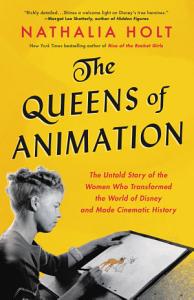
Book Review: Disney animation history, this time seen through the women who made it great — “The Queens of Animation”

Writing for a newspaper in Disney Town, aka Orlando, the company’s long filmmaking history became one of my beats.

If an animated classic was being re-released or offered up in a new medium (DVD, BluRay), I’d knock out a story — often getting some of the surviving legends, suggested by the studio, on the phone for a quick chat.

The composing duo “The Sherman Brothers” Roy E. Disney and other veterans of the studio’s Golden Age, its formative years from the ’30s’ to the ’50s, would offer insights and anecdotes.

Any time one of Walt’s famed “Nine Old Men,” animator-loyalists there from the beginning, and men who crossed picket lines to stick by him during Disney’s labor disputes in the ’40s died, I’d get Frank and Ollie (Frank Thomas and Ollie Johnston) to offer their memories of what made that Disney Legend special.

But the company’s history, still being peddled until quite recently, had been scrubbed of the vast contributions of women artists who were on the payroll, overshadowed, underpaid, resented when they dared to shine. Nathalie Holt’s “The Queens of Animation” is the latest book to tackle this discrepancy, and it’s an eye opener.

Others have written about the Ink & Paint Dept., overwhelmingly female, with artists there sometimes promoted into higher status jobs. Holt grabs onto the stories of a series of pioneers — stand-outs whose huge contribution wasn’t credited on screen or in their pay envelopes.

She tracks these women from “Fantasia,” “Dumbo” and “Bambi” to “Brave,” “Mulan” (the superior animated musical) and “Frozen.”

A lightly-regarded ballet by Tchaikovsky had made its North American premiere, with little fanfare, in the early ’30s. But it was Bianca Majolie who latched onto the enchanting “Dance of the Sugar Plum Fairies” and had a huge hand in shaping the stand-out sequence in Disney’s concert cartoon, “Fantasia.” You can trace the Christmas tradition that ballet enjoys to that film popularizing the music, and right back to her.

Majolie worked on “Pinocchio,” and her work on a short about “Elmer Elephant” put her in an important position on “Dumbo.”

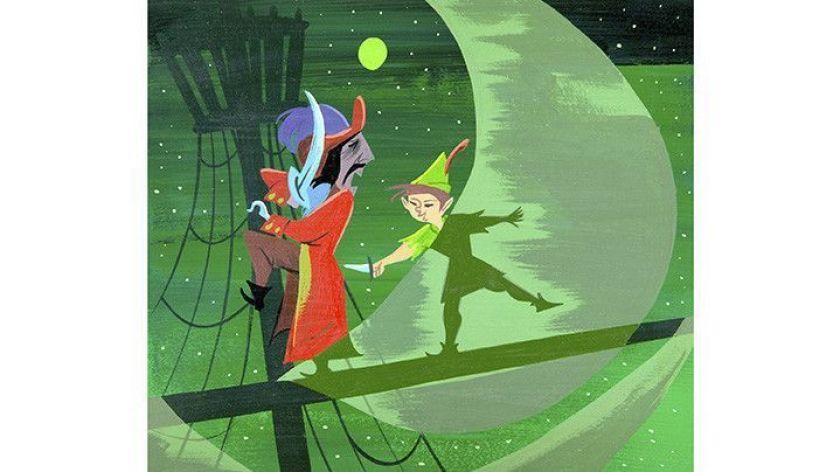
Artists like Majolie and Retta Scott, Grace Huntington, Sylvia Holland and Mary Blair broke into “the boy’s club” at Disney, adding grace notes, character depth and novelty to the studio’s great films during its early years.

A deer at the San Diego Zoo is about to give birth? Send Bianca down there with a sketch pad! Cinderella needs a fashion-forward “modern” look? Leave that to Mary Blair.

And on and on it went, women playing key roles in making some of the most beloved films ever released, unheralded and almost unknown, laid off and rehired, struggling to get by on vastly inferior salaries, but making themselves seen, and eventually heard.

Holt uses personal letters and access to Disney’s famous, stenographer-covered story meetings — long, hash-out the plot, problems with characters and design sessions — to build this story.

It’s not the most complete history of Disney animation. She only focuses on some of the big female names left out in “Nine Old Men” oriented accounts. But it’s hard to see how any future books on the decades of struggle, triumphs, flops and comebacks that marked what is now one of the world’s most valuable companies and brands will be able to omit these Disney Legends.

“The Queens of Animation,” by Nathalia Holt. Published by Gale/Thorndike Press, 541 pages, $15 via Amazon, eBay, online.

Here’s a short video of Disney Legend Mary Blair’s vast impact on the studio’s look, from animation to theme park rides.

Posted in Reviews, previews, profiles and movie news | Comments Off on Book Review: Disney animation history, this time seen through the women who made it great — “The Queens of Animation”

Saturday Pandemic Matinee

In a half-dead mall, with a long-on-life-support Regal Cineplex let’s catch “Late Shift” in the town where star Richard Jenkins’ sister lives, scenic Oviedo, Florida.

I’ve profiled RJ a few times, never fails to mention his sis, though her name escapes me at the moment.

Maybe I’ll catch “Infidel” too. Not if I have to pay for it, though. I have a firm “No Dollars to Dinesh De Douche” rule.

Posted in Reviews, previews, profiles and movie news | Comments Off on Saturday Pandemic Matinee

Documentary Review: Finding meaning, shedding the self, “Chasing the Present”

There are fatal flaws with any movie about a journey of “self-discovery,” be it “Eat Pray Love” or “Razor’s Edge” or documentaries on “losing the ego” in a traveling spiritual quest (“The Last Shaman,” “The Look of Silence”). It’s the unmistakable stench of privilege that underwrites our tour guide, the indulged egotism of the “quest.”

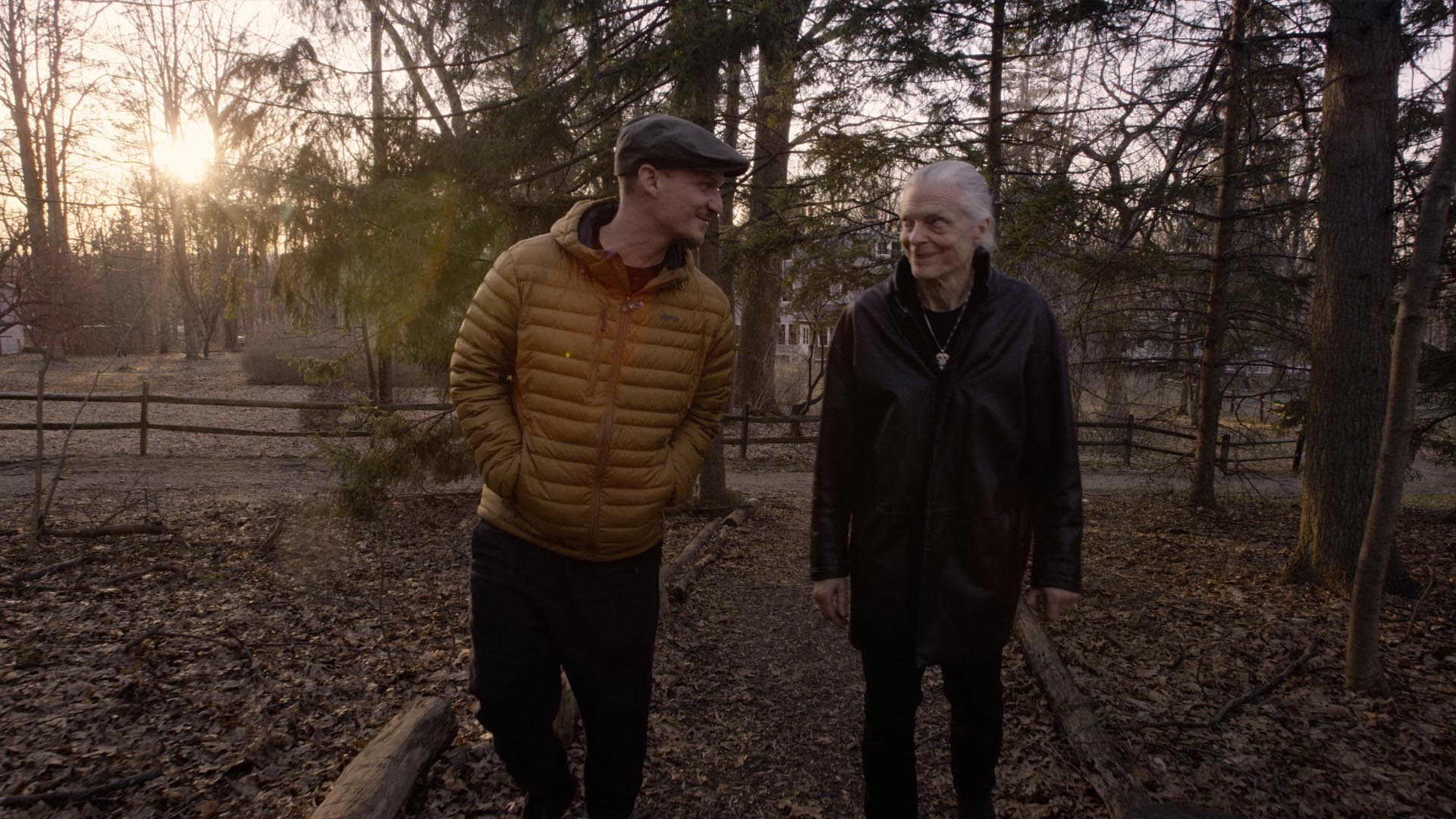
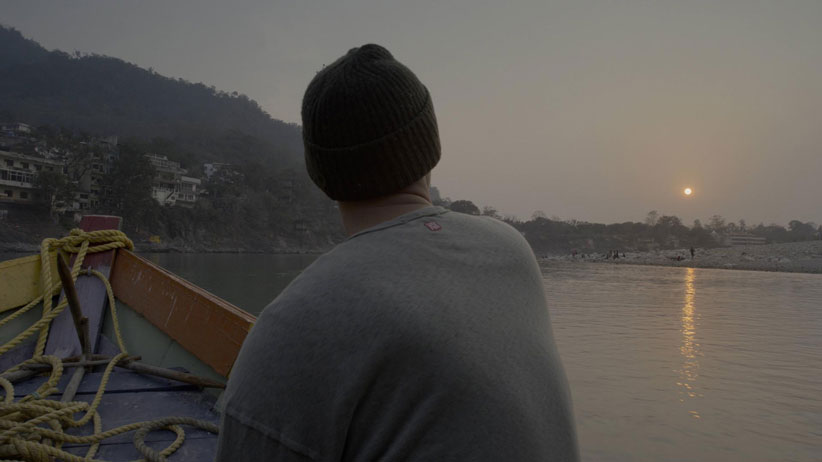
James Sebastiano Jr. is an American-born recovering addict and Balinese vegetarian restaurateur/hotelier who took off on a circumnavigating search for an end to the anxieties that have both scarred and driven his life.

And good on him for looking for answers, “reasons” for the way he was and the fears that dog him still.

Sebastiano commissioned a documentary filmmaker, Mark Waters (“The Salt Trail”), to follow and collect gorgeous travel footage of his experiences and document his interviews for “Chasing the Present.”

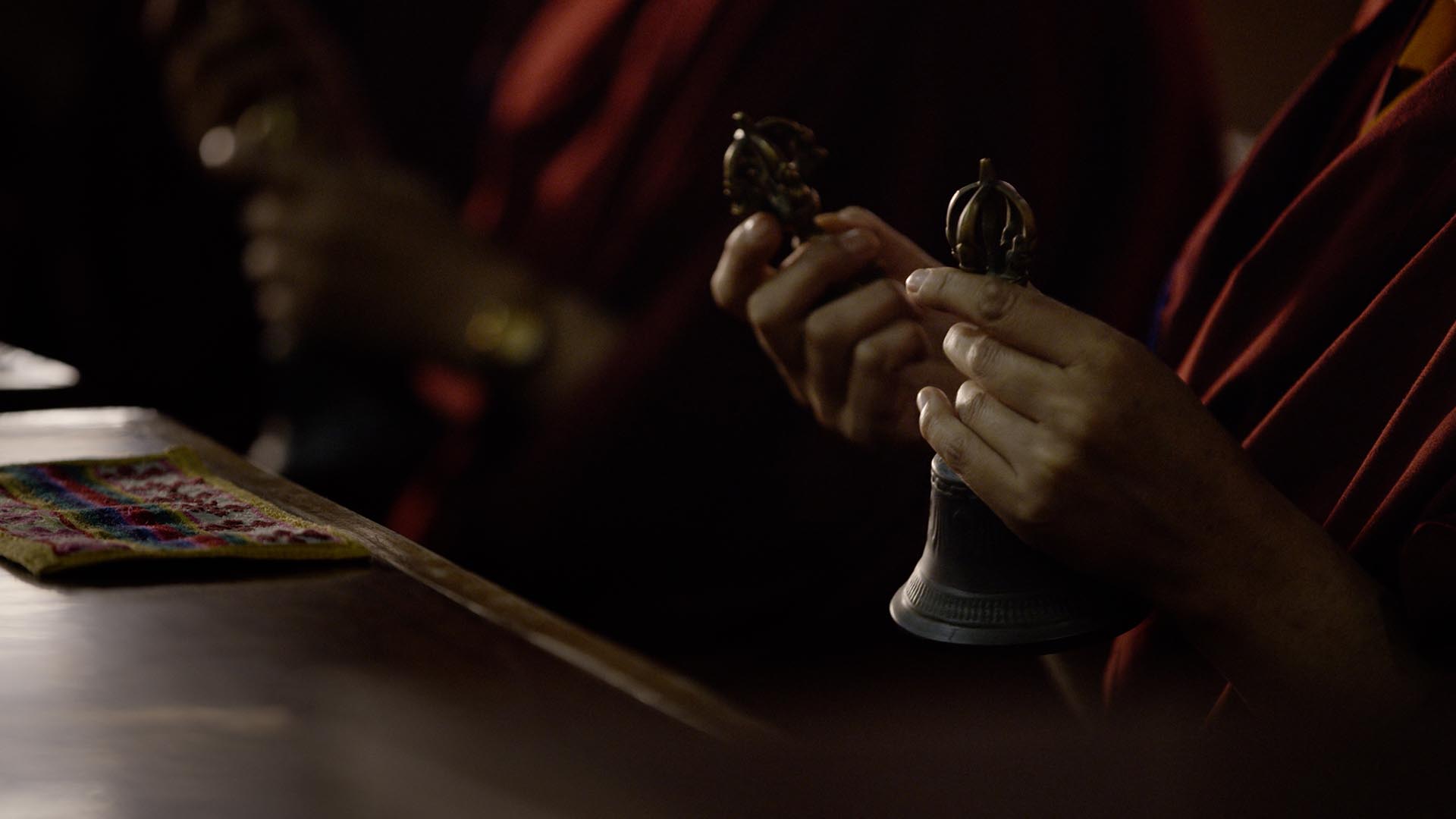
He talked to gurus, teachers, philosophers and therapists, dropping tales of his vast travels into his conversations with them. He sampled ayahuasca in the Amazon and meditated in a monastery in India.

“It’s not so hard to go to India for a month,” Sebastiano muses at one point, “not working,” shedding anxiety, thinking, accessing a famous Brazilian-born guru (Sri Prem Baba), questioning experts, say, the comic and comic actor turned philosopher Russell Brand.

And the understandable reaction of the vast majority of an anxious, struggling humanity — even some of the target audience of such a film — might be, “Oh REALLY?”

Chatting with his father, James Sr., at a New York diner, we smirk at Dad’s side-eye, wince a little at Dad’s “I can fix your anxiety…a little right hand or left hook...You will be HEALED!”

It doesn’t utterly devalue “Chasing the Present” to be a bit put-off by our navel-gazing host. As diffuse as the messaging is here, about “ego” and “The I,” “consumerism” and global “suffering” connected to it, the need to disconnect from the “self” and acknowledge “the existential emptiness” the way most of us are living, it’s fascinating to take a step back and examine that as the film is offloading opinions, teachings and theories. Many of them.

“The ego must be crystallized to be dismantled,” counsels Sri Prem Baba.

Teacher Joseph Goldstein (virtually everyone interviewed is male) advises Sebastiano and us to look at the rage and unhappiness in the world (the film was finished pre-pandemic, but in the middle of the world’s latest flirtation with nationalism and fascism) and “instead of seeing it as craziness, see it as suffering.”

And Brand (“Forgetting Sarah Marshall,” “Arthur”), whose life and career have undergone a serious change of direction since he started musing over spirituality, consumerism and politics, advises, “Stare too long in a mirror and you’ll freak yourself out.”

Sebastiano has to find a way to “be present” for his anxiety and learn that “suffering’s an illusion.”

Maybe he has. But I have to say his scanty back-story — addicted to coke and other drugs in his early teens, moving to Amsterdam after college in Florida (U. of Miami? Just guessing, dude.), “flatlining,” restarting his life in Bali — just made me grit my teeth at how indulged he was, and how much better the movie would have been had he checked his ego, pitched the film to Brand and joined him and Waters for the same journey.

Because all the other interviewees from the self-help/self-actualization Meditation Industrial Complex can seem self-serving. The most interesting and famous guy to go down this rabbit hole, the one most given to calling out poseurs, including himself, is Brand.

Without him, this is just talking heads and pretty pictures and one guy’s “problem” being solved by limitless travel and resources.

MPAA Rating: unrated, some profanity

Cast: James Sebastiano Jr., Russell Brand, Gary Weber, Sharon Salzberg, Rupert Spira, Joseph Goldstein, Jose Lopez Sanchez

Credits: Directed by Mark Waters. A 1091 release.

Running time: 1:33

Posted in Reviews, previews, profiles and movie news | Comments Off on Documentary Review: Finding meaning, shedding the self, “Chasing the Present”

Movie Review: Low-lifes scheme to collect “Two Hundred Thousand Dirty”

“Two Hundred Thousand Dirty” is one of those low-rent Tarantino knock-offs that we used to see in film festivals all over North America.

A ready acknowledgement that the filmmaker’s seen “Reservoir Dogs,” an incompetent nod to “Pulp Fiction,” with maybe a little Tarantino-by-way-of-David-Mamet in the dialogue, at least he’s trying to steal from interesting work.

Lots and lots F-bombs litter the script, a “tell” that the characters we’re dealing with are inarticulate and that the screenwriter’s lazy.

There’s a failing mattress store in some dying Southwestern strip mall, a hard luck salesman with a side hustle dressing up as a bunny for birthday parties or S & M role-playing gigs, a femme fatale and a murder-for-hire, maybe two.

Rob, played by Mark Greenfield, needs a lot of pulls off his cigarette to buck up for one more bunny gig. And this one, it turns out, was unknowingly-booked by his girlfriend (Kittson O’Neill, who is a dominatrix.

He lives with her. How does he not know that? And she has to know he does bunny gigs.

Never mind.

Their argument and break-up is just the first serving of f-bombs of Rob’s effed-up day. Selling mattresses for Preston (Kenneth McGregor) is no walk in the park. No customers, endless smoke-and-gab breaks with his pal Manny (Coolie, in his weirdest hairdo ever), it’s a wonder either of them draws a salary.

Martin (C. Clayton Blackwell in what looks like a very bad wig) another “name tag,” apparently from a garage down the street, sits in on these sessions, further infuriating foul-mouthed Preston. Corporate, he says, wants him “to hire a woman, see if she picks the numbers up.”

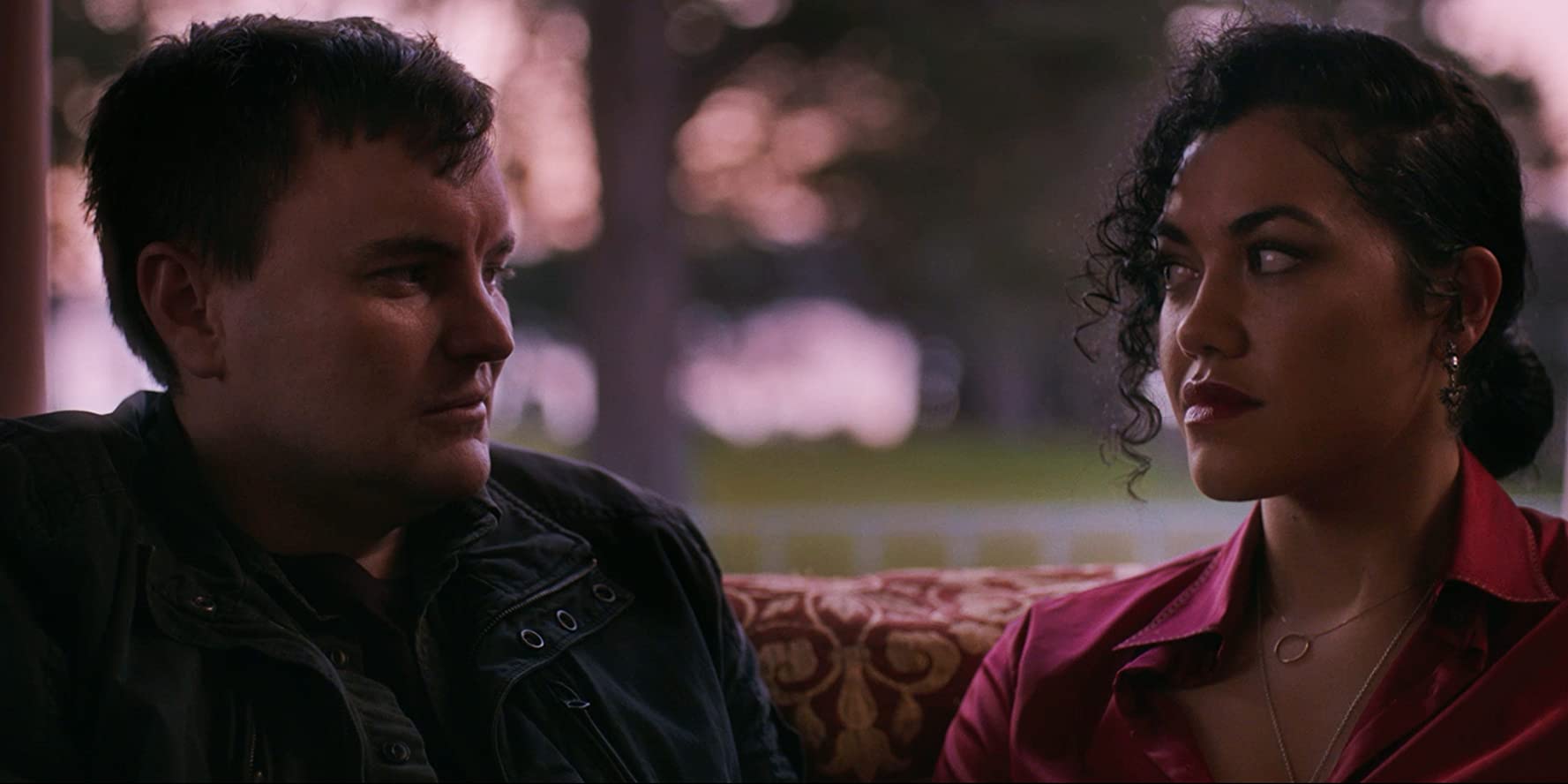
That brings in the exotic, beautiful Argentine Isabelle (Rocío Verdejo). And that’s where the trouble really begins.

Rob should see her coming, but if he did, this wouldn’t be the arc of his life. He should look in the mirror and know she’d never give him a second glance, even if they’re neighbors in addition to co-workers.

He should hear it in the “long story” she never wants to go into, about her marriage. And he sure as hell should back off the instant she says, “I want you to kill my husband.”

The driving force of the many film noirs this set up is borrowed from is sex, literal “Body Heat.” But writer-director first-time/only-time writer-director Timothy L. Anderson and his players can’t manage that.

Letting us see Isabelle’s revulsion at Rob’s Simpsons-esque table manners is giving away what has never been hidden.

At least there’s the comic and amoral planning of the crime. Rob’s seen some movies, and “when dudes get away with it on TV, they’ve got a team.”

Rob, Manny and Martin aren’t much of a team. Mistakes are made, including some by “the husband (Spencer Rowe).

They’re “colorful,” but only barely. The characters are just sketched in and the performances don’t add much to those sketches.

The dialogue is a lot of “You know what I’m sayin” and “THAT’s what I’m talkin’ about” and f-bombs, pages and pages of them.

We’ve thought the phrase long before somebody says “I’ve got a bad feeling about this.”

I like the milieu, and heaven knows this corner of American working life is never represented on screen. But these amoral clowns aren’t funny enough to fret over, aren’t likeable enough to root for, and their “plan” — amusing twist aside — is so dim-wittedly realistic that it’s dull.

Tarantino-esque arguments about the movie they’re trying to copy — “This isn’t like the f—–g ‘FUGITIVE!'” — doesn’t make “Two Hundred Thousand Dirty” pay off.

MPAA Rating: unrated, violence, profanity, smoking, alcohol

Cast: Mark Greenfield, Coolio, Rocío Verdejo,C. Clayton Blackwell, Kenneth McGregor and Spencer Rowe

Credits: Written and directed by Timothy L. Anderson. A Corinth Film, an Indiepix release.

Running time: 1:29

Posted in Reviews, previews, profiles and movie news | Comments Off on Movie Review: Low-lifes scheme to collect “Two Hundred Thousand Dirty”

“The Trial of the Chicago 7” coming next month on Netflix

Posted in Reviews, previews, profiles and movie news | Comments Off on “The Trial of the Chicago 7” coming next month on Netflix

Movie Preview: Dystopian “sickness” haunts “2067”

Time traveling to find a cure? Australian thriller coming soon, with Kodi Smit-McPhee.

Posted in Reviews, previews, profiles and movie news | Comments Off on Movie Preview: Dystopian “sickness” haunts “2067”

Movie Review: Vengeance is mine, sayeth the stalker-shrink in “Guilt”

“Guilt” is an Australian vengeance fantasy about a former child trauma psychologist turned pedophile-killing vigilante.

In the parlance of the happy natives of Oz, it’s bloody awful.

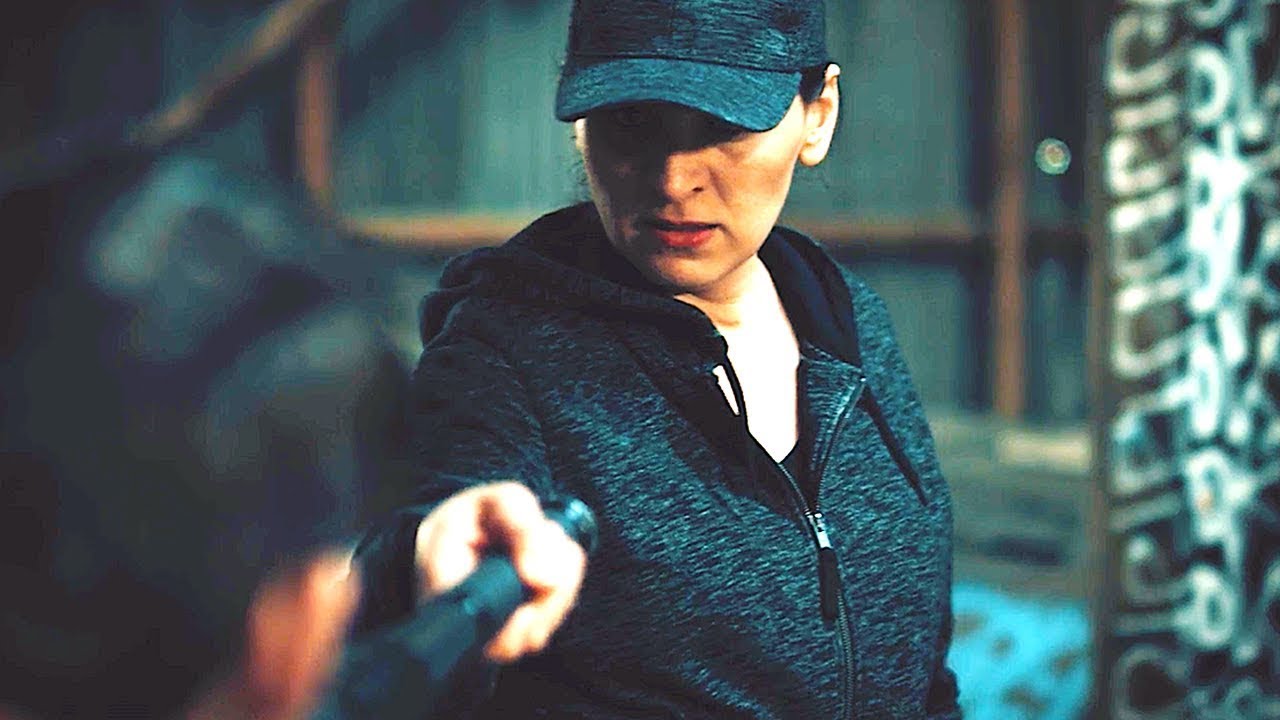
It’s a violent thriller that suspends suspense in favor of endless scenes of heroine Jessie (Janet Shay) plotting, stalking, trapping and killing just-released convicted child molesters and burying them in the woods.

She’s got a pickup truck (“ute”) for just that purpose. And she’s so obsessed that we see she’s neglecting her personal life and maybe her now-adult-focused practice.

The woman doodles murderous thoughts as this mother of a victim or that one reveals the emotional damage these crimes have wrought. Might have been nice to be listened to and, you know counseled.

The film introduces an intrepid cop who might be on her trail, but she’s forgotten for most of the film. There goes that “ticking clock,” “long-arm-of-the-law closing in” element.

Even the “Death Wish” screenwriters had the good sense to work that in.

And “Guilt” brings up the possibility that maybe not everybody accused or even convicted of the crimes is guilty, with the idea that Jessie starts to experience remorse. Maybe? Hopefully? Fat chance.

This appears to be Shay’s feature film debut, and while she’s good at the savagery, the other emotions one might expect to flash across Jessie’s face don’t.

It’s a one-note performance, and that note is dissonant and dull.

MPAA Rating: unrated, graphic violence

Cast: Janet Shay, Hayley Flowers, Tom Wilson and Michael Matthews

Credits: Directed by Karl Jenner and Lyndsay Sarah, script by Lyndsay Sarah. A Cobalt release.

Running time: 1:42

Posted in Reviews, previews, profiles and movie news | Comments Off on Movie Review: Vengeance is mine, sayeth the stalker-shrink in “Guilt”

Movie Review: Kiwi stoner talks to the “Dead”

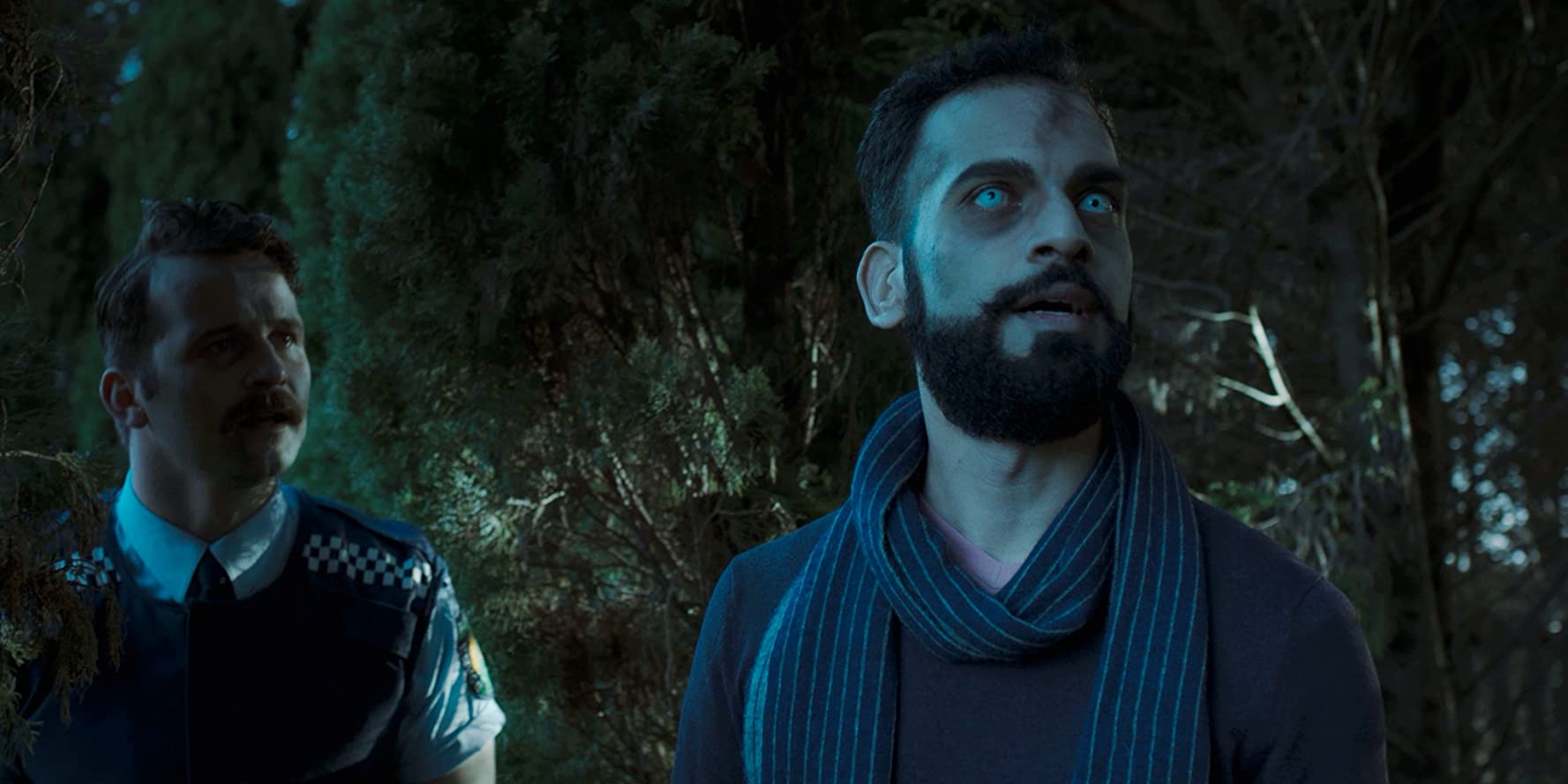
As dark comedies about communicating with ghosts go, “Dead” falls closer to “The Frighteners” than “Ghost Town.” It’s funny enough in a stoner comedy way, but as its got a serial killer in it, well, you see my point.

Written by and co-starring New Zealanders Thomas Sainsbury and Hayden J. Weal (who also directed it), this funny film struggles to strike a balance between the daft and the dark, between sweetness and slaughter.

Sainsbury is Dane “Marbles” Marbec, a grinny “coaster” (slacker) who rides a dorky motor scooter when he goes to visit the recently bereaved. He’s there to serve as a “conduit” between the ghost and those that ghost left behind.

No, he can’t properly pronounce “conduit” and yes he mixes up “consolation” with “constellation.” Because he’s a bit dim and pot-addled. Half the time, he doesn’t even charge his “clients” for consulting with them, seeing if he can help the dead “pass over.”

As we remember from oh-so-many variations of “The Tibetan Book of the Dead” (“Ghost” et al), sometimes the dead have unfinished business. Usually, it’s just a tearful admission of love, and sweet stoner Marbles is just the man to deliver that message.

But then this cop, Jason Tagg (Weal) wakes up with no pants and a lot of questions. He’s not even in proximity with his body. How could he be dead?

There was this one pothead he rousted a time or two, guy who claimed he could speak to ghosts. Maybe he’ll help.

Marbles takes an injection — his own accidental discovery — and “I see ghosts.” He wants nothing to do with this Wellington policeman’s last case. He’ll be a “con do EET” for the guy to say farewell to his half-sister Yana (Tomai Ihaia). But that’s it.

Events conspire to convince him otherwise, and soon they’re on the case — the tough veteran of the force and the doughy, accident-prone pothead who is little more than “untapped potential.”

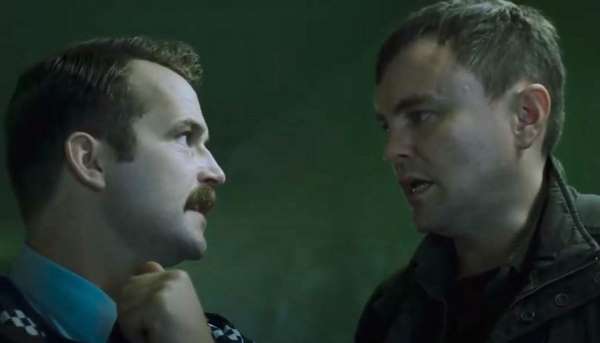
Sainsbury, of  the recent “Guns Akimbo” and the dizzy and just-released “Alien Addiction,” makes a marvelously-passive foil to Weal’s muscular, mustachioed cop Tagg.

But their “Dead” pairing never feels as conventional as that set-up suggests. Marbles may not know how to pronounce “insignia,” but he’s observant, loyal and compassionate. And Tagg has his soft side, along with intimacy issues.

Tagg’s edgy, alcoholic lawyer sister Yana might be just another person to push Marbles around, but she picks up on his vulnerability and his on-the-spectrum awkwardness and is charmed, a not entirely-unexpected turn of events.

The later acts see “Dead” turn a tad stiff (ahem) and violent, but losing its early comic momentum is a common film failing, and they did choose to have serial killing as a major plot point.

All in all, thought, you can’t say this latest dark Kiwi Comedy lets down the brand or the side.

MPAA Rating: unrated, violence, drug abuse, innuendo

Cast: Thomas Sainsbury, Hayden J. Weal, Tomai Ihaia, Jennifer Ward-Lealand, Jess Sayer and Kayne Peters

Credits: Directed by Hayden J. Weal, script by Thomas Sainsbury, Hayden J. Weal. A 1091 release.

Running time: 1:31

Posted in Reviews, previews, profiles and movie news | Comments Off on Movie Review: Kiwi stoner talks to the “Dead”