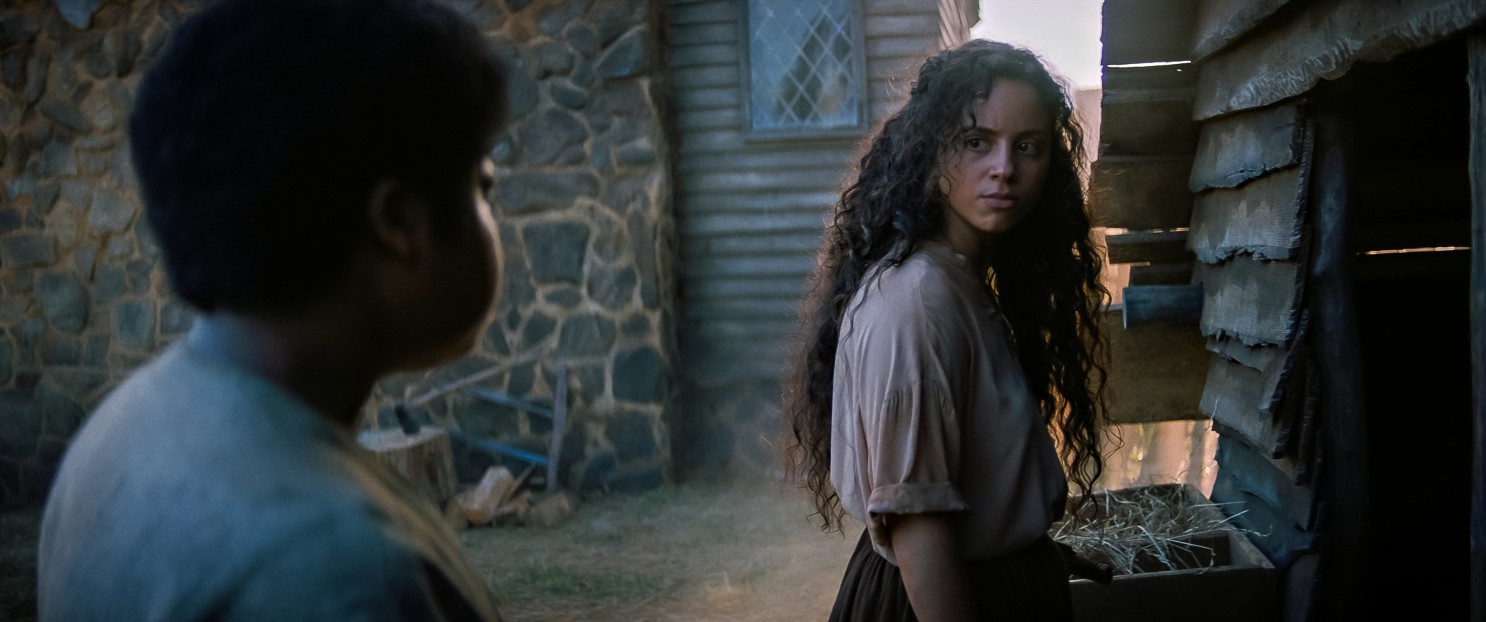
This is the Ireland/UK trailer for this August release, a post-climate apocalypse romantic thriller about people losing themselves in nostalgia, a past they can isolation-tank themselves back to, as the planet couldn’t get its act together in time to stave off disaster.
Seems prescient, cautionary, and not necessarily like an “escape to the movies.” But we do love our dystopias.
“Westworld” producer Lisa Joy wrote and directed this August 20 release.
You’ve got to hand it to the screenwriters who brainstorm the ever-more-elaborate ways to off people in these clockwork killing pictures — the “Saw” series and their evil stepchild, the “Escape Room” movies.
Are escape rooms still a thing? I see abandoned versions of such enterprises in empty malls I pass through. A fad that’s done?
Doesn’t matter. Knowing what they are and how they work is the lingua franca of this tiny corner of horror.
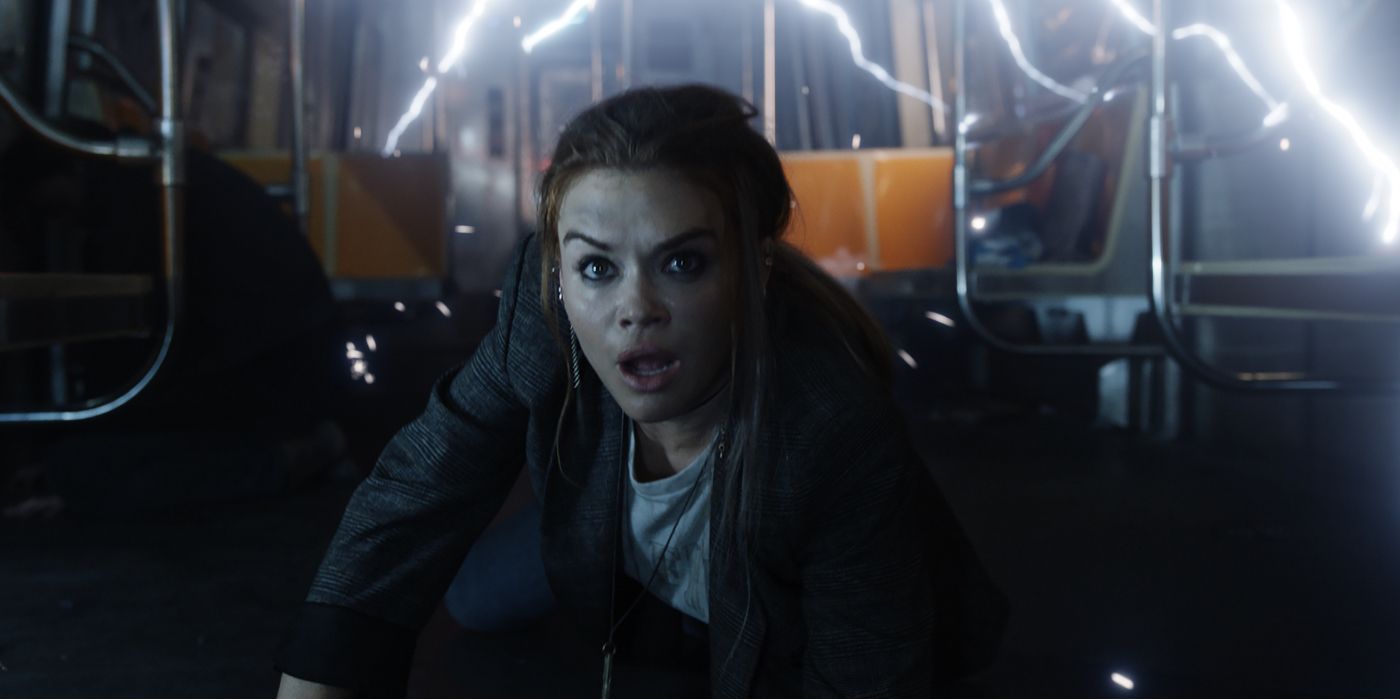
“Escape Room: Tournament of Champions” serves up death by electrocution, (literal) acid rain, mechanically-engineered quicksand, laser slicing and drowning in just 89 minutes.
Who could live through that? This is, of course, the whole point.
We had two survivors from 2019’s “Escape Room,” not to be confused with several other variations of that title. Puzzle-whiz Zoey (Taylor Russell) and nerdy Ben (Logan Miller) solved the murderous puzzle cooked up by an oligarchical entity called Minos, an enterprise that entraps people in deadly, ornate and obscenely expensive “rooms” where the hapless victims die, on camera, for rich subscribers.
Zoey is in therapy when the sequel begins, looking for a cure for her mania. “Every single thing you see is a ‘clue,'” her therapist (Lucy Newman-Williams) complains. But no breakthroughs today, “Our time is up.”
Zoey talks Ben, slavishly devoted to her since “You saved my life” in the first film, into driving them to New York to seek clues and find these Mino multi-millionaires who are cooking up puzzles that kill “players” who don’t realize the stakes.
But events conspire to put them in a subway car with four strangers. As the car goes off planned route, lights flickers and ominous noises thunk and clink around it. They realize that the other four passengers on board (Indya Moore, Thomas Cocquerel, Holland Roden, CarlitoOlivero) are also survivors of their respective escape rooms.
“So that makes this, what, Tournament of Champions?”
They’re promptly jolted, prodded, threatened and lured from one “room” to the next, getting picked-off along the way. They and we must reason our way through clues that nobody under that sort of stress would handle all that well. Winging it is never a good idea.
“It’s worth a try.”
“Yeah, like nothing bad happens when we touch things!”
The puzzles don’t play fair with the viewer. We could never piece together what the players do, and neither could they without the screenplay’s “obvious” (not in the least) clues.
The clockwork nature of the killer-rooms is mimicked by the script, which barely has time to sketch in what this character’s backstory might be, what that person’s worst fear is.
With every room a ticking clock killing machine, who has time for that?
That deprives the actors of empathetic characters, and breaks whatever emotional pact such movies make with the audience. There’s one decent moment of pathos here, and a dozen blown chances for more.
But director Adam Robitel must’ve gotten a bonus for every second under 90 minutes “Tournament of Champions” runs. There’s just “no time” for anything like that.
The actors could have given us more, but the mad rush to get where EVERYbody knows this thing is going (with an odd wrinkle or two) deprives them of that and us of the “escape” a better movie would have delivered.
MPA Rating: PG-13 for violence, terror/peril and strong language
Cast: Taylor Russell, Logan Miller, Deborah Ann Woll, Indya Moore, Holland Roden, Carlito Olivero
Credits: Directed by Adam Robitel, script by Will Honley, Maria Melnick and Daniel Tuch. A Sony/Columbia release.
They’ve been friends forever — OK, for at least ten years.
She calls him “Fuffy,” and he knows her as “Fream.” They are “pet names,” she explains to the tattoo artist they visit to immortalize their connection. “She’s like my pet,” he cracks.
“He’s the brother I’ve never had,” she further explains. “I’m the brother she’s ALWAYS had,” he translates.
The tattoo artist wants to know why they’re not a couple. So does most everybody they cross paths with in “My Amanda,” a Filipino romance of the bittersweet persuasion.
But he (Piolo Pascual) always has some other woman in mind. And she (Alessandra de Rossi) keeps making mistakes and taking big falls.
“I will always be there to pick you up,” Fuffy, aka TJ, narrates. He does that throughout the film, line after line of promises and confessions (in Filipino — with subtitles — and English). “I never tire of listening to you…I’ll always be by your side.”
Awww.
The veteran actress de Rossi is also writer-director of “My Amanda,” and she takes a shot at showing a cute, cuddly and funny “near miss” romance with a touching third act twist. The first two acts never quite get the job done, even if the finale has a nice payoff.
Amanda is on the cusp of marrying Kelvin for much of the film. It’s happening. It’s off. A done deal. And uh-oh, is there a divorce coming? And every time TJ comes by to pick her up — literally, in a new Jeep, Camaro or Humvee — after being dumped.
She prattles on and flirts and makes suggestive come-ons in that three-packs-and-a-whisky voice that is de Rossi’s trademark.
“Your girlfriends come and go. I am CONSTANT and consistent…I loved all your girlfriends like sisters. I’ve lost SO many sisters…You secretly think I’m beautiful. Don’t you feel anything for me?”
TJ may say “I’m going to take care of you…You are the light of my life” to himself, in voice over. But out loud, he’s all flip and dismissive.
“You saw my CLEAVAGE!”
“I got dizzy just trying to find it!”
Nothing she tries, not even getting blitzed together just before her wedding, seems to work.
“I think I’m like Winnie the Pooh,'” she confesses, hungover after they’ve passed out on a hotel bed together.
“How?”
“I’m not wearing any underwear!”
The trouble with the “cute” is that there’s not enough of it. A tipsy karaoke dive into Chaka Khan’s “Through the Fire” starts a bar brawl. It’s…almost funny.
That’s the best label for this insanely chatty film’s first two acts. They never quite get giddy. Pascual (“Love Me Tomorrow,” “The Breakup Playlist”) may be a gifted comedian, but that doesn’t come off here. That voice-over saddles his character with serious moon-eyed devotion and hints of sad things to come.
That casts a wet blanket over the film that won’t let it or its cute couple catch fire, or at least set off sparks. This is an ill-fated romance where the “bitter” is spilled all over the “sweet” long before everything is supposed to turn “bittersweet.”
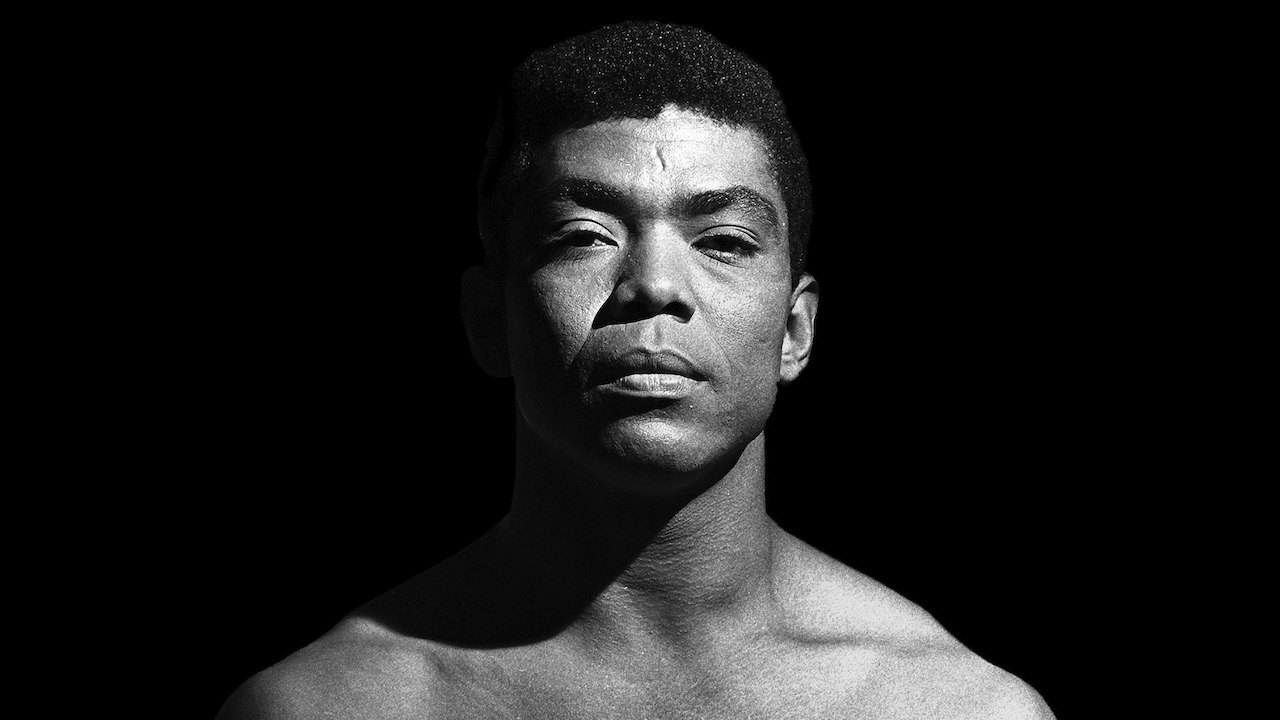
Alvin Ailey towers over American dance like few figures in history — a pioneer, revolutionary, icon and inspiration whose works live beyond his death in 1989, as does his groundbreaking Alvin Ailey American Dance Theater.
Pieces like “Resurrection,” “Love Songs,” “Masakela Language” and “Cry” on back to “Blues Suite” are revived to this day, far removed from the “contemporary dance” that they were a half-century or more ago, when they premiered.
He is the epitome of the expression, a prince among “American Masters.” Which is where “Ailey,” this wonderful new Jamila Wignot film, now a Neon theatrical release, is bound. But let’s not dwell on the obvious question that’s the first thing that comes to mind after watching it.
“What TOOK you so long?”
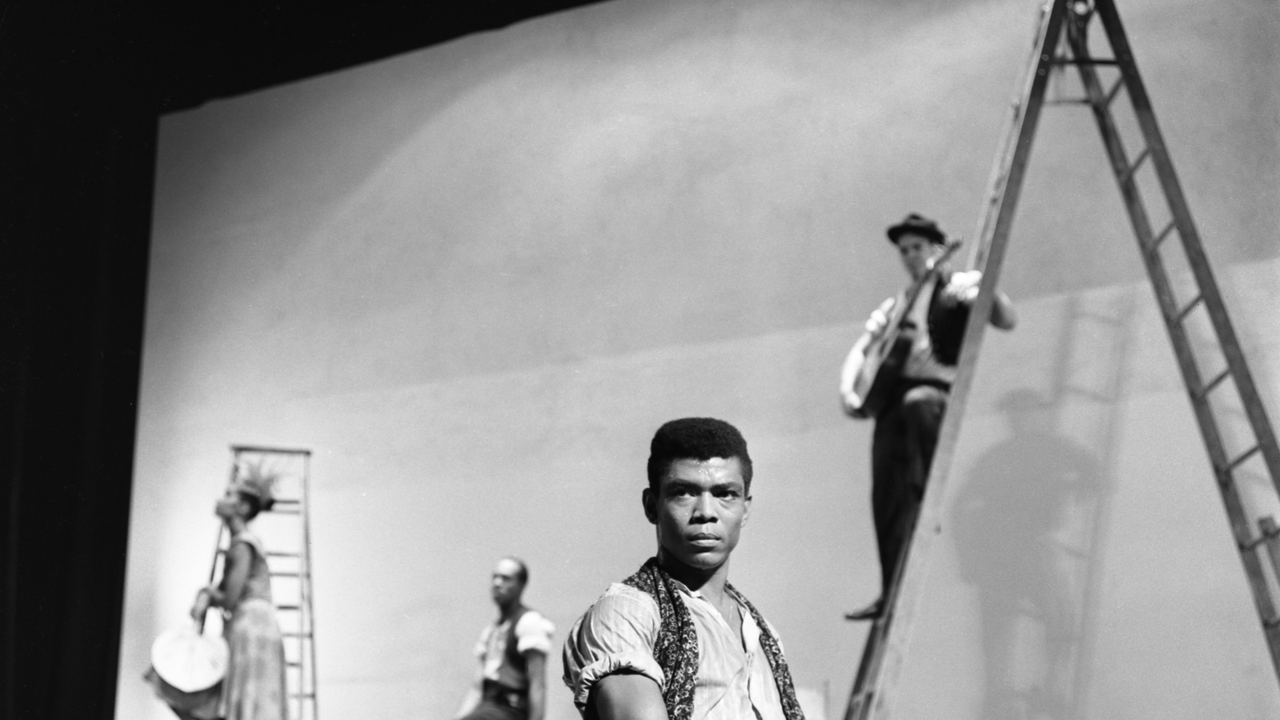
Using interviews with dance partners and generations of alumni of his Alvin Ailey American Dance Theater, generous samples of performance footage and Ailey rehearsing his corps — an eagle-eyed taskmaster — and archival TV and audio interviews with the man himself, Wignot rebuilds a lonely, driven life that created great art and answers a question Ailey himself must has asked more than once. Was it worth it? Yes it was.
Wignot anchors the film in 2018 rehearsals for a 60th anniversary commission by Ailey acolyte Rennie Harris. “Lazarus,” it was called, and as Harris describes Ailey’s art and style, we see him walk and talk the company through a piece that is Ailey’s legacy, writ large.
Dancers stretch out, standing on their tiptoes, heads titled unnaturally to one side, a lynching in a gesture. This is Harris showing us the essence of Ailey — African American “blood memory,” dance as “story telling,” the choreographer using his corps to “carve the space,” as Ailey himself put it.
His name became a brand during his lifetime, illustrating what his friend, early influence and duet partner Carmen de Lavallade means when she says “sometimes your name becomes bigger than yourself.”
Wignot, using stock footage in sync with Ailey’s own recollections, tells the story of how a son of a cotton picker/maid/single mom from Texas became a world famous choreographer whose company was celebrated from Melbourne to Moscow as it made State Dept. sponsored tours, showing off American dance and a multi-racial company to the world.
Yes, this happened at a time when American Dance Theater couldn’t stay in decent hotels in a largely-segregated America. And yes, that was one of the stresses that Ailey internalized and worked out through his choreography, his every show shouting “I AM” to the world, as one dancer remembers.
Ailey remembers having “nobody to model myself after,” but having a life-changing experience when he saw the Afro-Caribbean dances of Katherine Dunham’s company after his mother moved them to Los Angeles during World War II.
As his fame grew, creating dances from personal experience and memory as well as “blood memory,” he made a vow to those who would follow.
“I want it to be easier than it was for me.”
Generations of dancers back that assertion up.
Like many dancing lives that carried on into the age of AIDS, his story has a tragic arc to it. But Wignot — she did the “Triangle Fire” “American Experience” doc, and Henry Louis Gates films for PBS — takes us from tentative teen to triumph to tragedy with heart and gravitas. This was a life and career of great consequence, a Kennedy Center honoree and an American Master long before this marvelous portrait makes its way — eventually — to PBS.
MPA Rating: PG-13, for brief strong language (profanity)
Cast: Alvin Ailey, Rennie Harris, Carmen de Lavallade, Don Martin, George Faison, Masazumi Chaya, Sylvia Waters, Hope Clarke, Bill T. Jones and Judith Jamison
Credits: Directed by Jamila Wignot. A Neon release.
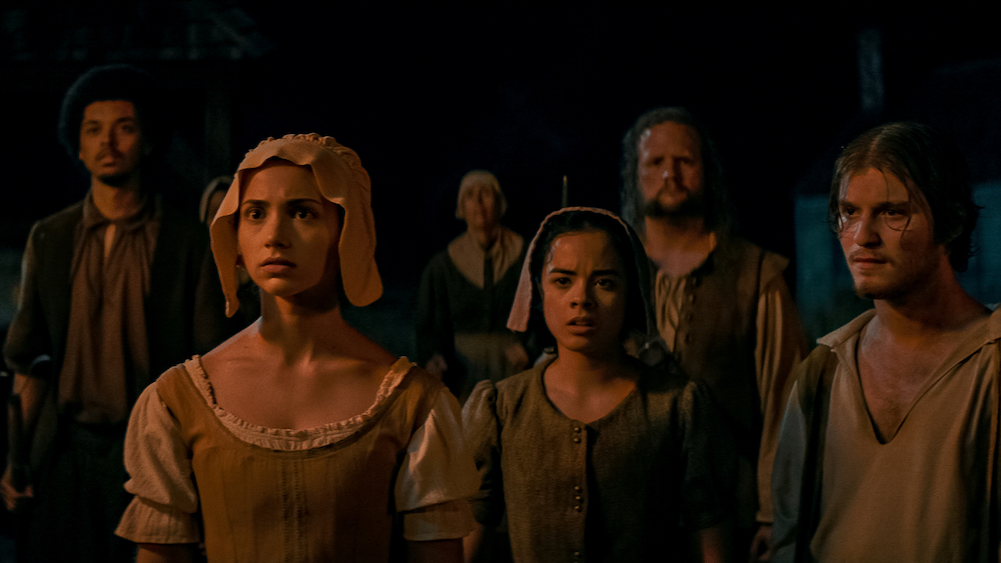
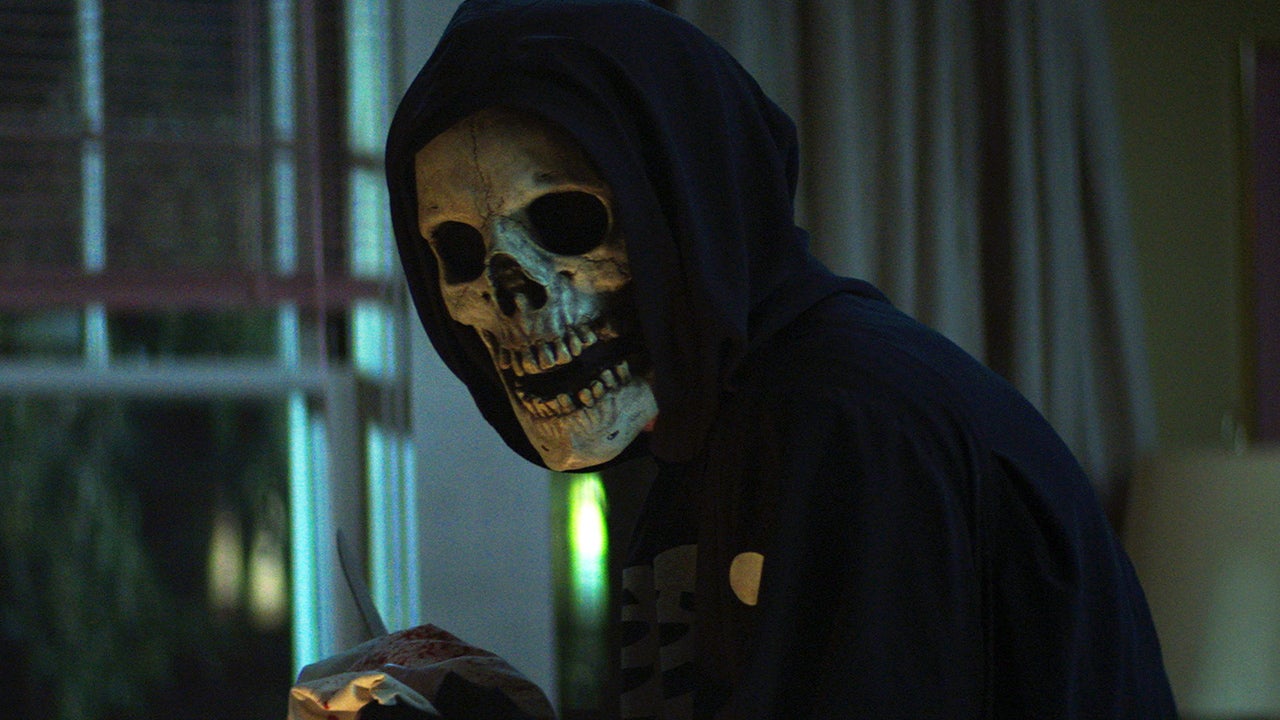
“Fear Street” shuffles off this mortal coil and shuffles out the door with “Fear Street Part 3: 1666,” a movie that takes R.L. Stine’s witch’s curse story back to the witch hunts of yore — or of “Union” — and stumbles back into 1994 to wrap it all up.
It builds up to a bloody and touching climax, showing us — and our 1994 heroine Deena (Kiana Madeira) — how Sarah Frier lost her hand and cursed the land and folks who live on it forever and ever back in 1666.
And then it returns for a long third act in ’94, which for all the curiosity-sating “resolve everything/explain all” monologues and BIG FINISH, can’t help but come off as anti-climactic.
The acting still ranges from uneven to indifferent. The “revelation” is well-hidden, in that we’re not really thinking about it before the obvious becomes um, obvious.
And the whole enterprise has this anachronistic feel, which even a 17th setting doesn’t discourage — folks tossing “frigid bitch” and “whore” around like they were brought up on Showtime.
In 1666 Union, the name of the “settlement” that split into Sunnyvale and Shadyside, Sarah — played by Deena (Kiana Madeira) — also has a brother (also played by Benjamin Flores Jr. ) and is also a Sapphic sister. Back then, she crushed on the preacher’s daughter, Hannah (still Olivia Scott Welch).
But it being 1666, intolerance didn’t take 1994 form. No, back then “the love that dare not say its name” could get you crucified, or burned at the stake or hung or what have you.
So all this talk about “a full moon rises before nightfall” which means it’s “a good night to enjoy the fruit of the land” that the local young people exchange as a greeting in ritualistic “Let’s go to the woods for a Bacchanale” code is fraught with risk, at least as far as those two are concerned.
“They’ll hang us, Sarah!” “I was not ALIVE before now, anyway!”
Next thing you know, a sow has eaten her new piglets, the fruit is rotting on the trees and the preacher (Michael Chandler) has gone murderously mad.
Only Solomon Goode (Ashley Zukerman) speaks out for reason and seems to defend the young women we know will be accused of being the “cause” for all this.
A mad scramble to find a way to escape their fates ensues, but we all know SOMEbody’s going to lose a hand, otherwise the two prequel-sequels have no point, right?
The first two acts build, with rising action and suspense, pulse-pounding editing and shrieking strings on the score.
And then we fizzle back to 1994, and despite having the lone decent joke of the trilogy, all attempts to top the caves, torches, lynch mob and mass murders of 1666 come off as…R.L. Stine “everything but the kitchen sink” kiddie horror.
Well, kiddie horror with cussing and a lesbian romance for the ages. That’s what it’s meant to be, anyway.
Our loving couple don’t have much chemistry, the “brother” is better suited to Nickelodeon afternoon programming in terms of acting craft and few folks here manage to convince us of the high stakes involved.
This is a workmanlike if uninspiring directorial outing for Leigh Janiak, but what she and her co-screenwriters were working with isn’t exactly Stephen King depth. Not that King is anybody’s idea of Hemingway.
The players committed to perform in all three films in the trilogy, but the connection we’re meant to feel for their characters is never established — a product of thin performances and the choppy narrative — and the attempts at pathos never pay off.
What we have in these three films is the streaming equivalent of a summer horror beach book, an R.L. Stine page-turner more interesting for “how this all turns out” than any shocks, frights or tugs at the heartstrings.
MPA Rating: Rated R for strong violence and gore, language, some sexuality and brief drug use
Cast: Kiana Madeira, Benjamin Flores Jr., Olivia Scott Welch, Ashley Zukerman, Darrel Britt-Gibson and Gillian Jacobs.
Credits: Directed by Leigh Janiak, script by Phil Graziadei, Kate Trefry and Leigh Janiak, based on the story by R.L. Stine. A Netflix release.
“Whirlybird” is “An American Family” in Breaking News, an adrenalin-fueled rush of live, broadcast journalism as it was practiced in a huge, violent city set against the backdrop of family success, glory and dysfunction.
It’s a riveting account the rise of “coming to you LIVE via Chopper 2, 4, 6 or 13” journalism as practiced by the people who invented it. And it’s a sobering take on what that “Nightcrawler” lifestyle costs the people who live it and the culture that’s become addicted to it.
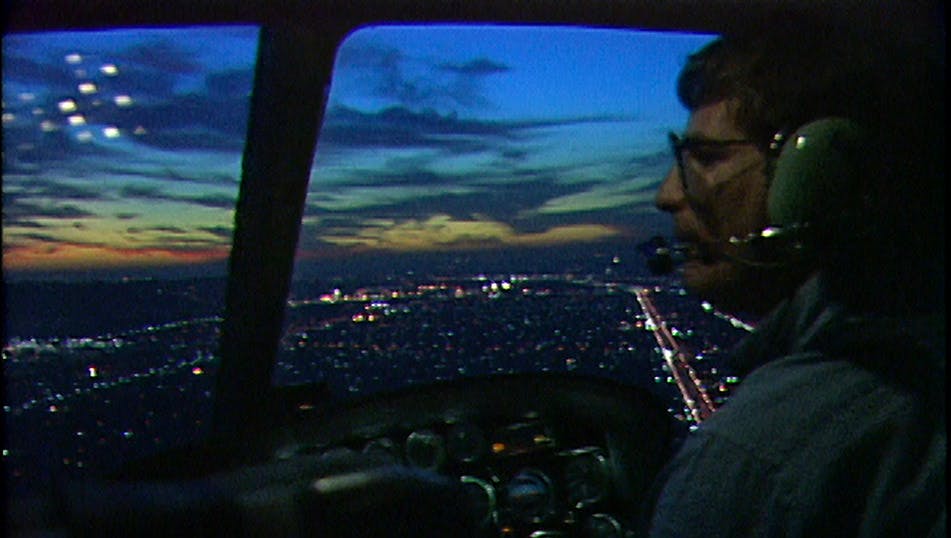
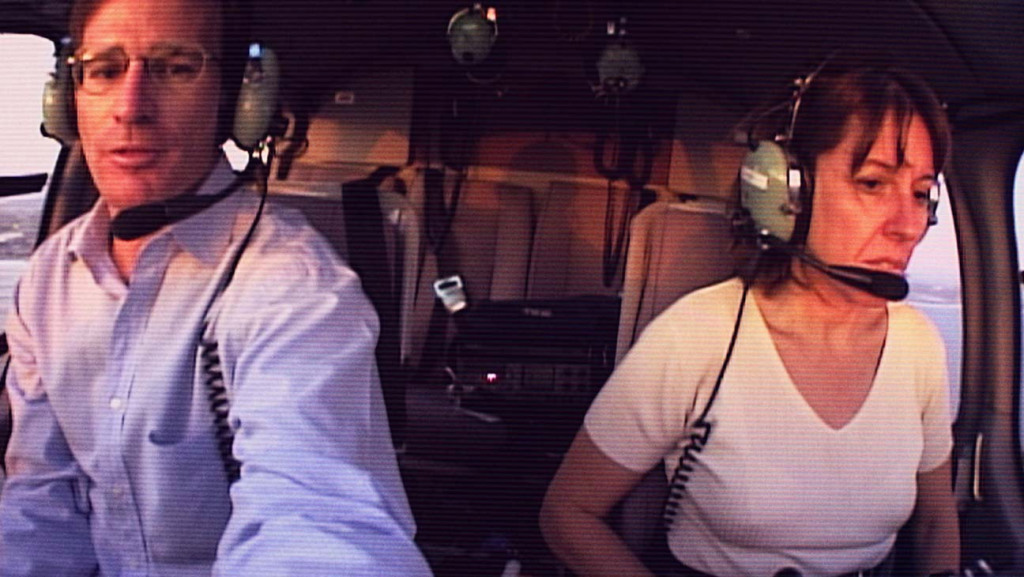
You might not remember the names “Bob Tur” with “my wife Marika on camera” if you live outside of Los Angeles. But if you saw truck driver Reginald Denny dragged from his rig and nearly beaten to death in the riots that followed the verdict in the police beating of Rodney King, you saw their work. If you saw the slow-motion chase that preceded O.J. Simpson’s arrest, “Chopper Bob” was there first.
From Madonna’s wedding to Sean Penn to decades of plane crashes, floods and the Northridge Earthquake, this husband and wife team, founders of the indie L.A. News Service and later employees of the top-rated TV stations in Los Angeles, documented the city at its most tragic, violent and infamous.
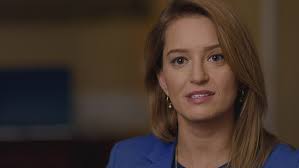
And even if you never learned their omnipresent names and faces because you lived far from there, you know their work and their offspring. They’re the parents of NBC News reporter Katy Tur.
Matt Yoka’s film covers the family’s rise, from “video nerd” Bob meeting and courting college grad and theater usher Marika, to their self-taught dive into freelance TV news coverage, on into Bob’s mania for “getting their first” because “You can miss the greatest story in the world — by a minute,” and their transition into pioneering TV “live breaking news” helicopter reporting into Bob’s later transition — into Zoey Tur, after a divorce, the collapse of their business and a sex change.
That’s a lot to take in, and Yoka, using interviews with the family, generous samplings of home movies and their reportorial “greatest hits,” delivers an immersive, exhausting and tragedy-tinged film that mimics the adrenalin junkie nature of the work, the never-ending “deadline” and fear of “missing the big story” and the short fuse that amplifies the abuse Tur heaped upon others as they worked in that pressure cooker.
Marika Gerrard dissects the disconnect that experiencing life through a news camera viewfinder creates, and Zoey admits that it wasn’t until covering the story that made them, a passenger jet crash, that she was taken aback by the idea that this wasn’t just a “story” and that they had some of the first video. Those were “people” and “families” whose lives ended, and ended up on the evening news.
“Whirlybird” charts a rising mania in Tur set against the troubling abuse that accompanied what became a literally all-consuming job, with the fame and riches that came with it.
Here’s little Katy Tur, barely old enough to walk, practicing her TV “stand-up.” And there she is in the chopper with Dad as he spies a small plane crash.
The family and their star second pilot, Lawrence Welk III, note Bob’s soaring ego and messianic turns — executing rescues in flooding and earthquake stories they were covering, collecting Emmys and FAA violations and suspensions all along the way.
The film is a helluva rush and a helluva ride, tracking both the creation of and rising popularity of a style of journalism, a family’s collapse and a man’s acceptance of both his rage and role in all of that, and of the gender dysphoria that led him to transition into a woman. Bob Tur accepted this just as America was turning a corner on tolerance of transgender people.
And if Yoka wasn’t actually there, documenting this disintegrating “American Family” as it came apart, he still did a terrific job reconstructing these lives, this work and that collapse.
The signature achievement of “This Little Love of Mine” is a classic cinematic fool’s errand.
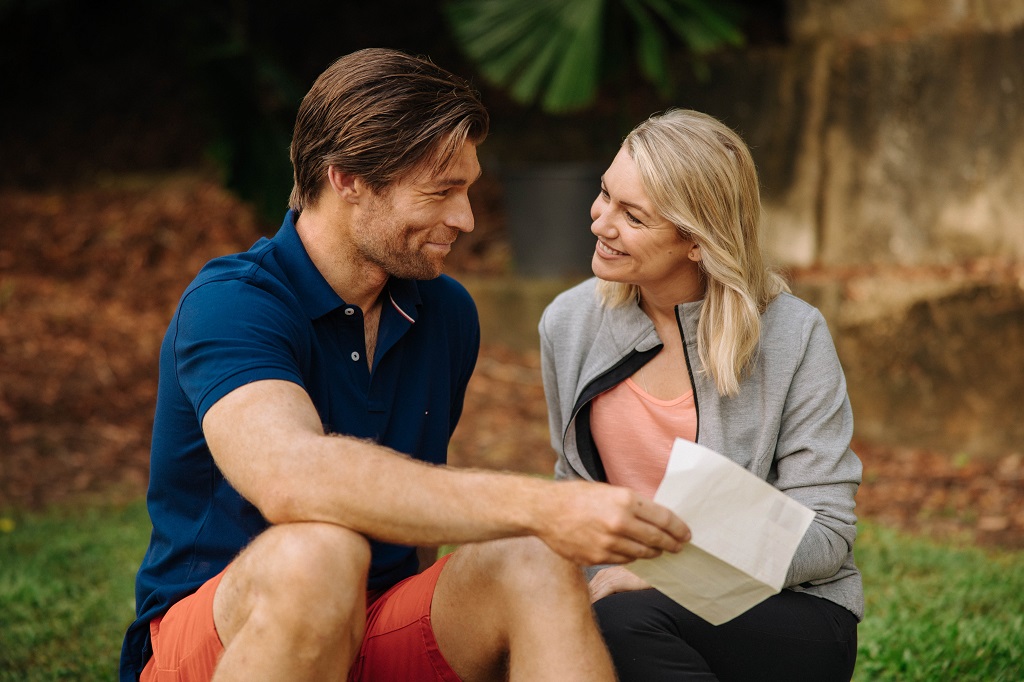
It’s an opulent South Seas island romance shot in Australia, with an Aussie cast headed by Saskia Hampele and Liam McIntyre.
And the decision was made to scrub the Oz right off it, them and everything the least bit colorful about it.
But kudos to Hampele (“A Few Less Men”) and McIntyre (“Spartacus,” “The Flash”) for mastering the bland Midwestern speech of Middle America, no matter how that scrubs any “exotic” touch this pabulum might have managed.
Hampele plays Laura, a high-powered San Francisco lawyer, angling for partner, engaged and on her way…back to Sapphire Cove, the island where she grew up.
The business mogul (Martin Portus, the lone Aussie accent) who shared the island with the natives, and less-well-heeled Anglo locals wants to sign his company over to his grandson. It’s got to happen before his 85th birthday, a deadline for him ceding control.
Laura grew up with grandson “Chip” (McIntyre), but hasn’t seen him in decades. She’s still just the gal to make him sign on the dotted line.
Only he’s living the good life, captain of a charter boat/ferry, beach bumming and what not. The last thing he wants is all that responsibility.
“Not a workaholic like you, but I could put on a suit and get things done. I look great in a suit…Probably.”
So the “workaholic” and the fellow “living on island time,” as Jimmy Buffett would put it, click and clash and haggle and make bets to see whose will wins out. She doesn’t play fair, for starters. And he’s a hard bargainer.
He’ll read “one page for every fun thing you try” here on the island of her youth. Sure. In between emails, Zoom meetings, arm-twisting from her boss (Monette Lee) and distracted calls from her equally ambitious fiance (Craig Horner).
Let the horseback riding/snorkeling etc. begin.
Honestly, this is so dull it barely passes Hallmark Channel muster. Surely somebody considered setting this thing at Christmas time, a Hallmark niche Netflix is going after with a vengeance.
What we have here is a movie made to please Our American Masters, but which has any chance for drama, local color or fun friction — the stuff that sets off “sparks” in a screen romance — bleached right out of it.
The average viewer might be dreaming up improvements to the generic plot and bland characters and sleep-inducing dialogue just from stealing gags and gimmicks from other movies in this genre.
Make the beach bum a real “bum” — loves his rum drinks, avoids responsibility altogether, slinging a lot of the Oz-Island slang. Make him a little sexist or louche, threatened by her.
Turn Laura into a tougher go-getter who labored to lose her accent and “island time” work ethic, only to fall back into “old habits” and her old accent.
Anything would lift this out of its blase “Look at you, all fancy and grown up” banter and hiking, sight-seeing (filmed in North Queensland) and the like.
“Little Love” has very little love, zero stakes and gives the viewer no skin in the game. There’s nothing and no one here to care about.
MPA Rating: TV-G
Cast: Saskia Hampele, Liam McIntyre, Lynn Gilmartin, Lawrence Ola
Credits: Directed by Christine Luby, script by Georgia Harrison. A Netflix release.
Isabelle Huppert, lost in character, sits at a traffic light and giddily sings along with the radio, earning giggles from the biker who pulls up next to her.
Patience is her name, and she’s having a good day. Or maybe it’s what comprises that “good day” that lightened her mood, just by its scent.
There’s all this hashish packed up in the hatchback, stuffed to the roof. The retired police drug-sniffing dog she rescued helped her find it. And Patience, high or just high on the possibilities, is beside herself.
She’s got a mother in a very pricey Paris nursing home, high association fees at her apartment, her late husband’s debts to settle — lots of “expenses.” But she’s got this hashish and she’s got an angle.
The daughter of an Algerian father and Holocaust survivor mother, she’s fluent in Arabic. She translates for the police drug interdiction squad. Any phone conversation, in Arabic, with the folks who brought in the hash or are planning to distribute it — now through her — she will hear. She knows who to sell the hash to. And the suspect the cops come to know as “La Matron,” aka “Mama Weed,” will only be passing on to the police what she wants them to hear.
Oh, and the chief of that squad (Hippolyte Girardot)? He’s her boss….with benefits.
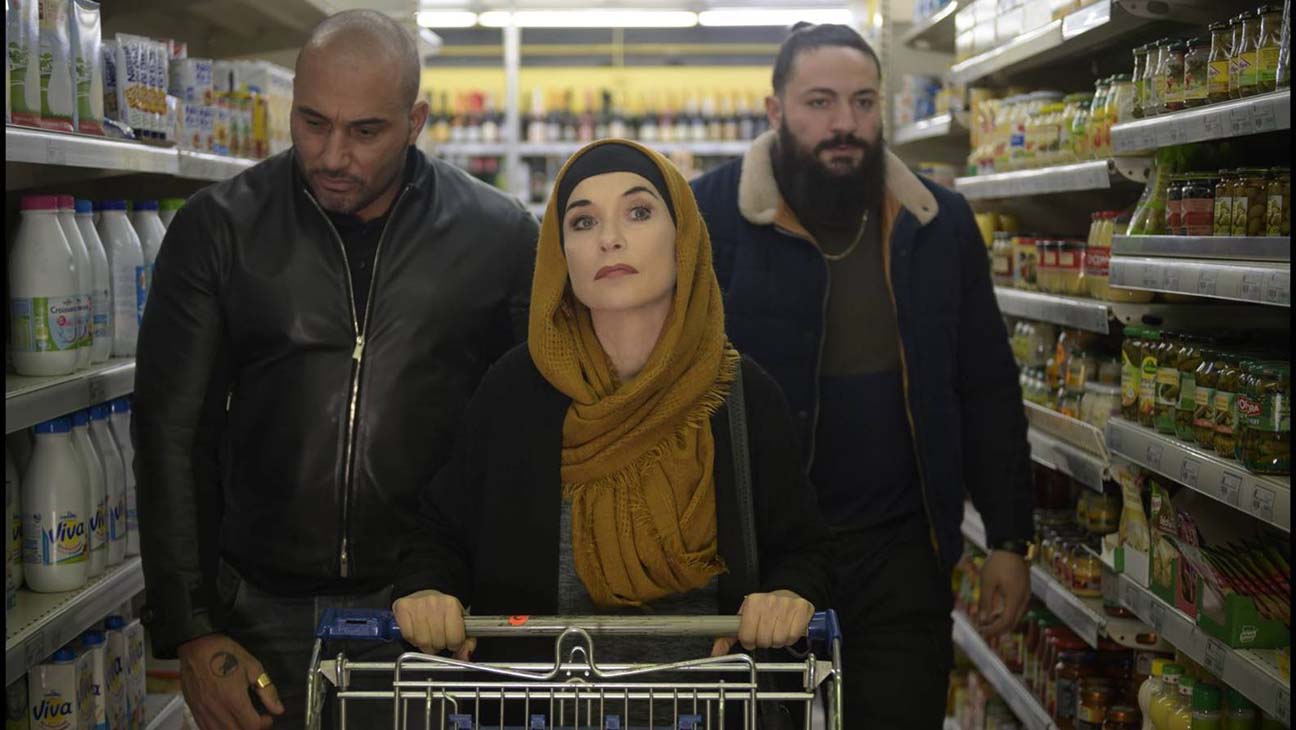
“Mama Weed” is a cackle-out-loud drug smuggling thriller, a suspenseful, cynical and often very amusing comedy about somebody with “an existential” problem with what she does for a living, who finds it also creates opportunities for her, opportunities fraught with risk but which she leaps into because of who she is and where her loyalties lie.
We get a hint that Patience, back in the day, drove a family boat on “runs” into Switzerland. Dad was sketchy, and he raised a daughter indifferent to let’s just say “the law.” Her probably-sketchy husband died decades ago with a lot of tax debts.
She’s behind on her payments at the private care nursing home when a conversation she’s wiretapped into gives her a start. This smuggler the cops are digitally tracking, hoping for a big score, is on the phone with the kindly nurse, Kadidja (Farida Ouchani) who cares for Patience’s mother.
There’s nothing for it but to mistranslate and mislead the police, get in a taxi and run over to warn her. In an instant, she’s committed to saving the woman’s son because of “all you’ve done for my mother.”
And with that, we’re off to the races as our anti-heroine puzzles over how to fool her bosses, trick and foil the scary drug gang, invent a new identity — looking up how to disguise herself in a hijab online — and make a lot of money in a very short period of time.
Can she pull it off?
Director and co-writer Jean-Paul Salomé (“The Chameleon,” “Girls with Guns”) has engineered a clever, comical script built on coincidences and quirky, unconventional relationships.
Patience “knows” the “small fry” drug smugglers she helped identify “Scotch” (Rachid Guellaz) and “Cocoa Puff” (Mourad Boudaoud). She’s got their damned phone numbers, for Pete’s sake. A burner phone, a text message in Arabic, and she’s in business.
A clever touch — one big time dealer has figured out that the most private chat space of all, the one the cops never get wise to, is communicating in the middle of online first-person shooter video games. Log in, get into a shootout, shout out your conversation to your foe.
Cute twists also include the amusing places Patience selects for the hand-offs, and the small world of petty (and not so petty) corruption she wades into, crossing paths with assorted relatives of her working class Chinese immigrant landlady (Nadja Nguyen).
The music and the pace of the editing raise the stakes and up the tempo in the later acts. This flippant, fun movie skips by at a brisk-never-rushed quick canter.
But its the laugh-out-loud chutzpah of it all and Huppert’s cocksure, casual and lie-on-the-fly amorality in the title role that gives “Mama Weed” her buzz. Huppert has never been sunnier or funnier.
MPA Rating: unrated, violence, drug content, profanity