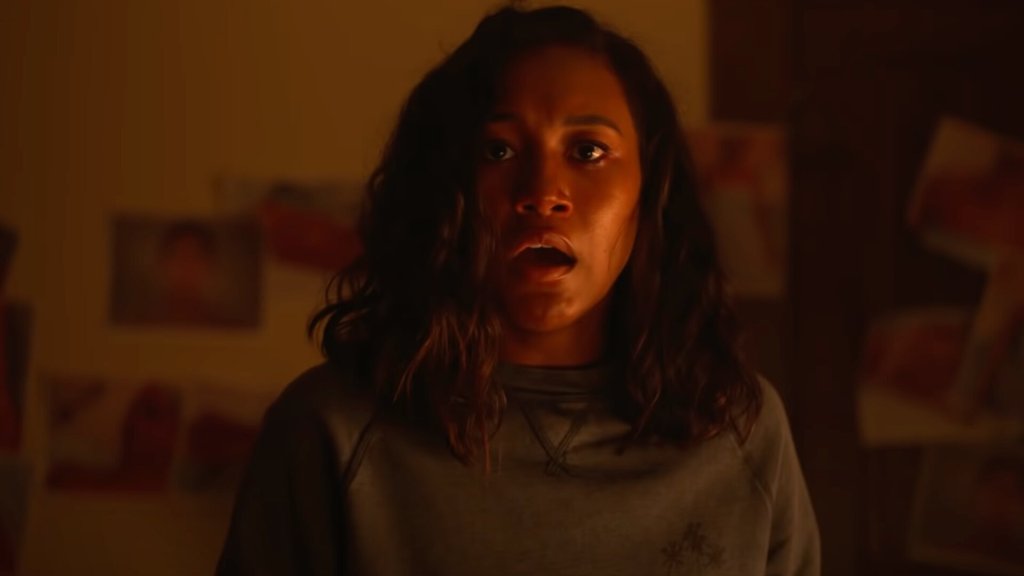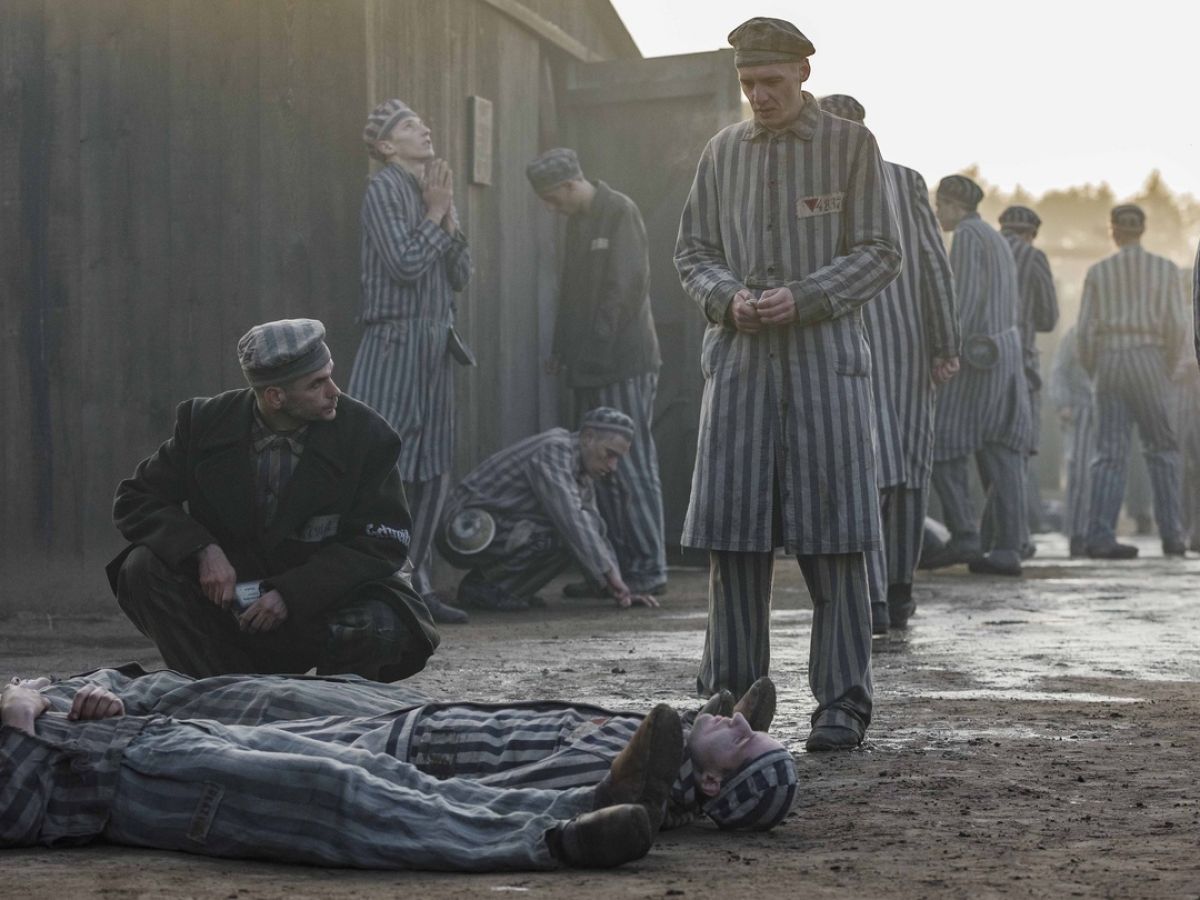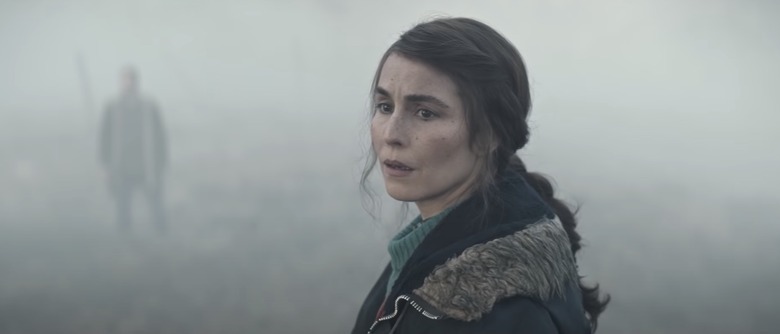
Movie Preview: Oscar winner Adrien Brody is just trying to stay “Clean” in this tale of redemption and revenge

There are few genuine competitors for the title “Most Quixotic career after winning an Oscar.” Nic Cage would seem to have it locked down. Cuba Gooding Jr. And Mo’nique are great examples of how hard it is to find work that measures up to a defining performance.

Adrien Brody? He marches to his own drummer. He’s not the workaholic Cage became, which in Cage’s case is thanks to tax issues and a desire to never be at rest and lost in his own head.

Brody still attracts the attention of good directors. Wes Anderson always has a role for him. But he’s not really a movie star. He can’t sell tickets based on his name in the credits.

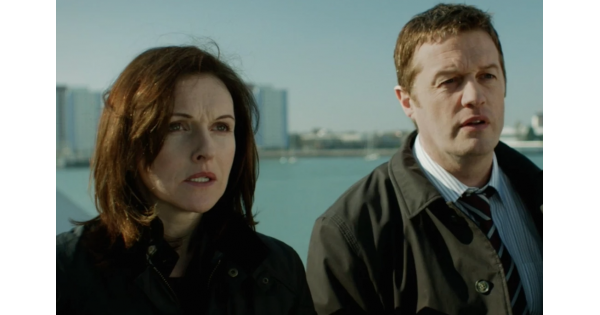
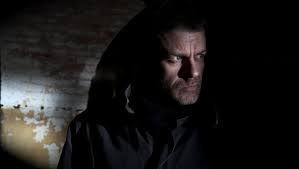
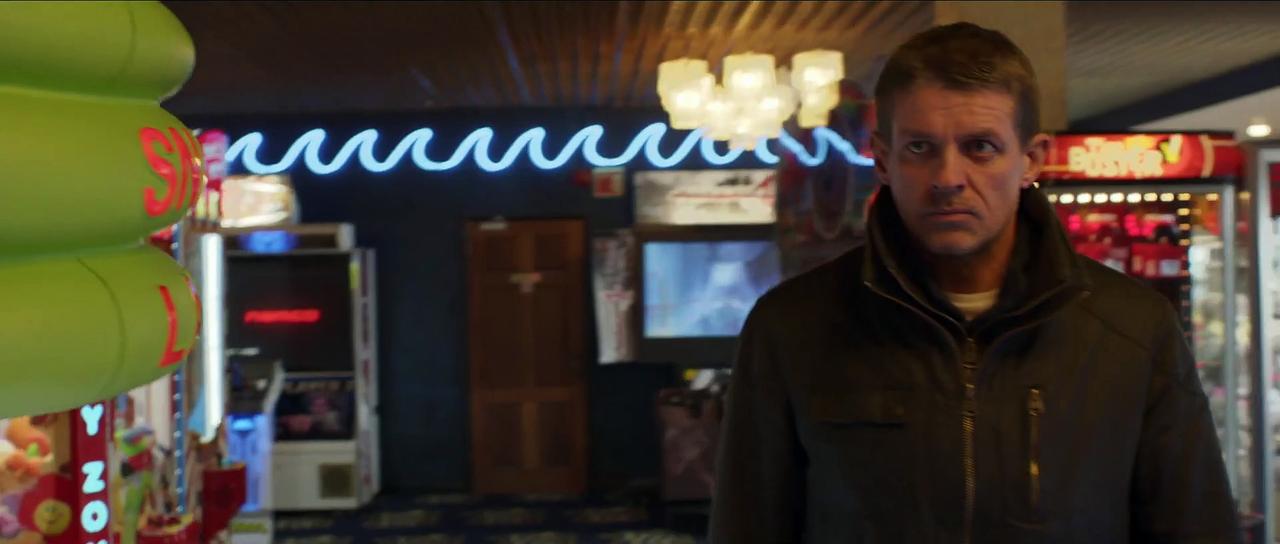
“Clean,” which Brody produced, has him playing a recovering junkie with a fervent desire to keep his head down and get past “one day at a time.”

Then he’ss triggered into trying to save someone else. Is this junkie a man with “particular skills?” Could be.

We’ll find out Jan. 28.

Posted in Reviews, previews, profiles and movie news | Comments Off on Movie Preview: Oscar winner Adrien Brody is just trying to stay “Clean” in this tale of redemption and revenge

Tonight’s preview screening? Get those Matrices in order for “Matrix 4”

Waiting for the “Resurrection?” Mm?” Here we go.

Posted in Reviews, previews, profiles and movie news | Comments Off on Tonight’s preview screening? Get those Matrices in order for “Matrix 4”

Documentary Review: A pioneering diver, ecologist and filmmaker — “Becoming Cousteau”

Jacques Cousteau was an omnipresent part of the lives of generations, the first “undersea explorer,” inventor of the aqualung — which brought modern scuba diving to life –a one-time oil-company sponsored explorer who helped develop undersea oil extraction who became the greatest environmentalist of his day, he cast a giant shadow over world culture and the ways all of us think about the planet and its oceans.

But in “Becoming Cousteau,” the revealing and moving new documentary now streaming on Disney+, filmmaker Liz Garbus shows us a passionate man who drifted into despair in his later years, an imperfect man who was his own harshest critic, an icon so embittered by the lack of progress in saving the oceans and the planet that he resented even giving autographs by the end.

If there’s a good thing about the passing of Jacques-Yves Cousteau in 1997, it’s that he exited before the narcissistic selfie mania that would have surely driven him mad.

You couldn’t miss Cousteau on North American TV when I was growing up. His “Undersea World” series and specials were an ABC staple, so much so that he became an object of imitation and fun, taken for granted by a culture that got its first taste of what the world under the sea looked like through his documentaries, a label he hated right from the start.

“They are adventure films!”

The first surprise “Becoming Cousteau” delivers in this re-examination of his life is that the ex-French Navy officer saw himself, first and foremost, as a filmmaker. “My sense of cinema” was his great gift, he insisted, not his passion for the sea, his inventing or his talent for communicating the urgent need to save this “undersea world” from unchecked pollution, exploitation and development.

He got his first film camera at 13, during the silent film era. And one of the reasons “Becoming Cousteau” is so revelatory is the fact that Garbus had access to a treasure trove of early footage, films Cousteau shot right after taking up snorkeling and spear fishing as rehab after a bad car accident in the 1930s.

An American had already popularized holding-your-breath recreational diving — snorkeling. Spear fishing existed all over the world, even places where the water wasn’t warm enough to dive in and pursue your prey.

But Cousteau met someone who’d invented a gas regulator for cars, and adapted that for the first scuba tanks, liberating him to explore the world that so transfixed him.

We learn that his first wife, Simone, loved the sea as much as he did and loved the converted U.S. minesweeper he turned into the “Calypso” after World War II even more. She lived on it as he traveled the globe, marketing the films he started making in the 1950s, becoming a “brand” for diving and taking a camera down with you.

The early history is the most interesting part of this film, taking us back to the events that put him in the water and made it his passion.

His celebrity is reflected in the scores of TV show appearances, as interview subject and more, that were a part of his growing fame in the ’60s and 70s, a wizened grandfatherly Frenchman with a stocking cap and pipe always at hand.

But we’re also reminded that he considered himself a bad parent and became embittered and depressed after the death of his partner and “favored” son Philippe, who crashed flying a plane for a documentary project he was producing.

If you followed his work at all, you remember the later films and their bleak depictions of pollution and the dying seas — his beloved Mediterranean especially — that he’d once shown us were full of life. He never quite gave up, but some of the fire went out of him even as the planet was finally awakening to a threat he’d seen coming since the ’60s.

“My job was to show what was in the sea so people would get to know and love it…You only protect what you love.”

If he thought himself a failure, as the film suggests, that’s a crying shame. Like millions of others, I was fascinated by what he showed us was underwater and made snorkeling a lifelong passion. Seeing footage of him watching a 1960s NASA launch just down the street from where I dock the sailing yacht I live on reminded me of his role in making a life by the sea, on it and under it, so damned attractive.

His reflective nature meant that he quickly realized that he was no better than others at protecting the sea in his youth, and that he recognized his biggest failings were humanity’s, he and we “just didn’t know any better.” His faith, shaken as it no doubt was, was that we’d wake up to the threat and act decisively, just as he did.

The jury’s still out on that, but not on Cousteau. He is a singular figure in human history, and “Becoming Cousteau” does a decent job of showing how that came to be, the burden it might have been and the regrets he left behind, many of them warnings which we’re still only slowly taking heed of over two decades after his death.

Rating: PG-13 for brief strong language, some disturbing images and smoking.

Cast: Jacques Cousteau, Philippe Cousteau, Jean-Michel Cousteau, Francine Cousteau, Simone Cousteau, Albert Falco, Frédéric Dumas, Dick Cavett, Jocelyne de Pass, David L. Wolper and the voice of Vincent Cassel.

Credits: Directed by Liz Garbus, scripted by Mark Monroe and Pax Wasserman. A National Geographic Film on Disney+.

Running time: 1:34

Posted in Reviews, previews, profiles and movie news | Comments Off on Documentary Review: A pioneering diver, ecologist and filmmaker — “Becoming Cousteau”

Movie Preview: More “Minions,” anyone? “Minions: The Rise of Gru”

This animated offering finds it’s way to theaters in July.

Posted in Reviews, previews, profiles and movie news | Comments Off on Movie Preview: More “Minions,” anyone? “Minions: The Rise of Gru”

Netflixable? Like “Knives Out?” “Death on the Nile?” Might Agatha Christie’s “Crooked House” be worth a visit?

Crooked House” made little to no noise when it came out theatrically in 2017-18. Labeling something “Agatha Christie’s Crooked House” should have helped, considering Kenneth Branagh revived her ancient murder mystery “brand” with his remake of “Murder on the Orient Express” over Christmas of 2017.

“Sarah’s Key” director Gilles Paquet-Brenner doesn’t have Sir Ken’s polish or witty way with the material, and the film’s “all-star cast” is slightly less glittery. But this rich patriarch’s suspicious death amid-a-house-full-of-suspects tale still works, showing off Christie’s genius for plotting and creating characters. If it’s not as much fun as “Knives Out,” it still has its moments, and plainly was one of the inspirations of Rian Johnson’s comic jewel.

Max Irons, you-know-who-and-you-know-her’s son, stars as Charles Hayward, the posh-enough offspring of a Scotland Yard legend, a onetime member of the “diplomatic service” (a spy), now a private detective visited by an old flame (Stefanie Martini of TV’s “The Last Kingdom”).

Femme fatale-ish Sophia insists her rich grandfather — a hotel, restaurant and “Associated Catering” tycoon and Greek immigrant who married into the British upper class — was murdered in his great house, Three Gables.

“I believe the killers may still be in there,” she declares, meaning the extended members of the late pere Leonides, his children, grandchildren and in-laws.

After dismissing her with extreme prejudice — Charles still carries a grudge about “Cairo” — he reconsiders, consults with an old Scotland Yard colleague of his father (Terrence Stamp) and motors into the country.

It’s 1957 or so, “the war” is fading into memory, rock and roll is just now arriving in Britannia and Charles drives a stylish Bristol to “pass” for posh, because that’s what you did back then.

But questioning this lot is going to be tricky.

“How does it work, all of you living in this house together?” “Who told you it works?”

Not Chief Inspector Taverner (Stamp). “These people relish their privacy as much as their money.”

Sophia isn’t really a suspect…at first. Then there’s her grandfather’s “favorite” son (Christian McKay) who runs the business empire, that son’s biologist/poison expert wife (Amanda Abbingdon). An older brother/historian (Julian Sands) who used to gamble and married a high class/no success actress (Gillian Anderson) resent the hell out of them.

“Ruin the family business and bugger off to Barbados, how LIKE my brother!”

Better than “losing everything playing baccarat on the Riviera!”

There’s a nanny and a tutor, bratty younger children, and the sister (Glenn Close) of old Leonides’ lesser-nobility first wife. And of course, there’s the Vegas chorine second wife, now a widow, given a jaded bombshell as “common” touch by Christina Hendricks.

The film has just enough glossy period detail, just enough intrigues, deaths or near-deaths and twists to pass for Christie and keep us interested.

The supporting cast ranges from good to downright delicious (Close, Anderson), with its leading man (Irons was in the “Condor” and “The Little Drummer Girl” and “Tutankhamun” TV series) standing out mainly by not standing out.

Young Irons hasn’t learned or aged or what-have-you enough to know how to embrace the camera and seize our attention. It may be a charisma thing and he may never get there, but he’s merely adequate here, and that dampens the fun of the film.

Similarly, Martini is reminiscent of Ruth Wilson/Natalie Dormer in that “manipulator of men” screen bombshell way, but doesn’t quite get there in this performance.

The bratty children (Honor Kneafsey and Preston Nyman) make far bigger impressions in tiny roles. And Close, often wielding a shotgun as her Lady Edith takes on the estate’s moles, devours the scenery, but with effortless great humor.

Perhaps Sir Ken will bring her round for the next Agatha he does and win the lady her Oscar. This film’s slack middle acts and smaller-than-life performances remind us, almost constantly, that he’s not behind the camera at “Crooked House.”

But Christie’s mastery of the genre survives even lesser adaptations, and she and the best bits of casting rescue “Crooked House,” even if they couldn’t make it much of a hidden gem.

Rating: TV-14, murder most foul

Cast: Max Irons, Stefanie Martini, Gillian Anderson, Christina Hendricks, Julian Sands, Christian McKay, Terrence Stamp and Glenn Close

Credits: Directed by Gilles Paquet-Brenner, scripted by Julian Fellowes, Tim Rose Price and
Gilles Paquet-Brenner. A Sony release on Netflix.

Running time: 1:55

Posted in Reviews, previews, profiles and movie news | Comments Off on Netflixable? Like “Knives Out?” “Death on the Nile?” Might Agatha Christie’s “Crooked House” be worth a visit?

Movie Review: Sentimental romance “A Journal for Jordan” has an unfinished feel

“A Journal for Jordan” is a sweet, sad holiday weeper about a soldier who kept a diary filled with life lessons for his newborn son, just in case “the worst” happened. Which it did while First Sgt. Charles King was serving in Iraq.

It’s a glossy, sentimental star vehicle for Michael B. Jordan and another feather in the cap of Chanté Adams (“Bad Hair, “The Photograph”) who plays the single mom left behind to raise that son and pass that journal on to him when he was old enough to understand.

But it’s an ungainly film that loses focus time and again, drifting off to indulge its stars with extraneous scenes and badly-handled or simply unnecessary story threads. That makes it play longer than its two hour and 11 minute runtime, and makes it that rarest of movie “unicorns” — a misstep by director Denzel Washington.

Whatever the messaging and emphasis of the memoir it’s based on, the movie reaching theaters needed a serious re-edit.

Adams plays Dana Canedy, a hard-driving New York Times reporter and Army brat with “daddy issues” who nevertheless lets Daddy (Robert Wisdom) put a handsome, courtly and honorable “tanker” that he trained in her path, plainly match-making for the 30ish, sophisticated Big City Dana.

First Sgt. King always introduces himself that way, always says “ma’am,” and is blunt about picking the Army as a career. But he’s into art, painting in the style of his French favorites — the pointillism of Georges Seurat, the impressionism of Claude Monet.

Dana has a New York apartment, a New York career and that hard-won New York sophistication, and Adams lets us see both a ravenous attraction to this new hunk her dad’s introduced her to and her reluctance to fall for someone so potentially like her father.

“Journal for Jordan” may hang on the hook of “fallen father writes timeless advice to his son” hook, but it’s about “How Dana Canedy Fell for Charles Monroe King” — from set-ups (Dad even provides her “excuse” for asking for a ride) to slow-moving courtship to love, sex and a baby.

The script and the star let us see Charles as ramrod straight, chivalrous and “corny,” a man of few words “unless I’ve got something to say,” unpolished in his ratty “grandpa” tennis shows and ignorance of what the phrase “off Broadway” means, but the sort of straight arrow father figure who passes on “live by your convictions” because that’s the way he lived.

He serves because he wanted “the discipline” the Army had to offer his life, and because he’s a real “patriot.” “I love my country.”

It’s worth noting how startling that line plays here, when that word has been so devalued by Americans unfit to claim it as a label.

The film frames their love story as a flashback, drifting through years of their relationship as seen by Dana in the years after his passing when she’s raising Jordan, eventually played by Jalon Christian as a teen.

But it’s that cumbersome flashbacks/flashforwards and flash around the edges structure that lets “A Journal for Jordan” down.

With every lingering tracking shot down up Adams’ curves or Jordan’s shirtless six-pack during “patient” scenes of banal phone conversations, every “over-sharing” chat between Dana and her “variety-pack casting” co-workers (Susan Pourfar plays her best Times friend), every jump backwards and forwards in time, delaying what the overlong prologue has told us is coming, “Journal” loses the thread.

That lost thread is “What’s IN that Journal that’s important enough to pass along to my boy.”

It finishes so well, with such a grand lump-in-the-throat scene, that one might be fooled into thinking it’s a better movie than it is. Then you remember there should have been moments like this all along, that saving it for “a surprise” that is no surprise at all, is a miscalculation, “the Journal” should have been the point.

Long before we get to that break-out-your-hankies moment, it has to hit even the most enthusiastic fan that “was this scene/exchange/overlong shot really necessary?” Washington squanders some of the viewer’s good will and attention with a lot of extraneous moments and even entire scenes.

It’s tempting to suggest “He should’ve done this by the book,” but it’s most likely that the memoir itself, full of the messiness and minutia of real life, created this problem. Director Washington and screenwriter Virgil Williams (“Mudbound” was similarly scattered) failed to correct it.

Rating: PG-13 for some sexual content, partial nudity, drug use and language

Cast: Chanté Adams, Michael B. Jordan, Jalon Christian, Robert Wisdom and
Susan Pourfar

Credits: Directed by Denzel Washington, scripted by Virgil Williams, based on Dana Canedy’s memoir. A Sony/Columbia release (Christmas Day).

Running time: 2:11

Posted in Reviews, previews, profiles and movie news | Comments Off on Movie Review: Sentimental romance “A Journal for Jordan” has an unfinished feel

A “Ted Lasso” stop-motion animation short — “The Missing Christmas Mustache”

I’ll bet they remember an episode of “Community” done with stop-motion animation, or the unfulfilled dream of Jerry Seinfeld, to do a stop-motion episode of his series way back when.

Ted Lasso in plasticine? Here it is.

Posted in Reviews, previews, profiles and movie news | Comments Off on A “Ted Lasso” stop-motion animation short — “The Missing Christmas Mustache”

Tonight’s screening? Michael B. Jordan stars in “A Journal for Jordan.”

Did they pitch the script to MBJ knowing he’d be curious, seeing as how his father figure is writing a booklet to his unborn child, to be named Jordan?

Or did they change the name once he signed on?

Just kidding. Denzel directed this one, based on a memoir (true story) by Dana Canedy.

A weeper for the holidays.

Posted in Reviews, previews, profiles and movie news | Comments Off on Tonight’s screening? Michael B. Jordan stars in “A Journal for Jordan.”

Netflixable? A Japanese acting/director legend gets his start as an “Asakusa Kid”

If you’ve watched any movie with even a trace of Japan about it, you’ve probably stumbled across the work of actor and sometime director “Beat” Takeshi Kitano. He was in the “Battle Royale” movies, “Johnny Mnemonic,” did a definitive version of “Zatoichi: The Blind Swordsman.”

He’s been pretty much the elder statesman of Japanese show business since the passing of Toshiro Mifune, which makes the “How he got his start” story one worth telling — at least in Japan.

“Asakusa Kid” is a slow, sentimental walk through Kitano’s origin story. It only truly comes to life in a finale that includes a long, reminiscing tracking shot through the venue where the man learned everything he needed to get his start in show business. Too much of what comes before that is static, with a hint of not-that-funny comedy set against a funereal elegy for a lost era of show business.

This Around the World With Netflix tale takes us to early ’70s Tokyo, to the music hall where “Take,” as his friends called him, learned to be an entertainer at the feet of “the master,” and from the strippers who performed in the France-za, a dying, mostly-empty burlesque palace run by Senzaburo Fukami (Yô Ôizumi).

Yûya Yagira plays the gawky 20something cleaning the place, fixing stuff he had no idea how to repair and running the lights, an aspiring “entertainer” with just a crooked smile and a little ambition to work with.

He sees the MC and owner tap dance, do stand-up and comic sketches between strippers and scantily clad chorus liners, a master of “manzai,” Japanese “double act” comedy. His killer bit? That would be the samurai “scene” that he and his co-star act out, with Fukami interrupting his own “performance” to critique and berate his co-star, much to the amusement of the guys-there-to-see-strippers.

Television has killed their bottom line, but this is where Take hopes to learn something that will put him on film and TV.

“Any skills? You can’t be a performer without any skills.”

Take has none. But his first lesson is “Get some” and the second one is essentially “always-be-on,” be prepared to do something entertaining, and dress well to ensure you get noticed and people believe you’re doing well because you’re good at what you do — entertaining.

Tap-dancing is something the kid can practice on his own. Constantly. Flirting with the stripper Chihura (Mugi Kadowaki) is instructive…for her dance steps. She’d love to be a singer, but nobody comes there to see women sing. And no, she won’t sleep with him.

There’s a whole backstage world that keeps this place going — aspiring writers who also clean or serve customers, dancers, costumers.

Fukami is generous with all, but especially the no-talent with the crooked smile he takes under his wing. His passes on the lessons that will serve Beat Takeshi his entire life, something the film’s flashback structure makes clear.

Before coming onstage or stepping into a scene, Take learns to tapdance away the jitters, standing in the wings, just like Fukami.

“Don’t get laughed at. Make them laugh with you.” “Don’t suck up to the audience,” he’s told (in dubbed English, or Japanese with subtitles). “You tell them what’s funny.”

The tapping is what gets his “hold the audience” abilities out there. Fukima breaks him in on stage, making him the stooge in sketches. And eventually, Takeshi and a writer-pal form a double act of their own, eventually taking on the names “Two Beats.” That’s why he’s called “Beat” Takeshi to this day.

The Franze-za scenes are wholly about relationships and attachments that form in the theater, with “Beat” being born on the road, abruptly pushing their act closer to “edgy” by drawing inspiration from American Lennie Bruce and American jazz. Some jokes are set to four beats, some to eight.

“Two Beats” is born. Edgy?

“My grandma buys tampons just to show off!”

A fundamental flaw of this Gekidan Hitori bio-pic is that moment. It is explained to us, but not really shown. We see a comic learning timing, “quickness” and “entertaining” from Fukami. We aren’t shown him studying his real influences, or much beyond the venue in terms of outside life, touring and the like.

That makes the film stagebound and all but locked in place.

Takeshi is a beloved figure, and seeing his formative years is informative even if this film is somewhat subdued, almost in reverence to the man.

But at some point this movie needed to make that extra effort to “entertain,” just like our learning-permit comic. It rarely does.

Rating: TV-MA, profanity, near nudity

Cast: Yûya Yagira, Yô Ôizumi, Mugi Kadowaki

Credits: Scripted and directed by Gekidan Hitori, based on the memoirs of Takeshi Kitano. A Netflix release.

Running time: 2:03

Posted in Reviews, previews, profiles and movie news | Comments Off on Netflixable? A Japanese acting/director legend gets his start as an “Asakusa Kid”

Movie Review: A Freshman gets lost in rowing — REALLY lost — as “The Novice”

The screenwriter who gave us “Whiplash” makes her splashy (sorry) directing debut with “The Novice,” a movie about an insanely competitive college coed who takes up competitive rowing, where the competition takes over her.

Because if there are two things that Lauren Hadaway knows, it’s youthful obsession and anything that you practice until your hands bleed.

Her film defies easy categorization, a sports movie that immerses us in the sport without really being “about” the sport, with a freshman year same sex romance that isn’t romantic and a heroine who is anything but.

So no “‘Personal Best’ in Boats” headlines, here. This tense tale doesn’t invite us to root for Alex Dall (Isabelle Fuhrman, “Orphan,””The Last Thing Mary Saw,” TV’s “Masters of Sex”) or fear for her health and wellbeing. And that’s kind of the way she wants it.

We meet the twitchy nail-biter as she’s finishing up a test. “You finished first,” her teaching assistant (model turned actress Dilone) complains. “Why’d you take it twice?”

Alex sprints across campus to the “novice rowing” class at Wellington U. She just took a physics class test twice “because it’s my worst subject,” even though it’s her major. She knows nothing of boats, oars and rowing crew. Something else she’s not good at? Welcome to her new obsession.

After hearing how very hard it is for “novices” looking to learn and get some exercise “to move up to varsity,” the die is cast. Alex will be the first at practice and the last to leave. She will skip college breaks. She will row, either on the water or on the rowing machines, until her fingers and hands bleed, until she collapses, once even wetting her pants in front of her teammates from exhaustion.

Coach Pete (Jonathan Cherry) notices, and is disturbed. “Relax” and “have fun” and “shouldn’t you be stuffed in a library (during exam week) fall on deaf ears.

Because Alex has been told of the long odds. Because there’s been a little hazing from the varsity scholarship rowers. Because a high school jock (Amy Forsyth, a supporting player in “CODA”) is also a novice here, determined to make varsity and score a needed scholarship.

Writer-director Hadaway and her stars create marvelously contrasting characters, the confident, swaggering athlete and the chronic over-achiever determined to do what she always does — outhustle the competition.

Because Alex is all about competition. And as we learn in this quite-clever screenplay, “competition” is just the first sign that Alex’s obsessions go beyond scholarship, physics and applying physics to rowing. She and a fellow student, a friend since high school (Jeni Ross), show up at a fraternity mixer.

“I just wanted to get the drunk college one-night stand out of the way,” Alex confesses.

That teaching assistant Dani? She’s like another “experience” to check off a life list as Miss OCD tallies up all she’s up to her eyeballs in this freshman year.

Hadaway, who also edited “Novice,” serves up montages aplenty — Alex’s notetaking, coach-stalking and “out-working” everybody, this “seat race” (competing for a spot on a varsity boat) or that racing regatta.

Fuhrman’s polished intensity draws us in, even if we’re repelled a bit by this young woman who will not give herself “a break,” at anything.

And Hadaway, as she did with college jazz band drumming in “Whiplash,” immerses us in the jargon, banter and brittle women-being-women-among-other-women dynamic of this collegiate combat among coeds.

It’s enough to make you glad you took up sailing instead.

Rating: R for language, some sexuality and brief disturbing material

Cast: Isabelle Fuhrman, Amy Forsythe, Dilone, Jonathan Cherry, Kate Drummand and Charlotte Ubben

Credits: Scripted and directed by Lauren Hadaway. An IFC release.

Running time: 1:37

Posted in Reviews, previews, profiles and movie news | Comments Off on Movie Review: A Freshman gets lost in rowing — REALLY lost — as “The Novice”