Netflixable? Don DeLillo’s “White Noise” makes it to the screen as a Noah Baumbach movie

The mind takes conditioning to get on the right wavelength to wrestle with post-modernist social satire. We’re decades removed from screen satire’s golden age, an era roughly bracketed by two Peter Sellers films, “Dr. Strangelove” and “Being There.”

And getting a handle on writer Don Dellilo, whose breakout novel, “White Noise” brought his Hemingway meets Vonnegut, Allende, Rushie and Updike style, themes and subject matter to the wider public and great acclaim, exercises other muscles that the cinephile is rarely called on to use.

“White Noise” is now a big budget “prestige picture” from Netflix, a sprawling shock to the system that feels true to the book, and yet glib and on the whole, unsatisfying. There’s a reason this 1985 work hasn’t been filmed before now. And throwing $140 million and Noah Baumbach (“The Meyerowitz Stories, “Mistress America” and “While We’re Young”) at it explains why.

Adam Driver plays our protagonist, Dr. Jack Gladney, a middle-aged academic at The College on the Hill in bucolic Blacksmith mid America. He is “North America’s foremost expert” on Adolf Hitler.

“I teach advanced Naziism,” he cracks.

Jack is married, for the umpteenth time, to the poodle-curled Babette (Greta Gerwig, Mrs. Baumbach), and their combined families include two daughters and two sons.

Jack is an amusing collection of contradictions. He’s a rock star lecturer on campus, but a Hitler expert having to take secret German lessons from a local immigrant, because God forbid academia figure out he doesn’t know Hitler’s native tongue. He is devoted to his latest wife, but concerned and suspicious when her teen daughter from a previous marriage (Raffey Cassidy) discovers a prescription — one among many — that “Babo” is taking. Babo is becoming more and more forgetful as a result, and nobody Jack speaks to has ever heard of this drug.

Jack is obsessed with mortality, his own, and the fear that he won’t “go first,” which he expresses to his wife, who shares that fear because neither wants to be left “alone.”

But that fear of death is strangely dormant when the family and their world faces an existential and tactile threat. A railway chemical accident sends Jack’s brilliant son Heidrich (Sam Nivola) into early 80s (pre-Internet) research and threat-identifying (and fear-mongering) overdrive.

“The Airborne Toxic Event” is coming, and only Jack seems unwilling to grasp the emergency at hand.

No, we weren’t paranoid about the Zombie Apocalypse in the ’80s. But we did have a flippant, shallow, draft-dodging actor in the White House prone to “limited nuclear war” wisecracks. And we didn’t yet live in a media environment that allowed for easy dismissal or gaslighting away disasters in the making, either.

We trusted “authority,” be it governmental or media.

The family, society and culture will be tested by this disaster and the “White Noise” of modern life, and unravel a bit before the “Don’t Worry, Be Happy” ethos of the day bubbles up.
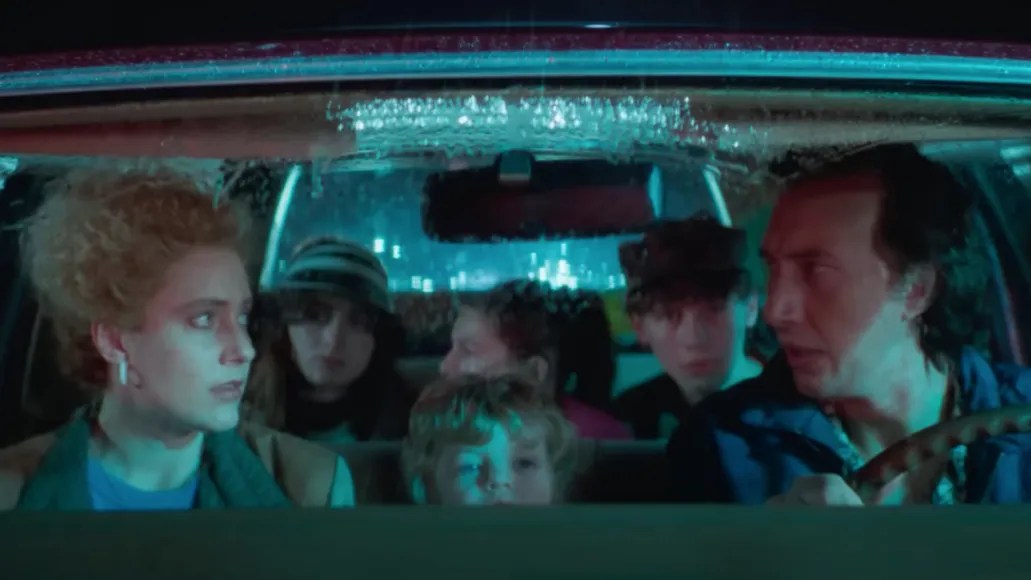

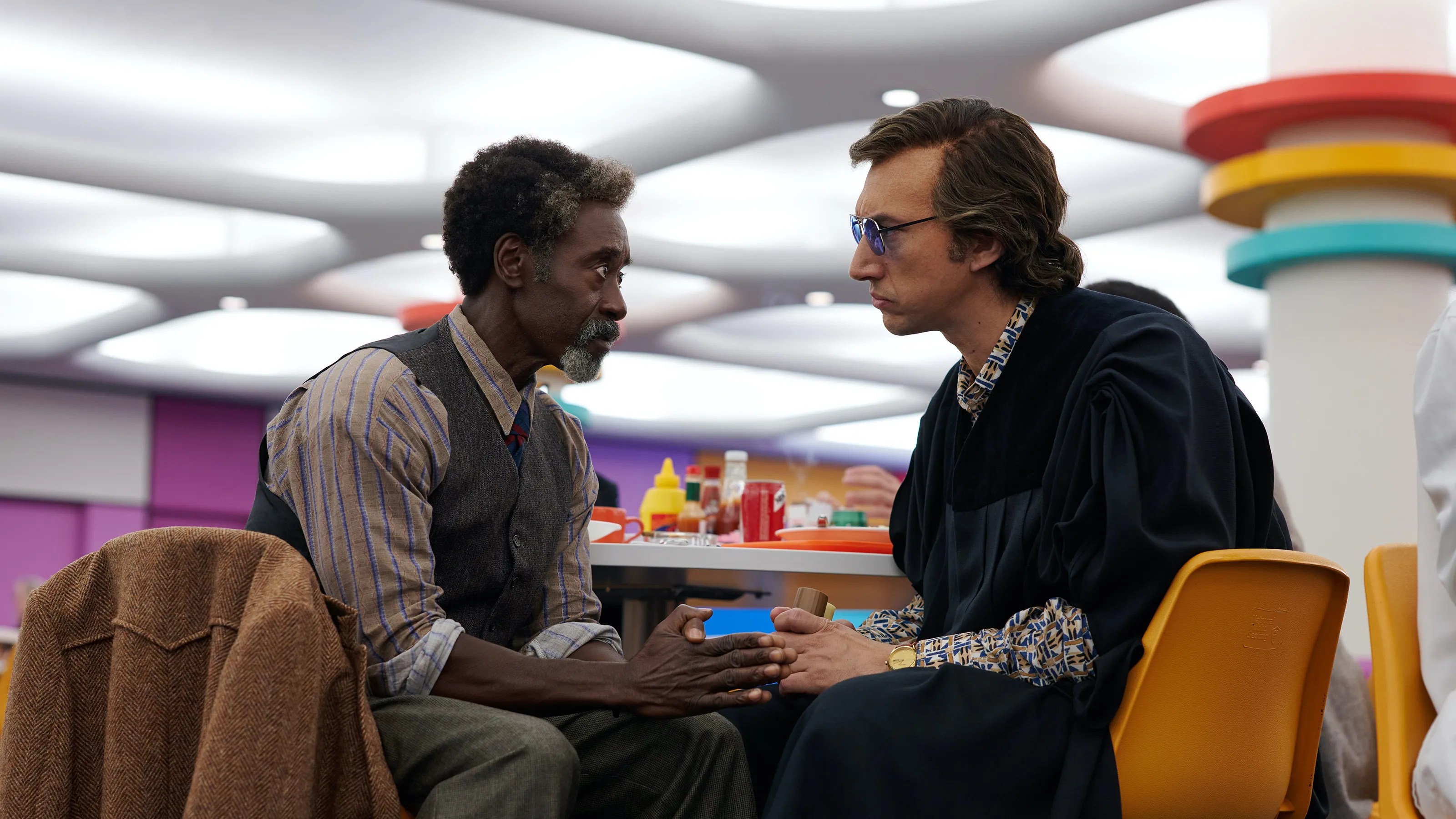
I love the quick-stroke skewering of academia that Baumbach scatters through the opening scenes. Don Cheadle, playing Dr. Murray Siskind, an expert on the morphology and and meaning of car crashes in American cinema — and Elvis — lands many of the movie’s biggest laughs, and the occasional searing insight.

“We are fragile people surrounded by hostile facts.”

One bravura sequence comes when Murray summons Jack to his Elvis class as moral support in his battle to protect his turf within whatever quirky umbrella heading their “department” lives under. They engage in a funny, complimentary rap-battle lecture, pointing out the similarities of two of the 20th century’s most famous and infamous “mama’s boys,” Der Fuhrer and The King.

Every scene’s soundtrack is layered with inquisitive kid-questions, chatty commentary, lively debate and ennui not borne in silence.

It’s when the “Airborne Toxic Event” hits that this noisy mayhem is muted, and then whipped to a crescendo as Baumbach creates a “World War Z” level cacophony of chaos — mass, manic evacuation, citizens herded into a Boy Scout camp, officialdom treating this murderous emergency like “an exercise” while all those concentrated into this one place tune in to their radios and bulky portable TVs, desperate for information, furious — as one evacuee, played by Bill Camp notes — at the way the country and the world are ignoring and forgetting them already.

Scenes like that animate the film, and yet underscore the most lethal two-word takedown of DeLillo’s choice of themes, and his style — he also novelized reactions to Lee Harvey Oswald (“Libra”) and the Cold War (“Underworld”). “Hysterical realism.”

The performances here aren’t particularly affecting, as Baumbach treats even the serious issues and pointed social commentary as cartoonish. I mean, he cast the one-hit-wonder singer-turned-actor Andre Benjamin as a fellow academic and does a Bollywood/Gurinder Chadha dance-off bringing the entire cast into the gaudy sanctity of the Blacksmith A & P for the closing credits.

Cute.

He fixates on the ugly clothes, uglier cars and forgivingly-unfit body-types of the ’80s, with Driver taking on a pot belly for his part and everybody’s hair a proto-MTV nightmare. Beyond the surface gloss, this film begs for focus, insight and meaning.

I’m afraid this is another case of Netflix’s Big Blank Check indulging a filmmaker, who cashed it and lost himself in the “White Noise” superficialities while never quite wrestling a perhaps-unfilmable novel into shape.

Rating: R, violence and (profanity)

Cast: Adam Driver, Greta Gerwig, Don Cheadle, Raffey Cassidy, Sam Nivola, May Nivola, Jodie Turner-Smith, Andre Benjamin and Bill Camp.

Credits: Scripted and directed by Noah Baumbach, based on a Don DeLillo novel. A Netflix release.

Running time: 2:16

Posted in Reviews, previews, profiles and movie news | Comments Off on Netflixable? Don DeLillo’s “White Noise” makes it to the screen as a Noah Baumbach movie

Movie Review: “Four Samosas” attempt a burglary in their corner of LA’s “Little India”

“Four Samosas” is a scruffy, hit or miss indie caper comedy about four young Indian Americans who set out to rob the store of a local grocer who’s gotten rich by illicit means.

It’s built on a generational angst, with a hint of cultural displacement, like a lot of Indian comedies set in North America. Writer-director Ravi Kapoor’s screenplay even references the slang acronym that became the title of one of the earliest movies in this vein — “ABCD” — which stands for “American Born Confused Deshi (person of Indian descent growing up here). “

Our hero, Vinny (Vek Potula), who runs a sari shop, is addressed thusly by his nemesis, Sanjay (Karan Soni of the “Deadpool” movies), who was born in India and has some sort of goat dung business there.

“Oh look, if it isn’t American Born Confused...Loser.”

Vinny has an American street argot sales patter, which does little for sari sales, but helps him in his real passion, writing and performing rap rhymes. It doesn’t help him enough to make him good at it.

He was dumped by the fair hairdresser/eyebrow threader Rina (Summer Bishil), which everyone he mentions this to reminds him was “three YEARS ago.”

Hey, “pain’s got its own clock.”

His buddy Zak (Nirvan Patnaik) runs a chaat shop, watches bad Bollywood movies and dreams of Bollywood stardom. Handsome Zak is lusted after by the “under over-achiever” Anjali (Sharmita Bhattacharya) who produces her own news brochure, The Great Little India Times, which she distributes all over Artesia, the chunk of Greater LA that’s west of Anaheim, south of LA proper.

The news that Rina is engaged to Sanjay sends Vinny into a tailspin, and he resolves to swipe the off-the-books diamonds Rina’s grocery store-owner dad (Tony Mirrcandani, a Republic of India Rip Torn) has stashed in a safe.

In classic caper comedy style, Vinny assembles his team, they don disguises and take their shot at precious jewel riches.

Indie comedies lean heavily on the Spike Lee’s Early Films model — random slices of neighborhood life and neighborhood characters decorate the seriously mundane plot.

A local “gang” of tracksuit wearing “revolutionaries” wants to declare their piece of the city The Free State of Aisetra, the 51st state and all Indian. A), “That’s Artesia spelled backwards,” Vinny points out. “And if I wanted to live in South Asia (the Indian subcontinent), I’d LIVE in South Asia!”

Many locals are all whipped up about an upcoming festival with a talent show in it. Vinny is brother-figure rapper to younger aspiring rapper cousin Nikki (Maya Kapoor), and seeks advice from a priest I take to be his father (writer-director Ravi Kapoor).

A more recent immigrant whom they recruit to help them crack the safe holding the diamonds is an Indian tech school alumna (Sonal Shah) bitter about not finding a US job and facing deporation.

The heist is visualized in fantasized classic heist movie tropes, but that sort of caper only happens in movies where four broke friends don’t have to worry about not having the money to do the job the way Tom Cruise would as Ethan Hunt.

The sources of comedy here include that colorful milieu, the oddballs who populate it and the way people with no special skills might attempt a burglary. There’s not quite enough of each on its own, but together all that adds up to a few laughs and plenty of chuckles. The picture kind of goes to pieces in the third act, but not before we’ve had a fantasized Bollywood production number — produced on the cheap — and lots of gags about haplessness, loserdom and goat feces.

These Four Samosas — the Indian potato appetizer is slang for a lot of things, including “ass” — get by on the their own ineptitude, and the fish-out-of-water clumsiness of transplanted people who don’t “fit in” any more than they need to, because it’d be a tragedy if they did.

Rating: PG-13, some profanity and “a rude gesture”

Cast: Venk Potula, Sharmita Bhattacharya, Sonal Shah, Nirvan Patnaik, Karan Soni, Tony Mirrcandani, Summer Bishil and Ravi Kapoor

Credits: Scripted and directed by Ravi Kapoor. An IFC release.

Running time: 1:20

Posted in Reviews, previews, profiles and movie news | Comments Off on Movie Review: “Four Samosas” attempt a burglary in their corner of LA’s “Little India”

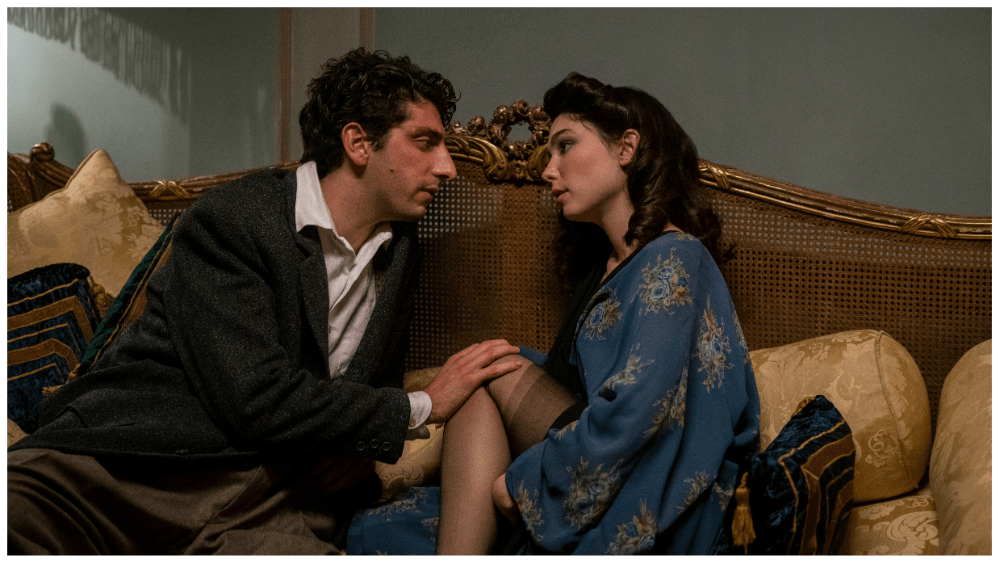
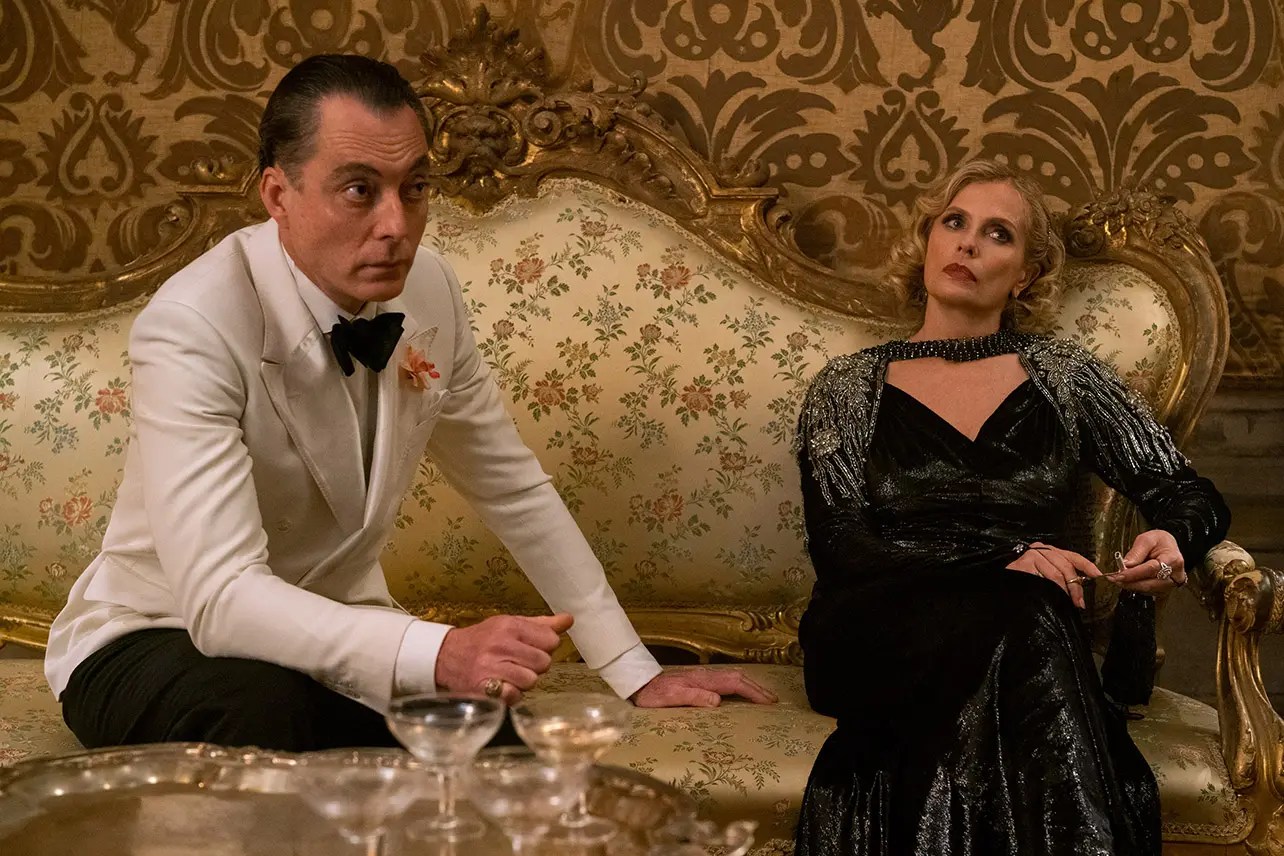
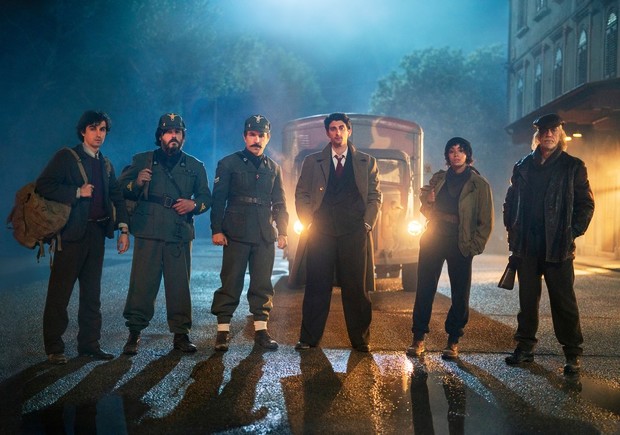
Netflixable? WWII Italian hustlers consider “Robbing Mussolini”

There’s real historical backdrop to “Robbing Mussolini.” But is the new Italian film (subtitled, or dubbed into English) a “true story?”

“True-ish” an opening credit reassures us. How “true-ish?”

Well, it’s 1945 Milan in the last months of the war, and everybody’s dressed to the nines. Street hustlers and smugglers have their own military communications decoding operation, and there’s easy access to weapons caches and TNT.

Their leader may call himself “Isola” (Pietro Castellitto) because “I work alone.” But he doesn’t.

And his chanteuse girlfriend (Matilda De Angelis), the one he shares with a fascist officer/torturer? Yvonne knocks’em dead every night at the club with her Italian rendition of “Paint it Black,” by Los Pietre rotolanti, aka The Rolling Stones.

Ahem.

It’s worth remembering that long before that nice Italian-American foot-fetishist Quentin Tarantino started mimicking the campy action of some corners of international cinema, that the folks over in the Olde Country, the one shaped like a boot, were showing him how it was done.

I mean, they made the original “Inglorious Bastards,” after all.

“Robbing Mussolini” is a campy WWII heist picture, a bit too violent and lacking the laughs that would make it a caper comedy, a bit too reliant on formula to give us anything new.

Isola’s usually content with selling guns and explosives to the partisans, who finally gave up on fascism and turned against Il Duce when the Allies landed in Italy. Half the country’s still in fascist hands, and Isola wants to grab his girl away from the fascist goon (Filippo Timi) who keeps her around to cheat on his fading film star wife (Isabella Ferrari)

What’s the theatrical, vampy fading screen star’s name? Nora, because “Norma” was taken.

To make their getaway in style, Isola needs Mussolini’s Gold, hoarded inside the fortified Black Zone of Naples.

Isola will need to expand his team. The aged sniper/bodyguard Macello (Tommaso Ragno) and comics nerd/decoder/tech whiz Amadeo (Luigi Fidele) will need to enlist a street-fighting pickpocket (Rebecca Coco) Amadeo is sweet on. If they can find the on the lam “hero of our nation” race car driver (Maccio Capatonda), they’ll be able to make their get away.

And they really could use the “best in the business” bomb maker, the anarchist with the cute “nom de guerre” Molotov (Alberto Astorri). He’s the one they have to rescue from the noose, spaghetti Western style.

That’s the first of the “heists” the precede the “big heist,” as this crew has to crash a posh cocktail party, steal this or that, figure out who they can trust and who will stab them in the back on their way to the gold stash, freedom and glory.

The acting’s indifferent, with only the odd line or situation giving anybody a chance to shine.

It’s all strictly formula, with a dash of wit here and a fun classic car chase there.

Not enough of it works to recommend, but it’s always fun to be reminded that campy action films are their own international language, and they travel better than any other film genre — from Italy to Thailand, Hong Kong to Korea and the Philippines, and eventually to a video store in Manhattan Beach, California, where a certain wired film nerd took it all in and made it his brand.

Rating: TV-MA, violence, profanity

Cast: Pietro Castellitto, Matilda De Angelis, Isabella Ferrari, Tommaso Ragno, Rebecca Coco Edogamhe, Alberto Astorri, Maccio Capatonda, Luigi Fedele and Filippo Timi

Credits: Scripted and directed by Renato De Maria. A Netflix release.

Running time: 1:36

Posted in Reviews, previews, profiles and movie news | Comments Off on Netflixable? WWII Italian hustlers consider “Robbing Mussolini”

Next screening? Don DeLillo’s “White Noise” gets the Noah Baumbach treatment

Greta Gerwig, Don Cheadle and Adam Driver star in this adaptation of one of the most celebrated novels of the ’80, DeLillo’s post-modern look at life and family and happiness and mortality in uncertain, fraught times.

So perhaps waiting over 30 years to put it on the screen (Netflix money helps) was a smart idea.

It’s coming to theaters, then rolling onto Netflix.

Posted in Reviews, previews, profiles and movie news | Comments Off on Next screening? Don DeLillo’s “White Noise” gets the Noah Baumbach treatment

Movie Review: Satire is a dish best served “gelled” in “The Menu”

“The Menu” is a darkly funny, culture-skewering satire that’s easier to defend on cinematic grounds than more — you know — logical ones.

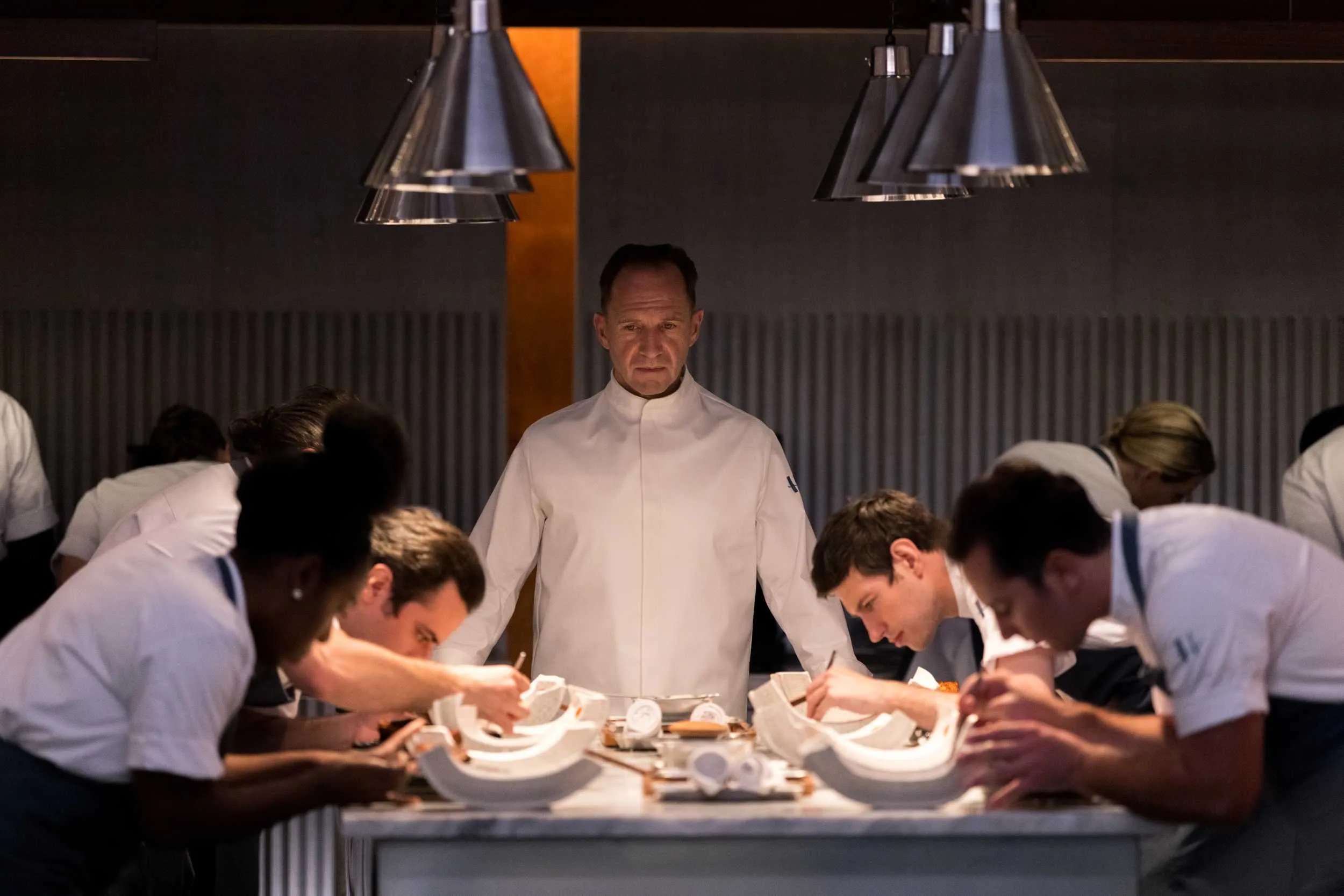
It takes its design and tone from the austere aesthetics of chilly, modernist architecture, which mimics the “look of the land” one builds on in a structure of stone, burnished wood and polished steel, creating a restaurant with the feel of wealth and exclusivity, and all the warmth of an operating room.

That goes for the food in this “foodie thriller” as well — molecular gastronomy, with each gelled, flash-frozen, emulsified course a master class in chemistry, biology and history, pretentiously presented as an occasion in itself, paired with the perfect wine, fermented not just from grapes from “the same vineyard, but the same row of vines.”

And that’s but the backdrop, the milieu of “Succession/Game of Thrones” director Mark Mylod’s thriller, a morality tale with uncertain morality, a plot that doesn’t withstand much scrutiny and Anya Taylor-Joy as its sole “special effect.”

A collection of elite “types” gather on a dock, waiting for a motor yacht to take them to the The Hawthorne, most exclusive restaurant this corner of the world offers. They’re heading into a four and a half hour, multi-course prix fixe meal prepared by a huge staff from locally-sourced ingredients in a no expense spared eatery on an exclusive 12 acre island.

This “biome of culinary ideas” feeds twelve-and-only-twelve swells at each sitting, $1250 per person for the latest and the greatest from Chef Slowik (Ralph Fiennes), who rules his kitchen foot-soldiers, and presides over his guests, like a dictator.

He announces each course with a thunderous clap that echoes through the stone, mahogany and steel dining room like a gunshot. Because we can’t have music to dine by in such a shrine to ego and eating. Diners are urged not to “eat,” but to “taste, savor, relish” each immaculately presented dish.

Every “Soup Nazi” must have his majordomo/maitre’d, and the martinet Elsa (Hong Chau, brilliantly brittle) runs front of house like a military operation, her disciplined foot soldiers serving people from whom she expects the same discipline.

But “no photos” of the food, you poseurs, is sure to fall on deaf ears.

And who is this crowd? There’s the has-been actor (John Leguizamo) with dreams of a travel-cooking show comeback, and his turned-in-her-notice assistant (Aimee Carrero). A trio of rich tech bros (Rob Yang, Arturo Castro and Mark St. Cyr) and an obscenely well-heeled older couple (Judith Light, Reed Birney) join chef’s elderly mother (Rebecca Koon), whom we gather is a regular.

“At least we can say we’ve been here” is overheard, which is the byword of attention whores in any “attention economy” eatery.

A career-making food-critic (Janet McTeer) who “made” our chef is also here with her obsequious editor (Paul Adelstein).

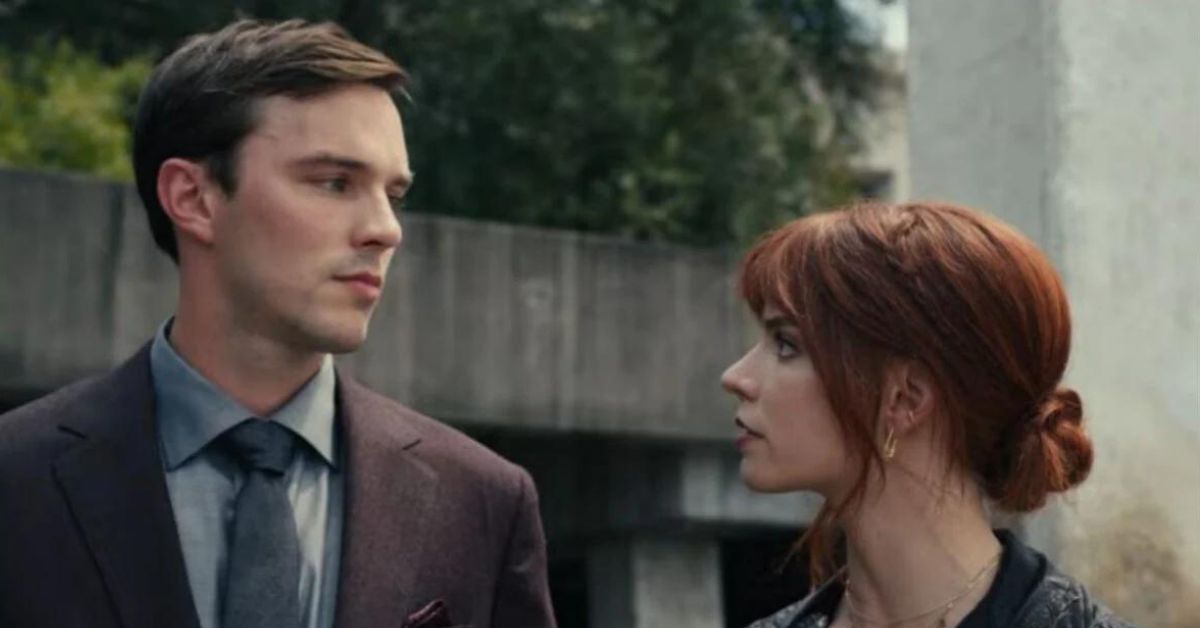
And then there’s the foodie, the well-off and obnoxiously well-versed Tyler (Nicholas Hoult, archly annoying), here to explain why his date (Taylor-Joy) and us why we should relish this experience, revel in the glory of this “artist” and how she and we should celebrate every salmon-egg-sized morsel plated in front of us.

Taylor-Joy’s Margo? She is the audience’s surrogate, taking this all in, refusing to take it all that seriously and taking note of the all red flags about this evening she sees and hears from the all-knowing staff, which likes to “know who all of our guests are,” but which doesn’t know Margot. She was a last minute substitute date.

A bread course — with no bread, but a long written explanation of what they were not deemed worthy of eating — is the dead give-away. With no music to mask individual conversations, Margo and everyone else has to hear Elsa the maitre’d’s stage-whispered hiss to the tech bros.

“You will eat less than you desire and more than you deserve.

It’s when things go “off menu” that “The Menu” is supposed to turn exciting, and instead becomes problematic. We’ve not wholly established what makes this or that character so repellent and such a walking, talking and greedy social ill that they “deserve” whatever is to come, before whatever is to come arrives.

The violence is shocking, but there’s a disconnect to it. “Our” grievance against “their” crimes and transgressions might be explained, but the explanations are lacking. The tailor-made comeuppances — a faithless spouse’s ring finger is lopped off — are too pat, too easy and in no real sense a punishment that fits the crime.

The diners’ rising paranoia is justified, their inertia in the face of a threat — save for the cryptic Margo — predestined. Like the “Blair Witch” Gen X cast, utterly out of their depth in the woods, these coddled one percenters can’t figure out that being told to “run and hide” on an island of a mere 12 acres is a non-starter. And that exercise, cliched as it is, seems to have no point.

But Fiennes has the acting baggage that excuses any need to over-explain his character’s motives. And Mylod lets his camera fix on Taylor-Joy’s perpetually wide-eyed reactions and under-reactions to the mayhem that breaks out, letting us see her (sort of) reason her way through this “last supper.”

“The Menu” is entertaining enough. But the meal is — like the horror movie logic of it all — perfunctory, if magnificently presented. We may not see ourselves in the victims or the victimizers here. But we can all recognize a “type” who gets his just deserts — over dessert — when we see him.

Rating: R for strong/disturbing violent content, language throughout and some sexual references.

Cast: Ralph Fiennes, Anya Taylor-Joy, Nicholas Hoult, Judith Light, and John Leguizamo

Credits: Directed by Mark Mylod, scripted by Seth Reiss and Will Tracy. A Searchlight release.

Running time: 1:46

Posted in Reviews, previews, profiles and movie news | Comments Off on Movie Review: Satire is a dish best served “gelled” in “The Menu”

Tonight’s screening? What’s on “The Menu?”

The perfect movie to open right before Thanksgiving, a class conscious haute cuisine thriller.

We awaken from our triptophan stupors and get away from the turkey to soak up a little Joy — as in Florida born Brit Anya Taylor Joy.

Review to follow shortly.

Posted in Reviews, previews, profiles and movie news | Comments Off on Tonight’s screening? What’s on “The Menu?”

Movie Preview: A Filipino spoof of Gonzo Filipino action films – “Leonor Will Never Die”

If you’ve never seen a Filipino action pic, this could make a fun introduction.

Limited release Dec. 2. https://youtu.be/ro6xty9NWe0

Posted in Reviews, previews, profiles and movie news | Comments Off on Movie Preview: A Filipino spoof of Gonzo Filipino action films – “Leonor Will Never Die”

Movie Review: Trippy Trash, “All Jacked Up and Full of Worms”

Gross, gory and psychedelically nonsensical, Alex Phillips “All Jacked Up and Full of Worms” plays like the sort of indie film guy with a camera and some stoner buddies make.

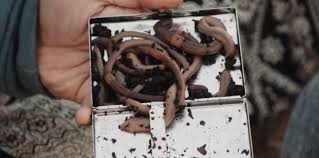
It’s sloppy, semi-scripted and lacks much of anything that you’d call a plot, just random, semi-connected characters bumping into each other, falling into The Latest Thing — hallucinogenic worms — and disemboweling each other to get their hands on more of those narcotic nightcrawlers.

“There’s only one WRONG way to do worms!”

“To NOT do worms?”

That can make it play like an improvisational exercise, see how “out there” you’re willing to take things. Maybe actually eat live worms (just a guess here) to really get into the part. And don’t worry about the filmmaker who’s staging stabbings, self-injury, guttings that take out intestines and the like. He didn’t even bother to get the smudges off the lens between takes.

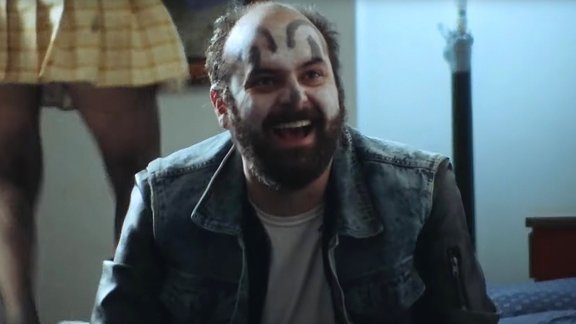
The “plot” could not be more random. It’s got nudity and sex workers and near-nauseating sex, a paganist guru (Dodge Weston) and a pervy ginger named Benny (Trevor Dawkins) who’s ordered “my baby” mail order. It’s a “Youth sized pleasure doll” ready for molesting. Benny either wants to start a family or is on the hunt for an infant to molest, or both.

Disturbing? Yeah. And that’s before he gets his first taste of “worm.” Wanna share one?

“We could do it ‘Lady and the Tramp’ style,” the helpful hooker (Eva Fellows) offers. Eat, chew, snort or take in through gash you slash into your arm, worms are the drug of choice in this corner of the American drug-crazed cornucopia.

Me? I sit down at the bar and some dude’s scarfing worms, I’m telling the barkeep “Gimme whatever he’s NOT having.”

But it’s not really depraved if you’re mocking the depravity, is it? Eh? Is it? Asking for a friend who needs a lawyer.

Rating: unrated, graphic violence, sex, profanity, sex with a baby doll

Cast: Carol Rhyu, Dodge Weston, Betsy Brown, Phillip Andre Botello, Eva Fellows, Mike Lopez, Trevor Dawkins, Sammy Arechar

Credits: Scripted and directed by Alex Phillips. A Cinedigm/Screambox release.

Running time: 1:12

Posted in Reviews, previews, profiles and movie news | Comments Off on Movie Review: Trippy Trash, “All Jacked Up and Full of Worms”

Netflixable? Florence Pugh animates “The Wonder”

I haven’t been the biggest fan of Netflix’s attempts at “prestige” pictures, movies rolled out late in the year with a whiff of “Let’s throw some money at big names and see if we can get an Oscar” about them.

But “The Wonder” is a winner.

A period piece mystery based on an Emma Donaghue novel and starring Florence Pugh, Tom Burke, Ciaran Hinds, Toby Jones and Irish “It” girl Niamh Algar, it’s a parable of Catholic Ireland given a mod, fourth-wall breaking framework by Chilean director Sebastián Lelio, who gave us “Gloria.” He and his players make it not just vividly period-real, but bracing entertainment as well.

It’s a post-potato famine tale of a Crimean War veteran English nurse (Pugh) who has been hired out to bring her Florence Nightingale-trained expertise to “watch” a rural Irish lass who seems to be living without the benefit of eating.

A reporter (Burke) there to cover the “miracle” may label Mrs. Lib Wright “the nightingale who’s come to watch over” this supernatural event, and verify it. But Lib is pretty irked when she figures out the parameters of her duties.

“What kind of backwoods village imports a professional nurse for something like this?”

The locals are unmoved. A council consisting of the doctor (Jones), priest (Hinds) and two local powers-that-be (Dermot Crowley and Brian F. O’Byrne) are hellbent on proving or disproving this miracle, with each having his own agenda, we fear. The doctor, for instance, is all about wacky theories about the child living on “magnetism” or perhaps she’s mastered what he doesn’t know to call photosynthesis. The priest? He’s ready to notify the Vatican that there’s an Irish miracle and future saint at work here.

The nine-year-old girl Anna (Kila Lord Cassidy) just speaks of heaven, hell, purgatory and her diet — “manna from heaven” — which is no help to the nurse.

A nun (Josie Walker) has come to split the “watch little Anna” duty. But with Catholic fanaticism all around her, Nurse Lib can’t be sure of her reliability. Only the cynical, locally-born journalist, returned from London, seems as skeptical as Lib. And he doesn’t care. Not really. He just wants a scoop.

Director/co-writer Lelio’s most obvious clever touch is to set this tale within the realm of storytelling and “stories.” We’re introduced to this world as a set on a steel-walled warehouse soundstage, watching Pugh settle in for the (faked) sea passage to Ireland in 1862 as our narrator (Algar, of “The Last Right”) tells how much these actors “believe in their story,” something she revisits as an older sister to little Anna.

It’s not just actors who love stories, she tells us. The entire Irish people do.

Set on a treeless Samuel Beckett Irish wasteland of mud and turf, “The Wonder” embraces its classification as both a mystery and a parable. The suspicious outsider is pitted against the superstitious locals, who must have summoned an English nurse because they want her to tell her what they want to hear, that this new tourist attraction is heavenly in origin.

Or not.

Our nurse has issues and secrets. So does the family she’s watching, as does the reporter with local ties. There’s more on the table here than Catholic mysticism and belief and acts of atonement.

Pugh is a gifted actress with a big career ahead of her. But there’s no getting around how naturally convincing she is in period pieces from the age of bustles and hair worn in prim, tight buns. It shouldn’t limit her any more than it painted Carey Mulligan, Kate Winslet or Jennifer Ehle into a corner. Still, there’s something to “This is where she lives” in her work in films like this. The emotions are naturally contained, and so much about her says “period piece” that she thrives in such settings.

Burke has been around for years and with “Mank,” “Living” and this film, is just starting to make his mark. There are traces of every period piece journalist (think “Inherit the Wind”) in this sneering hack.

Jones, Hinds, Crowley and O’Byrne are welcome icing on any Irish-set film, period piece or not.

There are limits to how much mystery one can wring out of a story like this, and “parable” is a nail you should only pound so far. But watching “The Wonder” I can’t help but wonder if Netflix is coming out of the stupor that had them writing blank checks to Alfonso Cuaron (“Roma”), Fincher (“Mank”) or Scorsese (“The Irishman”) when they could have been underwriting talent that won’t break the bank with their indulgences, and can deliver awards-worthy entertainments like this.

Rating: R, sex, adult subject matter.

Cast: Florence Pugh, Tom Burke, Kíla Lord Cassidy, Elaine Cassidy, Ciaran Hinds, Toby Jones, Josie Walker and Niamh Algar

Credits: Directed by Sebastián Lelio, scripted by Sebastián Lelio and Alice Birch , based on a novel by Emma Donoghue. A Netflix release.

Running time: 1:49

Posted in Reviews, previews, profiles and movie news | Comments Off on Netflixable? Florence Pugh animates “The Wonder”

Movie Preview? Forgiven Will Smith yet? He’s ready for “Emancipation”

The Oscar winner shows up on Apple TV with this 19th century period piece about a runaway slave.

Ben Foster also stars. Dec. 2

Posted in Reviews, previews, profiles and movie news | Comments Off on Movie Preview? Forgiven Will Smith yet? He’s ready for “Emancipation”