




I’m hard-pressed to think of another author in the English language whose work seemed destined for “mini series” treatment than Charles Dickens. The man wrote novels in serial form. He was literally incentivized to write long. When the serialized story “Great Expectations” became a book, it was published in three volumes.
But even though I appreciated the “Little Dorritt” PBS series that PBS picked up some years back, and tried to get into the various TV incarnations of “Bleak House,” he still seems like the perfect wordy writer to boil down to feature film length adaptations. The poor reviews for the current “Great Expectations” series seem to back that up.
There have been several takes on this novel on the big screen over the years. Ethan Hawke and Gwyneth Paltrow even managed a perfectly acceptable modern version filmed and set near on the Gulf Coast of Florida. But it is the third film of Dickens’ pentulimate novel, the one David Lean filmed in 1946, which endures.
DLean had only recently transitioned from editor to director, and this, his first Dickens adaptation, stands as the definitive “Expectations,” and sits happily on any list of the most beautiful films ever made in black and white.
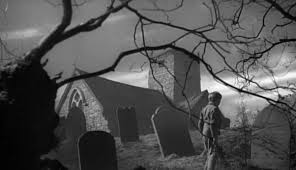
The production design by John Bryan and Oscar-winning art direction by Wilfred Shingleton has a lovely “Hard Times” look of struggle, inequity and decay. There were hints of Dickensian England still extant, even after two World Wars, so summoning up the era in 1946 wasn’t the most difficult reach.
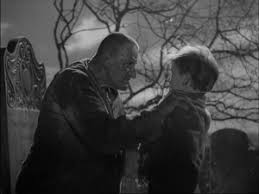
And Guy Green’s Oscar-winning cinematography played up the shadows, gloom, fog and fear that captivates the viewer from its opening moments, a boy (Tony Wager) stumbling into a gigantic convict (Finlay Currie) in a foggy church cemetery just before dusk.
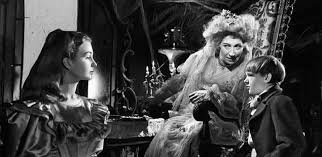
A fine cast that included the cream of British character players — Currie, Martita Hunt, Valerie Hobson, Francis L. Sullivan, Bernard Miles, Ivor Barnard — rising star John Mills, Lean’s future muse Alec Guinness and future starlet Jean Simmons brought the iconic characters of this brooding, comical cliffhanger of a novel to life.
Lean and co-writer Ronald Neame gave the novel a decent trimming, condensing characters as they did, making one of the best cases for Dickens being the perfect writer to adapt. It’s easy to get a taste of characters and scenes that don’t need to be play out at full, exhaustive length for us to get the gist of them.
No. It only seemed Dickens was “paid by the word.”
Continue reading












 Movie Nation