
The seminal, genre-bending , world-conquering alt rock/rap/funk band The Red Hot Chili Peppers turn sentimental and surprisingly sweet in “The Rise of the Red Hot Chili Peppers: Our Brother Hillel,” the new documentary about how they formed, their disparate infuences and the key pieces and players who defined their sound.
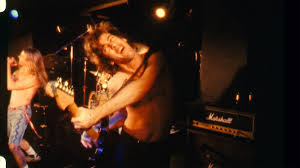
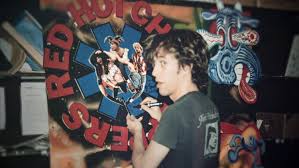
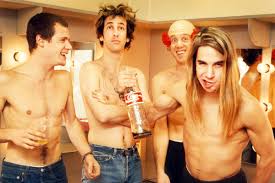
Ben Feldman’s film gets the earliest members of the band and pre-“Peppers” lineups to sit down and talk about the Israeli-born guitarist, Hillel Slovak, who befriended, inspired and brought singer/rapper/songwriter Anthony Kiedis into the fold and who convinced Flea (Michael Peter Balzary) to give up the trumpet and learn how to play the bass.
Slovak overdosed in 1988, just as the band was hitting its peak. But Kiedis, Flea, original drummer Jack Irons and producers George Clinton and Michael Beinhorn praise the funk/proto speed metal riffs and tempos Slovak introduced that replacement guitarist John Fusciantes, who idolized him, could only hope to replicate by “getting inside his head.”
Fans will know much of this story — the evolution from Slovak, Irons and Alain Johannes’ high school ’70s metal band Anthym to What Is This? and then The Red Hot Chili Peppers formation in 1982-83. But even they may be surprised at the details all involved reveal, at the readings from Slovak’s journals, which he kept from his teens until his death, and at the teary affection all involved still have for their first guitarist.
And the Peppers-friendly of the more casual variety can be dazzled by the explosive rise of what might be called the first post-radio rock supergroup, a band that pretty much changed the LA music scene and the future shape of alternative rock with their first single-song solo set, opening for their friend — rapper, designer, chef and LA influencer Gary Allen — in a small L.A. club.
“I knew I had heard the future,” Allen enthuses.
Kiedis has been the wild-eyed mascot of their high school outsider group, shirtless dancing at their gigs, dabbling in rap once they all heard Grandmaster Flash for the first time, playing around with poetry until that moment — at Allen’s suggestion — that he took the mike and became the most frenetic frontman of his era, maybe ever.
The downside of success was just as sudden, as the boozing/pothead pals all could now afford to dive into cocaine, heroin and anything else, with Slovak and Kiedis leading the way, and almost leading all of them astray.
The offstage Kiedis may be well past his exhibitionist/andrognyous gonzo sk8Rboi youth. But his adult frankness in discussing the band’s fractures and his own battles with addiction flesh out the doubts even an increasingly famous frontman battled.
Flea is almost shockingly accessible here, tearing up at this memory, that rift and his idol’s death. He and Kiedis were just “little punk a–holes” at L.A.’s Fairfax High, outcasts taken in by the tall, poodle-haired rocker Slovak was even then.
“He was cool,” Flea marvels. “Not ‘popular'” prom king “cool, just cool.”
And they all — including Irons and Johannes, who lost his band and record deal after Slovak finally made his Chili Peppers “side band” commitment permanent — come off as reflective, sober, compassionate and grateful to each other for the life-changing experience their stardom or near stardom gave them.
But “Our Brother Hillel,” speaking from beyond the grave, reading from his journals — his voice re-created via AI samples of scads of ’80s interviews — was already there. Drug-addict or not, he was the one whose signature sound and his love bonded this band of brothers and set the stage for the enduring fame that they’d achieve long after his passing.

Rating: R, drug abuse, profanity
Cast: Anthony Kiedis, Flea, Jack Irons, Addie Brik, Gary Allen, Alain Johannes, John Fusciantes, Michael Beinhorn and George Clinton
Credits: Directed by Ben Feldman. A Netflix release.
Running time: 1:35














 Movie Nation