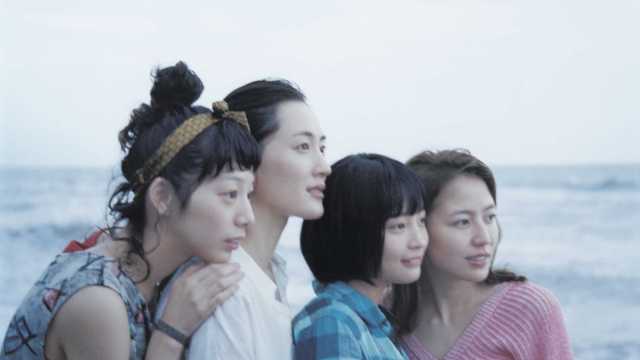
Hirokazu Koreeda‘s “Our Little Sister” is a subtle, almost painfully slight character study about three young women whose opinions of their parents are enriched and polished when, after their wayward father dies, they take in a half-sister they never knew.
Koreeda also somewhat unwittingly shines a light on a Japanese cultural cliche with this film, based on a manga (adult comic book). As the “little sister” of the title (Suzu Hirose) is a pretty 13-year old and almost always seen in a particular costume, we see another example of a particular Japanese predilection. They will watch (or read an illustrated book) most anything with a uniformed Japanese schoolgirl in it.
Their father has just died, and Sachi (Haruka Ayase), Yoshino (Masami Nagasawa) and Chika (Kaho) don’t seem at all torn up about it.
Ranging in age from late 20s to about to turn 20, they live together in their grandmother’s house. Their father leaving their mother for another woman forever darkened their opinion of him and had a lasting impact on their lives because Mom, in turn, left them with grandma when she herself moved on to a new husband and new life.
Yoshino works in insurance customer service and, even though we meet her as she gets out of her latest lover’s bed, has no luck with men.
Young Chika dates a mountain-climbing-obsessed colleague at the sporting goods store where she works, a guy who wants to show one and all the toes he lost to frostbite on Everest.
Responsible, organized Sachi is the oldest, a lonely head nurse with a tentative and secret relationship with a married doctor.
At the funeral in Yamagata, they’re greeted by Suzu, their dad’s daughter by one of his other two marriages. She is lovely and sad. Dad’s last wife will only reluctantly raise her, so Sachi, reasoning that the widow didn’t care for their dying dad — Suzu did — impulsively offers to take her home to Kamakura.
And there they settle into routine, with each sister, in turn, preparing meals, doing chores, getting Suzu to school and getting on with life. As they cook together, clean together, pray to their ancestors together or walk together, one-on-one, each starts to pick up on something they didn’t realize about their father and still-living mother.
Not that there aren’t suspicions — that the girl was coached to behave a certain way so that the widow could get an unwanted reminder of her late husband out of the house, that the sisters don’t realize what they’re in for, essentially raising a teenager on their own.
“She’s not a pet, you know,” a wise old auntie advises them (in Japanese, with English subtitles).
The book it was based on had the title “Umimachi Diary,” and that’s very much what Koreeda has given us here, tiny slices of life presented in almost static scenes and vignettes.
Suzu plays soccer and meets a boy at her new school, and gets into the plum wine — typical teen stuff. There’s a favorite neighbor and friend who runs a diner and is facing legal, sibling and health issues. Yoshino is dumped, by phone, again. The sisters pass judgment on each other’s lovers, though Sachi is keeping hers under wraps.
Nothing much happens, and “static” scenes render the sympathetic performances into inorganic action-reaction moments. There’s little flow, which explains the film’s funereal pace as well.
But each sister, in coping with a new sibling and new revelations, comes to tiny new self-awarenesses — nothing overtly expressed, just a tiny flicker of recognition in each actress’s eyes. Oh yeah, that’s why I am the way I am.
It’s easy to confuse “subtle” with depth, and it’s helpful to remember this director did “Air Doll,” a fantasy about another cliched Japanese contribution to world culture — blow up sex dolls.
But “Our Little Sister” is just engrossing and revealing enough to be worth your time and make you glad you invested in it when it’s done.

MPAA Rating:Rated PG for thematic elements and brief language
Cast: Haruka Ayase, Suzu Hirose,Masami Nagasawa, Kaho
Credits: Written and directed by Hirokazu Koreeda, based on the magna (comic book) by Akimi Yoshida . A Sony Pictures Classics release.
Running time: 2:07
 I won’t go so far as to call this the most disappointing summer for cinema in decades, but I think you could make the case for that.

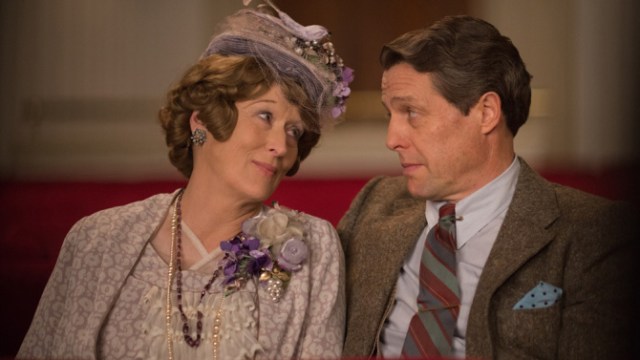
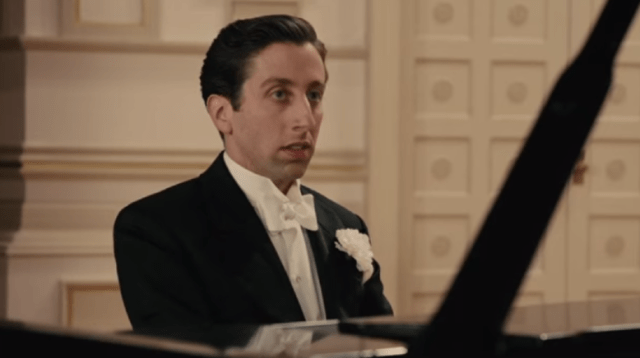 But Florence is hilarious, and sadly fragile, and Streep makes her pain both funny and poignant. We wince on her behalf, wondering who will be cruel enough to tell her the truth first? A critic? Real musicians, like Cosme? St. Clair’s live-in lover (Rebecca Ferguson)? The abrasive Agnes? The gays? The soldiers and sailors who fill every spare inch of New York in 1944?
 Jeff Bridges dials up his thickest drawl since “Wild Bill” as the about-to-retire Texas Ranger on their trail. Gil Birmingham is the half-Mexican/half-Native American partner who has to endure his instincts and hunches, and his good ol’boy racism.

 They take on girlfriends (Charlotte Le Bon of “The 100 Foot Journey” and the wonderful Czech actress Anna Geislerova), women who have only the vaguest idea of just what will be asked of them.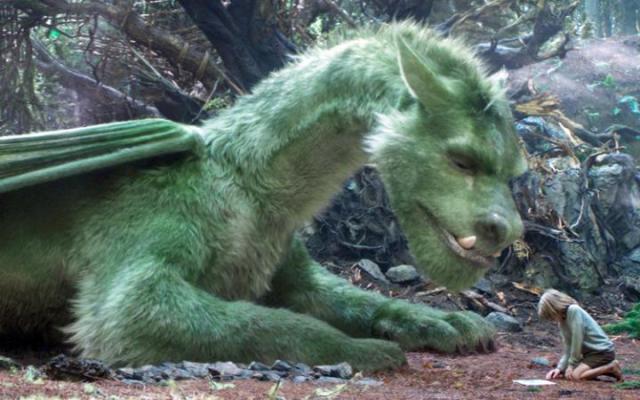
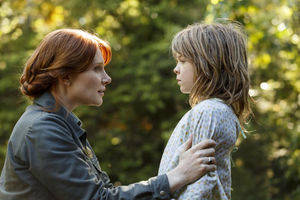 Howard’s character is the warmest she’s ever played, although she still has icy traces of “Jurassic World” in her inability to interact easily with kids.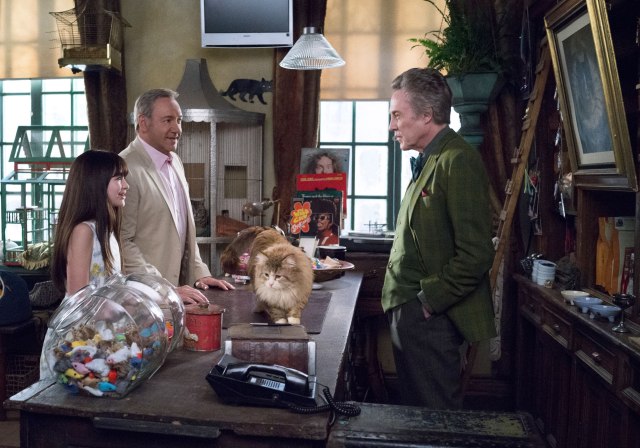

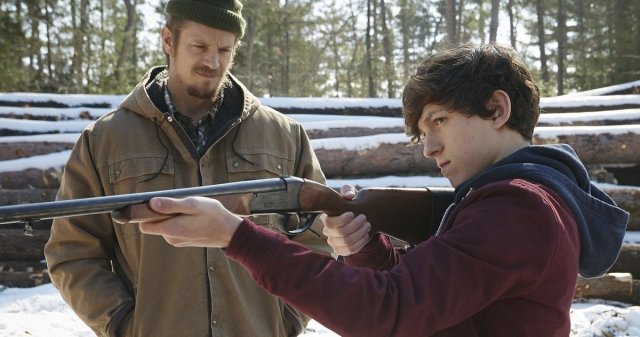
 “Edge of Winter” enters my field of vision with a natural advantage. It’s my kind of story — gritty, woodsy, with a hint of survivalism about it. There’s still a vicarious thrill in experiencing wilderness through those trapped in a life or death situation in it.