
Style trumps story and performance in Tom Ford’s “Nocturnal Creatures,” an arch film noir wrapped in the plastic of art world aesthetics, and damn near smothered by them.
The second film from the fashion designer and former creative director for Gucci glams up Amy Adams, but gives her one of the most constricting roles of her career. Ford casts Jake Gyllenhaal as the would-be novelist college professor she left behind for the callow ambition and money of the runway-ready Armie Hammer.
And the film, built around the icy art entrepreneur/museum maven Susan (Adams) stylishly coming to grips with her failing second marriage while reading a self-referential confessional thriller novel manuscript by her first husband (Gyllenhaal), veers between a commentary on modern manhood, and parody of the mercenary nature of marriage in America, at least among the affluent and heterosexual of Texas.
An art show opening offers a chic, shallow triumph for Susan, whose marriage to Hutton Morrow (Hammer) is falling apart as his business fails and he compensates by cheating.
“What right do I have to not be happy?”
But there’s the consolation of “Nocturnal Animals,” a novel her ex Edward Sheffield (Gyllenhaal) sent for her to read in her designer bed, in her showpiece bath tub, all in her glistening, austere Architectural Digest home.
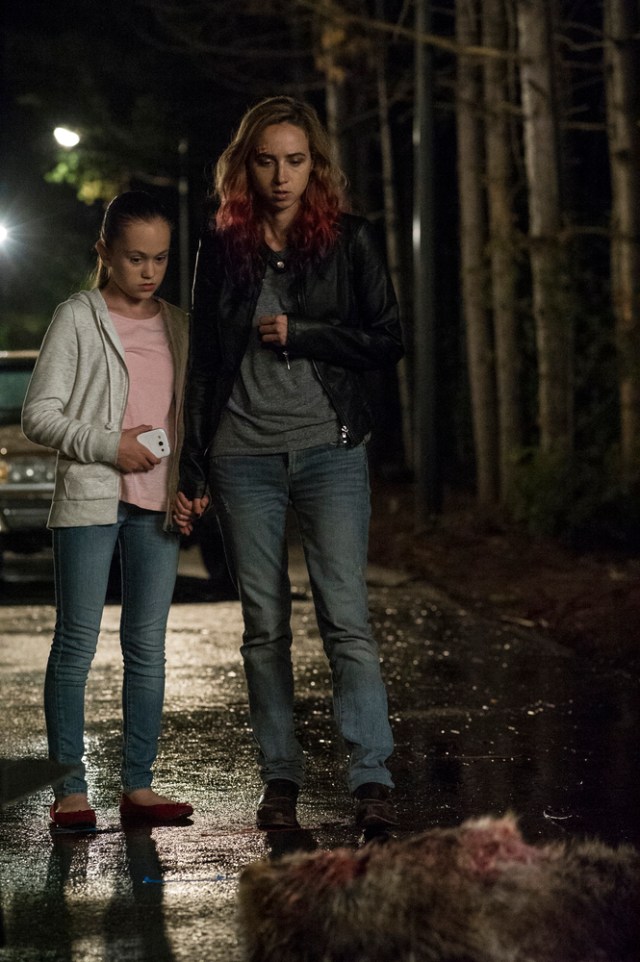
As she cozies up with the book, she flashes back to that first marriage, young idealistic love which her frosty, frosted “Real Housewives of Dallas” mom (Laura Linney, killing her one scene) warned her away from. And in the pages of the book, she imagines Edward as its antagonist, Tony Hastings, a man whose equally red-headed wife (Isla Fisher) and daughter (Ellie Bamber) are taken from him in a road confrontation with West Texas deplorables straight out of “Breakdown” or “Deliverance.”
It’s in this novel’s alternate reality that “Nocturnal Animals” is on surer ground. It’s a simple yet riveting film noir — a morality tale about a “good” and “sensitive” man whose every reaction to the dire circumstances he, his wife and teen daughter face is inept and inadequate. In a lawless landscape where the only help is the gun Tony doesn’t have in the glove compartment of his vintage Mercedes diesel (not the car to outrun outlaws with), city academics are helpless.
The cop who shows up to investigate the night’s horrors is droll, dry and judgmental. He seems to “tsk tsk” the lack of firearms used in the crime, or by Tony to defend himself. And since he’s played by the great Michael Shannon, he takes over the movie.
“I’m Bobby Andes,” the tall, skinny, chain-smoking detective drawls. “I look into things around here.”
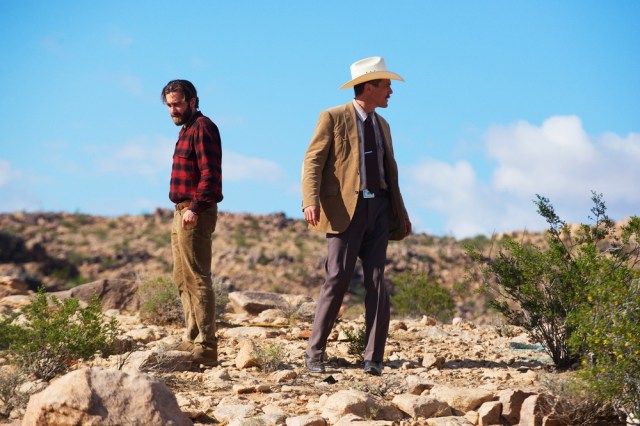 Shannon gives yet another Oscar-worthy performance as this man’s man who only slowly softens enough to understand the hopeless dilemma Tony faced, and whose idea of justice is as primitive as Tony’s was passive and modern. They’ll “get” their men, and how.
So this is how Susan’s ex sees himself and their marriage ending, trapped by her view of him, doomed by the traits she decided — after marriage — that he needed to make her happy. Not that we can tell she ever has been. Happy, I mean.
In glamour shot close-ups, Adams wears the heavy makeup, black dresses and matchiung nail polish like she was born to it and Ford makes sure she looks like she stepped straight off the cover of Vogue in every scene. Gyllenhaal is required to physically shrink in both of his roles — as Edward, and Tony as Susan imagines him. He wears his heart and his reason on his sleeve and we realize they’re both circumscribed characters who never quite compliment each other.
Linney and Michael Sheen (as a gay art world habitue) glimmer in bit parts, Fisher has nothing to play but increasingly distraught victim. Aaron Taylor Johnson’s monstrous turn as rural road rage and resentment personified is so over-the-top it would feel like fiction, if we hadn’t seem ample news footage of his “type” these past few weeks.
Which leaves the movie to Shannon — glowering, inhaling cigarettes, breathing life into the middle acts of a movie that feels more like a fashion spread surrounding a piece of short fiction about the alien world of West Texas slapped into the latest issue of Elle, Vogue or the like.
Whatever trappings surround it, the terrible, only-happens-in-the-movies crime and his character’s investigation of it are all that animate these “Nocturnal Animals.”

MPAA Rating: R for violence, menace, graphic nudity, and language
Cast:Amy Adams, Jake Gyllenhaal, Michael Shannon, Isla Fisher, Armie Hammer, Ellie Bamber,
Credits:Written and directed by Tom Ford, based on an Austin Wright novel. A Focus Features release.
Running time: 1:57



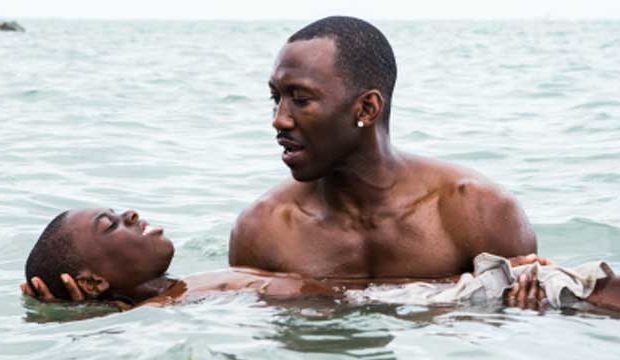
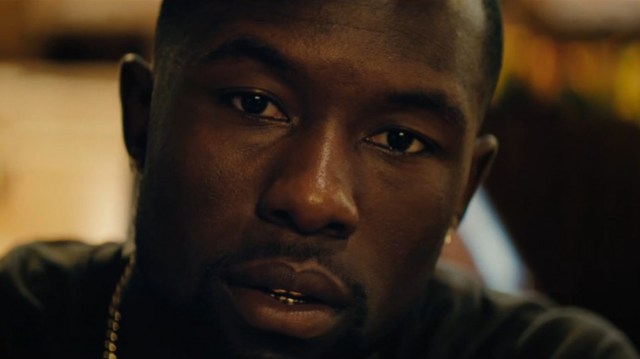 Jenkins drops so many surprises into the plot, doling out information in compact, complex moments in between casually-observed slices of life, that it’s OK to give away the first couple — Juan’s real character, little’s real curiosity — because there are so many more that will rattle you.
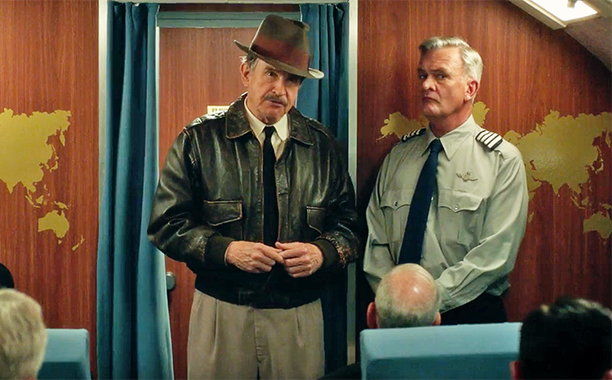
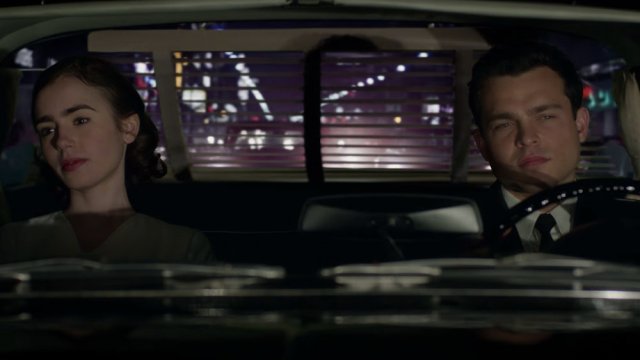 It’s a showplace overlooking Los Angeles from high on a hill, with The Hollywood Bowl just below. Marla, a virginal Christian from Front Royal, Va., has been picked for a screen test for Mr. Hughes, labeled “The King of Hollywood” even though this is 1958 and his last mark on the movies was made a dozen years before.


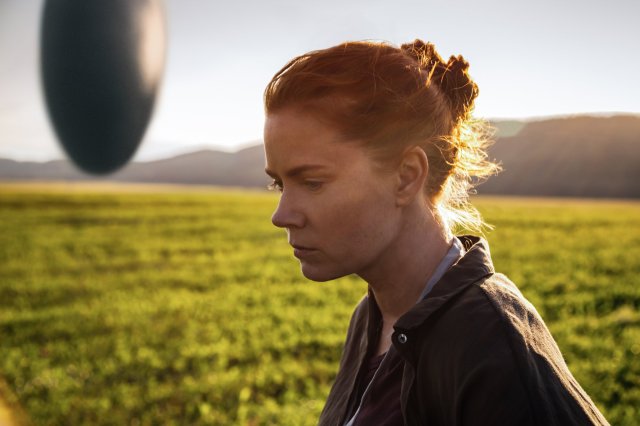
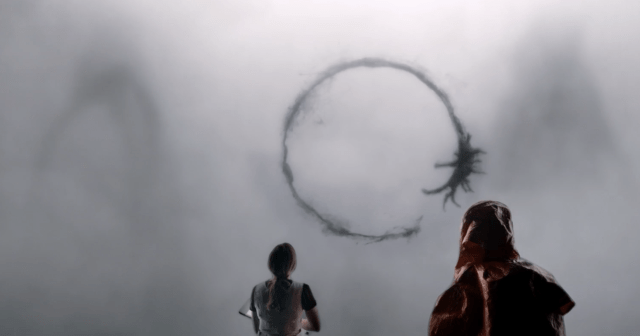 This is science fiction where the effects are simple and generally subtle. The film’s quiet urgency is underscored by soft voices and gloomy lighting. “Arrival” demands our full attention even as it is threatening to invite a nap. The urgency here is subdued and subtextual , the story itself entrancing to the point of mesmerizing.