
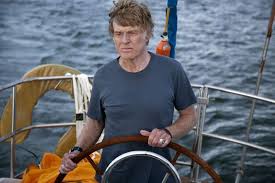

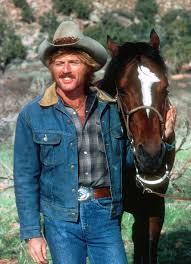
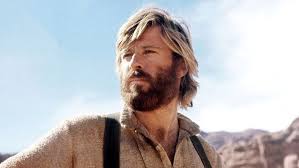
Hard as it might be to believe, there is such a thing as being too “classically handsome” or just entirely too good looking when you’re a movie star.
Don’t ask Warren Beatty, whose ambition and range were obvious and whose connection with the zeitgeist could be uncanny.
But ask Cary Grant. Or Paul Newman. Or Brad Pitt. Or Robert Redford, who passed away today at 89.
A chronically underrated icon, THE leading man of his era — just after Newman and McQueen and Poitier, just before Denzel and Pitt — it took a lot of doing to get critics to take Redford seriously and for The Academy to not punish him for being the complete package — too damned tanned, rugged and WASPy beautiful for his own good.
I mean, awarding Beatty was enough, right?
But Redford dazzled in action, in comedies and action comedies, held the center in epics that wouldn’t have passed muster without his presence and made a handful of the most enduring films in American cinema history.
Tick off a list of your own favorites and weigh them against the Oscar winners the year they came out. We’re still watching “The Sting” (an Oscar winner, just not for Redford), “Downhill Racer,” “The Candidate,” “Butch Cassidy and the Sundance Kid,” “Jeremiah Johnson,” “The Electric Horseman” and “All the President’s Men.”
“Three Days of the Condor” holds up, his “The Great Gatsby” is still viewed by kids looking for shortcuts in a book report. And “A Walk in the Woods” amused, his last fun “buddy” picture with Old Man Nick Nolte, who outlives him.
We should be watching “The Hot Rock” –still a hoot — and “All is Lost,” not his final performance, but one of his finest. He still brought that twinkle that could take your breath away in the charming “The Old Man & the Gun.”
Fans embraced the former high school baseball star as “The Natural” and “The Way We Were” was the most celebrated romantic schmaltz of its day. “Out of Africa” to “Sneakers,” “Brubaker,” in his prime — which lasted decades — his movies were events.
He directed with skill and “actor’s director” care on prestige pictures such as “Quiz Show,” making his debut behind the camera with “Ordinary People,” which finally earned him Oscar recognition — behind the camera.
He was the voice of The West in “A River Runs Through It.” He founded The Sundance Film Festival and helped launch the independent cinema movement.
I interviewed him a few times over the years and found him disarming and even amusing, a Hollywood Man in Full, so comfortable in his status and his own skin that he was among the first Big Names to move away from Hollywood to keep his focus, his sanity and his mystique.
Newman was his great role model.
A Santa Monica native who wound up in New York studying acting, and landing roles first on TV, he turned his big breaks (“Inside Daisy Clover,” “This Property is Condemned,” “Barefoot in the Park”) into status.
Redford’s move to Utah pushed his environmentalism into the spotlight, a passion that, like his politics, he wore on his sleeve and was hated by the hateful for it. The few late movies that leaned into those politics — “Truth” and “The Company You Keep” — were interesting failures.
Recent generations have rediscovered him, zeroing in on his turn as “Jeremiah Johnson” as if they discovering an overlooked Grand Master, which he kind of was.
Redford laughed and laughed about lying his way into the role of a solo sailor who faces disaster in “All is Lost.” At 77, he didn’t really have an idea of what he was getting himself into. Director J.C. Chandor had the last laugh on that “test,” which is riveting and “real” thanks to Redford’s commitment.
But another awards’ season passed without the acting recognition that should have come his way, yet never really did. He’ll make a helluva “In Memoriam,” thought. At least he outlived the generation of critics who never took him seriously.


 Movie Nation