First Oscar thoughts, well HEY, they nominated Ciaran Hinds for “Belfast.” And Judi Dench! Pair up two scene stealers, let’s see if it pays off.
And there’s Kirsten and Kristin and Jessica Chastain, LOADED Best Actress and Best Supporting Actress fields.
There’s Denzel, but no Best Pic, best director love for “Macbeth?” Plenty of Oscar attention for “King Richard,” and Will Smith finally gets his shot at the big brass ring.
Andrew Garfield was MUCH better in “The Eyes of Tammy Fay” than in that instantly-forgotten “Tick tick…BOOM.”
“CODA” becomes the little picture that could, “Drive My Car” makes noise outside the Best International Feature category, and “Don’t Look Up” elbows its way in.
“House of Gucci” got almost no love at all. Lady Gaga hype smothered that, I figure.
Kathryn Hunter, embodying all three “witches” in “Macbeth,” and Cairtrona Balfe (“Belfast”) can be considered acting snubs. “Cyrano” did about as well as “House of Gucci.”
While “Power of Dog,” “Belfast,” “West Side Story” and others clean up.
I’d call “Drive My Car” and “CODA” the big winners, four and two nominations and in the conversation for good.
It’s been hard to work up any enthusiasm for the Academy Awards during the Pandemic Years. They always seem trivial and self-congratulatory, never more so than with the even more insipid than usual “announcement” ceremony this AM.
Going to do a few running counts here to see where everything stands, and update this as the AM progresses. Looks like “Dog” pulled in seven, as did “Dune,” which cleaned up in the tech categories. “Belfast,” “West Side Story” and “King Richard” nabbed six nominations.
They hand these statuettes out this year, at the 94th Academy Awards, on March 27 on ABC.
The potent warnings about about how societies descend into fascism are scattered throughout “Fabian: Going to the Dogs,” a German drama about the people, attitudes and conditions of 1931 Weimar Germany, based on a novel published as it was happening.
Nazis aren’t seen that often in the movie, about a young ad-man’s romantic despair, distress at the decline of a friend and unemployment. He side-eyes the occasional goons, always traveling in groups, practicing random acts of intimidation. He and we glimpse the political posters papered over a somewhat anarchic, decadent Berlin. Radio reports of anti-Semitic diatribes by the fringed, uniformed political party’s leadership are sampled.
And late, very late in the third act, a seemingly responsible, educated older academic uses the word “order,” as in something the country desperately needs to restore, thanks mostly to over-dressed SA dandies kidnapping diners in crowded restaurants while everybody else either pretends not to see, or wishes someone would “do something” about this.
But in “Fabian,” such overt, chilling messaging is scattered throughout a three hour long movie. The metaphors — diners listening to (playerless) player pianos, carrying on via auto-pilot as all this is going on, a real suicide that foreshadows national, cultural suicide, the expedience of pursuing fame by prostituting oneself while love is left to languish — are equally scattered.
In a film this long, with so many conversations, so many unhurried searches, flirtations, interventions and languors and enough cigarettes sucked down to sink the Bismarck, all the distractions from the Big Theme do is make one mutter, “Gott im Himmel, get ON with it! Get to the POINT!”
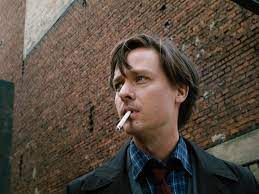
Tom Schilling is the title character, a 30something WWI vet given to bar hopping at the cabarets, smoking a lot of ciggies and being late to work and with his rent. His rich, entitled pal Labude (Albrecht Schuch) may be in grad school, waiting for his thesis on am 18th writer to be accepted. But at least he’s out there, trying to organize workers into unions, agitating for change.
Whatever the Nazis, Socialists and Communists want individually, what they all scream for is an end to the Social Democrats, the status quo. Not that any of these minority parties could ever come to power, oh no. Ahem.
“I don’t believe reason and power will ever unite” to stop them, Fabian muses (in German, with English subtitles). He’s a writer, collecting anecdotes, phrases, observations in his notebooks as he prowls the night and stands in the unemployment line in the day. We see him dismissed from his ad writing job in the worst “You think you’re too smart for this work, let’s find out” ever.
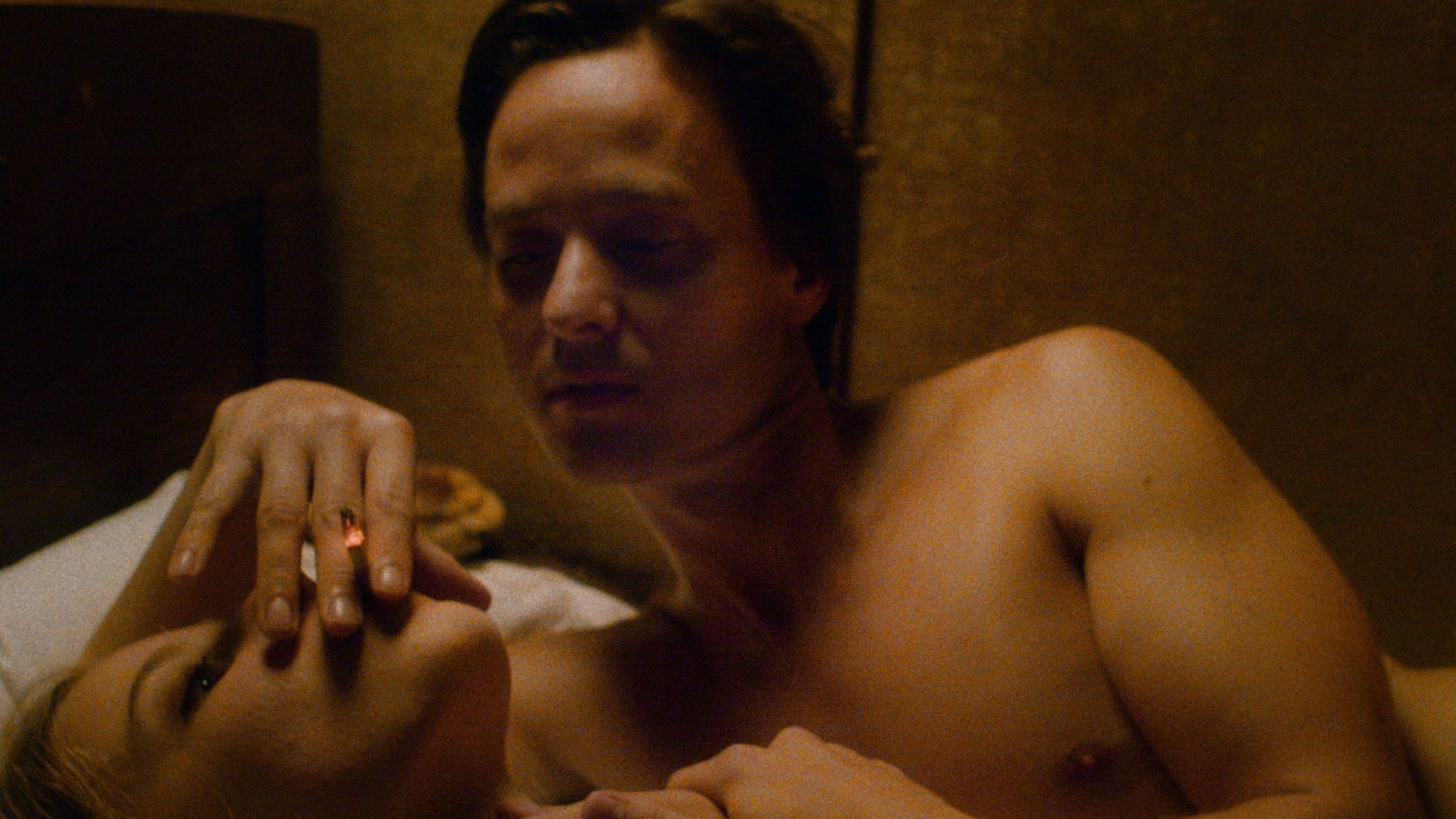
But one night he meets the young “film industry lawyer” Cornelia Battenberg (Saskia Ronsendahl). And on a long, leisurely wander through the (carefully chosen, to reflect age and post-WWI decay) streets of Berlin, they chat and flirt and find out — eventually — that she’s the new tenant in his homey apartment house.
He doesn’t tell her until after the sex, of course.
Cornelia is pretty enough to be in films, not litigating contracts for them. And she knows it. A producer has his eye on her, which could be “their” lifeline, should he choose to “keep” her, with Fabian running out of cash and all.
That’s the big moral compromise at the heart of this tale of exhausted, avoidance-driven decadence. Fabian may invite homeless vets to join them at lunch in cafes, chat up his fellow veterans of “The war, the damned war” in lines. But he’s doing nothing more than taking notes.
Everybody is waiting on someone unseen to “DO something” about all this. And no one does. Maybe those guys in the brown shirts and jack boots have some ideas.
Filmmaker Dominic Graf, who directed and co-wrote the adaptation of Erich Kästner’s twice-filmed “cinematic” novel (he was best known as a children’s lit author, “The Parent Trap” was based on one of his books), saved a lot of money on sets and period recreations by limiting the light in the Weimar era nightclubs and rooms (throw pillows in a pool of light) and using unretouched and uncolorized documentary footage of the streets and people on them to capture the Berlin, 1931 effect.
A tram here, a car there, a little attention to wardrobe, and contrasting haircuts (a Hitler/Himmler buzz was the dead give-away somebody was a Nazi) and we get an idea of what this world looked like.
But “Fabian” fails to immerse us in that world, and being as leisurely as a limited series in its pacing, loses the urgency of what to later audiences can only be a “cautionary” tale. The video cinematography is grainy and 1990s TV quality.
Brothels and “kept women” and transvestites aside, it never feels all that decadent. And their world never feels as if its alarmingly spinning towards its doom, both of which may be precisely the point Graf was going for.
It’s just that dawdling this much, spreading your incidents over this much time, makes for somewhat dull cinema, with our “searching for himself” hero (Schilling looks a bit like a German Andrew McCarthy) losing track of what’s important in a smoke-screen of his own creation.
Channel surfing this evening after laboring through a three hour picture on Weimar Germany, I stumble across one of this month’s many broadcast offerings of Sidney Poitier films, the best way to honor a screen icon whose noble life off the screen was highlighted when he passed away last month.
I’ve seen “Edge of the City” before, but never reviewed it as a “classic.” And I missed the first few minutes this time, so I will have to get around to it later
But it struck me how one way many of us ignored in looking at the Oscar winner’s legacy is worth remembering as Movies!, The Grio, ThisbTV and others broadcast his movies this month.
He was a role model and a paragon of representation and much more to Black America. White folks of my parents’ generation saw him in a similar but different light.
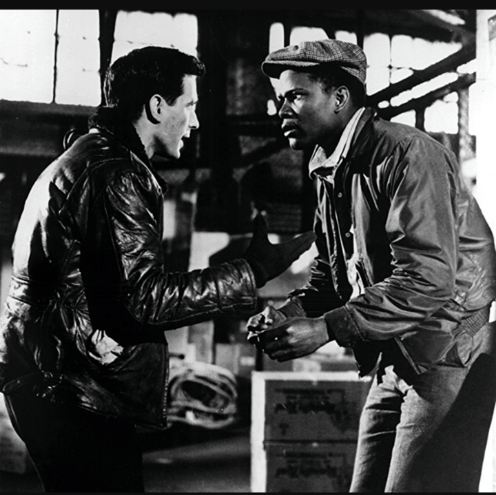
In movies like the working class “Edge of the City” and “Lilies of the Field” and ” The Defiant Ones,” he played characters who reminded working class white America that they/we have a lot more in common with working Black folks than the divide and conquer fat cats who pull the strings.
Pair him up with Curtis or Cassavettes or Paul Newman (“Paris Blues”) and you see absolutely no difference between them and him, as a character of the same class, with the same goals and struggles, with the added burden of misguided racism stoked by The Man.
And here was this classy guy with an eye on the Big Picture, the Reasonable Black Man who doesn’t kowtow but supports, makes the extra effort to befriend, who gently forces his costar/characters to acknowledge his humanity, if that’s something they’re reluctant to do.
Even in films like “Guess Who’s Coming to Dinner,””Paris Blues” and “Lilies of the Field,” something more interesting is happening. He is accepted as equal, if not morally superior in some ways. Lots of films such as “In the Heat of the Night” put him on that intellectual and moral high ground. “Acceptance” and “equality” are normalized.
Consider yourself invited and challenged to take another look at Poitier this month, via the movies that are served up to remind us of what a Bahamian-American original he was.
The Spanish Civil War is the one modern conflict that never seems to run out of lessons to pass on to us. The intimate, epic-length Spanish drama “The Endless Trench” is one of the best illustrations yet of what being on the losing side in a fight against fascism can be like.
It’s a fictional film based on something that really happened in Spain in the 1930s. As the German, Italian, Catholic Church and Texaco-backed Falangists of Francisco Franco gained the upper hand, death squads traveled far and wide, executing Republicans or people with any suspicion of having harbored leftist views.
Many fled the country. But that wasn’t the only way of surviving this slaughter, and the decades of fascist rule that followed.
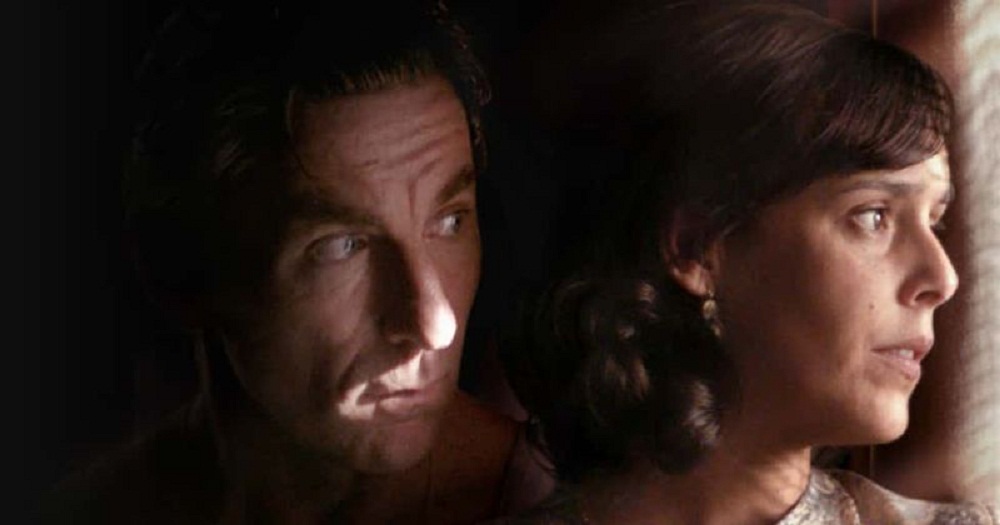
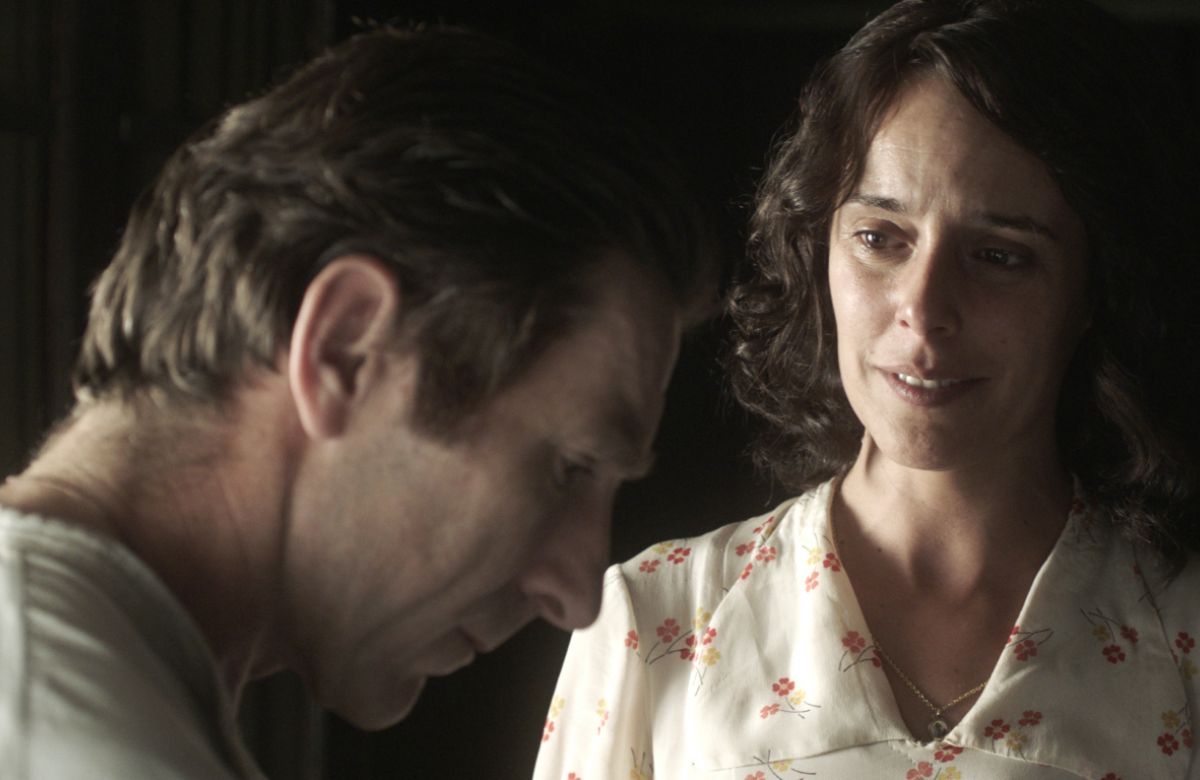
Higinio (Antonio de la Torre) hears the trucks roll into his small town. His new bride Rosa (BelénCuesta) is awakened by the thunder of jackboots, the pounding on doors. But panicked or not, all isn’t lost. Higinio dug out a little hiding place, and that’s where he lays low as troops rush in, toss the joint and threaten Rosa, ignoring her pleas (in Spanish with English subtitles, or dubbed) that “He never hurt anyone. He shouldn’t be on a list!”
When the troops storm into the next house, Higinio attempts an escape. A neighbor (Vicente Vergara) rats him out, they struggle, and the bullets fly as our victim flees into the night.
He dives into an abandoned well, where others “on their list” hide, leading to an “I could see ALL this coming…Bullets don’t solve anything” political debate, standing knee-deep in water as Civil Guards storm by, shooting others on the run.
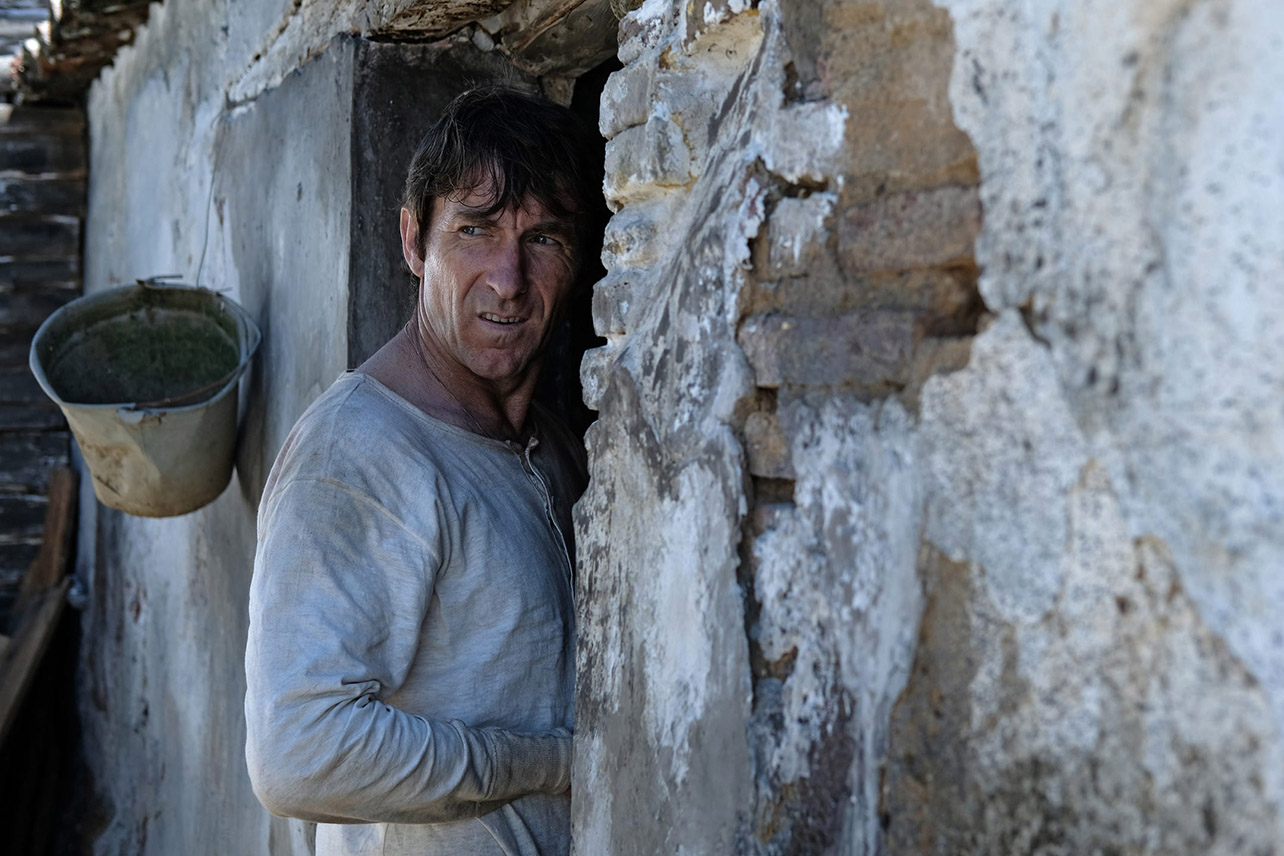
The wounded Higinio can’t get away, which might ensure his and the under-scrutiny Rosa’s safety. It’s back to his hidey hole. For years, as it turns out.
Three directors and two screenwriters contrive an epic story of survival, paranoia, bravery and cowardice. “The Endless Trench,” which takes its title from a surreptitiously dug escape route Higinio starts on, changes locations and with that, changes the dynamics of their relationship.
Rosa feeds him, hides him and wants something like a life, which their circumstances seem to preclude. He is forever erring on the side of paranoid caution. That neighbor, Gonzalo, really has it in for him. And we hear just enough of Gonzalo’s story to understand why that is, right or wrong.
An endurance contest begins, World War II starts and as the Allies plunge into their global war against fascism, that becomes Higinio’s hope. –“Wait for the Allied victory.” Surely they’ll come for that murderous rat Franco, afterwards.
But as years pass, and more years after that, the story that started so harrowing grapples with paranoia that grows, rather than subsiding, and something like despairing resignation sets in. It can be heartbreaking.
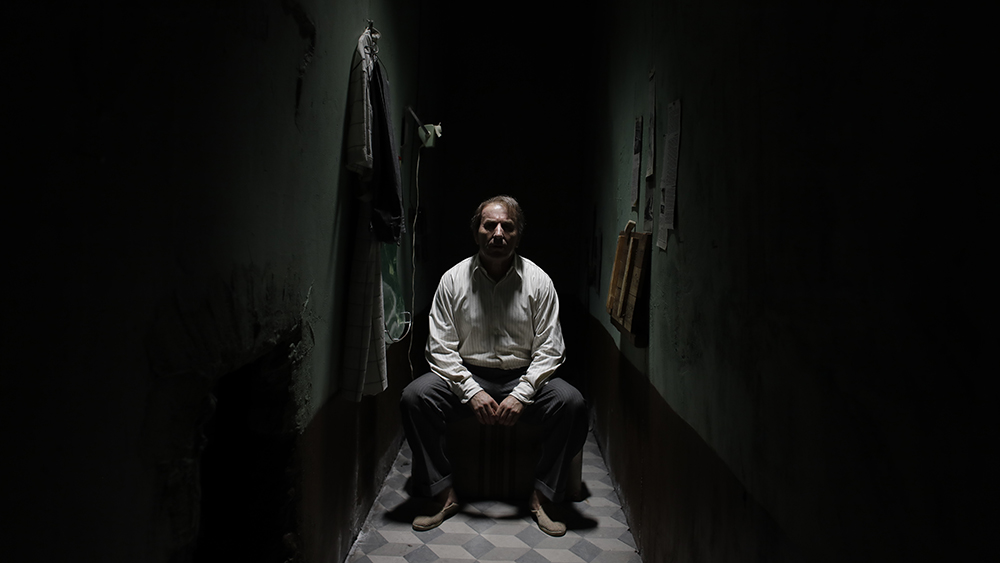
De la Torre, of “Marshland” and the Uruguayan political terror thriller “Twelve Year Night,” gives us a “hero” who never seems heroic. His cagey turn makes us wonder about Higinio’s “innocence” in a neighbor-against-neighbor bloodletting, and we question his manhood as he sees what his wife, who loves him as passionately as he loves her, must endure. But we never fret over Higinio’s cunning.
Cuesta (“Holy Camp!,” “Party Town”) has the more robust role. We don’t just see the physical evidence of what Rosa must endure, Cuesta makes us feel it. She married a man in troubled times, and life pretty much just stops. She stoically keeps them going, working as a seamstress. But she wants a baby. She wants to see the sea. Cuesta lets us see the resignation that Rosa is the first to embrace.
Being conditioned by Hollywood, I kept waiting for something distinctly Spanish — probably involving a knife — to transpire between Higinio and his Javert, the relentless Gonzalo, given a dogged self-righteousness by Vergara.
Some of the episodes that put Higinio on high alert and make us fear for him come from expected quarters. Others are straight-up melodrama. But the evolving interpersonal conflicts keep “The Endless Trench” on the move.
We don’t know what’s coming, don’t know how much Higinio is responsible for his fate and can only guess if his story arc will give him, his enemies or us any satisfaction, when all is said and done.
Don’t be daunted by the running time, here. This is an intimate epic that alarms as it sprints out of the gate, settles into a lingering tension and even as it is winding down, manages to keep the viewer frightened and on tenterhooks. That’s what living under a fascist regime is like.
Rating: TV-MA, graphic violence, sex, nudity
Cast: Antonio de la Torre, Belén Cuesta and Vicente Vergara
Credits: Directed by Aitor Arregi, Jon Garaño and Jose Mari Goenaga, scripted by Luiso Berdejo and Jose Mari Goenaga A Netflix release.
So many things have gone wrong since “Death on the Nile” was announced, cast and put in the can.
There was a pandemic that stopped the world in its tracks. Co-star Armie Hammer had his #MeToo moment, a meltdown that imperils what’s left of his career. And Disney bought out Fox, relegating the picture to a “whatever” release strategy.
It’s no wonder “Death,” the latest film of Agatha Christie’s novel and the second adaptation helmed by and starring Sir Kenneth Branagh, has a dispiriting hint of “Oh, that’ll do” about it.
It’s not nearly as much fun as “Murder on the Orient Express,” even as the production values — the set design and Hollywood trickery involved in recreating a late 1930s steamer excursion up the Nile — dazzle, the cast impresses (at least on paper) and the Christie plot bears up beautifully under the strain.
There’s a playfulness and modernization to that casting that pays off. Oscar nominee Sophie Okonedo plays a world-weary blues singer along for the odyssey, a woman whose sexy guitar-playing and singing — dubbed in tunes by Sister Rosette Tharpe — leave the Belgian sleuth Hercule Poirot (Branagh) blushing and a tad flabbergasted. The real Tharpe came along just after the film’s time-setting, but as the film’s opening scene puts poison gas on the World War I battlefield, and deployed by the Belgians whom the younger Poirot is serving with, a year before the Germans unleashed that horror on the world, we’re reminded this isn’t meant to be taken terribly seriously.
But there’s still something bordering on sublime in this sequel, with its dinner jackets and evening gowns, Poirot (WWI) back story, oversexed jitterbugging to birth-of-rock blues that wouldn’t exist for a decade, sexy sirens and femme fatales and murders most foul, all in the name of money.
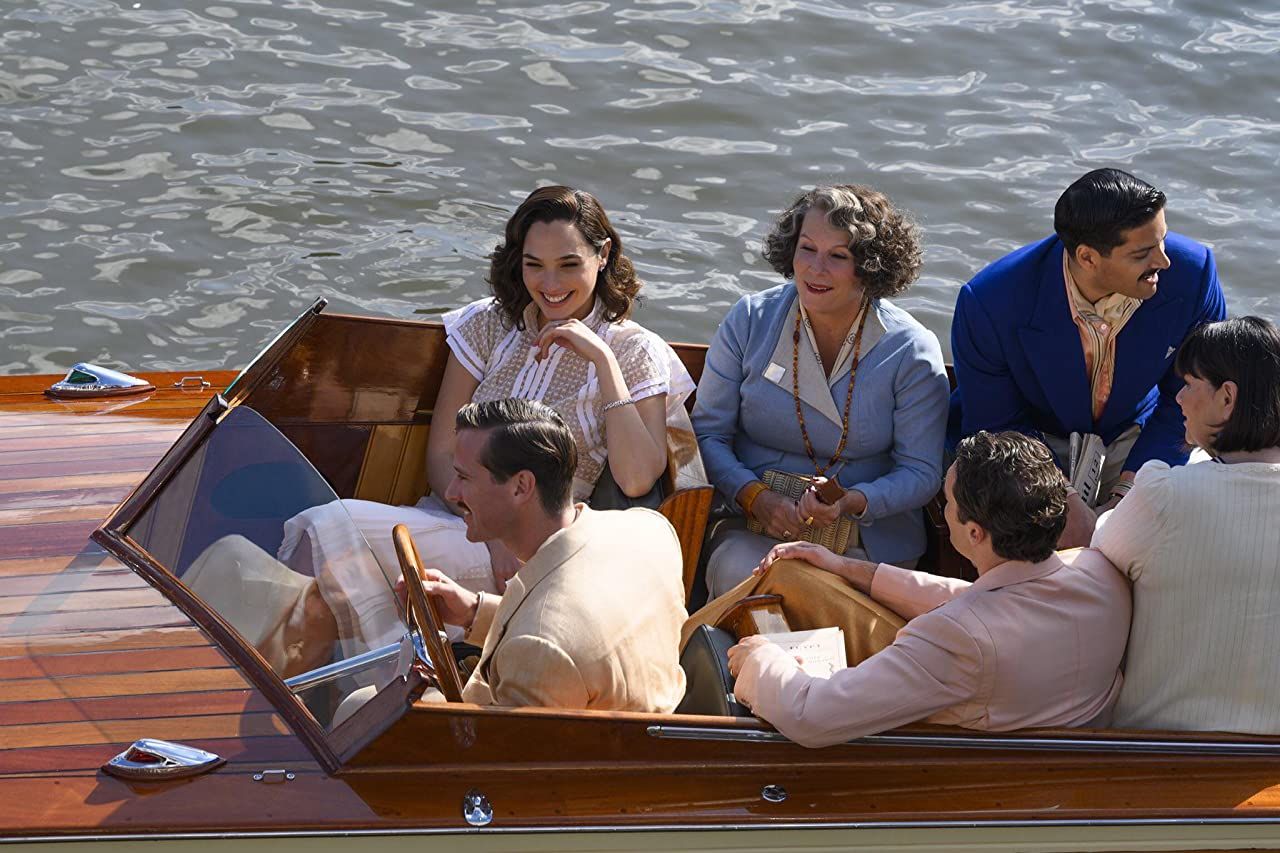
Gal Gadot is Linette, the “Golden Girl” heiress whose first trip to a nightclub dance floor allows her to steal Simon, the fiance (Hammer) of her “best friend,” the somewhat less rich but romantically ravenous Jacqueline de Bellefort (Emma Mackey). Poirot witnesses all, and renders words of warning.
“Ah love, it is not safe.”
It is the wedding party of Linette and Simon, seeking to shake stalker Jacqueline, that books this luxe steamboat passage up the Nile, with Poirot a late add-on guest. Other relatives and friends are played by Russell Brand, as a doctor, Oscar-winner Annette Bening, Letitia Wright (“Black Panther”) as the niece of our invited-entertainment, blues singer Salome (Okonedo), and a reunion of the former comic duo Dawn French (“The Vicar of Dibley”) and Jennifer Saunders (“Absolutely Fabulous”).
“Death on the Nile” is a movie of immaculate compositions, flawless model and digital effects, and juicy observations on love and money.
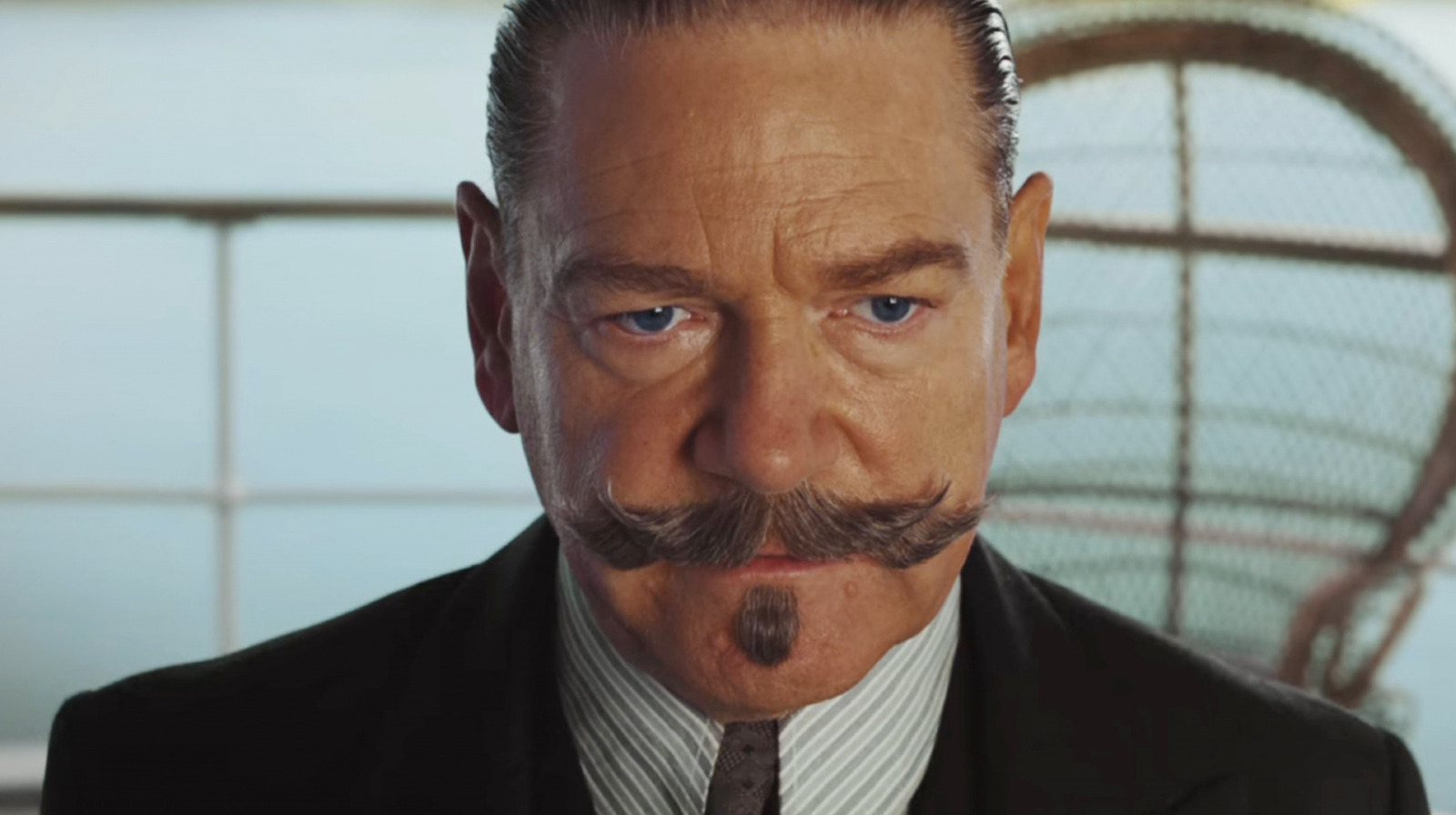
And we learn more about our mysterious and famous hero. We’ve seen the WWI affair that left Poirot single, in need of his elaborate mustache, now a bachelor who loses himself in tiny, exquisite desserts.
“Love fever,” he laments. “I was sick with it once. It left me enough regrets to last a lifetime.”
Salome is similarly jaded. “I’ve had a handful of husbands, each one of’em a handful.”
But after a near miss at some famous ruins, a second murder attempt at one of the passengers succeeds. There’s a body on board, and a murderer amongst us. Poirot, invited to more or less prevent this sort of thing, must figure out who it is, and as others are knocked off before they dock (the crew is largely removed from this story) the survivors wonder if the Belgian case-cracker is all he’s cracked up to be.
Besides, every fresh body or injury reduces the field of suspects, making his deductions easier, right?
I love Branagh in this part and I liked this movie. Some of the tinkering with the plot — anachronistic as it is — adds surprises, even if you’ve seen the earlier big screen version of this, from 1978, that’s making the rounds on many streaming services these days.
And yet for all its costumed, beautifully-decorated luxury and star-glossed sheen, “Nile” is a letdown from Branagh’s take on “Orient Express.” He casts funny people like French and Saunders and Brand, and there’s nothing funny, pithy or witty for them to say or do.
The script is as arid as the desert just beyond the river’s banks.
Branagh and Gadot’s characters are ably fleshed-out. Bening, Okonedo, Mackey and Wright have enough scenes to make strong impressions. Tom Bateman, as a loud, ever-smiling Poirot pal with a secret lover on board, has far too many. And Hammer’s faithless fiance seems reduced in scope, perhaps thanks to afterthought editing.
There’s little in the way of vituperative envy in the potential villains, little the viewer can invest in as we try to deduct from what we and Poirot observe and take in.
That adds up to a “Death on the Nile” that never lets us forget its quality and attention to detail, but forgets to be much in the way of fun.
Rating: PG-13 for violence, some bloody images, and sexual material
Cast: Kenneth Branagh, Gal Gadot, Annette Bening, Sophie Okonedo, Armie Hammer, Jennifer Saunders, Dawn French, Leticia Wright, Emma Mackey, Russell Brand, Tom Bateman, Alia Fazal and Susannah Fielding.
Credits: Directed by Kenneth Branagh, scripted by Michael Green, based on the novel by Agatha Christie. A 20th Century release.
“A Grand Romantic Gesture” is a wistful romance in a minor key, a flash of “love, the second (or maybe last) time around” with no flash at all.
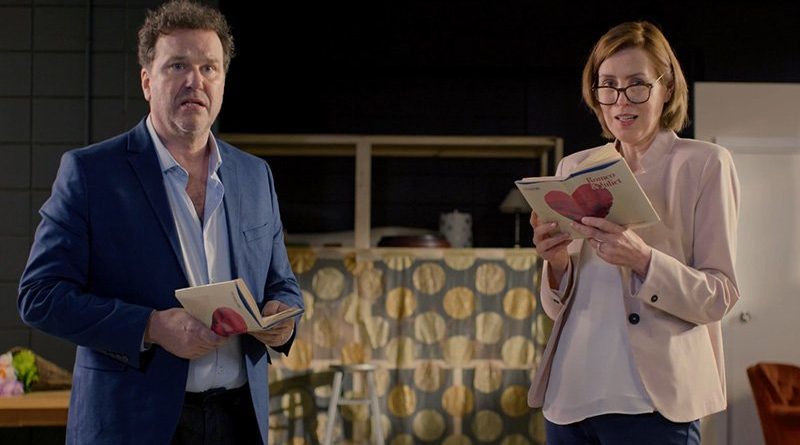
It’s always a shame when a romantic comedy with characters who aren’t teenagers falls short, doubly-so when it’s a rom-com built around a clever conceit — two 50something amateurs cast as the leads in a suburban Canadian workshop production of “Romeo & Juliet.”
They’re shoved on stage, try to start their lines, and our Juliet giggles self-consciously, and speaks for them and us and anybody not soaking wet behind the ears when she protests, “I don’t REMEMBER being young!”
British character lead GinaMcKee (“Notting Hill,””In the Loop”) is the newly-laid off Ava, bums-rushed into taking a cooking class by a husband (Rob Stewart) and married and pregnant daughter (Rose Reynolds) who talk as if she isn’t even in the room as they plan her unwanted “retirement” for her.
Her rage-whisking her ingredients tells one and all that class isn’t for her. But she’s conned into joining this other adult ed class down the hall, the one with a pretentious ditz (Gregory Ambrose Calderone) director who would rather have two people he figures are the right age for the priest and the nurse as his leads than have his girlfriend fall in love with the dude he’s cast as Romeo.
Thus, Simon (Douglas Hodge of “The Great” and “Joker”) is paired up with Ava, and Shakespeare’s poetry and the romance of it all gets the better of them. Well, him first.
“Give me my sin again,” he reads, and lays one on her, smack dab on the lips.
“No MAKING OUT on the stage,” director Ryan protests as Ava recoils. But boy, does that smooch get her thinking. And dreaming. And imagining.
As her daughter’s life comes a bit undone and she moves back home, as Ava keeps the fact that she changed classes and isn’t learning to cook as her first secret, all gets far more complicated as the leads start to develop feelings for each other, on and off the stage.
Writer-director Joan Carr-Wiggin breaks up this longish/slow-building rom-com with snippets from the play as intertitles — “Tempt not a desperate man,” “A Madness most discrete,” etc.
She further breaks up the continuity with testimonials/confessions to the camera, what look like counseling sessions for Ava, Simon and Simon’s wife Roz (Linda Kash).
“Marriage isn’t for sissies. Rule Number One? You want to stay married, don’t fall in love with someone else.”
I like the leads and their “Should we/should we not” chemistry, even in the low-speed, flatly-shot conversations that point them towards love. And the dizzy daughter and her dizzy marriage (Dylan Llewellyn plays her puppet-obsessed flake of a husband) plays as dopey cute.
But “A Grand Romantic Gesture” botches such gestures, the few attempted, and never produces a stand-out moment that tugs at the heart or tickles the funny bone. A random amusing line here and there is about all we’re left with. A self-absorbed young woman bumps and brushes by Simon and Ava, which the native Brit feels is out of character.
“That wasn’t very CANADIAN of her!”
Not enough is made of the difference between the “acting” part of the romance, and the “real” part. Stumbling towards a psychological explanation for their behavior is a scripted afterthought.
That, coupled with the deflating nature of the “gestures,” with nothing “grand” or particularly “romantic” about any of them, leaves this Canadian comedy dead on the page before it dies on the stage.
Rating: unrated, profanity, adult situations
Cast: Gina McKee, Douglas Hodge, Rose Reynolds, Linda Kash, Dylan Llewellyn, Rob Stewart
Credits: Scripted and directed by Joan Carr-Wiggin. A Gravitas Ventures release.
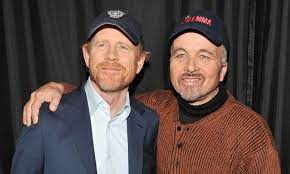
A running gag for some of us who’ve interviewed actor turned director and “Arrested Development” narrator Ron Howard over the years was to finish the chat with an admission.
“Actually, what I’m really here for is to get an update on Clint. What’s he up to?”
This always gets a laugh, and always brings up a delicious anecdote. Here’s one I remember when we talked as Howard’s “The Paper” was coming out.
“I was just meeting Tom (Hanks) for this movie about Apollo 13 we’re doing,” Ron related. “He’s looking at the script, some photos of NASA at the time. And he looks at one and says ‘LOTTttttttta people in these Mission Control scenes.” He pauses and gives me a look. “‘GOTTA be a part for Clint in there somewhere!'”
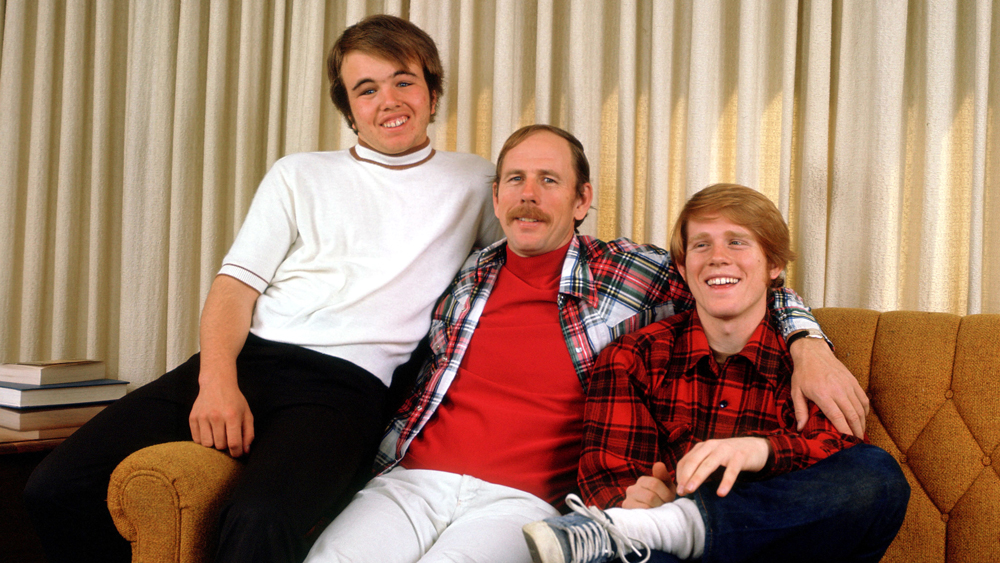
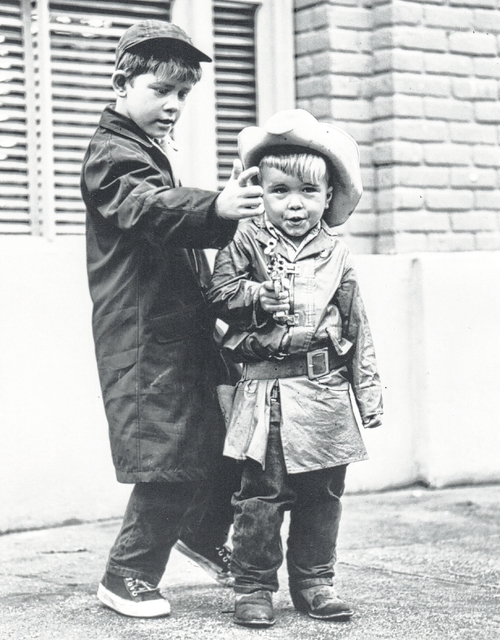
In a business rightly criticized for nepotism, pretty much right from the beginning, the Howard Boys were the adorable poster kids for why that isn’t always a bad thing. Ron, a child star who evolved into an Oscar winning director, could always find a spot for his kid brother Clint Howard, also a child star, on his sets. “My good luck charm,” Ron always called him.
Ron’s always had this folksy, upbeat All American, boy or man next door image, the sort of filmmaker who calls critics up to thank them for nice reviews. You always figured “That boy was raised right,” and as generations have grown up with him, many still watching his acting high water mark — as adorable Opie on “The Andy Griffith Show” — we figured we had the proof.
But go on any Hollywood gossip site and look at the whispers about how rough child stars have it. http://www.crazydaysandnights.net, sort of the QAnon of salacious Hollywood, is filled with “blind items” about cruelty, “stage parents” and much worse going back decades and happening even today.
Corey Feldman and Corey Haim are much more the rule for kids put through this “growing up way too fast” in a fast and loose business and town.
How did “The Boys” turn out so normal? OK, how did RON turn out so normal? Clint, funny as he’s been, long has had the “not as easy a row to hoe” vibe.
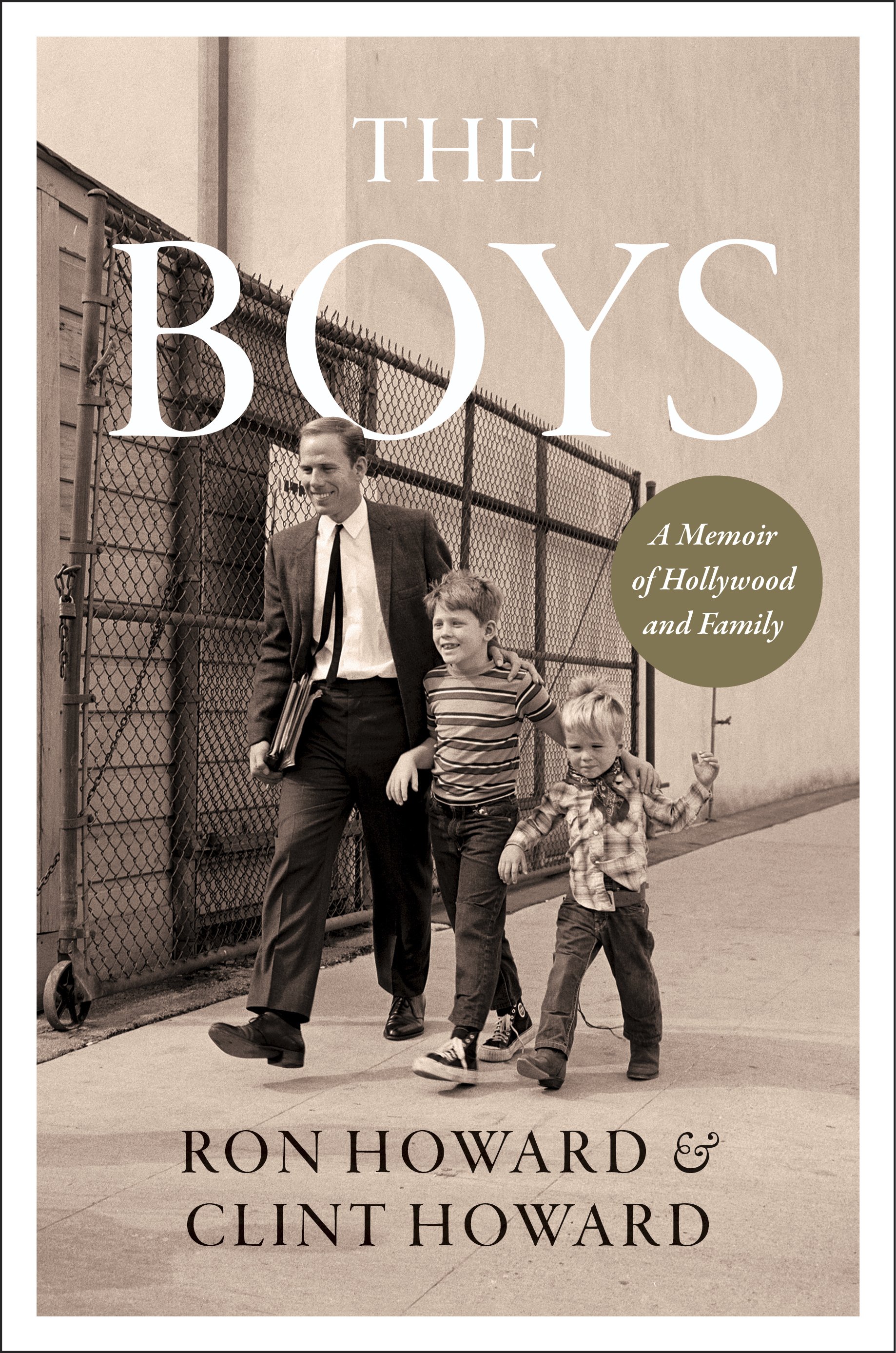
“The Boys” is their affectionate, sometimes revealing co-memoir of how their Oklahoma-born parents, actors who changed their names to Rance and Jean Howard, did it.
The sons practically skip through the pages, talking about this or that stage in their lives, what their parents told them about their pre-marriage childhoods and what they were able to learn much later on. We follow little Ronnie onto the set of “Make Room for Daddy,” the Danny Thomas show of the late 1950s. “Danny Meets Andy Griffith” was a folksy and somewhat sharp-edged and mean “back-door pilot” for what became “The Andy Griffith Show,” a casting coup that set the Howards, boys and parents, up for life. Or so you’d think.
Ron and later Clint, who became one of the funniest silent recurring characters in TV history, wearing a cowboy outfit his momma dressed him in — “No thank you, Leon.” — relate the later life realization of what their struggling actor dad gave up to make them so good at so young an age and what their mom — the first actor in the family, sacrificed to make it all work.
The siblings, switching back and forth several times a chapter, note how their father became a child-actor whisperer, teaching his kids — neither the older Ron nor younger brother Clint could read when they started out as tykes — how to find the core truth of a scene and “inculcating” them with their lines and motivations.
A Method for Moppets was born, and Rance would continue this for years and years, so long as each was young enough to require having a parent or guardian on set — from “Andy Griffith” to Clint’s “Gentle Ben,” “The Music Man” (Ronnie) to “The Red Pony” (Clint).
The brothers come off like their public personas in print — earnest, well-mannered family man so wholesome he was “Father Ron with the collar” in Hollywood, and wild child and sometimes hellion and lifelong wiseass Clint (his “Seinfeld” episode remains a stand-out, because he stole it).
We hear about Ron’s early fascination with the “tricks” of the trade, how to fake drowning, how to get a performance of “Wells Fargo Wagon” or “Gary, Indiana” into “The Music Man” when he was and remains “no singer.”
Andy Griffith and that show’s director gave him his first film camera. The first person to tell him “You’re gonna be a director someday” was also on that set — Howard Morris, aka “Ernest T. Bass.” Ron never forgot, and cast Morris in one of his early films. And yes, that’s exactly what we’d expect Ron Howard to do.
Clint’s “How could this be legal?” stories of child acting with animals like a black bear in sweaty, humid Florida (“Gentle Ben”) and having to kill a buzzard in “Red Pony” can be cute or chilling.
The sons grew up appreciating their father’s matter of fact way of treating every question honestly, from “Is there a Santa Claus?” to pre-adolescent queries about sex, alcoholism (they worked with a few folks who had the smell about them). And they rather belatedly consider all that their long-sacrificing actress-mother gave up to give them everything.
They were the “most honest child actor managers” in Hollywood history, the sons declare. The parents made their own money, took less of a “management” fee from their earnings than parents generally did and lived modestly so that the kids had fat bank accounts to start life as their child-actor days ended.
The kids grew up, if not immune to the pleasures and indulgences of Hollywood (Clint had substance abuse problems), at least prepared to deal with most of the pitfalls show business and life around it promised for them as adults. Humility comes off as an under-rated “teachable moment” in their memories of their parents.
It’s not a scandalous book by any means. Ron gives hints of the “adult” nature of the “Andy Griffith” set, that there were signs Griffith showed a violent temper back home. Grownups drinking on the job and cussing around a kid seems more scandalous today than back then. There’s a lot of noting how things could be looser, and not necessarily to the benefit of child actors, in days when “getting the scene” might include shortcuts, drinking on the job wasn’t even frowned upon and spousal abuse was a punch line.
There’s zero discussion of the racial attitudes of the day, reflected in how monochromatic film and TV shows both appeared in were.
But courtship and romance, college and “Happy Days,” “American Graffiti” and cocaine addiction all are touched on in this rosy portrayal of how one raises a child actor to be dependable, be professional, be kind and not turn out a brat.
At home or on the set, Ron’s memories are the warmest and as you’d expect, Clint’s are the funniest. Well, Ron’s memories of getting his directing start from B movie king Roger Corman are warm, and a hoot.
Neither ever uses the word “blessed,” but “gratitude” spills off every page that they fill with star encounters, making friends with Richard Dreyfuss and Henry Winkler, movie making memories and off camera hijinks.
The kids came out all right, and “The Boys” lets us see how that happened, and all the places it might not have had Jean and Rance not kept their eyes on the ball and their loving hearts on their sleeves, from each boy’s birth until each parent passed away having a pretty good idea of a job well done.
The Boys, by Ron Howard and Clint Howard. William Morrow, 393 pages, $35.99.







 Movie Nation