
Anthony Hopkins, too.
Oscar bait from the team that showcased Hopkins in “The Father.”
Anthony Hopkins, too.
Oscar bait from the team that showcased Hopkins in “The Father.”
So, these guys get their own universe, too?
“Beyond the Yellow Brick Road,” as Elton puts it?
Evangeline and Rudd, Michelle and a guy playing Kang the Conqueror.
Feb. 17.
It goes down easier if you remember you’re allowed to laugh.
Many of the best film noirs have their darkly humorous moments, and scenes and sequences so genre-iconic that a fan will give in to snickers of delight.
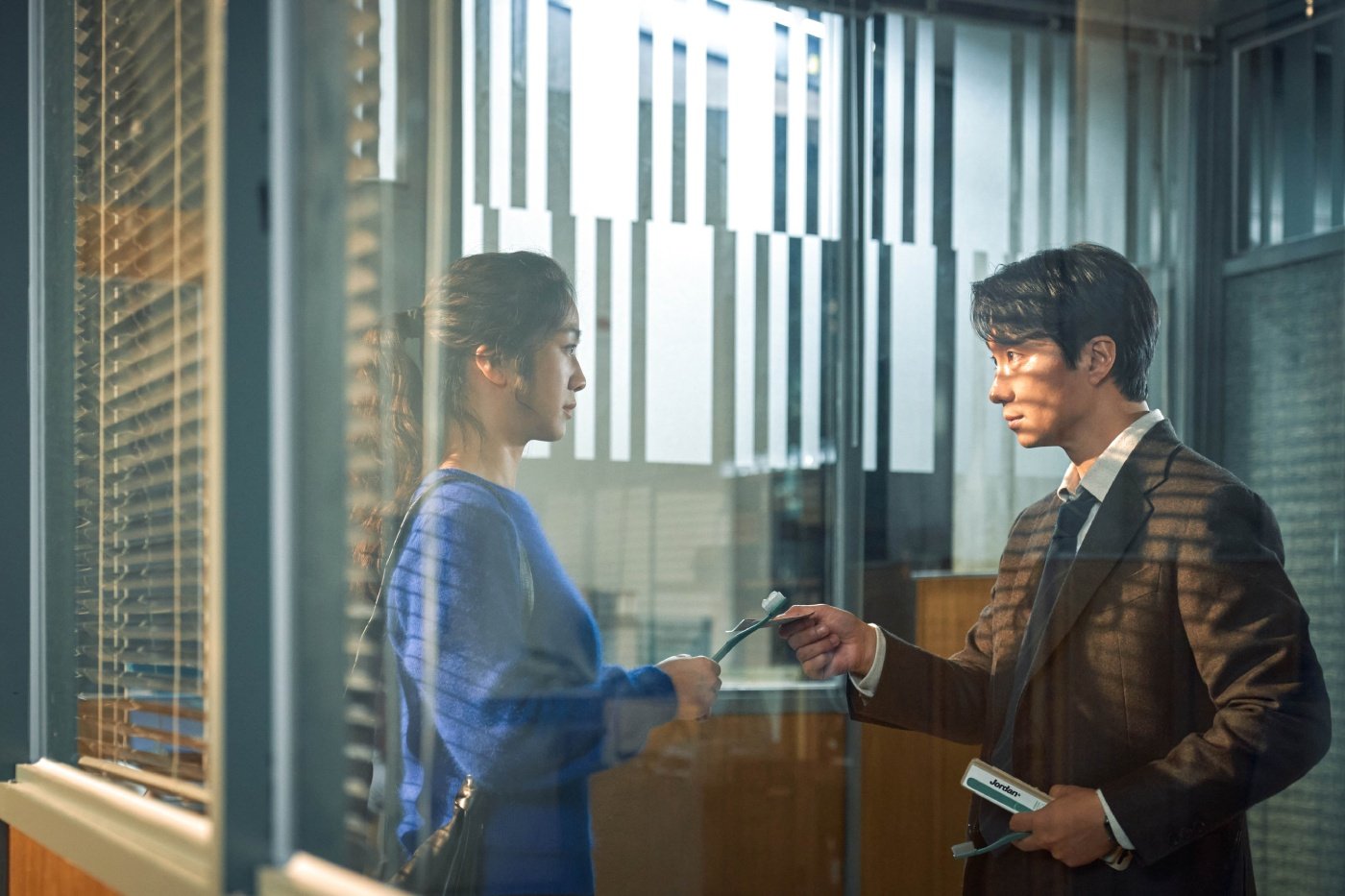
Director Park Chan-wook (“Stoker,” “Oldboy,””The Handmaiden”) goes full-on Korean noir with “Decision to Leave,” a delicious femme fatale thriller with mystery, tragedy and more than a few deadpan laughs.
Tang Wei (“Blackhat”) turns out to be a perfectly fatal femme in this whodunit/how-he-or-she-done-it, a beguiling suspect in a murder case being investigated by the intrepid but insomniac Det. Hae-jun, played by Park Hae-il of “The Host.”
Our lawman is a famously obsessive homicide detective in Busan, a man who lets his unsolved cases eat away at him so much he’s forever dozing off at the wheel and emptying bottles of eyedrops to stay awake on the job. Nights offer him no peace, as he has grisly murder-scene photos covering one wall of his city apartment.
He’s in a “weekend marriage” with Ahn Jeo-jong (Jung Yi-seo), who works at a nuclear power plant on the other coast of Korea, staying over with her in Ipo on Saturdays and Sundays. But as he notes, “People don’t stop murdering on weekends” (in Korean with English subtitles), so there’s no getting away from work.
At least this new case has “open and shut” written all over it. A rock climber fell from his favorite peak, videoing his trip as he did. Det. Hae-jun and his younger partner Soon-wan (Go Kyung-Pyo) go over the gruesome, fly-decorated corpse, track the dead man’s last actions and question his younger Chinese widow Seo-rae (Tang). Something about her underreaction to all this gets their attention.
“He perished as he wished,” she says, apologizing for her Korean. Sometimes she uses a phone app voice translator for help. But the language barrier isn’t all that makes them suspicious.
And when it turns out there’s other evidence, the cat and mouse game begins.
Seo-rae is weirdly casual around this detective, and as he stakes her out, gets her DNA and questions her about some intimate injuries, we see the sleepy copper’s problem.
He’s becoming obsessed, and this seemingly timid elder-care nurse from China can see it and seems into it.
Park and his sometime co-writer Seo-kyeong Jeong (“Thirst,””The Handmaiden”) fold in other cases that the police are working on, wanted murderers pursued with a breathless, bracing foot-chase (filmed with a shaky shoulder cam) or cornered on a rooftop stand off.
The jokes come from Hae-jun’s fellow detectives noting the extra attention he’s giving Seo-rae, the fact that he orders her “the priciest” sushi and kimchi take-out mid-interrogation and Hae-jun’s reactions to everything they notice. Are they worried about him?
“Killing is like smoking. Only the first time is hard.”
“Decision to Leave” has some fine second act surprises and third act twists. And some of the fun here is the difference between Korean and American tech and policing. The cops have an electrical winch-mountain climbing assist. Hae-jun leans heavily on his smart watch for surveillance, audio recording his stake-out notes. He packs a chainmail glove for use when a bad guy pulls a knife on him.
Like any American police officer would go to that trouble.
Start to finish, Hae-il gives us the feeling that Hae-jun is just lost in this lovely suspect’s eyes, under her spell. Tang in turn plays up innocence and a lack of guile to him — for a while — and letting the viewer in on Seo-rae’s curiosity about her tormentor and ability to size him up.
It is her cagey, tough and sexy turn that gives the title its double and triple meaning and the viewer every reason to engage with this latest winner from Park Chan-wook.

Rating: unrated, violence, some profanity
Cast: Park Hae-il, Tang Wei, Jung Yi-seo, Go Kyung-Pyo
Credits: Directed by Park Chan-wook, scripted by Park Chan-wook and Seo-kyeong Jeong. A MUBI release.
Running time: 2:18

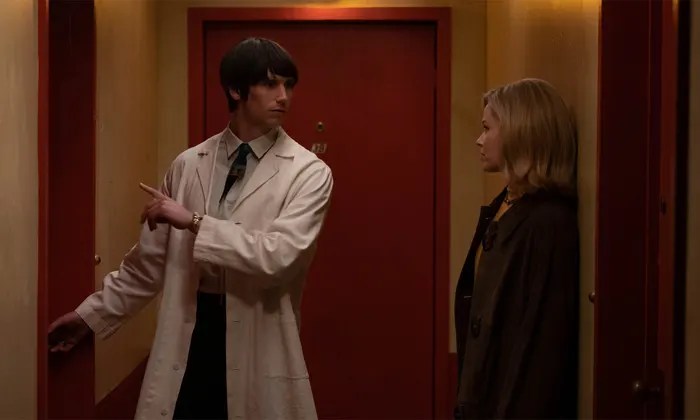
The doctor is young, without anything resembling a comforting bedside manner.
“I’m scared,” the patient says. “I know” is all he’s got for her.
But at least he walks her through what he’s doing, step by step.
“You will feel it. And it will hurt a bit.”
And he finishes with a warning. “You can’t make any noise. No matter what.”
Welcome to the late 1960s, when women had to master forging their husband’s signature just to cash a check, when the bright promise of college was typically abandoned for that “Mrs.” degree, and when abortion was illegal, even when the pregnant woman’s life was in imminent peril.
All because a bunch of men — hospital medical boards, the courts, spouses and baby daddies — said so.
“Call Jane” is a moving and surprisingly uplifting period piece about America’s pre-sexual revolution past, a late ’60s story of women who organized to ensure that the most personal and difficult decision many women will ever face was hers to make, with their help.
When all else failed in 1968 Chicago, all that was left was to “Call Jane.”
Director Phyllis Nagy, who scripted “Carol” and directed the chilling “Mrs. Harris” TV movie, brings us a sober, sturdy, well-cast and acted account of life in The Bad Ol’Days, a movie that never forgets it’s entertainment even as it never loses track of the fact that it’s also a “cause.”
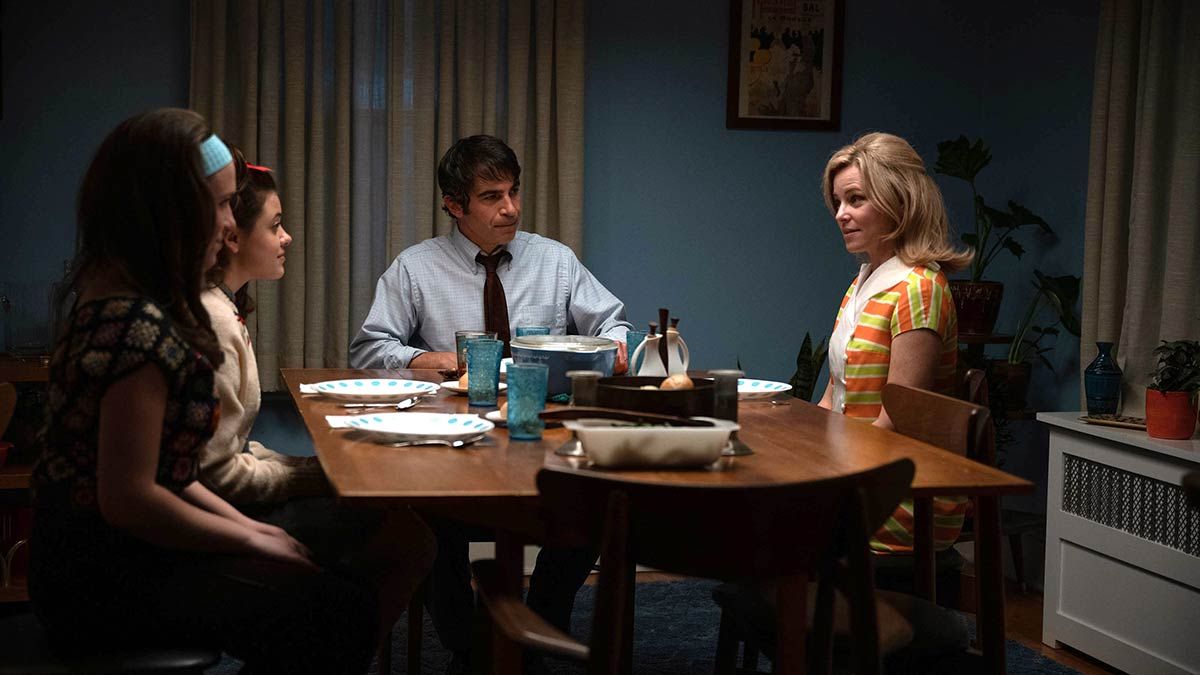
Elizabeth Banks plays Joy, an upper middle class Chicago housewife with a loving lawyer-husband (Chris Messina), a daughter who just turned 15 (Grace Edwards) and another baby on the way. But this pregnancy turns deadly when it leads to cardiomyopathy.
The most chilling scene in the film is when she and her husband get to sit in on her hospital’s medical board meeting where they decide her fate, literally a group of 50-70something men who ignore the justifiably-frightened patient right in front of them.
“A healthy baby? That’s it? No regard for her mother?”
The film’s slow first act follows a shellshocked Joy as her “no shortcuts” straight-arrow husband is no help to her as she is forced to pretend to be a suicide risk (“crazy”) to be granted emergency surgery. One of the psychotherapists she who must sign off on that slips her a “plan B” address for a back-alley abortion, and his receptionist throws one more option her way.
“Just fall down a staircase! It worked for me!”
All that horror is build-up to the film’s second most chilling scene, the one related at the beginning of this review. At every turn, Joy finds herself confronted by cavalier men who treat her like a second class citizen and her life as something of little consequence.
But that hand-bill taped to a mailbox in the back alley side of town offers a lifeline.
“Pregnant? Anxious? Call Jane.”
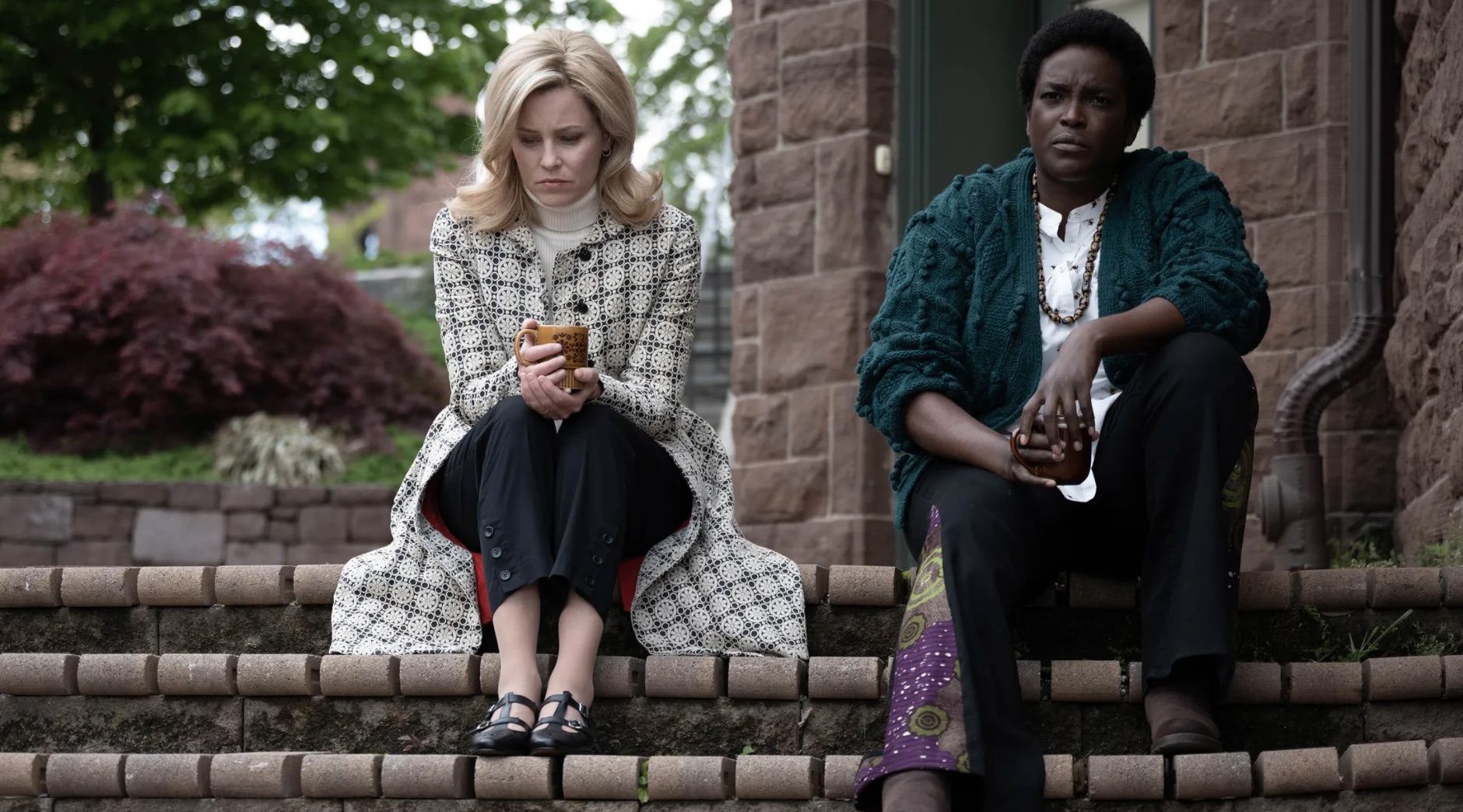
That’s how Joy obtains her illegal abortion. That’s how she’s introduced to the secretive standard operating procedure of this “service” for woman like her. A blind-folded car ride (Wunmi Mosaku plays the Black feminist militant of the team), a clean office, a greedy young doctor and — shockingly — a support group the moment this “twenty minute procedure” is over, reassuring her by telling her everything she needs to know.
“Eat, eat,” the matriarchal Virginia (Sigourney Weaver) barks at her. “Then sleep. And then scram!”
Virginia even makes a follow-up call, checking on the patient. And then a second call comes in — she has a sick driver, here’s the address, and before Joy can blurt much more than “Wait, WHAT?” she’s in — picking up patients, sitting in on the group decisions of who “Jane” can help, making the leap to physically comforting patients and more.
The screenplay by Hayley Schore and Roshan Sethi finds heroism in what these women are doing, and lets their characters see the humor in their primitive times. Women were just starting to wake up to the injustice of their lot. But the ignorance pre-sexual revolution America lived under is nothing but laughable.
“I didn’t even know you could get pregnant like that,” one young patient complains. “I mean, we were standing up!”
The script takes pains to emphasize the “no judgement” credo of this service. Every woman’s story is different, and even the most gullible and “careless” is worthy of empathy.
Little is made of Joy’s concern for what sort of limited horizons her daughter faces in 1968 America, and the domestic strain that came with the feminist revolution is given a glib moment or two. Kate Mara plays a widowed neighbor whom we figure will play a bigger role, but doesn’t.
An explanation of abortion being something women have known about and helped each other with, with or without doctors, throughout history would make some of the directions the story takes go down easier.
But “Call Jane” still manages to get its female empowerment and demystify “the procedure” message across in an affirming, witty way, mostly due to Banks’ ability to make even the most entitled beautiful blonde empathetic and Weaver’s droll mastery of “No nonsense” as a character brand.
There isn’t time to get into the seismic cultural changes that the decade was famous and infamous for — a snippet of “Vietnam,” a hint of the civil rights struggle, a recreation of the protests and riots surrounding Chicago hosting the Democratic National Convention.
But sometimes a single line is all it takes to cover that, and it belongs Virginia, the “Jane” ringleader, a veteran protestor turned hands-on activist who leans into all she’s doing and all she’s done, and speaks with wry candor and hopefulness to Joy’s wide-eyed daughter.
“I’m sorry about the ’60s, kid.”
Rating: R for some language and brief drug use
Cast: Elizabeth Banks, Sigourney Weaver, Chris Messina, Wunmi Mosaku, Cory Michael Smith, Grace Edwards and Kate Mara.
Credits: Directed by Phyllis Nagy, scripted by Hayley Schore and Roshan Sethi. A Roadside Attractions release.
Running time: 2:02

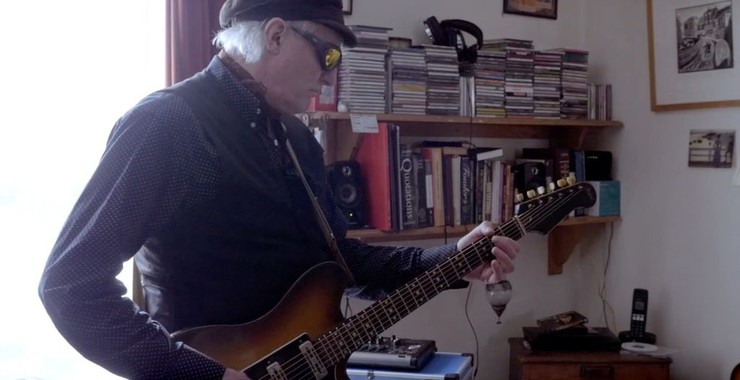
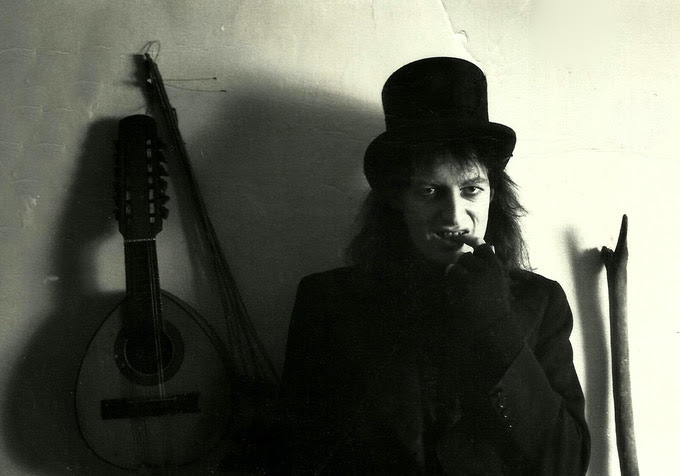


Martin Newell is a cantankerous British musician, singer, songwriter and poet who never quite got over the Dickensian wardrobe excesses of of the post-glam era in pop.
He was in a few bands that never caught on, but he was the sort who cursed and shrugged off that lack of success by continuing to record, putting out new music well into his dotage, mostly on self-produced cassettes recorded in his kitchen.
You can almost guess what came next. This DIY “pop star” became an underground favorite, the darling of the hipster “maker” culture, a guy whose back catalog became a gold — OK silver — mine for a re-release-oriented American record label. And all that happened as he bicycled, bantered and bashed his way towards 70.
Naturally, a documentary about him has to have that same DIY feel, and James Sharp (with producer Jim Larson) cobbled together a film that fits its subject — scruffy, irreverent, peppered with poetry and “jangly” pop not the least bit self-serious.
“‘Ye’can’t polish a turd,’ as they say,” Newell grouses. “But y’can roll it in glitter.”
“The Jangling Man: The Martin Newell Story” is a celebratory bio-doc laced with testimonials to the man’s genius. Dave Gregory from XTC is here, and R. Stevie Moore, Kimberley Rew and members of Newell’s most famous band, Cleaners from Venus. DJs and record producers parse what it is that makes the man special.
“Martin can get more great lines into one song that most people can come up with in a lifetime.”
It’s not like he never had his shot. Newell picked up a guitar at 13, and still plays the Hoffner he bought at 17. He answered an ad, joined a band and became its hair-dyeing “prancing” front man and songwriter. A band, a record deal, another band, a solo deal and on and on it went. At least Mum was pleased that he’d found a job where he could “wear make-up and look peculiar.”
Newell was a fixture of ’70s-80s British TV newscasts, a guy who walked away from “the music business” to become a professional gardener, then came back with a “green tour” — just him an his mandolinist, touring the UK by bike, busking and playing gigs.
Over the years he garnered lots of praise for his pop, and…nothing came of it. But he was making an impression on all these other musicians as “the sort of character you’d want to meet” by attempting a career in music — quirky, intense, offhand, brilliant, living hand-to-mouth decades beyond the point when anyone else would have thrown in the towel and become a gardener.
He was “the guy quite a lot of us would like to be,” one contemporary says with real envy.
And on the way to pop obscurity, he found new attention and fame as a poet. After that, it was just a matter of time before the hipsters discovered Cleaners from Venus and the lyrics that are the envy of his peers.
“I am just a jangling man
Been in the cold too long-along-along
And I live with a Raggedy-Ann
We never had any money, is it really so wrong?”
Still, the film, four years in the making, gets into Martin’s professional history without getting close to the man — a little taste of a misunderstood childhood, almost nothing of his personal life.
The portrait that emerges is not unlike a neutered, now-sober version of Bill Nighy’s aged rocker from “Love, Actually” — cute, a real “musician weirdo,” and worth a listen no matter how old he is.

Rating: unrated, a spot of profanity
Cast: Martin Newell, Dave Gregory, many others.
Credits: Directed by James Sharp. A Captured Tracks release.
Running time: 1:25
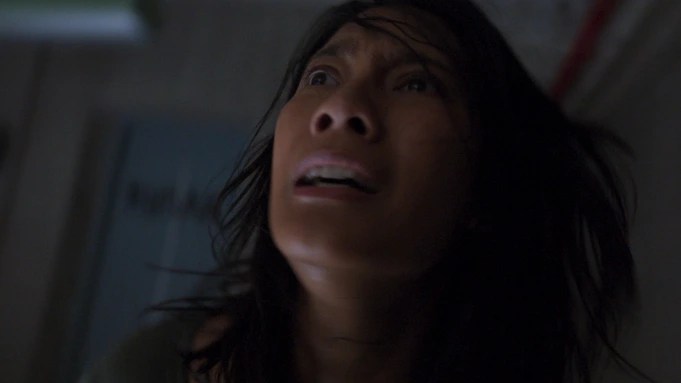
The gotchas are grand, the production design creepy and the undead as undead as ever in Indonesian horror maestro Joko Anwar’s “Satan’s Slaves: Communion,” the sequel to his 2017 zombie hit.
The writer-director took care to not forget the fun in this jumpy, jokey follow-up, the first Indonesian film ever made to fit on IMAX screens.
The cursed family of the first is back, chased into a remote, rundown high-rise on the outskirts of Jakarta. But they are, of course, much reduced in number. “Satan’s Slaves” almost halved their number, with factory worker Rini (Tara Basro), her teen brother Toni (Endy Afrian) and younger sibling Bondi (Nassar Annuz) losing a brother, grandmother and the singer-mother who seems to be the font of all their woes.
A deal with the Devil, you say?
A prologue re-introduces journalist turned “Supernatural Magazine” publisher Budiman (Egy Fedly) and tells us how he crossed over into his specialty, stumbling into the undead way back in 1955.
The “present” here is April of 1984, and our embattled, on the lam family may know there’s always trouble close by. But everybody else in the Mandora apartments is in the dark, soon quite literally as a storm bears down and floods all around them and knocks out the power.
Things start to go wrong before the first rain drop falls. And thanks to some heavy-handed foreshadowing, we know better that to get into that damned elevator.
Anwar stages his first set piece in that over-crowded lift, imperiling not just the people riding in it, but the children who jump into the ground-flood shaft to pick up coins they see have collected there thanks to an accidental door-opening.
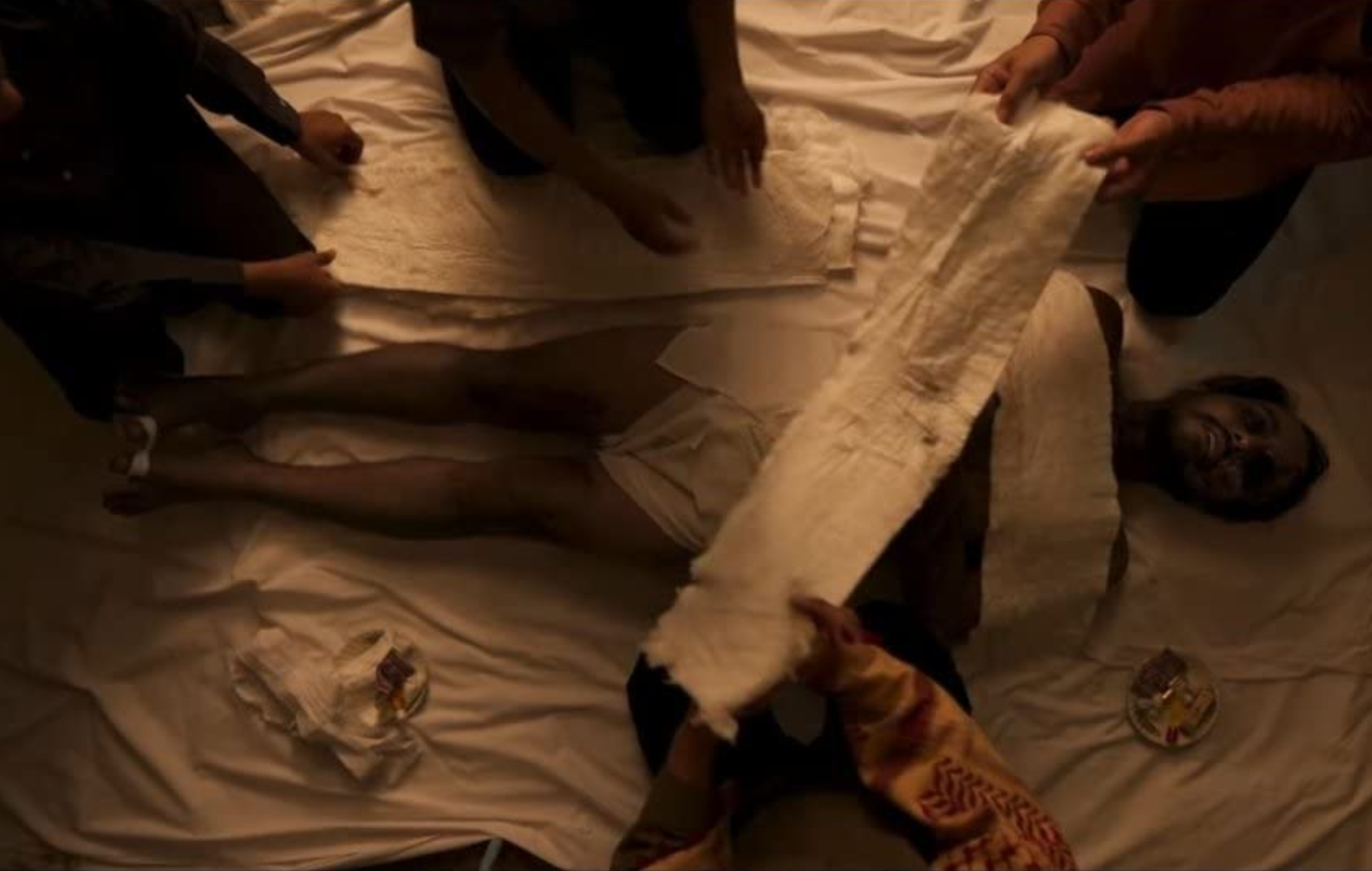
The bodies from this debacle are prepared by their families — or other observant Muslims in the building — and lie in their apartments awaiting funerals that will have to wait until the storm passes.
“Why is this building so quiet, all of a sudden?” (in Indonesian with English subtitles).
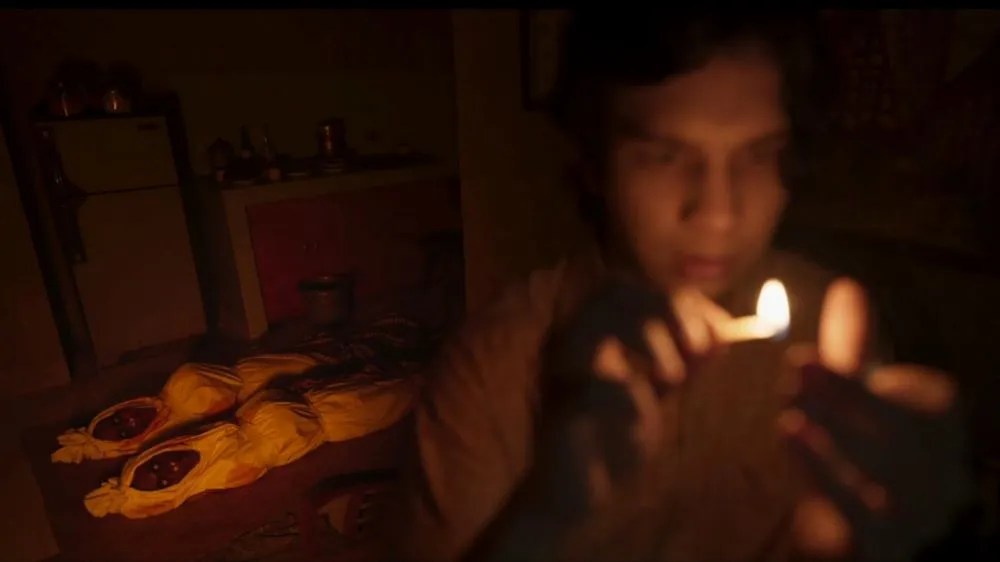
Anwar uses the flickering match-light and gathering gloom and water to set us up as Toni is summoned to “check on” the prepared corpses with Mr. “You have nothing to fear, just trust in Allah” (Kiki Narendra). Funny how Ustad Mahmud gets a sore back midway through this creepy duty and begs off.
Toni suddenly discovers a gift for massages, pleading, anything to keep this alleged adult from ditching him to check on the dead, which are anything but “quiet.”
There’s a cute, sassy neighbor (Rata Felisha) that the boys all joke must be a “hooker” who needs saving from all the dead who aren’t really dead, and the undead from the first film who return for cameos.
The scale may be bigger than the original film, but the tagline for the sequel is “just fun enough to get by.” The acting is pretty good, and by that I mean the players let us think they’re terrified. It’s somewhat predictable, and the finale is one of those “Let’s over-explain this and maybe set up another sequel” let-downs.
But the jump-frights pay off, the effects are excellent and the zombie makeup even better. And there’s something to be said for the novelty of it all. It isn’t every night-of-the-living-dead spawn that’s built around the Islamic way of death.
Rating: unrated, bloody horror violence
Cast: Tara Basro, Endy Arfian, Nassar Annuz, Rata Felisha and Egy Fedly.
Credits: Scripted and directed by Joko Anwar. A Shudder release.
Running time: 1:58
Rating: unrated, bloody horror violence
Cast: Tara Basro, Endy Arfian, Nassar Annuz, Rata Felisha and Egy Fedly.
Credits: Scripted and directed by Joko Anwar. A Shudder release.
Running time: 1:58
First time they’ve shared the credits since “Pulp Fiction?”
Granted, both have seen a lot of better days since then, better days that wound down long before now.
This thriller rolls out Nov. 11.
“

Imagine a “West Side Story” where the gang-bangers are unisex toughs and the squares are forced to confront their own unspoken gender identity issues, all set on neon-soaked sound-stages dressed with 1950s props and “Cabaret” decadence.
That’s “Please Baby Please,” a fascinating but frustrating overreach that is never more fun than when it’s most over the top, but never really gets a handle on what it’s supposed to be about.
Andrea Riseborough produced and stars in this vamp, playing a wild-haired, wild-eyed ’50s hepcat, co-hosting jazz record parties in their under-furnished tenement flat with husband Arthur (Harry Melling), making the scene at all the cool beat poetry readings.
But when the finger-snapping, “Wild One” leathered, gender-blurring Young Gents murder a mother and her child on the street in front of their apartment, the curtain is opened on their marriage and the gloves come off.
Arthur is fey and nebbishy and can’t be goaded into intervening, or for that matter defending the shocked and awed Suze.
“I won’t be terrorized into acting like a savage.”
In their crowd, Ida (Alissa Torres) and Les (Yedoye Travis) and others, that stance is an excuse to dive into what is “expected” of a man and a woman in their era. Men have the burden of masculinity, which can entail violence at times. Women?
“Ida, tell me, how does a woman get respect?” “Easy. Be BORING,” because let’s face it, “We ARE the fantasy.”
Suze is bowled over by the life lessons of their rich new (In a tenement?) neighbor (Demi Moore, even further “out there” than Riseborough) and our heroine finds herself sifting through a lot of 1950s gender “rules” that don’t fit her reality.
“Men are the executors of history,” so her being a lot brassier than Arthur won’t matter. That’s not how anyone will remember these Eisenhower “Happy Days.”
Arthur finds himself drawn to a pretty-boy/murderer (Karl Glusman) in the gang. Suze takes a lot of abuse from the gang’s tough-guys and transgender punks. Yeah, she hears the Dutch word for wall that keeps the sea from flooding in — a lot.
Director and co-writer Amanda Kramer (“Ladyworld”) isn’t content with just one or even two points of view. Still, the narrative does settle on a tone and style, as does the production design — lurid on a budget, with a leather bar and porn theater settings and obvious “prop” versions of the appliances that so delighted Americans of the I-like-Ike age.
It’s the sort of stage-show fantasy that cries out for song and dance, and gets just a taste of each — a transgender woman crying through “Since I Don’t Have You” (a hit for The Flamingoes and the The Skyliners), Riseborough and Melling swirling a sort of interpretive dance to the doo-wop and rockabilly for the film’s “Well, this is all I could come up with” finale.
I didn’t dislike this. But it isn’t exactly satire, never quite nails parody and Kramer seems to fumble around groping for one or the other.
Sure, I’ll watch anything Riseborough does, and she was the best thing in “Amsterdam.” But “Please Baby Please” had me begging for more…something.

Rating: unrated, violence, nudity, profanity, adult themes
Cast: Andrea Riseborough, Harry Melling, Demi Moore, Karl Glusman, Ryan Simpkins, Jaz Sinclair, Alisa Torres, Mary Lynn Rajskub and Dana Ashbrook.
Credits: Directed by Amanda Kramer, scripted by Amanda Kramer and Noel David Taylor. A Music Box release.
Running time: 1:36


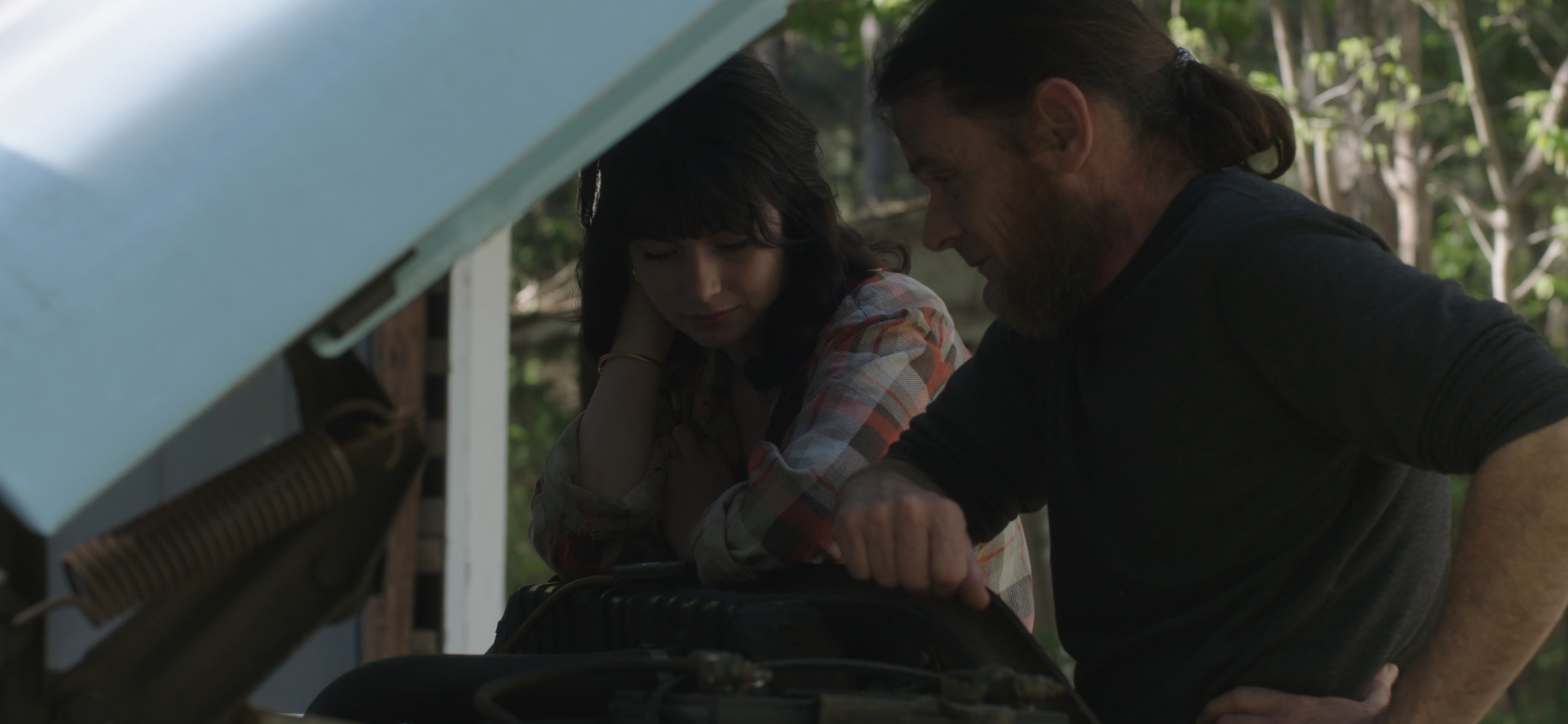
The milieu is more interesting than anyone in it and anything they do or have happen to them in “Ragged Heart,” an earthy dive into the underbelly of a “music scene that was” — Athens, Ga.
It’s the college town where The B-52s, R.E.M., Matthew Sweet and Widespread Panic got their start, a folk-artsy enclave in the Red State that Georgia is outside of Atlanta and Savannah. In writer-director Evan McNary’s film, that distant musical afterglow is the background noise of a story of a retired musician whose semi-famous singer-songwriter daughter came “home” from Berlin to kill herself.
So, Cracker Gothic? Little bit.
Wyatt (Eddie Craddock) is a Dickie Betts-looking old-timer, a guitar player who doesn’t play anymore but keeps his hair and sideburns in some sort of Allman Brothers tribute style. He spends his days rustling up junk for a folk artist friend and others, taking his brain pills and playing out life’s string.
He is “runnin’ outta carrots to tie to th’end of the stick,” he deadpans. “I fairly sizzle with zeal and enthusiasm.”
Daughter Miranda (Willow Avalon) has made something of a name for herself, singing in a sort of Southern-fried Amy Winehouse style. She comes “home” for her birthday, answers one of her dad’s voice mails and passes out — mid-call — while inner tubing down a lonesome river.
The last thing she left behind is some lyrics she was working on, the sort of legacy coveted by her dad and by her former lover, the embattled local record producer Declan (Joshua Mikel). Maybe something can be done with those words that would heal Dad and save Declan’s bacon.
“Ragged Heart” is an odd visual blend of rusty, trashy, “local color” backgrounds, snippets of musical performance and extreme close-ups of Miranda and “the New Miranda,” a singer Declan is grooming for stardom.
The performances have an amateurish monotone that matches the flat emotional pitch of the film.
Things kind of go wrong with Miranda’s death and funeral, neither of which merits so much as an onscreen tear. Where’s the grief?
McNary pays documentary-level single-scene attention to this or that artist or musician who hangs around the edges of the story. But the story itself suffers from a lack of novelty or much of anything interesting, just a few music biz tropes trotted out for melodramatic effect.
Compelling performances sometimes can compensate for those sorts of shortcomings. Not here.
McNary found an under-filmed setting and a curious world for all this to take place in. But the tale he wants to tell is too trite to hold our attention without larger-than-life characters telling it, without performers who know how to play larger-than-life.

Rating: unrated, suicide, smoking
Cast: Eddie Craddock, Willow Avalon, Joshua Mikel.
Credits: Directed by Evan McNary, scripted by Evan and Debrah McNary. An Unfilmable Productions release on Amazon, Tubi, etc.
Running time: 1:27
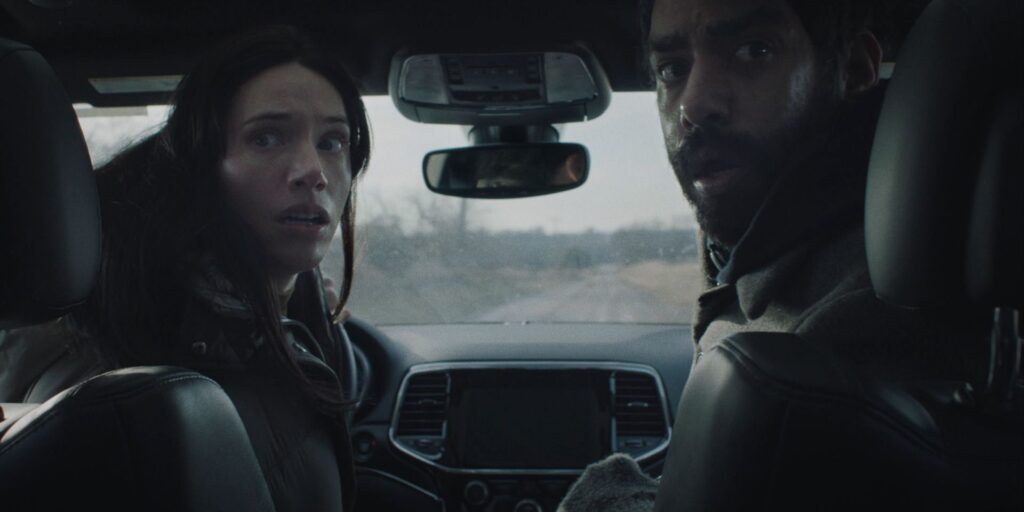
“Next Exit” is about a cross-country drive in pursuit of a supervised “research study” suicide, and as such, it’s more a road comedy than an existential quest. Not that first-time feature writer-director Mali Elfman doesn’t try to have it both ways.
Two strangers decide to drive rather than fly cross country to their date with death. They “meet cute” and set off angry sparks that turn even angrier as their reasons for wanting to end it all become clear. But as they encounter other people along the way and make detours into their pasts, we and they come to understand how they came to this place in their lives that makes them want to end them.
That’s classic “road picture” formula, and it’s about as predictable as the film’s finale, which we guess the moment Rose cranks up their rented Jeep Grand Cherokee in NYC for the drive to San Francisco. But it’s not the journey, it’s the destination, right?
A clever opening has a little boy talking to his newly-ajar bedroom closet door, and then we see the camera set up in his room and the card game little Rio is playing with his recently-deceased father. This “irrefutable evidence” of “life beyond” death is “world changing” and “culture shifting.” And after the researcher (Karen Gillan) who made this discovery woodenly lectures a TV camera about what her Life Beyond research study is doing, we get a glimpse of what she means.
News coverage about a world in economic decline and the mass depression and suicide spike that accompanies it tells us that this “irrefutable proof” has people literally dying to find out what comes next. And Dr. Stevenson (Gillan) is helping, doing research that is “ushering us into the next era in human existence.” Kind of makes it hard for anybody to plan anything, though. And don’t even think about what a mass exodus would do to the global economy.
One person who’s had enough of this life are Rose (Katie Parker of “The Haunting of Bly Manor”), who goes by her middle name because what adult would want to be called “Blossom” in this day and age? As that’s what’s on her driving license, she’s irked every time someone makes that mistake. Rose is irked by default. And she trots out her resting bitch face to the rental car agent who has a problem with her reservation, and the hapless Brit expat Teddy (Rahul Kohli, also of “Haunting of Bly Manor”) fated to share this drive to The End with her.
The Life Beyond Institute has accepted them as “participants,” test subjects for this ongoing research. That entails assisted suicide, with these two having appointments five and seven days from now.
Rose is in a fury — testy and rude, with enough self-loathing to want to kill herself, but enough loathing left over to take in her new road buddy Teddy. She’s so hostile no jokes can defuse the ticking time bomb in her soul.
“If you mind me dead in the morning,” Teddy helpfully tells a motel clerk, “SHE did it.”
Their road trip will lightly sample some of the consequences of an unhappy nation deciding “F— it, I’m done.” A depressed stranger throws himself in front of the Jeep. An obsolete priest can’t get his mind around this eagerness to exit. A sad barfly tells of the people he’s killed before shooting up the roadhouse TV.
But Teddy, a binge eater and fan of fried meat and junk food in its many forms, resolves that they should “try and have some fun” along the way. So scratch “shoplifting Pabst Blue Ribbon from a Texas convenience store” off your bucket lists, kids. Let the good times roll.
The novelty in this is the whole “existence beyond death thing” and Elfman — yes, she’s Danny’s daughter — spends some time and production money on visually imagining that “beyond.” There’s even a hint of what this knowledge does to some people’s psyches, butjust a hint. Mainly, this is a dark — very dark — romantic comedy and mystery. The mystery is whether their fated romance is enough to mend people broken enough to want to kill themselves.
Parker and Kohli have a nice, mismatched chemistry and their banter lightens the film, which has stretches where we worry it’ll be content to be just gloomy and depressing. Gillan gives off her usual metallic vibe, here in service of a sort of Elizabeth Holmes/Theranos “new science” hustler.
Like life itself, “Next Exit” is very much a mixed bag — tiny triumphs weighed down by a lifetime of tragedies, guilt, blame and regret in a film that works as a road comedy and kind of works as an exploration of existential crisis, just not as well.
Rating: unrated, adult subject matter, violence, profanity
Cast: Katie Parker, Rahul Kohli and Karen Gillan
Credits: Scripted and directed by Mali Elfman, A Magnet/Magnolia release.
Running time: 1:46


