Documentary Review: “Kubrick by Kubrick,” a press-shy filmmaker almost explains himself

Let’s begin with first principles. We are never going to get a “definitive” documentary that takes in everything, talks to everyone and tells us all we need or could possibly want to know about the inscrutable genius, Stanley Kubrick.

Consider just what’s available for a fan or fanatic’s perusal on Youtube at this writing. There’s “Lost Kubrick,” a pretty good “unfinished films” doc made for TV. A fan has pieced together all the film footage — including childhood home movies, much of it with sound — “All Video Footage of Stanley Kubrick.” Somebody else uploaded a “rare” hour long taped interview with him. There are collections of actors and directors talking about him, “behind the scenes” footage from any number of his films also archived there.

And that’s on top of the many other fine documentaries on him, about him, or deep diving into this or that movie, the most famous of which is “Room 237,” which gets at the obsession this most obsessive filmmaker feeds among his most devoted fans. Everybody in his life, it seems, has been in a film about him — family, colleagues, even his driver.

But here’s a new brick in the video wall of Kubrick scholarship. Gregory Monro’s “Kubrick by Kubrick” made the rounds of film festivals during the pandemic, and earns its official release Mar. 23. It’s built around one of the “rare” interviews Kubrick gave, this one to the French critic and longtime Kubrick enthusiast and expert Michel Ciment.

Is it the last word? Can’t be.

Is it even complete? The documentary was 13 minutes longer when it played festivals. Now, it lacks any mention at all of “The Killing,” “Killer’s Kiss” or “Lolita,” and only Sterling Hayden’s apologetic explanation of why Kubrick beat him down with 38 takes of one shot and few seconds of “Doctor Strangelove, or How I Learned to Stop Worrying and Love the Bomb” turn up here. So something happened — rights or otherwise — between 2020 and now.

But it’s still a must-see for Kubrick fans, because here he is, exploring his themes of “evil” and “the duality of man” and “intelligence” and control — talking about his photography background, making his favorite Napoleon as a movie director analogies.

Little seen footage of Kubrick frolicking with his kids has him griping/joking about what Napoleon would think of “Lew Wasserman and David Picker” (moguls who put the brakes on Kubrick’s eventually-canceled “Napoleon” epic) controlling his fate.

He addresses one thing this film and all the other audio and footage of him talking punctures, his reputation as a “recluse.” There was even a John Malkovich movie about a guy who got away (sort of) with posing as Kubrick, “Color Me Kubrick,” remember.

“I just don’t particularly enjoy interviews,” Kubrick tells Ciment, who is interviewing him. He did lots of those through the 1960s and a few again in the ’80s, when “Full Metal Jacket” came out. He famously eschewed “explaining” or talking about his 13 finished films, but he does a bit of that here. If you take into account one infamous 1960s profile, which Kubrick agreed to when “2001: A Space Odyssey” came out, but which he demanded final approval of, you get a feel for what he didn’t come out and say to Ciment or anybody else.

The poor 1960s interviewer could only publish a single “approved” line from Kubrick, “I really prefer to let the films speak for themselves.” The journalist had to fill the page with a Jack Torrance (a decade before “The Shining,” mind you) sentence endlessly repeated. “I just spent three hours interviewing Stanley Kubrick. I just spent three hours interviewing Stanley Kubrick.”

What Stanley insisted on ALWAYS was “control.”

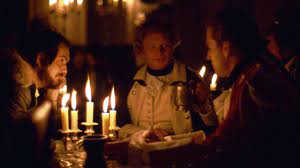
Ciment gets in a few pearls about Kubrick’s love of “the detective work” of research, which he’d dive into for years. His mania for “realism” in “2001” and most of his other films is legendary, and he goes into some depth explaining how he bought every book on 18th century European art in existence and cut pages out to get the costumes, colors and light of “Barry Lyndon” perfect.

But he cast “Love Story” star Ryan O’Neal as the lead for that film because “I couldn’t think of anybody else.”

He made “military consultant” R. Lee Ermey a star when he realized the man he was letting berate actors auditioning for roles in the film as an exercise was exactly the Drill Instructor as Profane Poet that “Full Metal Jacket” needed.

His mania for research, years of it wasted on “Napoleon” and “The Aryan Papers,” may have reached its zenith with “Full Metal Jacket,” a Vietnam War epic that takes Marines from basic training into combat, with Kubrick perusing through “100 hours” of documentary footage (TV, films movies like “The Anderson Platoon,” filmed in-country in the ’60s) to end up faking Parris Island and The Tet Offensive Battle of Hue in the U.K. because the Brooklyn-born Kubrick refused to film far away from his English home once he gained the clout to demand that.

No, a few palm trees and ruined “buildings from the same era” don’t look like Vietnam and Hue, no matter what he said. But who would correct him?
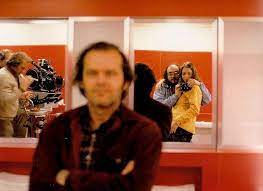
The title here is something of a misnomer. There’s a lot of archival TV coverage of Kubrick’s death, as well as video of vintage TV reviews and even roundtable discussions of his films, his life and his work, footage from France, the UK and even the U.S. That reinforces the reasons he is important, a still-revered creator of motion picture “events,” and just how thin the material the in-the-know Ciment actually gathered from this long sit-down.

Monro also artfully recreates the modernist bedroom with 18th century furniture from “2001,” and shows us slate/clapper images as he cuts to a homely 1960s cassette deck to reflect that medium the interview was done on.

There’s a nice sampling of film people who were ill-used by Kubrick, and almost to a one they decline to judge him or even analyze why he’d demand “45 takes” of his Steadicam operator on “The Shining,” or 38 takes of the great Sterling Hayden. Composer Leonard Rosenman is the only one here to at least label this as “insane” to the man’s face. But when Kubrick demanded “105 takes, when the second was perfect” in a piece of Rosenman’s period-instruments “Barry Lyndon” score, Rosenman stormed into the engineering booth to ream him out. Then again, he had a whole orchestra ready to back him up.

The famous footage of Shelly Duvall abused and berated on the set of “The Shining” isn’t here, nor is a more obscure clip I’ve seen recently, in which Kubrick blamed his many takes on “lazy” and “unprofessional” actors “not staying at home” the night before a scene “and learning their lines.”

That’s nonsense, of course. Kubrick beat his players down in an effort to get exactly what he wanted. There’s got to be a middle ground between the “one take,” no matter how far short of perfect it is Clint Eastwood approach, the “Jaws” conditioned “get the perfectly-framed shot” and move on Spielberg, who also brushes off actors’ desired retakes, and Kubrick’s on-the-spectrum OCD approach.

If you love movies, you can’t help but get into Ford and Hitchcock, Welles and Kubrick, artists and manipulative control freaks that the great ones — not just the men — often are. But I’ve been making laps around the Kubrick star for ages, and my view of him changes almost annually.

The first film book I bought was Alexander Walker’s “Stanley Kubrick Directs.” I saw “The Shining” in 70mm several times when it came out while I was in college. But by the time “Full Metal Jacket” rolled around, in grad school, I was cooling on him.

His beautiful but often stiff and always arch later films led me to believe he’s a filmmaker you can outgrow, like a love of heavy metal or a mania for the fiction of Ayn Rand.

But here I am, reviewing another documentary about him. Yes, it was pitched just days ago, when I was fresh off watching more youtube collections of the Wit and Wisdom of Stanley Kubrick and other analyses of his work. Kubrick is a film buff’s ultimate rabbit hole. Watch “Room 237” if you don’t think so.

We may never get that “last word” book or film on him, his obsessions, his art, his finished films and the “Napoleon” mini-series that Spielberg just renewed his pledge to make (he first promised that, according to a post on this very blog, ten years ago. That’s a measure of Kubrick’s hold on any film fan’s imagination.

I’ve interviewed several actors who’ve worked for him over the decades, but the favorite anecdote I collected is one I won’t repeat here, as I used it in my review of “S is for Stanley” some years back. But I will repeat his “Spartacus” player John Ireland’s punchline for what he witnessed, the extent Kubrick went to in order to get that perfect look from actors, reacting exactly how wanted them to for a single shot in that film, something which Ireland laid out to me back in the ’80s.

“THAT’S genius!”

Rating: unrated, profanity

Cast: The voice of Stanley Kubrick, Michel Ciment, with archival interviews with Malcolm McDowell, Jack Nicholson, Nicole Kidman, Tom Cruise, Marissa Bernenson, Leonard Rosenman and Sterling Hayden.

Credits: Scripted and directed by Gregory Monro. A Level 33 release.

Running time: 1:01
Posted in Reviews, previews, profiles and movie news | Comments Off on Documentary Review: “Kubrick by Kubrick,” a press-shy filmmaker almost explains himself

Movie Preview: Russell Crow IS…”The Pope’s Exorcist”

Like the beard, like the hat. The accent? It’s growing on me.

“Inspired by the actual files” of a fellow with that unofficial title.

“You have a problem with me, you talk to my boss.”

April 14, Russell Crowe works for Screen Gems.

Posted in Reviews, previews, profiles and movie news | Comments Off on Movie Preview: Russell Crow IS…”The Pope’s Exorcist”

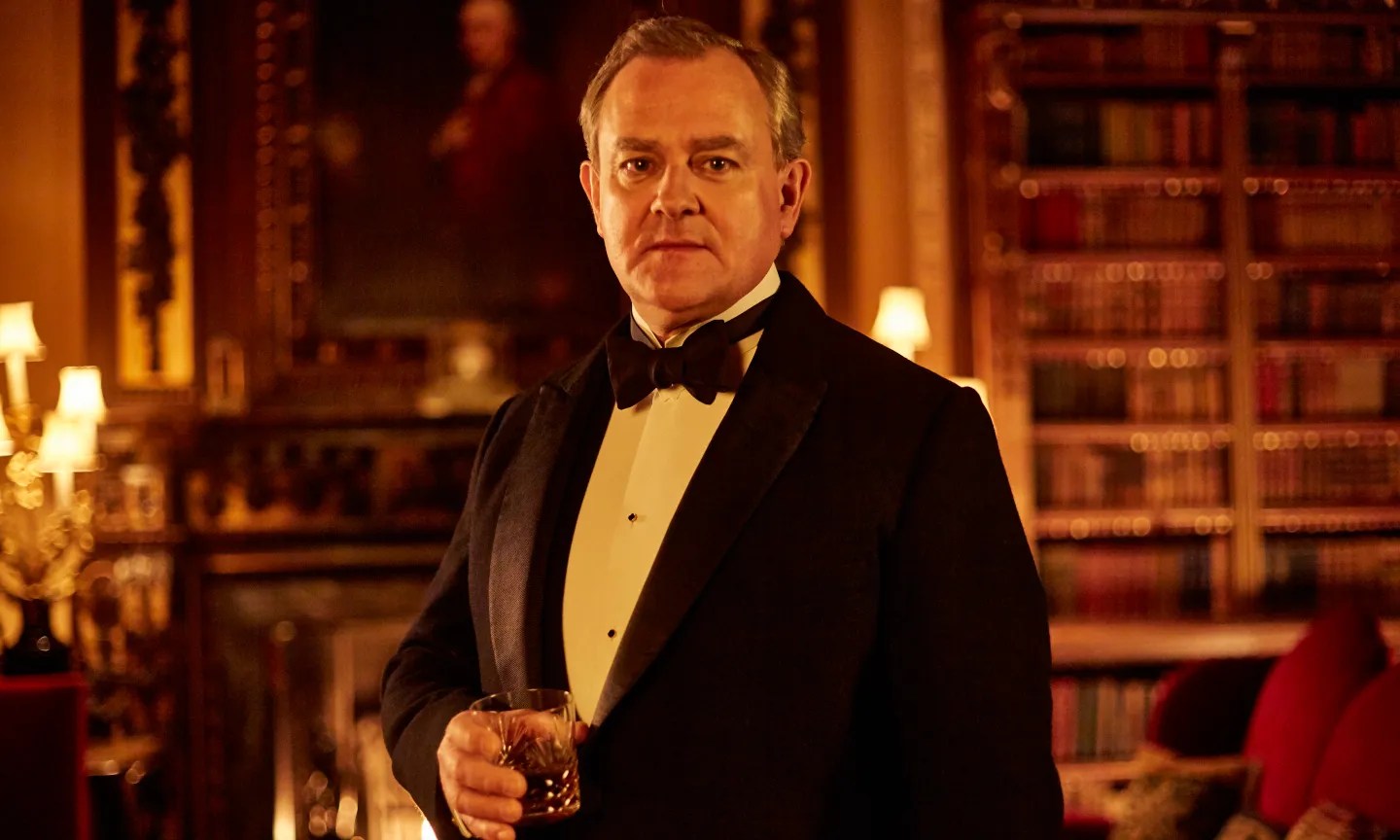
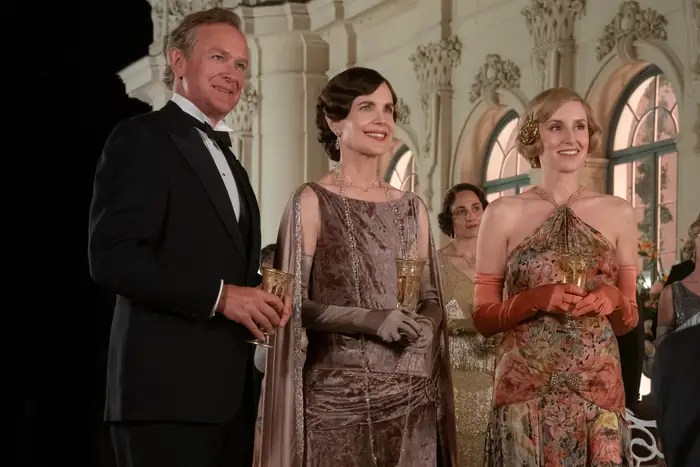
Book Review: Memoirist Hugh Bonneville charms and tickles, “Playing Under the Piano: From Downton to Darkest Peru”

The role that changed Hugh Bonneville’s life didn’t arrive in a “Eureka!” moment, and he doesn’t treat it that way in his charming memoir, “Playing Under the Piano.”

“Downton Abbey” made itself known to him as a make-conversation chat with his director, Julian Fellowes, on the set of an earlier movie they made called “From Time to Time.”

“You writing anything else at the moment?”

As recounted in the forward to “Playing Under the Piano,” Fellowes mentioned a few projects, and this “Gosford Park” “great house,” its owners and its staff saga he was about ready to pitch. He’d had great success scripting his first “Upstairs/Downstairs” melodrama, “Gosford,” for Robert Altman. And even though the genre was stale and dead at the time, Fellowes had a hunch. He did think Bonneville, one of a legion of British character actors appreciated by fans but not all that famous, was “too young to play a dad.”

Bonneville’s reply would change his life.

“I am a dad. Of three girls, marriageable age.”

“Downton” drifts through “Playing Under the Piano,” summoned up here and there to make a point about why one avoids eating what’s served to you in a scene (many takes, from different many angles, they have to match in continuity, making a LOT of brownies disappear from “Notting Hill”) or how you never know if what you’re doing is going to click with the public, much less become a global phenomenon.

And Bonneville lets the dressing-for-dinner soap opera bookend his book with a lovely remembrance of Maggie Smith’s last scene, the last day of shooting the last film and even the New York press junket, savoring something that he never actually comes out and says “changed my life.”

It’s a brisk, florid biography in the standard actor’s life mold — “Hugh Boo Boo” childhood, memories of literally playing under a piano, first crushes, first roles, first time he figures out his character actor’s “stocky” niche, first time he is so “in the moment” that he makes something spontaneous and fun happen onstage during the run of a play.

The picture that emerges is of an affable chap who recognizes his privilege — son of a doctor who doted on him, whom he doted on in turn, prep schools, etc. — and the career he’s made out of that.

The anecdotes aren’t sizzlers, as he’s not retired and his former and possibly future colleagues aren’t dead and still in the position of possibly hiring him again. Well, he takes one good shot at director Mike Newell. And everybody knows Christoph Waltz is a “wanker.”

But there’s no “dishing” about Elizabeth McGovern or the Divas of “Downton” — just a note on Smith’s “reputation” — a warm note on Judi Dench‘s acting generosity and a lighthearted look at Julia Roberts, offhandedly throwing her Big Star weight around during “Notting Hill” to the betterment of the film and the benefit of her much lower-billed co-stars (ensuring Bonneville and others were flown to the NYC premiere), gratitude to Kenneth Branagh for hiring the Laertes in his stage “Hamlet” (Hugh) for a bit part in his “Frankenstein,” memories of films like “Iris” (he played the Jim Broadbent character as a young man, naturally) and “Burke and Hare.”

And the childhood recollections are occasionally amusing, but conventionally upper middle class, a long list of the semi-obscure corners of England where he grew up, schooled and summered.

The pursuit of an acting career, after entertaining thoughts of the law and the pulpit at Cambridge, makes for a fun account — meeting Olivier at a dinner party his parents dragged him to, failing to get his foot in any door, shortening his “Hugh Richard Bonniwell Williams” name to something even more posh. He tells cute, self effacing near disaster stories about auditions and recreates a National Youth Theatre/ National Theatre/RSC and Stratford world that he learned his craft and came of age in.

I tracked him down for a chat when the first “Paddington” bear picture came out, and found him much more “Notting” and less Lord Grantham, a fellow who recognizes the good fortune that moved him from lower billings to leads, the generosity of his “Downton” benefactor Fellowes when the chance came his way to join a George Clooney project (“Monuments Men”).

As for the career, movies like the recent thriller “I Came By,” which had him at his most villainous, suggest he has a few surprises in him.

On the whole, he comes off as you’d hope, disarming and not terribly self-serious, sentimental and enthusiastic about the work, if more laid back “British” about it than your average American “Actor’s Studio” alum or emulator.

“Playing Under the Piano: From Downton to Darkest Peru.” By Hugh Bonneville. Other Press. 372 pages, with index. $28.99.

Posted in Reviews, previews, profiles and movie news | Comments Off on Book Review: Memoirist Hugh Bonneville charms and tickles, “Playing Under the Piano: From Downton to Darkest Peru”

BOX OFFICE: “Quantumania” shrinks, “Cocaine Bear” wired for $23, “Jesus Revolution” tithes $15.5

I could see a lot of cell phone screens lighting up as filmgoers checked the time — often — at the preview screening of “Cocaine Bear” I attended.

Plainly for them, as for me, the thunderous buzz and giddiness and hype that the title of Elizabeth Banks’ gory, cokey comedy promised wore off sometime around the midpoint of the picture.

But it plays, and one has had the sense than the zeitgeist is ready for a splatter pic comedy with a deranged bear slaughtering the just and the unjust for laughs.

The ceiling for such a movie isn’t high enough to chase “Ant-Man and The Wasp: Quantumania” off the peak of the box office perch. But 21 million? Sure. This bear could do that with its eyes closed.

Decent Thursday night previews and a solid Friday point to that take. Word of mouth won’t help or hinder it Saturday, but I’d guess it’ll clear $20, with $25 its absolute ceiling. ($23 it is! See below.)

The news about “Quantumania” is actually a much bigger “wow.” The movie is more pointless than usual for a Marvel entertainment, and is something of a bore. It’s experiencing the steepest box office second week fall-off EVER for a Marvel movie — on track to be 80% lower than its bigger-than-expected opening weekend. It could rally into the $35 million range, but $30 may be it and audiences may — at long last — be wearying of lesser comic book fare. At least in terms of repeat viewings.

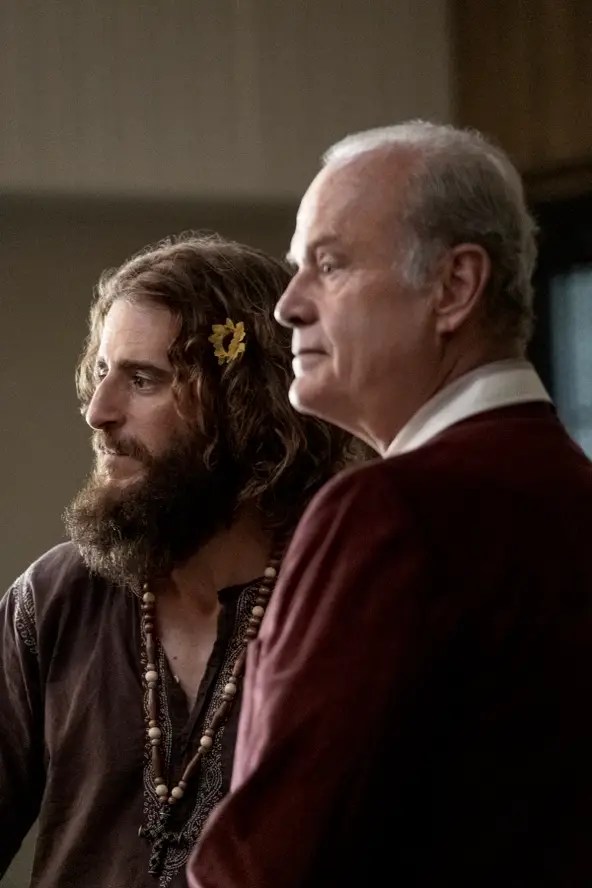
The “Jesus Revolution” is bringing the faithful out, a decent, uplifting and positive-messaging faith-based film with none of the politics that poison so much cinema in that genre. Early projections saw this no-big-stars historical “moment” movie managing maybe $10 million. Nope. $15 million+, depending on how Saturday and Sunday pan out.

Ticket prices being what they are, that’s not a staggering number of tickets sold, over a million or so. But front-loading with Wed. and then Thursday previews gave it a head start and helps get the word out.

A Kelsey Grammer big screen hit? Here it is.

“Avatar: The Way of Water” is pulling in another $4 million and change, closing in on what should be a $675-680 final take, when all is said and done.

“Puss-in-Boots: The Last Wish” won’t hit $200 million, as another $3 and change leaves it in the $173-175 million range, probably finishing its run @$188-190.

The rest of the top ten is #6, “Magic Mike’s Last Dance,” earning another $2.7 million and fading so fast it won’t reach $30, M. Night’s “Knock at the Cabin,” adding $1.77 million on its way to $40, #8 “80 for Brady,” wrapping up Tom Brady’s big screen adventure with $1.7 (it’ll just clear $40, all in), “Missing” ($1 million), and Tom Hanks’ “A Man Called Otto,” which has hung around, played all over America and will finish its run under $65 million.

Here’s the UPDATED Sunday afternoon tally from @BoxOfficePro.

It’s a good thing the coked-up bear and the faith-based crowd are showing up, doing their part in keeping cinemas open until the next big hit arrives.

Posted in Reviews, previews, profiles and movie news | Comments Off on BOX OFFICE: “Quantumania” shrinks, “Cocaine Bear” wired for $23, “Jesus Revolution” tithes $15.5

Netflixable? An Expectant Mother frets over the horrors that await what’s in “The Womb (Inang)”

A good rule of thumb for horror cinema is that your movie can get away with being obvious, or it is allowed to be slow to unfold. But it can’t be both and work.

That’s the curse of “The Womb,” an occasionally tense but generally tedious horrors-of-giving-birth tale from Indonesia.

“Obvious” comes from its opening tease, a wizened shaman (Pritt Timothy) is being interviewed about a particularly unlucky day — by tradition — to give birth. He describes the remedy in vague terms, a “ritual” designed to “cut off…the misfortunes the baby comes with” (in Indonesian, with English subtitles).

That’s what the movie is about, a pregnancy facing a dangerous “Wekasan Wednesday” birth, and just what that “cut off” ritual involves.

But before anything like that can enter the picture, we need over a half hour of the story of unhappy Wulan (Naysila Mirdad), pregnant with a fair weather beau who tells her to “get rid of it.”

She lives in a tenement, and is late on the rent because sonograms aren’t covered by national health insurance. The landlord, overly fond of the sex worker living across the alley from her, doesn’t want to hear about it. Asking her boss at the big box home improvement store for an advance just earns her an unwelcome advance of a sexual nature.

So that’s three “problem” men in her life, not even taking into account her flashbacks to her unhappy childhood, where Dad and Mom fought constantly.

After taking suggestions from a friend and co-worker, consulting a pushy male operator on an unwanted pregnancy hotline, she stumbles across an older couple. Eva and Agus (Lydia Kandau, Rukman Rosadi) are desperate to adopt.

Next thing we know, she’s on her way to their big, remote country house, offered all sorts of health tips, “special” food and body oils by Eva and a sympathetic ear by Agus. It’s all good until the vivid nightmares start, triggering her growing suspicions about the place and these two, the midwife they consult and the shaman (Timothy again) they bring in. It’s enough to completely freak her out in her heightened, hormonal state.

And Wulan isn’t seeing all the stuff that director Fajar Nugros is showing us — the rat trapped in a cage in the garden shed metaphorically cut into the scene where Eva shows Wulan her room, what happens to rats when Agus is around.

“The Womb” takes its sweet time to get going, and drags out the assorted incidents that raise Wulan’s suspicions to the point where, whatever alarmed look Mirdad occasionally shows us, there’s no momentum for building a sense of rising paranoia.

Nothing really gets going until the third act, which is as good a time as any for the viewer to remember the “obvious” tease in the opening.

Remember, this is a Muslim country, and considering that, the movie’s very subject matter and treatment of sex is pretty racy and risky.

It’s a good looking film, with simple but effective effects and jolts of violence here and there. But it’s a bit obvious and entirely too slow in getting around to reminding us of that.

Rating: TV-MA, violence, sexual situations, smoking, profanity

Cast: Naysila Mirdad, Lydia Kandau, Rukman Rosadi, Dimas Anggara and Pritt Timothy

Credits: Directed by Fajar Nugros, scripted by Deo Mahameru. A Netflix release.

Running time: 1:56

Posted in Reviews, previews, profiles and movie news | Comments Off on Netflixable? An Expectant Mother frets over the horrors that await what’s in “The Womb (Inang)”

Heavens, I miss Peter Sellers…and TWA

Posted in Reviews, previews, profiles and movie news | Comments Off on Heavens, I miss Peter Sellers…and TWA

Classic Film Review: Roger Corman’s WWII “on a budget” — “The Secret Invasion” (1964)

There were a couple of instances during his storied career as director, producer and “brand” that Roger Corman might have moved beyond B-movies and taken his shot at being an A-picture filmmaker. “The Secret Invasion,” a 1964 WWII combat picture, was always planned as a B-movie. But with a “name” cast and United Artists distribution, it settled in that grey area between major studio productions and Corman’s “action cinema on the cheap” ethos.

It’s a post-“Guns of Navarone” pre “Dirty Dozen” convicts-as-commandos thriller built around just-past-his-peak Stewart Granger, Mickey Rooney settling into supporting roles, Henry Silva on his way to iconic villainy, Italian star Raf Vallone just starting his long association with Hollywood and rapidly-fading TV “fad” Edd Byrnes.

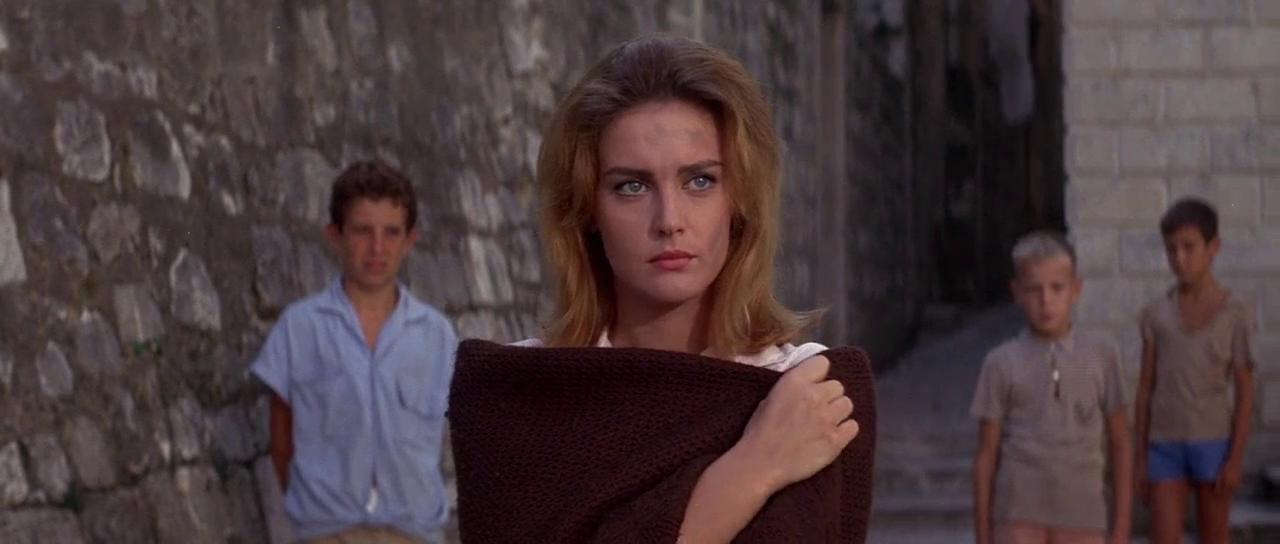
Set in occupied Yugoslavia, inspired by a magazine article on Dubrovnik, Croatia that Corman read at the dentist’s office (Where else?), it is, hands down, the most scenic film Corman ever made.

Twenty years after the end of World War II and little had changed in Tito’s Yugoslavia. The Croatian War of Independence was decades in the future. Little had marred Dobrovnik’s old city and its citadel. Condos didn’t cover its rocky seaside hills and their tumbledown stone walls and stone houses.

The story was straight-up WWII pulp fiction. Convicts from Britain, the U.S. and the Mediterranean are assembled in 1943 Cairo for a mission to distract the Germans from the coming Allied assault on Italy. They’ll stir things up by convincing an Italian general who hates the Germans to lead his troops into an uprising with Yugoslav partisans.

Things get all Rogered up (i.e. “silly”) straight away, as this squad of experts called in by the Major (Granger) are a coldblooded assassin (Silva), an Italian thief and contraband smuggler (Vallone), an IRA demolitions man (Rooney, aye. Rooney.), a forger (Byrnes) and a master impersonator (William Campbell, probably best remembered for his TV spots on “Star Trek,” etc.).

Not a lot of commandoes, and overall a pretty goofy skill-set to fake-start a “new front” in the Balkans.

There are a couple of twists that still work and the combat sequences, which grow in scope as the Yugoslav Army is dressed up as scores of Germans and Italians, aren’t terrible.

The screenplay sets up the players as “types” and serves up a meaty line or two. One character doesn’t like the smell of digging from a tomb into the fortress where their Italian general/quarry has been imprisoned.

“Get used to it,” the morbid, pervy Durrell (Silva) hisses. “It’s the smell of eternity!


But whatever tropes are trotted out for “the mission,” however it turns out, whoever earns the most beautiful death scene, the fun in many a Corman movie is in our grudging appreciation for how he managed all this on the (relative) cheap.

There’s no sense relying on “the vain one” (Campbell) to master impersonating Granger (for an escape attempt in the middle of their training) or their German captor. Just loop in the other actor’s voices when he “imitates” them.

Genius!

Similarly, Rooney’s character’s “big scene,” taking on a pillbox machine gun nest by himself, has him singing, in an Irish brogue that comes and goes, about the “big surprise” he’s got for Gerry.

Watch his lips. He added the wee tune in post production. Funny, that’s the only scene from this I remember from watching “The Secret Invasion” on TV as a kid. I didn’t remember his co-stars or the title, just the Mick singing and tossing potato smashers (German grenades).

The best “big moments” belong to Silva and Vallone, stirring and surprising, even today. Corman spent most of his money on actors, and it really paid off here.

As far as cutting corners, a fog machine is a great help when you’re trying to stage a trawler-vs-German gunboat fight at night, and you can’t go to sea and there is no water filming tank to rent. It’s masterfully minimal.

Sound effects cover up the ordnance budget. A few smoky blanks per firefight, a lot of machine gun noise, a well placed squid or two for some of the victims and pyrotechnics on the walls and rocks, skilled editing and it’s “close enough for government work,” as the boys used to say.

That said, the film took on an Adriatic vacation pacing, probably in mid-production, something that spills over onto the screen. The stakes never seem that high, the urgency of the mission is basically an afterthought, everybody’s relaxed and kind of enjoying their working vacation, and it shows.

No, it’s not the beefier, longer all-star cast A-picture “The Dirty Dozen,” or even “The Devil’s Brigade,” which came years later. But it is a great reminder at why Corman remains an inspiration to indie filmmakers, generations removed from his years of mentoring Ron Howard and Coppola, Scorsese, Dante and James Cameron into the business of directing movies, and doing it without wasting one thin dime along the way.

Rating: violence

Cast: Stewart Granger, Mickey Rooney, Raf Vallone, William Campbell, Spela Rozin, Edd Byrnes and Henry Silva

Credits: Directed by Roger Corman, scripted by R. Wright Campbell. A United Artists release on Tubi, Amazon, etc.

Running time: 1:38

Posted in Reviews, previews, profiles and movie news | Comments Off on Classic Film Review: Roger Corman’s WWII “on a budget” — “The Secret Invasion” (1964)

Series Preview: Streep, Norton and Whitaker head as All-Star sci-fi series about the Consequences of Climate Change — “Extrapolations”

Those who haven’t gotten the message won’t turn to Apple TV+ to get a clue, but here’s another star-studded attempt at punching through.

A thriller series about the coming calamity.

March 17.

Posted in Reviews, previews, profiles and movie news | Comments Off on Series Preview: Streep, Norton and Whitaker head as All-Star sci-fi series about the Consequences of Climate Change — “Extrapolations”

Movie Preview: Epic and over-the-top, a sword and sorcery martial arts period piece — “Code of the Assassins”

Pity they changed the title from the more poetic “Song of the Assassins,” which is what it was called in China.

Wirework and wilder than wild fights? Mark me “present.”

This bad boy comes out March 3.

Posted in Reviews, previews, profiles and movie news | Comments Off on Movie Preview: Epic and over-the-top, a sword and sorcery martial arts period piece — “Code of the Assassins”

Netflixable? “Ghostbusters” meets “Ghost” — “We Have a Ghost” is a bust

Was this what Netflix was thinking in serving up its overlong supernatural action comedy, “We Have a Ghost?”

They won’t need to keep the streaming rights to “Ghost,” “Ghostbusters” or “Monster House.” They don’t have to wish they had Disney’s “Haunted Mansion,” not if they mash up all of those films into one two-hour-plus PG-13 title.

A thriller that isn’t thrilling, a horror comedy that rarely produces more than a chuckle or three, a sentimental tale that can’t quite wring a tear out of death and loss, “We Have a Ghost” dishonors pretty much every hit film it steals from.

We have reason to expect better from the writer-director of “Freaky” and director of the “Happy Death Day” films. But given that Netflix blank check and lack of editorial supervision business model, a dud was almost pre-ordained.

An opening tease tells us there’s something weird about this 19th century Greater Chicagoland two-story fixer-upper. The previous family fled in the dark of night.

The new folks roll up in their ancient Jeep Cherokee, ask the real estate agent “Nothing like, bad happened here, right?”

The family’s sketchy years are barely sketched in, but father Frank (Anthony Mackie) and mom Mel (Erica Ash) are ready for another “fresh start.” Older son Fulton (Niles Fitch) rolls with it. But sensitive guitarist and classic-rock-loving Kevin (Jahi Di’Allo Winston) does not.

“How many ‘fresh starts’ are we at now, Dad?”

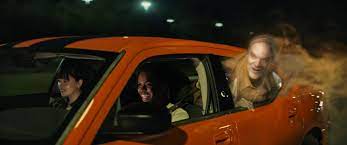
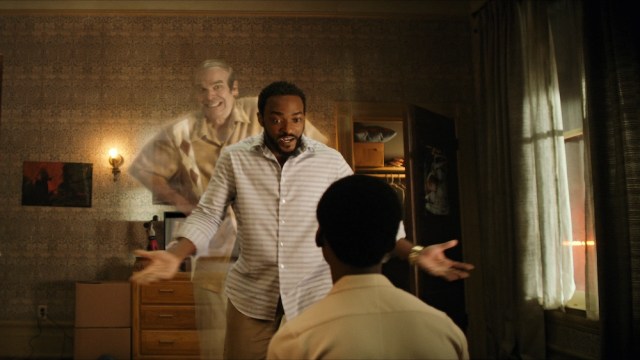
Naturally, he’s the one who first sees the ghost, a shrieking mute in a bowling shirt with “Ernest” stitched over the pocket.

Kevin is unafraid and unmoved in that modern teen way. All he sees is something cool he can video-record on his phone. As the ghost (David Harbour) manifests himself as Kevin’s singing, he can only assume they share a love of Credence Clearwater Revival.

Kevin barely has time to learn a few of this unspeaking ghost’s “rules” — “We can’t touch you, but you can touch us, kind of like a stripper!” — before big brother grabs his phone and finds out, followed by Dad, followed shortly thereafter by Mom. She’s the only one to act like she’s seen a ghost.

Dad? He’s always got an eye on the next get-rich-quick scheme. It’s time to monetize this calamity via social media dominance.

Kevin tries to solve the mystery of who the dead man is, helped by Joy, the mouthy, stereotype-riffing and ripping Japanese-American classmate (Isabella Russo) who happens to be his trombone-playing neighbor.

The funniest sequence in the film is the tried-and-true life-cycle of an online phenomenon montage, with the ghost video going viral, then self-promoting online leeches videoing their commentary on it, “I See Dead People” memes and fans videoing “The Ernest Challenge,” even though nobody but a real ghost could actually run through a wall.

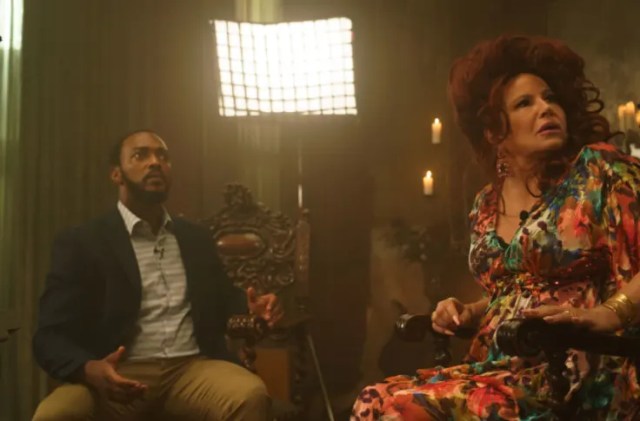
Jennifer Coolidge plays the “West Bay Medium,” a “basic cable” paranormal show hostess who is sure this is fakery and is totally fine with that — until Kevin eggs Ernest into “attacking” her. Tig Notaro plays an academic researcher turned author, one with a “secret government project” past.

And all of this stands between Kevin and his new friend Joy getting to the bottom of “Ernest’s” trauma, the event that has him haunting this particular fixer-upper.

Car chases, military “ghost buster” activities, channel-surfing by “Ghost” on TV, Dad’s endless hustles to cash in on this gift from beyond the grave, “We Have a Ghost” at least references all the elements that could have been developed into something funnier.

Writer-director Christopher Landon, despite the generously provided screen time allotted, doesn’t serve up anything anyone over the age of ten might giggle over.

Coolidge leans on her oversexed and over 50 shtick for a laugh, but the reliably funny Notaro is just hung out to dry.

Mackie might have made something out of his barely-outlined con artist father figure, had he given the guy a manic edge. Harbour seems ill-used here as well.

That adds up to a mash-up action comedy that teases you with everything it might have been, every amusing possibility not followed through on, and then defiantly refuses to on those possibilities.

Rating: PG-13 for violence, some sexual/suggestive references and and profanity

Cast: Jahi Di’Allo Winston, Anthony Mackie, David Harbour, Isabella Russo, Erica Ash, Jennifer Coolidge and Tig Notaro.

Credits: Scripted and directed by Christopher Landon, based on a short story by Geoff Manaugh. A Netflix release.

Running time: 2:07

Posted in Reviews, previews, profiles and movie news | Comments Off on Netflixable? “Ghostbusters” meets “Ghost” — “We Have a Ghost” is a bust